Chinese home style · Sauces & Basics
Keto All-Purpose Dough (生酮万能面团)
A stretchy, pliable keto dough from coconut flour and psyllium husk: rolls thin without cracking, pan-fries into scallion flatbreads and wraps, bakes into shaobing.
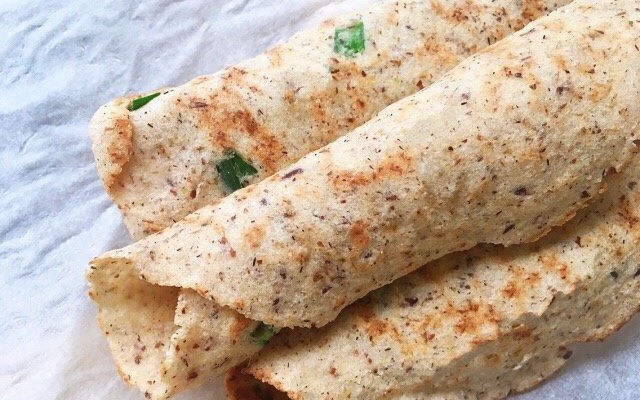
Instructions
-
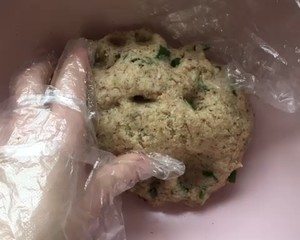 Whisk the coconut flour, psyllium husks, ground flaxseed and baking powder in a large bowl — work the mozzarella in here too if you are using it. Beat the eggs in a separate bowl.
-
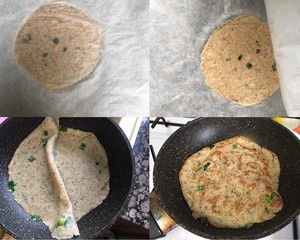 Put the water, lard, salt and erythritol in a small saucepan and warm over medium heat, stirring, until the lard melts and everything dissolves. The liquid should feel warm, not hot, when you dip a finger in — under 105°F (40°C), or it will scramble the eggs.
-
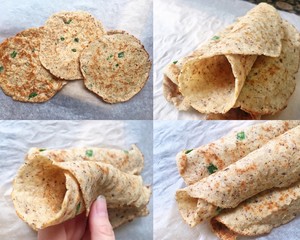 Pour the eggs and the warm liquid over the dry mix all at once. Stir with a spatula until no dry pockets remain, add the vinegar, then knead by hand (gloves help — psyllium is sticky) for 1–2 minutes into a soft, stretchy dough. Knead in the scallions now if using.
-
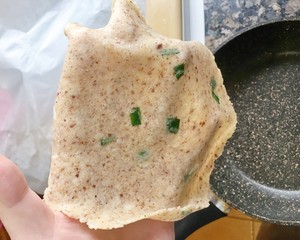 Rest the dough 5 minutes. Psyllium keeps absorbing water as it sits, and the dough firms up to a warm, wheat-dough-like feel: stretchy, pliable, only slightly sticky.
-
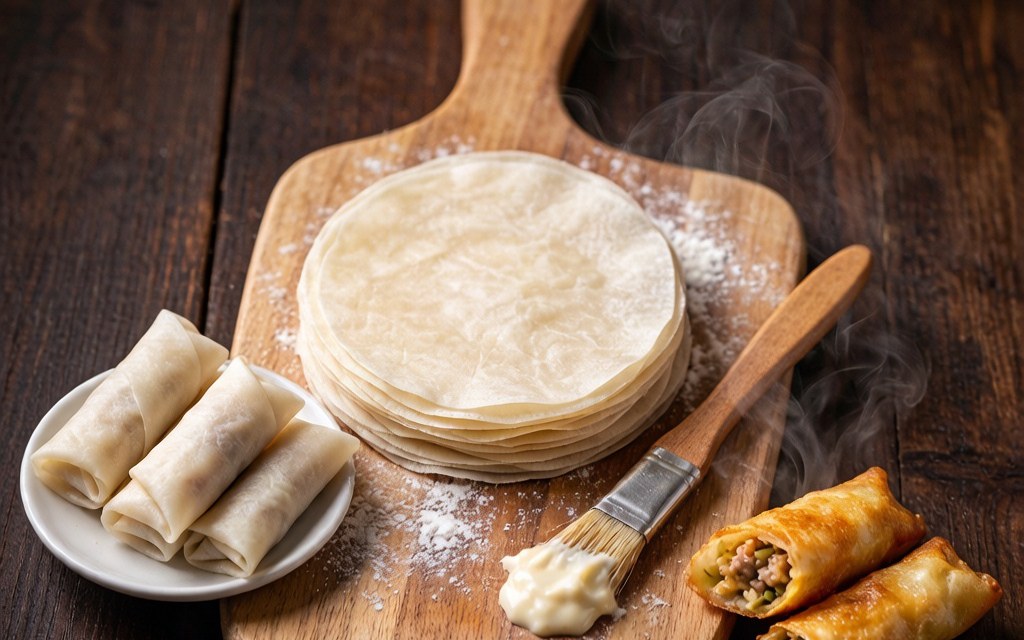
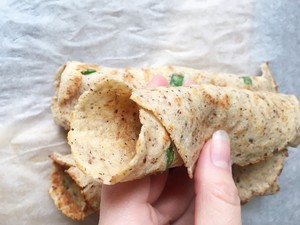 For flatbreads: pinch off a ball about the size of a tangerine (roughly 90 g), set it between two sheets of parchment paper, and roll to about 3 mm thick, sized to fit your skillet. The dough handles rough treatment well, but always support it on the paper.
-
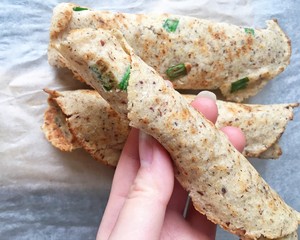 Peel off the top sheet, invert the flatbread into a dry nonstick skillet (no oil), and peel away the second sheet. Cook over low heat for 2–3 minutes, until the underside shows light golden spots and the bread still bends easily, then flip and cook 1–2 minutes more.
-
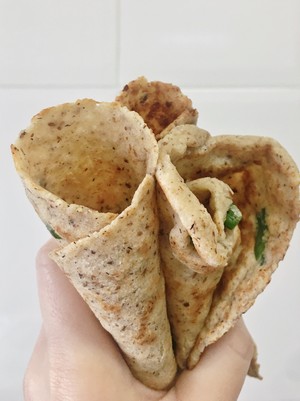 The critical rule: keep the heat low and pull the bread while it is pale gold and still soft. If it toasts dark and goes crisp, it will crack when you roll it — just as a wheat flatbread would.
-
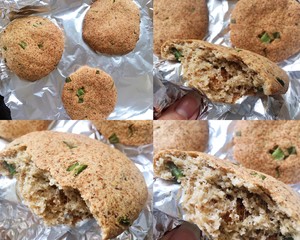 To bake shaobing-style: shape the dough into 3 thick rounds, set them on parchment paper (never bare foil — they weld to it), and bake at 350°F (180°C) for 25–30 minutes, until puffed and lightly browned. Let them cool a little; the texture is best warm rather than hot.
- Use the breads immediately as wraps, or stack them under a clean towel to keep soft. Re-crisp in a dry skillet when needed.
Why this recipe works
Getting a Chinese-style dough without wheat flour is a chemistry problem: gluten is what makes wheat dough stretch, roll and forgive. This recipe rebuilds that stretch from three directions.
1. The gel network. Psyllium husk and ground flaxseed both drink water and turn into elastic gels. Blended into the dough, they do gluten's job — binding, stretching, bouncing back — which is why you can roll this dough thin, lift it bare-handed, and fold it around fillings without it shattering like most keto breads.
2. Hot water and fat. The method borrows from Chinese scalded-dough technique (烫面): pouring warm, fat-rich liquid over the flour softens the finished crumb and keeps it pliable even when cooled. Lard is the traditional choice and gives the pan-cooked breads their savory, almost flaky richness.
3. Eggs and lift. Three eggs supply structure and protein, and a little vinegar meeting the baking powder gives gentle lift — enough that the baked shaobing rounds actually puff. The erythritol is not for sweetness so much as balance: keto flours run earthy and bitter, and a small amount rounds them out. That trio is also why this doubles as keto bao bun dough and low carb dumpling wrappers, not just flatbread.
About the dish
This is a modern low-carb adaptation of a Chinese kitchen staple rather than an old recipe itself: an all-purpose dough (万能面团) that stands in for the wheat bases of everyday food. Its home turf is the scallion flatbread (葱花大饼), a northern Chinese everyday bread cooked dry in a pan until spotted and pliable, plus the baked relative shaobing, and — with a thicker roll — dumpling and bao wrappers.
The original version was worked out by a low-carb home cook living abroad who missed Chinese staple breads badly enough to reverse-engineer them from coconut flour and psyllium. Treat it the way you would any master dough: make a batch plain on Sunday, and it covers weekday wraps, quick flatbreads and experimental dumplings for the rest of the week.
What to serve with it
The scallion version is made for wrapping rich, saucy meat — try it around slices of red-braised pork belly, or brush a warm flatbread with chili crisp and fold it in half. For a keto dumpling night, fill wrappers with the pork-and-cabbage filling from any classic dumpling recipe and steam gently.
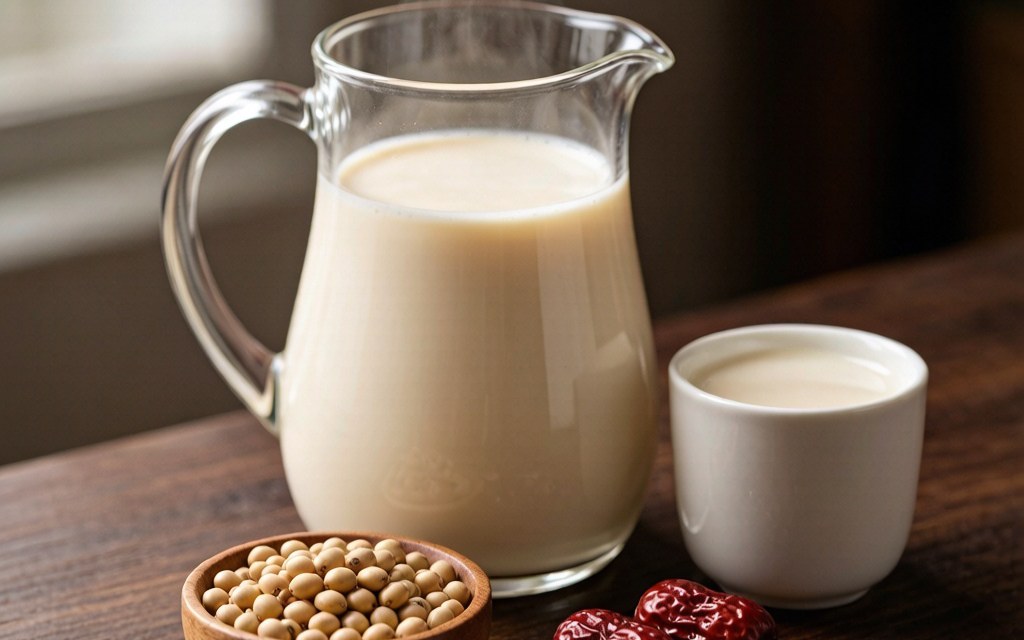
Plain rounds make good breakfasts too: toast one and top it with a fried egg and scallions. Unsweetened soy milk or hot black tea keeps the table low-carb. Leftover flatbreads re-crisp in a dry pan for a minute, and the wrapped dough balls freeze well, so keep a stack ready. Short on psyllium husk? A flax-forward version works — softer and a little fragile (see the FAQ).
Pro tips
- Weigh everything on a scale. Coconut flour and psyllium are aggressive water sponges, and a 10 g error flips this dough from pliable to crumbly — this is grams-scale baking.
- Whole psyllium husks and psyllium powder are not interchangeable: powder is roughly twice as dense and gummier. If powder is all you have, use half the weight and expect a softer dough.
- Coconut flour brands vary wildly — certain brands run extra thirsty and coarse. If your dough feels stiff and crackly, knead in water 1 Tbsp at a time until it relaxes.
- Low heat is the whole game on the stovetop: the flax makes this dough brown fast, and once it crisps, rolling cracks it.
- Parchment on both sides for rolling, and parchment under anything baked — this dough sticks badly to foil and to bare pans in the oven.
- The dough grows more manageable as it sits; if the batch outpaces you, re-knead briefly and it springs back to life.
Storage & leftovers
- Wrap the dough tightly and refrigerate for up to 3 days; bring to room temperature and knead briefly before rolling.
- Cooked flatbreads keep 4 days refrigerated, layered with parchment. Re-crisp for 30–60 seconds per side in a dry skillet.
- Freeze cooked flatbreads up to 1 month with parchment between them; reheat from frozen in a covered skillet over low heat, 2–3 minutes.
Frequently asked questions
Is this really usable for dumpling and bao wrappers?
The dough is stretchy enough to roll thin and pinch closed, and it was designed with exactly that in mind — but the flatbreads, wraps and baked shaobing here are the proven, tested uses. For dumplings, roll a little thicker, seal well, and steam or pan-fry gently rather than hard-boiling.
Can I replace the coconut flour with almond flour?
Not 1:1 — almond flour is fatty where coconut flour is fibrous and absorbent. An almond version needs a completely different liquid balance and is not tested in this recipe.
What sweetener works, and can I skip it?
Pure erythritol keeps it keto and balances the earthy bitterness of the flours; any equal-weight keto granulated sweetener works. You can omit it entirely for a fully savory dough — the breads just taste slightly earthier.
Why did my flatbread crack when I rolled it?
Two usual causes: the dough was too dry (knead in water 1 Tbsp at a time), or the bread cooked past pale gold into crisp territory. Crisp flatbread cracks no matter the flour — pull it while it still bends.
How do I keep them from sticking?
For pan-cooking, a good dry nonstick skillet is enough — the lard in the dough handles release. For baking, always parchment, never foil.
Can I make the dough ahead?
Yes — wrap it tightly and refrigerate up to 3 days, or freeze 1 month. It stiffens when cold; knead for a minute and let it warm up for 15 minutes before rolling.
Can I make this keto dough without psyllium husk?
Psyllium is the main stretch-builder here, so the dough leans on it hard. Ground flaxseed already shares the gel work, so you can shift part of the husk weight into extra flax — but expect a softer, more fragile dough. Xanthan gum is the usual substitute in keto doughs and works at a much smaller quantity.