Chinese home style · Cold Dishes & Salads
Sweet and Sour Pickled Radish (糖醋爽脆腌萝卜条)
Crunchy sweet and sour pickled radish strips — daikon and carrot cured with salt, then soaked in a sugar-vinegar brine with chilies. Ready in 3 to 5 days.
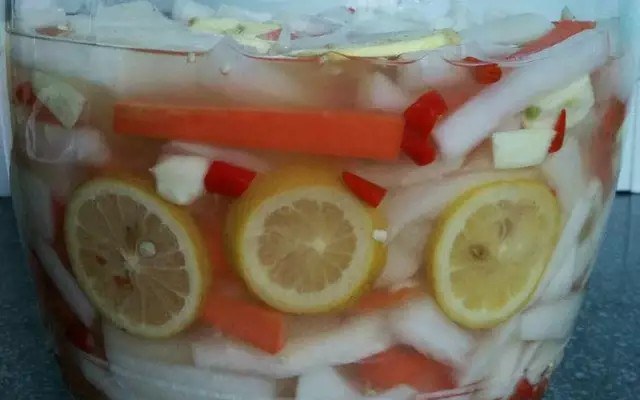
Instructions
-
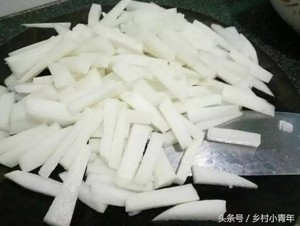
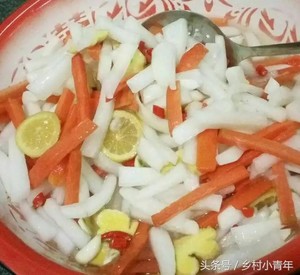
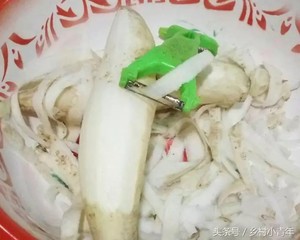 Peel the daikon and carrots, rinse, and cut into finger-thick strips about 1.5 cm × 6 cm — uniform strips pickle evenly; thicker ones simply need a few more days.
-
 Toss the strips with the salt in a large bowl, massaging and squeezing for 1–2 minutes until every piece glistens with brine.
-
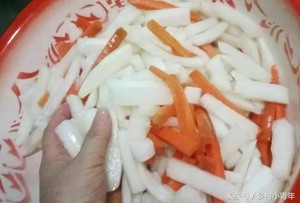 Let them sit at room temperature for 2 hours, tossing once halfway. The salt draws out a surprising amount of water — that is what keeps the final pickle crunchy.
-
 Drain the strips in a colander set over a bowl and reserve every drop of the salty liquid that collects — do not rinse the strips and do not discard the brine; it goes back into the pickle.
-
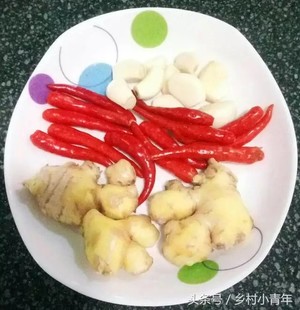
 Slice the ginger and garlic thin and cut the chilies into rings.
-
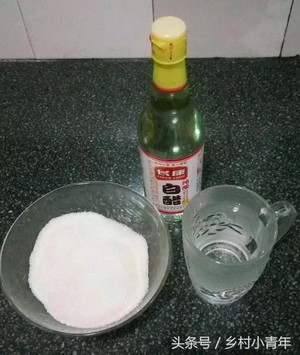
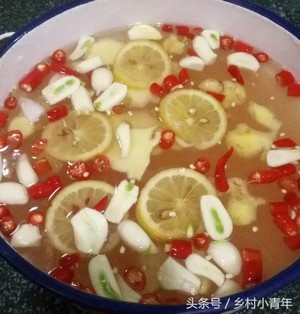
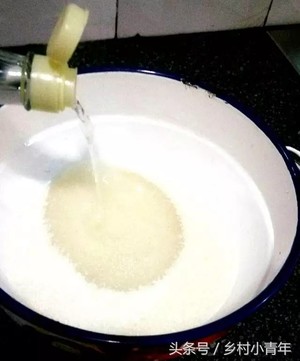 In a clean bowl, stir the sugar into the vinegar and cooled boiled water until completely dissolved, then add the ginger, garlic and chilies.
-
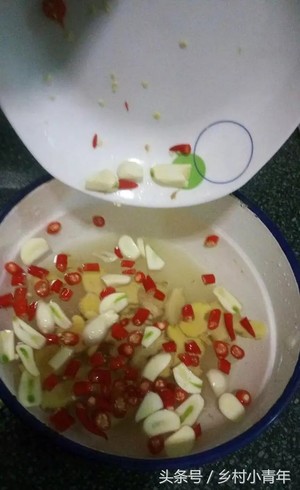 Pour the reserved radish brine into the seasoning liquid and add the lemon slices — the lemon rounds off the radish's peppery bite and the old brine carries gentle fermentation tang and seasoning.
-
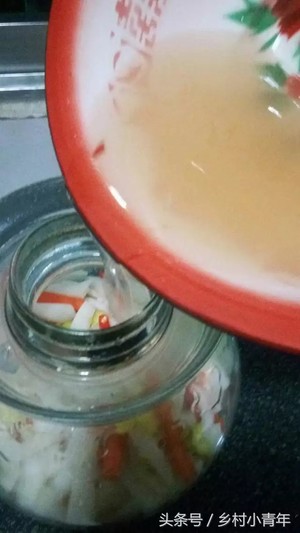
 Pack the radish strips into clean glass jars and pour the brine over them, pressing the strips down so they sit fully submerged.
-
 Seal the jars and keep them in a cool, dark spot for 3–5 days, turning each jar over (or shaking it) twice during that time so the top strips get their share of brine.
-
 The pickle is ready when the strips turn translucent amber and taste sweet, sour and snappy. Once opened, refrigerate and finish the jar within a month.
Why this recipe works
Great Chinese sweet-sour pickles are built in two separate stages, and both are doing scientific work here.
1. Salt first, sugar later. Two hours with 25 g of salt pulls water out of the radish cells through osmosis, collapsing just enough cell structure to let flavor in later — while the vegetable's own pectin keeps the snap. Salt first also means the final brine seasons the strips from the inside instead of only around them.
2. A no-cook brine. The sugar dissolves in cold vinegar and water rather than being boiled, so the pickle stays raw, extra crisp and bright-tasting — closer to a Sichuan paocai than a soft refrigerator pickle. Cooled boiled water keeps the brine free of stray microbes without sterilizing the flavor away.
3. The returned brine. Pouring the salty radish liquid back into the seasoning mix is the old home-cook trick: it carries gentle fermentation tang and deep seasoning, so the pickle tastes like it has been alive for weeks when it has only been curing for days.
About the dish
When winter radishes flood Chinese markets, home cooks pickle them by the jarful — sweet-sour radish strips are a classic of the home pickle jar, sitting somewhere between a Sichuan pickle (paocai) and a quick refrigerator pickle. Families argue about the exact sugar-to-vinegar ratio the way Western families argue about pie crust, and every region adds its own signature: this one's is lemon, to take the raw edge off the daikon, plus a spoonful of the salted radish brine for depth.
The white-radish-with-carrot pairing has a folk reputation for being an odd couple — an old food-combining myth — but generations of pickle jars prove the combination works: carrot brings sweetness and color, daikon brings the crunch.
The salt cure is the step that matters most: it pulls out the raw edge and sets the crunch before the brine flavors anything. Rush it and the strips turn soft and faintly raw-tasting for weeks; done properly, three to five days in the jar is all it takes.
What to serve with it
Serve chilled in a small dish alongside congee, fried rice, or anything rich and braised — the acidity resets your palate between bites. They are also the fix for a dull lunchbox: a few strips next to leftovers make the whole container taste considered. Chop them finer and they fold into noodle bowls as a quick relish. And they are a bright counterpoint to heavy winter plates like red-braised pork, where one crunchy, sweet-sour bite clears the richness. Keep a jar of the pickled daikon and carrot mix cycling through the cold months — as one batch empties, salt the next.
Pro tips
- Use glass jars only — plastic absorbs vinegar and can leach into a brine that sits for weeks.
- The reserved salt brine is the author's secret weapon: it seasons the pickle from within and kick-starts the tangy edge. If it bothers you, replace it with the same volume of water plus an extra ¼ tsp salt.
- Bird's eye chilies go in whole-and-ringed but unseeded — you get perfume and a slow build of heat; remove them after day 3 if serving to kids.
- Lemon is what kills the raw radish bite; don't skip it even if you use bottled juice.
- Always fish pickles out with a clean fork — introducing crumbs or saliva starts real spoilage.
Storage & leftovers
- After the 3–5 day cure, refrigerate the jars; they keep about 1 month with clean utensils.
- Keep the strips submerged under the brine at all times — exposed strips dry out and spoil first.
- If the liquid ever turns murky with fuzzy mold or smells off (not just sour), discard the whole jar; a slight cloudy brine is normal.
Frequently asked questions
How long until the pickled radish is ready?
3–5 days at cool room temperature, depending on strip thickness. Thin strips can taste ready at day 3; thick ones take the full 5. Refrigerate after that.
Can I eat them sooner, like overnight?
You can, but they will taste salty and sharp — the 3–5 day cure is when the sugar-vinegar balance settles and the crunch mellows into that addictive snap.
Is it safe to pour the salted radish water back into the brine?
Yes — it is just salt and radish juice, and it has been the traditional step in this family recipe. If you prefer a safety margin, the swap in the tips costs almost nothing in flavor.
Why did my pickle turn soft?
The strips were cut too thin and over-cured, the radish was old and spongy to begin with, or the strips floated above the brine. Keep everything submerged and use firm, heavy radishes.
Can I reduce the sugar?
By up to a third without problems — the pickle will be sharper. Below that, treat it as a quick pickle and keep it refrigerated from day one.
What do I eat these with?
Everything: congee breakfasts, rice porridge, roast meats, fried rice, or straight from the jar. They act like a crisp, palate-cleansing side for any rich dish.
How long do pickled radishes last in the fridge?
About a month after the 3-5 day cure, refrigerated — provided you always fish them out with a clean fork and keep the strips submerged under the brine. Cloudy brine is normal; murky liquid with fuzz or an off smell means discard the jar.