Cantonese · Cold Dishes & Salads
White Cut Chicken Master Guide (白切鸡)
Cantonese white cut chicken the purist way: salted shrimp-eye water, the dousing technique, an ice shock for snappy skin, and three classic dipping sauces.
Instructions
-
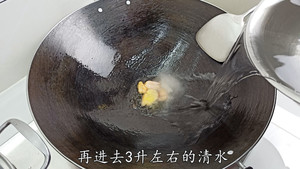 Build the ice-bath base first: render the chicken fat in a saucepan over medium-low heat for 3–4 minutes until it melts and turns clear (if using neutral oil, just warm it). Add the ginger slices and shallot halves, stir for 30 seconds until fragrant, then pour in 12 cups water and 1 Tbsp salt. Bring to a boil, turn off the heat, and cool as fast as you can — an ice bath around the pot, or 20 minutes in the freezer. This becomes your flavored ice bath.
-
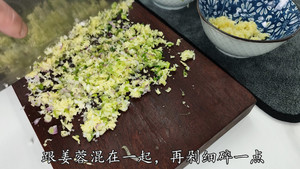
 Grate the ginger for the sauces: grate all 100 g of peeled ginger on the fine holes of a box grater, then squeeze the pulp firmly in your fist or a strainer to press out most of the juice — this removes the harsh bite while keeping the aroma. Divide the dry pulp between two small heatproof bowls.
-
 Make the ginger-scallion oil base: add the chopped scallion whites and ½ tsp salt to the first bowl of ginger pulp and mince everything together a few more times with the knife. Leave it in the bowl, heaped and ready for hot oil.
-
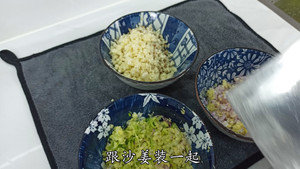
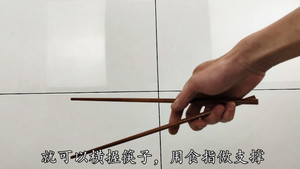 Make the sand ginger-garlic base: mince the sand ginger and garlic together, put them in the second heatproof bowl with ½ tsp salt, and divide the mixture in half within the bowl — half will be fried, half will stay raw.
-
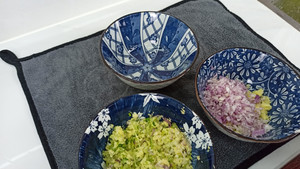
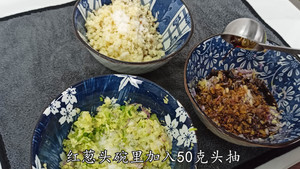
 Make the cilantro-ginger soy base: add the minced shallots and the reserved ginger pulp to a third bowl and pour the light soy sauce over. No salt needed — the soy sauce seasons it. Chop the cilantro and hold it aside for the end.
-
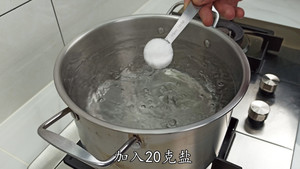
 Set up the poaching pot: bring 16 cups of water and 4 tsp salt to a boil in a tall stockpot, then lower the heat until the surface just trembles with small bubbles — the Chinese call this shrimp-eye water, roughly 185°F (85°C), steamy but never rolling.
-
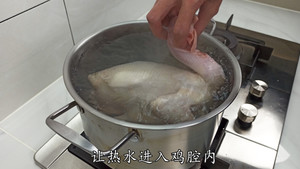
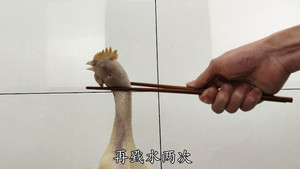
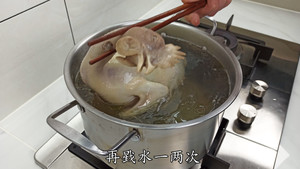
 Douse the bird: hold the chicken by the head (or with tongs gripping the wing joints), lower it into the water for 5 seconds so hot water floods the cavity, then lift and let the cavity drain completely. Repeat this fill-and-drain 3 times. This equalizes the temperature inside and out so the breast and thigh finish together.
-
 Submerge the chicken fully in the shrimp-eye water, cavity flooded. After 5 minutes the water will have cooled from the bird's chill — bring it back to the trembling point, douse the bird 2 more times, then turn the heat off completely and leave the pot uncovered.
-
 Steep for 25 minutes total from when the heat went off, keeping the bird fully submerged. For food safety, check at 20 minutes: the thickest part of the thigh near the bone should read at least 165°F (74°C) and the juices should run clear or barely blush. If not, return the water to a bare simmer for 5 minutes and check again.
-
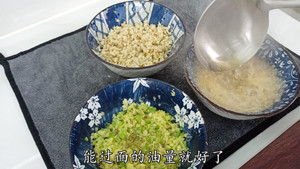 Finish the sauces while the bird steeps. Pour 3 Tbsp of smoking-hot peanut oil over the ginger-scallion bowl — it should sizzle violently and come just above the level of the paste. Pour 2 Tbsp hot oil over the shallot-ginger-soy bowl the same way, then stir in the cilantro.
-
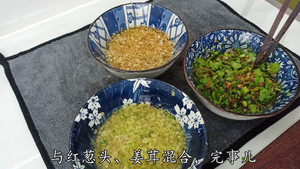 Finish the sand ginger oil: heat 3 Tbsp peanut oil in a small pan over low heat, fry HALF of the sand ginger-garlic mince for 1–2 minutes until it smells toasty and just turns golden, then stir it back into the raw half. Half-raw, half-fried is the layered aroma trick.
-
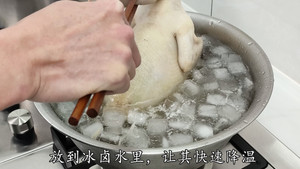
 Shock the bird: lift it from the pot, drain the cavity, and lower it into the chilled ice bath. Soak 15–20 minutes, spooning the ice water over it now and then. This stops the carryover cooking, tightens the skin into its signature snappy texture, and locks in moisture.
-
 Dry and shine: lift the bird out, pat it dry all over with paper towels (or hang it briefly if you have a hook), then rub the skin with 1 Tbsp neutral or sesame oil until it gleams.
-
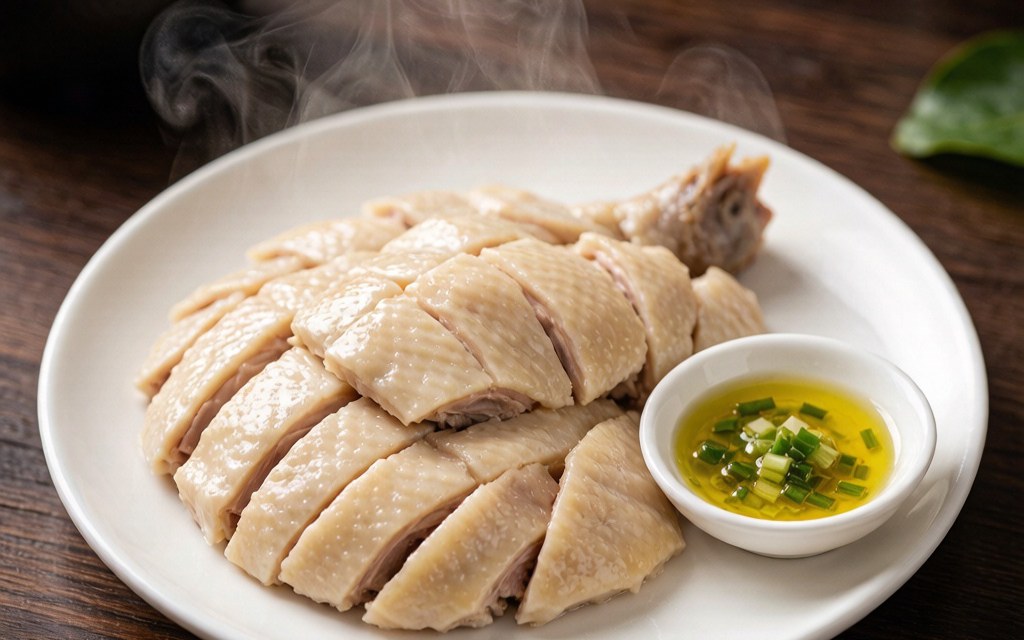
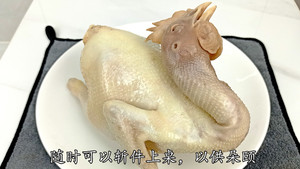 Carve and serve: cut off the legs and wings at the joints, then slice the breast meat crosswise and chop the rest through the bone into bite pieces — Cantonese style, skin side up, each piece showing skin wrapped over flesh. Serve at room temperature with all three sauces alongside.
Why this recipe works
White cut chicken is the ultimate test of restraint: no braising sauce, no marinade — just a bird, water, and temperature control. Four techniques carry it.
1. Salted water at about 0.5%. The original recipe's author talks about making the poaching water close to an isotonic solution — lightly salted so the bird's own juices stay inside instead of migrating out into the pot. Whatever the exact science, the result is measurable: meat steeped in properly salted water stays noticeably juicier, and the skin seasons through. Ginger and scallion stay out of the pot on principle — their flavors would fight the chicken's.
2. Shrimp-eye water and dousing. The water trembles at around 185°F (85°C), never boils. Gentle heat is what keeps the muscle fibers from clenching. The dousing — flooding the cavity with hot water and draining it, five times over the course of the cook — equalizes the one part of the bird that otherwise stays an insulated pocket of cold air, so breast and thigh finish together.
3. The ice shock. Moving the bird from hot water straight into an ice bath stops the cooking instantly and contracts the skin — the difference between the famous snappy, slippery skin and a soft, flabby one.
4. Half-fried sand ginger. Frying half the sand ginger-garlic paste until golden, then folding it into the raw half, stacks toasted aroma on top of sharp freshness in one sauce.
About the dish
White cut chicken (白切鸡) — the name means plainly boiled and plainly cut — is the most honored chicken dish in Cantonese cooking, served everywhere from weeknight dinners to wedding banquets, and obligatory at festivals. The whole philosophy is in the color: the bird is cooked in water kept deliberately plain so it stays white, and all the flavor drama is delegated to dipping sauces at the table.
This version follows the purist school: salted water, no aromatics, shrimp-eye heat, dousing, and an ice shock, ending with the skin polished with a film of oil. Alongside it come the three sauces every Cantonese household argues about — classic ginger-scallion oil, the sand ginger version that connoisseurs quietly prefer, and a cilantro-ginger soy that goes with everything. The old connoisseur's standard prized pink at the bone; modern kitchens can keep the texture and skip the risk by checking temperature instead.
What to serve with it
Carve the bird onto a platter with all three sauces in small dishes, and put plain steamed rice from the rice page alongside — the ginger-scallion oil spooned over rice is half the pleasure. A bright pickle or cold dish like smashed cucumber keeps the meal in the same cool register, and If carving a whole poached chicken feels daunting, a sharp cleaver and confident, decisive strokes matter more than speed — and any ragged pieces are quietly the cook's share. The reserved poaching broth makes an instant light soup to finish.
Pro tips
- The plain, salted poaching water is deliberate. Cantonese purists keep ginger and scallion out of the pot — ginger fights the chicken's own flavor and scallion dulls the skin's pale color — so all you taste is bird. The 0.5% salt level limits the juices leaking out as it cooks.
- Never let the poaching water boil. A rolling boil tightens the outer muscle into rubber before heat reaches the bone; the trembling shrimp-eye stage is slow enough to cook the meat silky all the way through.
- The dousing (filling the cavity with hot water and draining it, 3 times at the start and 2 more later) looks theatrical but solves a real problem: a chicken's cavity is an insulating air pocket, and equalizing it is how breast and thigh finish at the same time.
- Buy the smallest bird you can find. Small, young chickens cook more evenly — a bird over 4 lb (1.8 kg) almost always ends up with overcooked breast by the time the thigh is done.
- The ice bath does more than stop cooking: plunging hot skin into cold water contracts it, which is exactly what gives white cut chicken its firm, slippery bite instead of a flabby one.
- Split-frying the sand ginger paste (half raw, half golden-fried) costs one minute and adds a whole second layer of aroma to the dipping sauce — the same trick works for garlic in any cold-dish sauce.
Storage & leftovers
- Keep the whole bird, unwrapped from plastic and loosely covered, up to 2 days in the refrigerator; carve only what you eat, when you eat it.
- The three dipping sauces keep 3 days refrigerated in sealed jars. The ginger-scallion oil firms up when cold — set it out 20 minutes before serving.
- Freezing is not recommended: poached chicken skin loses its snap after thawing and the meat weeps water.
- Leftover carved meat dries out fast; if you reheat any, lay the pieces in a heatproof bowl, pour hot poaching broth over, and rest 2 minutes — never the microwave.
Frequently asked questions
What is sand ginger, and what can I substitute?
Sand ginger (sha jiang) is a dry, camphor-bright rhizome central to Cantonese cooking — it is what makes Hainanese chicken rice sauce taste the way it does. Fresh galangal is the closest substitute; if you can only find dried sand ginger powder, use 2 tsp in place of the fresh, mixing it with the garlic and a little water before splitting raw and fried.
Is pink meat near the bone safe?
Traditional standards for white cut chicken actually prize a rosy tinge at the thigh bone. Our recipe steeps the bird until the thigh reads 165°F (74°C), which is the modern food-safe point — if the temperature is reached, a faint pinkness at the bone is normal marrow color, not undercooked meat.
Can I skip the ice bath?
You can stand the bird in a sink of very cold water for the same time, but the texture suffers: the ice-cold shock is what snaps the skin tight. Without it the chicken is still delicious, just softer-skinned.
What if I can't get chicken fat?
Any neutral oil works for the ice-bath base — the fat is a bonus, adding a faint chicken aroma to the chilling liquid. Save skin trimmings rendered in a pan next time; they keep a month in the freezer.
Can I make this ahead?
Yes — that is the point of the dish. The whole bird keeps 2 days refrigerated and is meant to be eaten cool or at room temperature; carve just before serving so the pieces don't dry. The three sauces keep 3 days refrigerated.
What do I do with the leftover poaching water?
You now have about 4 liters of lightly salted chicken stock. Skim it, boil it up with sliced mushrooms or greens for a soup, or cook rice in it — nothing that fragrant should go down the drain.
Why did the skin turn rubbery or flabby?
Two usual causes. Water at a rolling boil clenches the meat and skin — white cut chicken wants a bare simmer throughout. And if the bird skipped its ice bath, the skin never sets: the shock from hot water into ice is what produces the snappy skin; without it you get a soft, flabby surface.