Japanese-Chinese home style · Noodles
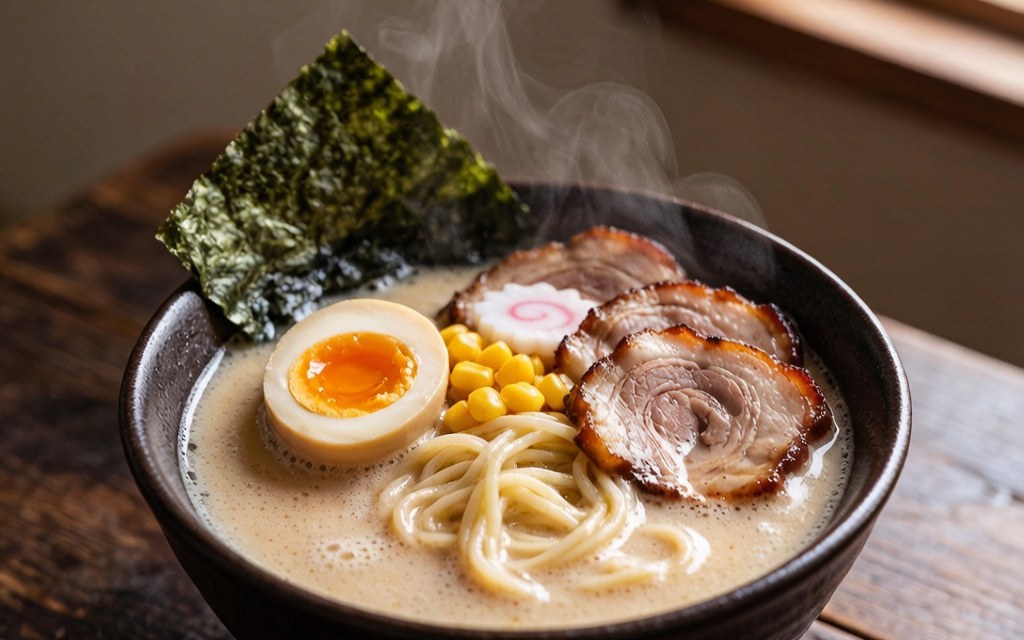
Tonkotsu Char Siu Ramen (豚骨浓汤叉烧拉面)
Homemade tonkotsu ramen: rolled char siu, milky pork bone broth, chewy alkaline noodles, marinated soft eggs and garlic oil — a weekend project that pays off.
Instructions
-
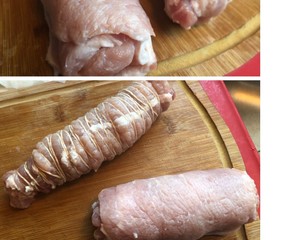
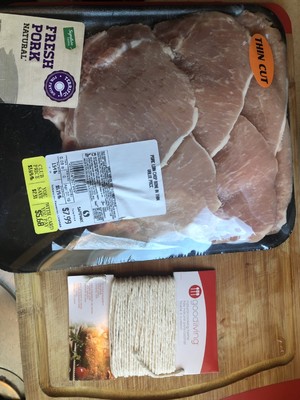 Day 1, make the char siu roll: trim the pork belly into a rough rectangle and slice it horizontally through the middle if thicker than 1.5 inches, so you get two thinner slabs. Roll each slab tightly along the long side and tie firmly with kitchen twine at both ends, looping string around the roll twice as you go.
-
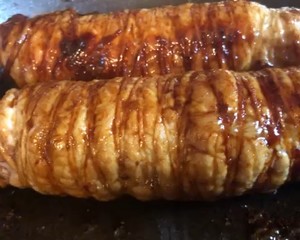
 Caramelize the sugar: put the rock sugar and 2 Tbsp water in a wide pan over medium heat and let it melt undisturbed until deep amber, then roll the pork in it, turning until every side and both ends are golden brown, 5 to 6 minutes total.
-
 Add the soy sauce, miso, sake, kombu, bonito flakes, onion, scallions and ginger to the pan with the pork, pour in water to cover, bring to a boil, skim the foam, then simmer covered on the lowest heat for 2 hours, turning the roll once halfway.
-
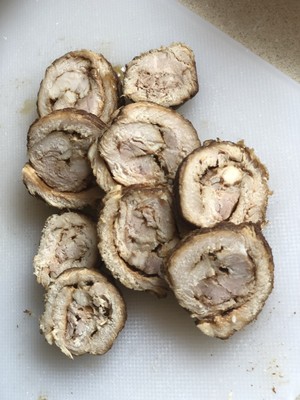
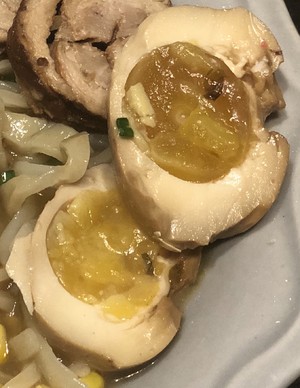 Cool the char siu in its liquid, then wrap and refrigerate at least 4 hours (1 hour in the freezer if you are in a hurry) so it slices cleanly. Reserve the braising liquid — you will use it for the eggs and the ramen bowls.
-
 Soft-boil the eggs: prick the fat end of each egg with a pin, lower them into water just steaming (about 85°C/185°F), and once the water returns to a rolling boil cook exactly 5 minutes, then lid off the heat and rest 2 minutes. Chill in ice water, peel, and soak in the cooled char siu braising liquid for at least 3 hours, ideally overnight.
-
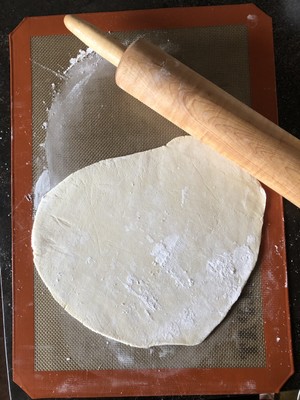 Make the noodle dough: dissolve the baking soda and salt in the water. Mix the flour and tapioca starch, add the liquid gradually and stir into shaggy flakes — it must stay dry and crumbly, drier than a dumpling dough, or the noodles will be soft and stick together. Knead briefly into a stiff dough, divide into 3 pieces, cover and rest 40 minutes.
-
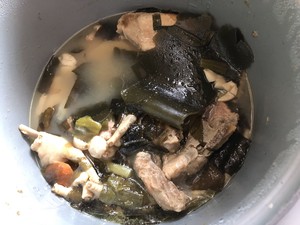
 Start the broth: blanch the pork bones and chicken carcasses in plenty of cold water with 2 garlic cloves, 3 ginger slices, 1 scallion and 1 Tbsp sake; once it boils, hold 5 minutes, then scrub the bones clean under running water. Return them to the pot with 6 cups fresh water, the kombu, garlic, ginger, scallions and remaining sake.
-
 Bring the broth to a boil, add the white vinegar (it helps dissolve the minerals and fat into the liquid), then reduce to the barest simmer and cook 4 hours, skimming foam and topping up with hot water so the bones stay covered. The soup should end up pale and creamy. Strain and season lightly with salt.
-
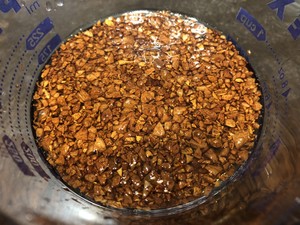 While the broth simmers, make the garlic oil: combine both oils, the minced garlic, ginger and bay leaves in a small pot, and fry on the lowest heat, stirring now and then, for 1.5 to 3 hours, until the garlic turns deep amber-brown but not black. Cool in the oil; it keeps for weeks.
-
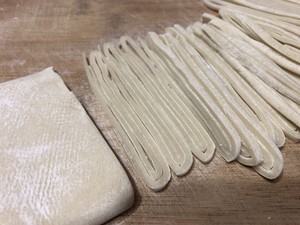
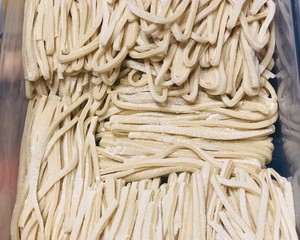
 Roll and cut the noodles: run each dough piece through a pasta machine from the widest to the second-thinnest setting, dusting with tapioca starch, then cut into strands about as thick as linguine. By hand, roll the dough as thin as you can, dust generously, fold, and slice with a sharp knife. Toss the cut noodles with a little starch and refrigerate up to 1 week.
-
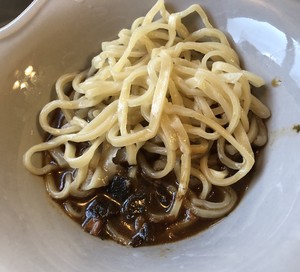 Cook the noodles in well-salted boiling water for about 3 minutes — less time for chewier noodles — then shock them in ice water for 30 seconds and drain well. This is why you made them dry: they hold their bounce.
-
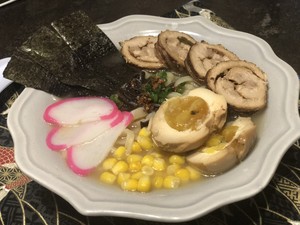 Assemble: in each warmed bowl, put 1/4 tsp salt, 1/4 tsp chicken bouillon powder, 1 Tbsp sliced scallion and 3 Tbsp char siu braising liquid. Add noodles, arrange sliced char siu (cut thick, about 1 cm), a halved marinated egg, nori, corn, wood ears and fish cake, then pour over the boiling broth — it reheats the cold toppings to exactly eating temperature. Finish with 1 tsp garlic oil per bowl.
Why this recipe works
This is a two-day project, but every piece of it is easy — the recipe simply runs several slow processes in parallel, the way ramen shops do.
1. Caramel before braise. Japanese chashu usually relies on soy and mirin for color. Here the pork roll goes through hot caramel first, which lacquers the outside with toasty, slightly bitter notes you cannot get from sugar dissolved in liquid. That browning carries through the whole braise and into the broth you splash into each bowl later.
2. A deliberately dry noodle dough. Home noodle failures are almost always wet doughs: soft, sticky, and mushy after boiling. This dough holds back water on purpose — it feels too dry at first, rests for 40 minutes, and rolls out like leather. The tapioca starch adds slip and a gentle chew, and the alkaline water (baking soda, ideally toasted) is what makes the strands yellow, springy and distinctively ramen-like.
3. Vinegar in the broth. A spoonful of white vinegar at the boil sounds odd, but acid unlocks minerals and collagen from the bones, pushing the soup toward that opaque, creamy state faster. Combined with a bare simmer and patient skimming, you get a milky, savory broth at home scale — no 12-hour commitment, no pressure cooker needed.
About the dish
Chashu, the rolled, braised pork that tops Japanese ramen, is itself the Japanese adaptation of Chinese char siu (叉烧): where Cantonese cooks roast strips of marinated pork, Japanese kitchens roll the belly, tie it, and simmer it in soy and sake, which is why the two share a name. Tonkotsu broth comes from Kyushu, where shops famously boil pork bones for half a day until the soup turns white as cream.
This version is an honest home cook's route: one afternoon of simmering instead of twelve hours, a slow-fried garlic oil standing in for the professional mayu, and noodles rolled in a home kitchen. It is not trying to beat a ramen shop — it is trying to convince you that a bowl this deep is actually reachable on your own stove, spread across a weekend. If twelve-hour tonkotsu recipes have scared you off, this is how to make tonkotsu broth faster: cracked bones, a hard first boil and a spoonful of vinegar to pull the collagen out.
What to serve with it
This bowl is a full meal; add little. A few pan-fried dumplings or a cool, crunchy smashed cucumber salad are the classic sides, and a pot of hot jasmine tea keeps the richness in check. If you have leftover broth, it makes an excellent base for a quick noodle soup all week — and no side of rice is needed, whatever anyone tells you. Have a few spare eggs? The leftover braising liquid is the best ramen egg marinade you could mix — just slide the peeled eggs in overnight.
Pro tips
- Bake the baking soda spread on a foil-lined tray at 250°F (120°C) for 1 hour first: it converts to true alkaline kansui and gives ramen noodles their characteristic yellow color and springy bite. Ordinary baking soda works but is milder.
- If the noodle dough will not come together, resist adding water. Gather and press it with the heel of your hand; a stiff, almost crumbly dough is exactly what you want, and the 40-minute rest makes it rollable.
- The braising liquid is doing triple duty: it marinates the eggs, seasons each bowl base and glues the whole bowl together, so do not discard it. It also freezes well.
- Freeze the chilled char siu roll for 1 hour before slicing — the firmer the roll, the thinner and cleaner the slices.
- Do not let the broth boil hard after the first minutes; a lazy bubble emulsifies fat into the soup, a rolling boil can make it greasy and cloudy-gray.
- Garlic oil turns bitter if the garlic goes black. Pull it when the garlic is deep mahogany and still glossy; it will darken a little more as it cools.
Storage & leftovers
- Refrigerate char siu in its braising liquid for up to 5 days; slice only what you need.
- Broth keeps 3 days refrigerated (a layer of fat on top protects it) or 3 months frozen in quart containers.
- Marinated eggs are best within 3 days — the whites firm up and get rubbery after that.
- Uncooked fresh noodles keep 1 week refrigerated if well dusted with starch; do not freeze raw dough, it cracks when rolled.
Frequently asked questions
Can I skip making noodles from scratch?
Yes. Buy fresh alkaline (kanzen) ramen noodles or Chinese fresh egg noodles and skip the flour section entirely — the broth and char siu are the heart of this recipe. Cook them 1 to 2 minutes and keep the ice-water shock.
I cannot find kombu or bonito flakes. What now?
Use 1 sheet of toasted nori crumbled into the braising liquid plus 1 tsp fish sauce, or simply omit them and add 1 extra Tbsp soy sauce to the braising pot. The ramen will be more Chinese-style but still delicious.
Why is my broth gray instead of milky white?
Milky broth needs bones cracked open to expose marrow, a hard initial boil to emulsify fat and protein, and enough time. Give it the full 4 hours, keep the bones covered, and make sure you added the vinegar.
How far ahead can I make each part?
Everything improves with a night's rest: char siu and its liquid keep 5 days refrigerated, eggs up to 3 days in the liquid, broth 3 days or frozen, garlic oil weeks, and the dry fresh noodles up to 1 week in the fridge.
My noodles stuck together in the fridge. What went wrong?
The dough was too wet, or they were not dusted enough. Cooked-from-dry noodles separate easily; if yours clump, dust the bundle with starch, shake off the excess, and store them loosely coiled, not packed.
How do I steam or serve this without a ramen bowl setup?
Any wide, preheated cereal bowl works. Warm it with hot tap water first so the broth does not cool instantly, and eat as soon as assembled — ramen waits for no one.
What is the difference between chashu and Chinese char siu?
Same word, two dishes. Chinese char siu is strips of pork roasted in a sweet marinade; Japanese chashu is a pork belly roll tied and simmered in soy and sake, then sliced for ramen. This recipe makes the Japanese-style roll.