Chinese home style · Noodles
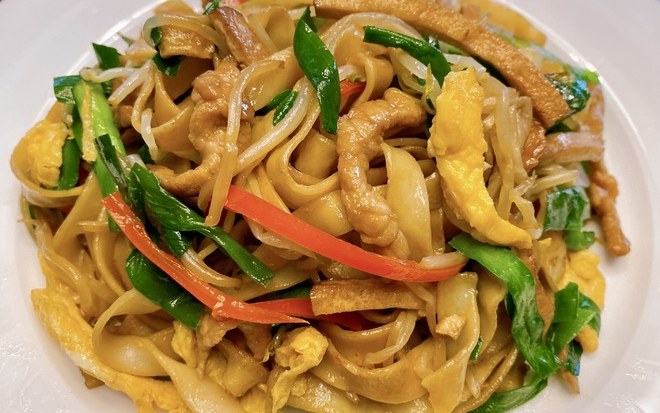
House-Style Mixed Chow Mein (家常什锦炒面)
A lighter, veggie-packed chow mein: noodles, pork, egg, bean sprouts, pressed tofu and chives, all pre-measured so the stir-fry takes ten calm minutes.
Instructions
-
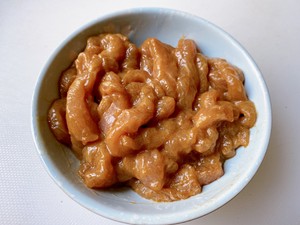
 Marinate the pork: toss the shreds with the cornstarch, oyster sauce, light soy sauce, Shaoxing wine and 1 tsp oil, massaging until the meat absorbs everything. Rest for 10 minutes.
-
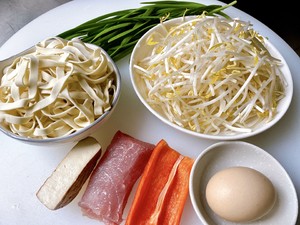
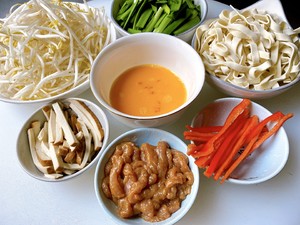
 Meanwhile prep the vegetables: pinch the root ends off the bean sprouts and rinse, cut the pressed tofu and red pepper into fine shreds, cut the chives into 4 cm (1½ inch) pieces, and beat the egg.
-
 Mix the stir-fry sauce in a small bowl: light soy sauce, oyster sauce, Shaoxing wine and — only if you know you like it salty — the ¼ tsp salt. The soy and oyster sauce are usually salty enough on their own.
-
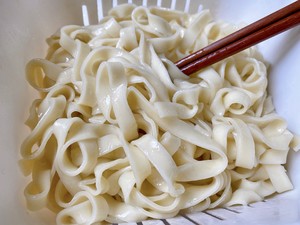 Blanch the noodles in a pot of boiling water until just shy of done — a strand bent over your fingertip should bend without snapping and keep a slight chew at the core (about 90 seconds for fresh noodles; dried varies by thickness, so taste).
-
 Drain, rinse under cold water until cool, drain again very well, and toss with 1 tsp of the oil so the strands stay separate.
-
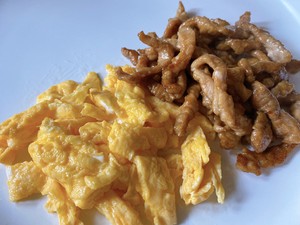
 Heat 1 Tbsp oil in a wok over medium heat, pour in the egg, and scramble until just set — 20–30 seconds — then slide it out. Add the pork shreds to the same wok and stir until they turn pale and no pink remains, about 1 minute; remove them with the egg.
-
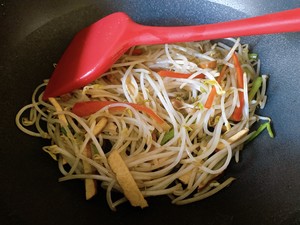
 Add another Tbsp of oil. Fry the pressed tofu for 30 seconds, add the chive stems and toss, then add the bean sprouts and red pepper. Splash in about half the sauce, toss over high heat for 1 minute — the sprouts should still snap — and remove everything to a plate.
-
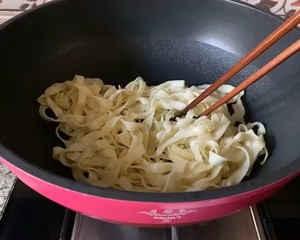
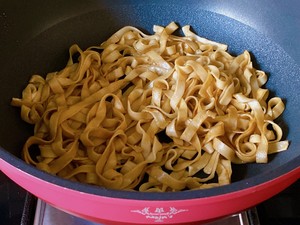 Wipe the wok, heat the last Tbsp of oil over medium-high, and add the noodles. Lift and loosen them with chopsticks or tongs rather than pressing down.
-
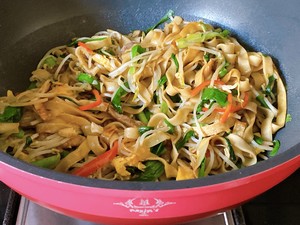 Add the remaining sauce in two or three additions, tossing between each, until the strands are evenly amber and glossy, about 2 minutes.
-
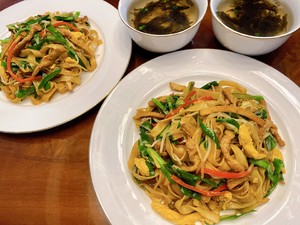 Return the egg, pork and vegetables, add the chive greens, and toss for 30–60 seconds, until everything is hot and evenly combined. Serve immediately.
Why this recipe works
Most home chow mein disappoints in the same two ways: clumped noodles and a puddle of oil at the bottom of the bowl. This recipe attacks both by sequencing, not by special equipment.
1. Cook the noodles to 80 percent. Blanching leaves a firm core and a little chew; the cold rinse stops the carryover cooking and washes off the starch that makes strands weld together. A teaspoon of oil coats them so they stay separate while you cook everything else.
2. Mix the sauce before the heat goes on. The author's rule is worth stealing: measure the soy sauce, oyster sauce and wine into one bowl. Seasoning from bottles mid-stir-fry is how beginners burn pans and oversalt food; from a bowl it takes one pour and lands evenly.
3. Fry components separately, marry them at the end. Egg, pork and bean sprouts each need a different amount of heat and time. Cooking them solo means snappy sprouts, tender pork and soft egg — all of it folded back into the noodles in the final 60 seconds.
About the dish
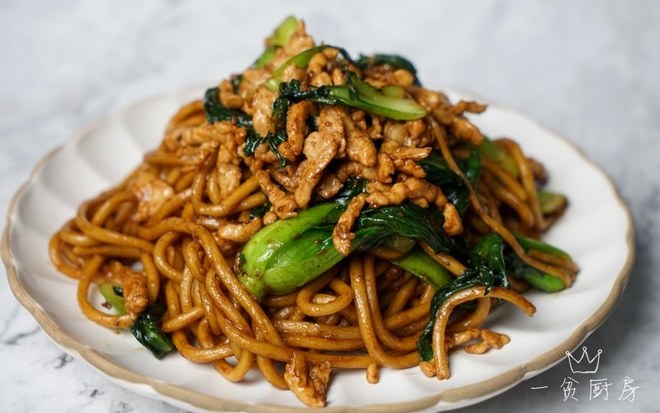
Chow mein (炒面) simply means "fried noodles", and every Chinese household has a version like this one — less a recipe than a fridge audit. What makes it house style rather than takeout is the balance: half the bowl is vegetables and pressed tofu, the pork is a garnish rather than a mountain, and the oil is measured in tablespoons, not poured. Pressed dried tofu and Chinese chives are the classic pairing here; the tofu brings a springy chew, the chives a garlicky green note that survives high heat. The original cook built the plate around one idea worth repeating: color, aroma, flavor and nutrition in the same bowl — protein, greens and carbs without the greasy aftermath that gives restaurant chow mein a bad name.
What to serve with it
This bowl is a complete meal by design — protein, vegetables and starch in one pan. That said, a quick smashed cucumber salad adds a vinegary crunch, and a light seaweed or egg-drop soup stretches it into dinner for guests. If the table grows, a plate of sweet and sour pork makes it a proper Chinese dinner night. Measured pork, half a bowl of vegetables, one pan — this is also chow mein in a frying pan, no wok required. Hot tea, always.
Pro tips
- Pre-mixing the sauce is the recipe's quiet genius: stir-frying is fast, and measuring soy sauce from a bottle over a hot wok is how beginners burn things and oversalt. One bowl, one pour.
- Season in two stages — half the sauce on the vegetables, the rest on the noodles — so everything is seasoned from within rather than sitting in a puddle at the bottom of the bowl.
- Use chopsticks or tongs, not a heavy spatula, on the noodles: lifting separates the strands, pressing mashes them into a cake.
- The wok should be hot enough that the noodles sizzle on contact; if they sit quietly, the heat is too low and they will drink oil instead of frying.
- Bean sprouts go in last and leave fast — under a minute — or they weep water and everything steams instead of frying.
- Good nonstick or well-seasoned carbon steel is why this version needs only 50 ml of oil; with a clingy pan, add oil 1 tsp at a time rather than doubling it.
Storage & leftovers
- Refrigerate leftovers in a sealed container for up to 2 days.
- Reheat in a hot skillet for 2–3 minutes with a few drops of oil; a 90-second microwave blast also works, but the sprouts lose their snap.
- Freezing is not recommended — the noodles break down and the sprouts go limp when thawed.
- Blanched, oiled noodles keep covered in the fridge for up to 24 hours before the final stir-fry.
Frequently asked questions
Is this chow mein spicy?
No — it is a mild, soy-and-oyster-sauce dish. If you like heat, add ½ tsp chili flakes to the sauce bowl; the original cook notes you can season it numbing-and-spicy that way too.
What noodles work best?
Fresh wet noodles of any width are the classic choice. Dried ramen-style noodles also work: boil them 1 minute less than the package directs, then rinse cold as in step 5.
I cannot find Chinese chives or pressed dried tofu. Any substitutes?
Scallions replace the chives 1:1 (the original author says so herself), and extra-firm tofu, well patted dry, replaces the dried tofu. Sliced mushrooms are good in a pinch too.
Why did my noodles turn soggy?
Three usual causes: the noodles were boiled past just-shy-of-done, the bean sprouts cooked long enough to release water, or the pan was crowded and steamed instead of frying. Keep the sprouts in under a minute and the wok hot.
Can I prepare anything ahead?
Yes — marinate the pork, mix the sauce, blanch-rinse-and-oil the noodles, and cut all the vegetables up to a day ahead. The noodles keep, covered and oiled, in the fridge overnight; dinner is then 10 minutes from pan to table.
What makes this "house special" chow mein special?
Nothing official — every household and takeout counter has its own house version, and this is the Chinese home style: half the bowl vegetables and pressed tofu, pork as a garnish rather than a mountain, and everything cooked in measured tablespoons of oil.