Sichuan · Noodles
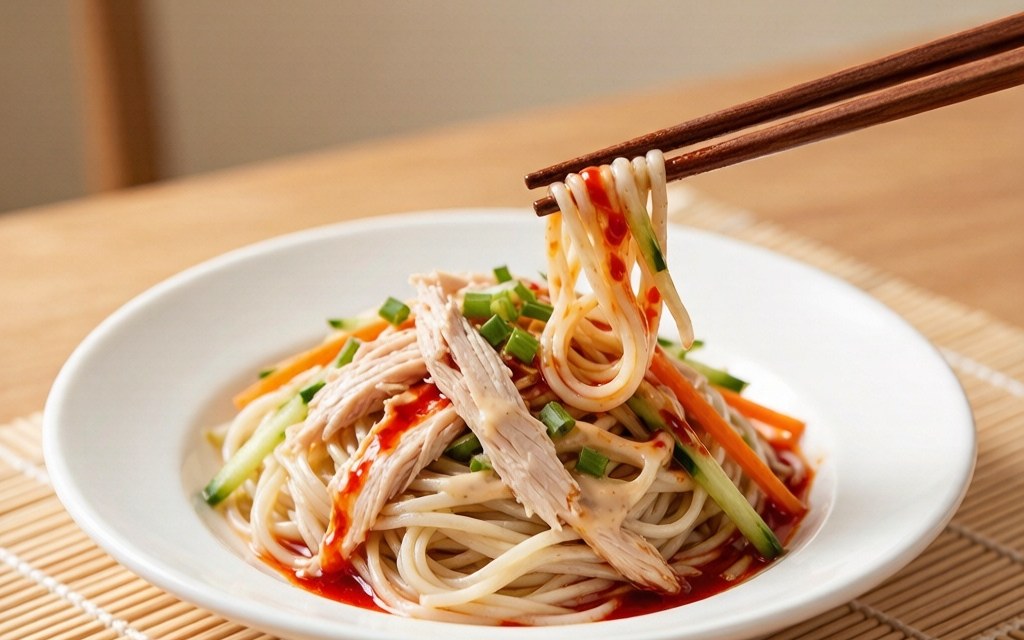
Sichuan Shredded Chicken Cold Noodles (鸡丝凉面)
Classic Sichuan cold noodles: hand-shredded poached chicken over chilled noodles with crisp cucumber and a creamy sesame-peanut, chili-oil sauce.
Instructions
-
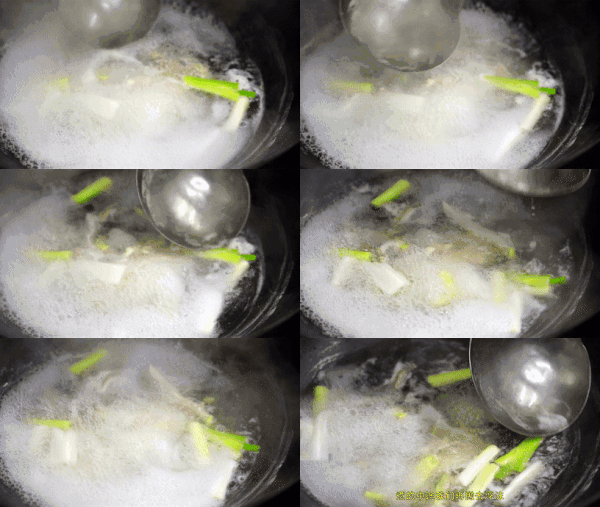
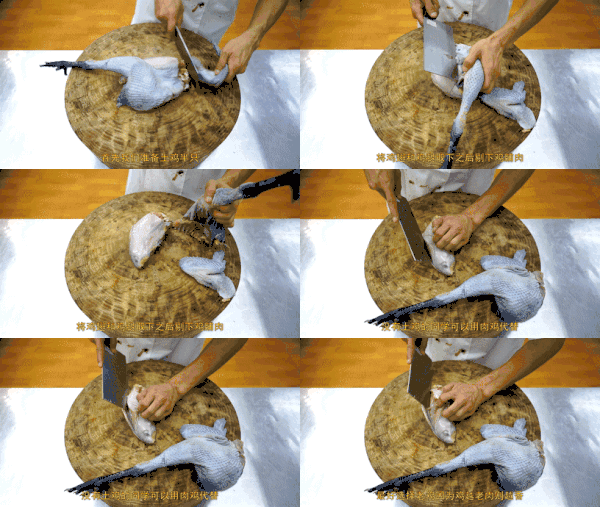 Poach the chicken: put the chicken in a pot and cover with cold water by 1 inch (2.5 cm). Add the smashed ginger, the scallion for the pot and the Shaoxing wine. Bring to a boil over high heat, skim off the gray foam, then lower to a bare simmer and poach for 10–12 minutes, until the thickest part reaches 165°F (74°C) and the juices run clear.
-
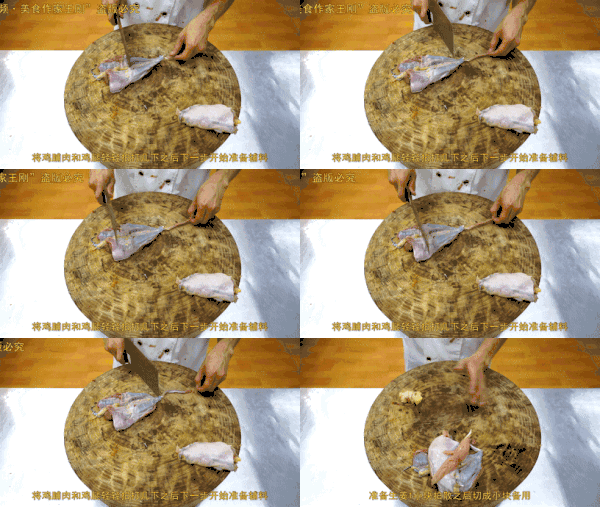 Transfer the chicken to a plate and let it cool completely — about 30 minutes at room temperature, or cover and refrigerate for up to 1 day. Cold chicken shreds into clean threads; warm chicken shreds mushy.
-
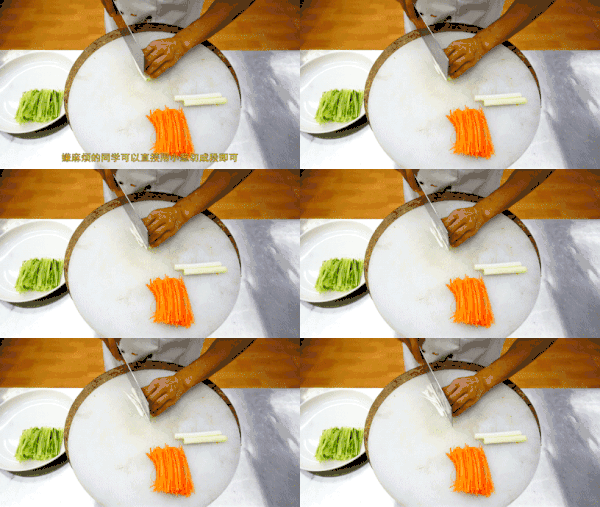
 While the chicken cools, cut the cucumber and carrot into fine matchstick shreds (the finer, the more delicate the bite) and the remaining scallion into fine shreds. Arrange them on a platter or divide between four shallow bowls.
-
 Make the sauce: whisk the peanut butter, soy sauce, black vinegar, Sichuan pepper oil, ground Sichuan pepper and 2 Tbsp water in a bowl. It will seize and look curdled at first — keep whisking, adding water 1 Tbsp at a time, until it turns smooth and falls off the spoon in a slow ribbon.
-
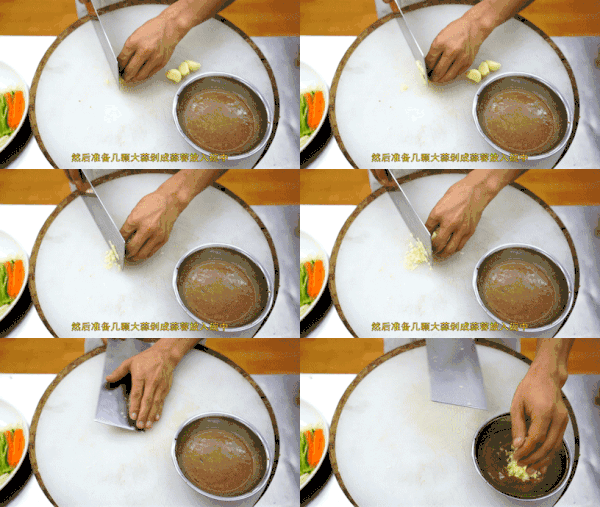
 Stir the minced garlic, sugar and chili oil into the sauce. It should taste savory and nutty first, gently sweet, then tingling-hot at the finish.
-
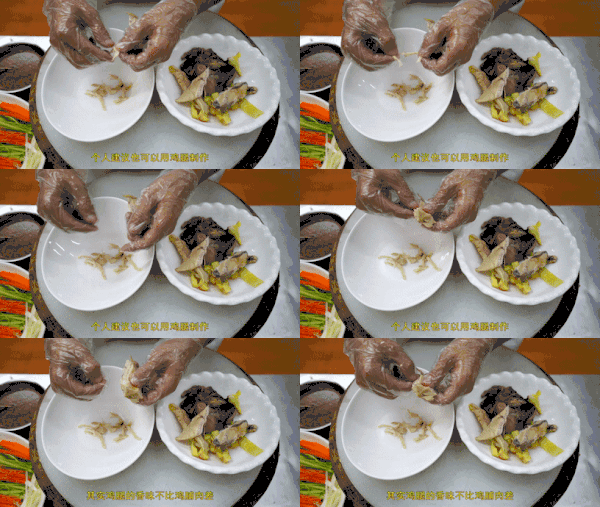
 Shred the cooled chicken along the grain into fine threads, pulling the fibers apart with your fingers or scraping them loose with a fork.
-
 Bring a large pot of water to a rolling boil. Add the noodles: fresh alkaline noodles need only 10–15 seconds after the water returns to a boil; dried alkaline noodles need 3–4 minutes. Either way, stop while they are chewy with no raw-flour taste — overcooked alkaline noodles turn mushy fast.
-
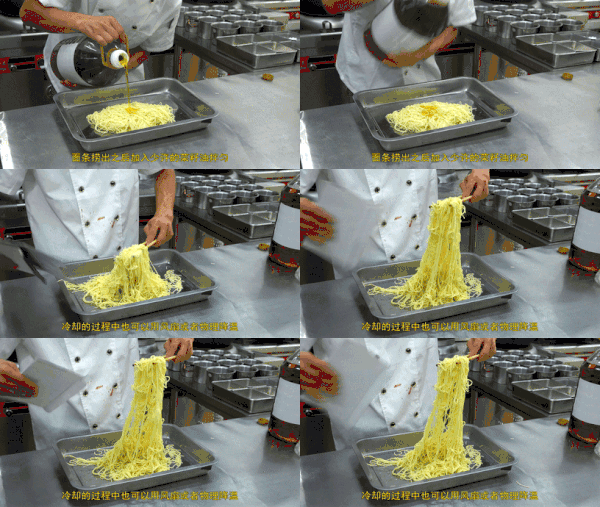 Drain the noodles, rinse them under cold running water until fully cool, then drain very well. Toss with the rapeseed oil so every strand is coated — this keeps them slick and separate. For extra springiness, fan them while they cool.
-
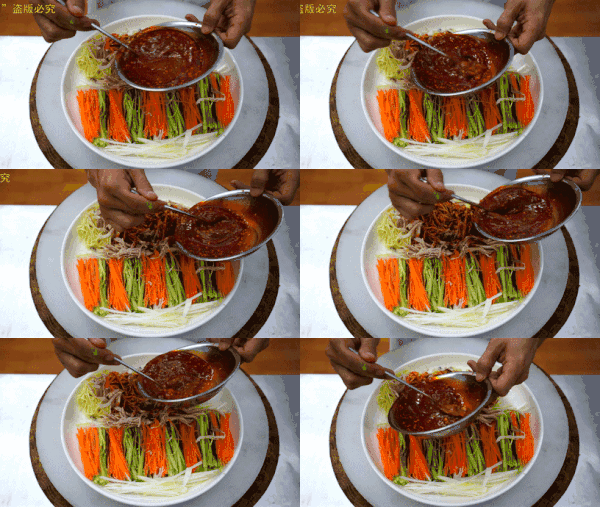 Nest the noodles over the vegetables, pile the chicken shreds on top, then pour the sauce over everything. Scatter the cilantro, toss it all together at the table, and eat immediately while the noodles are still cool and springy.
Why this recipe works
Cold noodles live or die on three details, and all of them are technique rather than effort.
1. Cold-start poaching. Chicken that starts in cold water heats gradually, so the muscle fibers contract slowly and hold their juice. Ten to twelve minutes at a bare simmer brings breasts to a safe 165°F (74°C) while keeping them tender enough to shred — the chicken here should never see a rolling boil.
2. Shredding with the grain. Instead of cutting, you pull the cooled meat apart along its natural fibers into fine threads. The rough, feathery surface this creates grabs onto sauce far better than a knife-cut slice ever could — that is why the chicken tastes seasoned in every bite rather than sitting on top of it. That is the same logic behind bang bang chicken — and why rotisserie chicken cold noodles work as a shortcut, since store-bought meat shreds just as well.
3. Whisking the sauce into an emulsion. Peanut butter and water refuse each other at first; whisked patiently with soy, vinegar and Sichuan pepper oil, they turn into a stable, creamy dressing that clings to slick noodles instead of pooling at the bottom of the bowl. The chili oil rides on that emulsion, so the heat spreads evenly. Rinse the noodles well and oil them, and every strand stays separate — the difference between a bowl that tosses and a bowl that clumps.
About the dish
Shredded chicken cold noodles (jī sī liáng miàn) are a fixture of Sichuan home kitchens and small noodle shops through the long, humid summer, when appetites shrink but the craving for chili does not. The formula is old in spirit: chilled noodles, cool protein and raw vegetables, held together by a sauce built on the Sichuan trio of fragrant fat, vinegar and numbing pepper.
What separates the classic version from the countless Western "sesame noodles" is balance. The peanut butter here plays the role of Chinese sesame or peanut paste — a rounded, quiet base — while black vinegar keeps it sharp, chili oil keeps it awake, and a whisper of ground Sichuan pepper numbs the lips at the finish. Everything is served cold or at room temperature, which is the point: a dish designed for the hottest days, assembled in minutes once the chicken is poached.
What to serve with it
Keep the rest of the table cool: a smashed cucumber salad from our cold dishes collection doubles down on the crunch, and a light soup from the soups page rounds out the meal with something warm but gentle. For a bigger spread, this bowl sits happily next to anything from our noodles index. It doubles as cold noodle meal prep, too: the chicken and sauce hold for days, so a second no-cook lunch is minutes away all week. And if the table wants something hot, a pot of plain steamed rice (see our rice guide) fills the gap without competing with the chili oil.
Pro tips
- Alkaline noodles are the backbone of the texture. They are partially pre-gelatinized, which is why fresh ones need barely 10 seconds of boiling — treat them like a reheat, not a cook.
- Start the sauce with the smaller amount of chili oil; you can always drizzle more at the table. The peanut butter rounds out the heat, so the dish reads as warm-spiced rather than fiery.
- If the whisked sauce ever looks broken or greasy, it needs more water, not more whisking. Peanut butter also drinks up liquid as it sits — re-loosen with 1 Tbsp water right before serving.
- The traditional alternative to cucumber here is blanched mung bean sprouts: drop them in boiling water for 20 seconds, shock in ice water, and drain well.
- Chill your serving bowls in the freezer for 5 minutes in high summer — the noodles stay cold longer and the sauce clings better.
Storage & leftovers
- Store the components separately in airtight containers: chicken shreds keep 3 days, sauce 4 days, rinsed noodles 1 day.
- To serve leftovers, loosen the sauce with 1 Tbsp water and let the noodles sit at room temperature for 10 minutes — refrigerated alkaline noodles turn hard but re-soften.
- Freezing is not recommended: the sauce breaks when thawed, and cooked noodles turn grainy.
Frequently asked questions
How spicy is this dish?
Medium as written, with 2 Tbsp chili oil: a gentle burn backed by the tingle of Sichuan pepper. For kids or heat-shy guests, use 1 tsp (5 ml) chili oil and skip the ground Sichuan pepper; for real heat, go up to 3 Tbsp.
Can I use regular Italian noodles or spaghetti?
Yes. Cook them 1 minute past al dente, then rinse cold. Alkaline noodles have a yellower color and a springier, slicker chew that makes the dish, but spaghetti is a workable stand-in.
What can I use instead of peanut butter?
Chinese sesame paste (zhīma jiàng) is the classic swap — whisk it with the same amount of water first since it is stiffer. Smooth tahini also works; avoid chunky peanut butter.
Can I make parts of this ahead?
Yes. Poach and shred the chicken up to 2 days ahead, and the sauce keeps 4 days refrigerated (re-loosen with a splash of water before serving). Cook and rinse the noodles the same day — they are best within a few hours.
Why start the chicken in cold water?
Cold-start poaching heats the breast gently, so the proteins contract slowly and hold their juice. Dropping chicken straight into boiling water seizes the outside and squeezes out moisture — the classic reason poached breast turns dry.
Can I use rotisserie chicken or leftover roast chicken?
Yes. Pull the meat into threads while it is still slightly warm, then chill it — about 3 cups of shreds replace the poached breasts. Skip the poaching step entirely; the sauce carries the seasoning.