Chinese home style · Rice & One-Bowl Meals
Abalone Congee (鲍鱼粥)
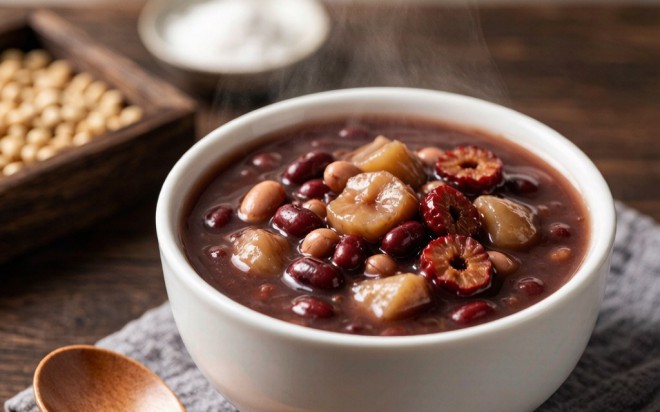
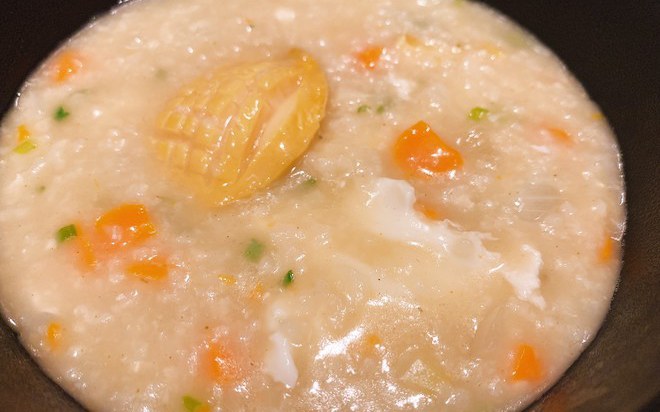
Creamy abalone congee the coastal Chinese way: rice toasted in fried abalone liver, simmered with the shells for depth, finished with tender slices and white pepper.
Instructions
-
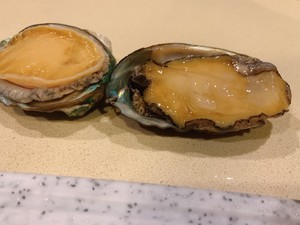 Scrub each abalone all over with a soft brush (a clean toothbrush is perfect), working into the creases around the shell edge where sand and slime collect. Rinse well — the difference between scrubbed and unscrubbed is easy to taste.
-
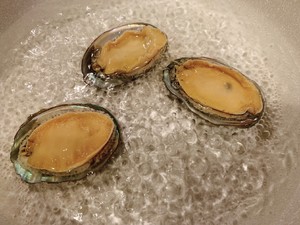 Bring a saucepan of water to a rolling boil, lower in the abalone, and blanch 30 seconds per side, about 60 seconds total. Scoop them into cold water — this shock loosens the meat so the shells slide off without a spoon.
-
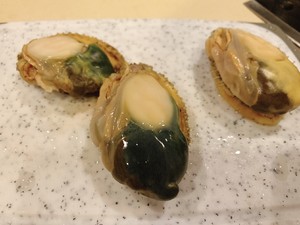 Pull the meat from each shell. Keep the shells: scrub them, drop them back into boiling water for a minute to sanitize, and set aside — they simmer in the congee later.
-
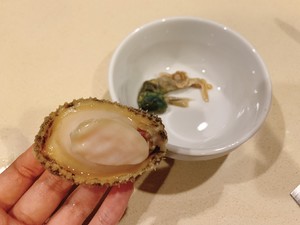 On each abalone, find the green liver and the hard little beak. Twist or cut off the beak and discard it, then ease the liver off whole and pat it dry with paper towels. Reserve the liver — it is the flavor base, not waste.
-
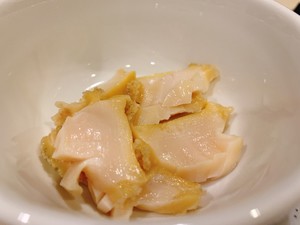 Slice all but one abalone crosswise into 1 cm (⅜-inch) pieces so they cook quickly and stay tender. Score the last one in a flower (pineapple) pattern for the top of the pot.
-
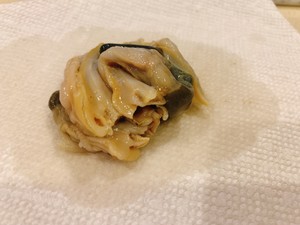 Rinse the rice, then soak it in fresh water with a few drops of sesame oil for at least 30 minutes (it can sit for a few hours). Meanwhile mince the garlic, dice the carrot and onion, and slice the scallions.
-
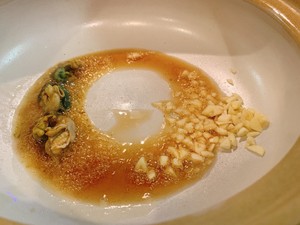 Set a clay pot or heavy 3-quart pot over medium heat with 1 Tbsp sesame oil. Lay in the abalone livers and fry until deeply golden on one side, 2-3 minutes, then flip and add the garlic. Fried liver tastes nutty and rich; boiled liver turns fishy, so do not skip this step.
-
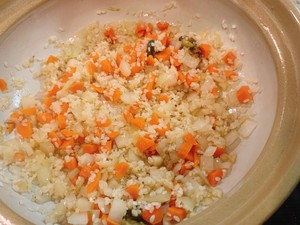 Add the onion and carrot and stir-fry 2 minutes, until the onion turns glassy and everything smells sweet and savory.
-
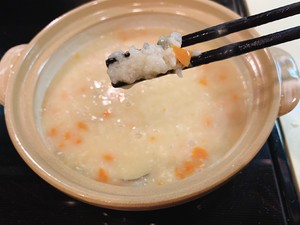 Drain the rice and add it to the pot. Stir gently for 1-2 minutes until the grains look semi-translucent and coated — keep it moving so nothing catches and burns. Pour in the 8 cups water, drop in the abalone shells, and bring to a boil, then lower to the barest simmer.
-
 Simmer uncovered, stirring now and then, until the rice has bloomed and the congee is thick and creamy, 30-40 minutes. Fish out the abalone shells and discard them.
- Stir in the sliced abalone and the white pepper and simmer 2 minutes. Add the scored whole abalone and drizzle in the remaining 1 Tbsp sesame oil, then season with the salt and soy sauce. Ladle into bowls immediately — the abalone was already cooked in the blanch, so it only needs warming.
Why this recipe works
Three unglamorous techniques give this congee its depth, and each one has a reason behind it.
First, the liver gets fried, not boiled. Abalone liver carries most of this dish's savory potential, but simmered directly it turns gray and fishy. Fried in sesame oil until golden on both sides, it toasts into something closer to shrimp-head oil: nutty, deeply savory, the base note everything else sits on. The oil does double duty, carrying that flavor into the rice — and once you learn how to clean abalone for congee (scrub, blanch, twist, lift), the whole job takes ten unhurried minutes at the sink.
Second, the rice is soaked and then toasted. Thirty minutes in water with a few drops of sesame oil softens the grains so they bloom — split open and thicken the pot — without long cooking. A quick turn in the fragrant liver oil before the water goes in seals the grains' surfaces and layers on more flavor.
Third, the shells simmer in the pot. Scrubbed and blanched, the shells are a traditional Chinese ingredient in their own right, and twenty minutes in the congee lends a clean, mineral sweetness. Fish them out before serving; their work is done by then.
About the dish
Abalone carries celebratory weight in Chinese cooking — banquet menus treat it as a showpiece — but in coastal home kitchens it ends up in congee, where a few shellfish can feed a whole family. This version reflects the way home cooks actually use the animal: nothing is wasted. The liver, which many people throw away out of habit, is coaxed into a fragrant oil; the shells, traditionally used in Chinese medicine, go into the pot for their sweetness and a claim on tonic virtues.
Congee itself is the default comfort food across southern China — the breakfast of childhood, the meal of sick days and late nights. Making it with abalone is a small domestic luxury: the kind of pot you put on when someone in the family needs looking after, or when winter cold season arrives and grandmothers start prescribing strengthening foods.
What to serve with it
This is a complete meal in a bowl — thick, savory, rich with sesame oil — so keep the company simple. A cold, crunchy smashed cucumber salad cuts the richness nicely. If you want a fuller table, steam a basket of savory buns to scoop and dip, or serve small bowls of this congee as the opener before a heartier braise. Leftover congee reheats into tomorrow's breakfast with almost no effort, or a can of abalone — sliced and warmed in at the end — turns half a batch into an easy canned abalone congee on a busy weeknight.
Pro tips
- The liver is the flavor engine. Fry it until genuinely golden in sesame oil — that toasting is what turns it from fishy to nutty, the same way fried shrimp heads become shrimp oil.
- Soaking the rice with a few drops of sesame oil softens the grains so they bloom and thicken the congee faster, and it perfumes the whole pot.
- The 60-second blanch-then-cold-shock does two jobs at once: it cooks the abalone through and frees the meat from the shell in one clean pull.
- Do all the abalone butchery with a toothbrush, a small knife and patience — nothing about it is hard, it just takes a few careful minutes at the sink.
- Frozen abalone works fine; thaw overnight in the refrigerator and it slices even more cleanly than fresh.
- If your congee thickens past your liking, loosen it with hot water, not cold — cold water makes the rice seize.
Storage & leftovers
- Refrigerate in a sealed container for up to 2 days; the congee thickens to a pudding as it cools.
- Reheat on the stove over medium-low with a splash of hot water, stirring until loosened and steaming, about 5 minutes. The microwave works in a pinch: 90 seconds, stir, then 60 more.
- Freeze the base congee (without the abalone slices) for up to 1 month, then warm freshly blanched or sliced abalone into the thawed, reheated congee for the best texture.
Frequently asked questions
Can I make this with frozen abalone?
Yes — thaw overnight in the refrigerator first. Frozen abalone is actually easier to slice cleanly. If it is sold shelled and pre-cleaned, skip the blanching step; everything else stays the same.
What if I can't find abalone with the liver?
The congee still works: fry 1 extra Tbsp sesame oil with the garlic and stir 1 Tbsp oyster sauce into the water for savory depth. But if you do get the liver, fry it — it is the single biggest flavor upgrade in the pot.
Do I really put the shells in the pot?
Yes — scrubbed and blanched, they simmer with the rice and lend a clean, mineral sweetness. This is a traditional trick, not theater. Remove them before serving; they are not edible.
Why is my abalone rubbery?
It was overcooked. The initial 60-second blanch cooks it through; everything after that is just warming. Add the slices in the last 2 minutes and the whole one only long enough to heat through.
Can I make this in a rice cooker?
For the congee base, yes — use the porridge cycle. Steps 7-8 become a skillet step: fry liver, garlic and vegetables first, then scrape everything into the cooker with the rice and water. The finish still belongs on the stove so the abalone does not overcook.
Can I use canned abalone for this congee?
Yes. Canned abalone is already fully cooked, so skip the scrubbing and blanching: drain it, slice it, and stir it in during the last 2 minutes just to warm through. A splash of the canning liquid in the simmering water adds flavor; expect a slightly softer, milder result than fresh.
How is this different from Korean abalone porridge (jeonbokjuk)?
Both start with abalone, rice and sesame oil, but jeonbokjuk is usually cooked with finely chopped abalone stirred in until the whole pot turns uniform and creamy. This coastal Chinese style keeps the abalone in thick slices over looser grains and builds its depth from fried liver and simmered shells.