Cantonese · Rice & One-Bowl Meals
Char Siu Zongzi (叉烧粽子)
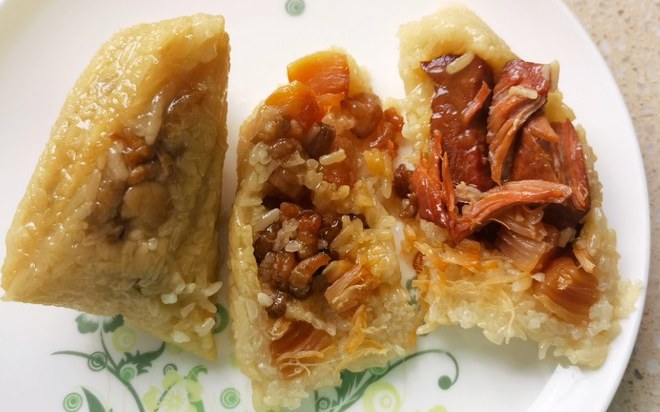
Sticky rice dumplings wrapped in bamboo leaves with sweet BBQ pork, dried scallops and shrimp — slow-boiled six hours, freezer-friendly, worth every minute.
Instructions
-
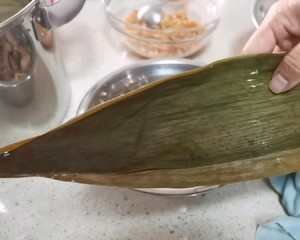
 Two days ahead, wash the bamboo leaves and cotton string, then soak them overnight in cold water. This first soak draws out dust and bitterness and starts softening the leaves so they can bend without cracking.
-
 The next day, put the soaked leaves in a pot of cold water, bring it to a boil, and simmer 15 minutes. Drain, return them to fresh cold water, and let them soak a second night. Twice-soaked leaves fold like ribbon; once-soaked ones tear at the crease.
-
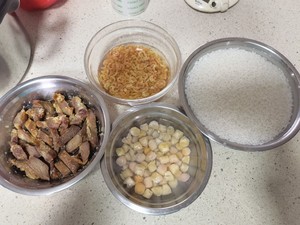
 On wrapping day, soak the dried scallops and dried shrimp in separate bowls of cold water for 1 hour. Soak the glutinous rice in plenty of cold water for 2 hours, then drain it well.
-
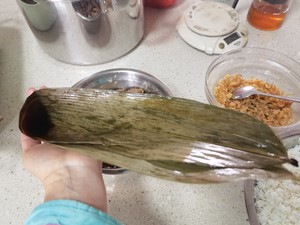 Season the rice: toss the drained grains with 1½ Tbsp oil until every grain glistens, then sprinkle in 2 tsp salt and mix through. The oil keeps the grains distinct and glossy; the salt seasons them from the inside during the long boil.
-
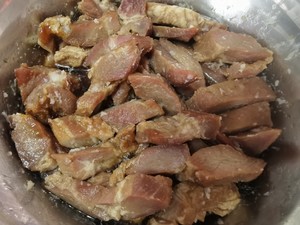
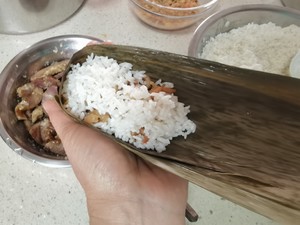 Wrap each zongzi: overlap two leaves with the smooth side facing in, fold them about a third of the way down into a firm cone, and fold a small corner at the pointed tail so rice cannot escape. Spoon in 2 Tbsp of rice, add a piece of char siu, 4 dried scallops and a pinch of shrimp, then cover with more rice to about nine-tenths full.
-
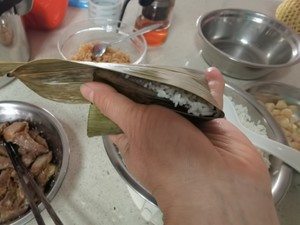 Fold the top leaves over to close, shape the bundle into a four-corner pyramid, and tuck any straggling leaf edges down the sides. Tie with cotton string — snug but not tight, because the rice swells as it cooks and a strangling knot makes the bundle burst.
-
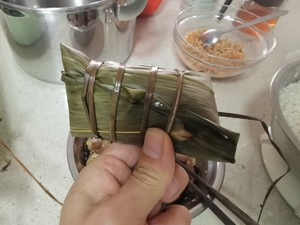 Pack the zongzi into a tall pot, pour in cold water to cover them completely, and set a heatproof plate directly on top so they stay submerged. Cover with the lid, bring to a boil, then turn the heat to low and simmer for 6 hours, topping up with boiling water whenever the level drops.
-
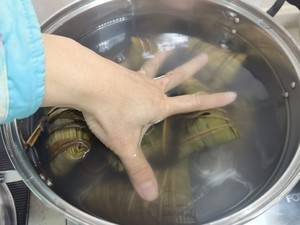 Turn off the heat and leave the pot, still covered, for 2 more hours. This long rest finishes the rice gently and is what makes the grains meltingly tender instead of merely cooked.
-
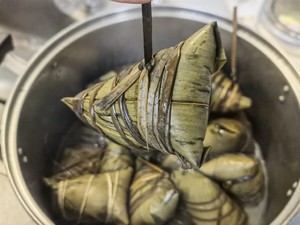 Lift the zongzi out, drain them, and snip the strings. Peel off the leaves and eat warm — the filling is generous and the rice stays springy, so one zongzi is a meal.
Why this recipe works
Zongzi rewards three small disciplines that cost nothing extra.
1. Oil and salt worked into the raw rice. Glutinous rice cooks sealed inside a leaf, cut off from the seasoned broth around it. Salting the grains before wrapping is the only way flavor reaches the middle, and a thin coat of oil keeps the cooked rice glossy and distinct instead of one congealed mass.
2. The six-hour simmer, held under water. Glutinous rice needs long, low heat for its starch to gelatinize all the way through; rush it and the center stays chalky. The heatproof plate on top keeps every bundle submerged so they cook evenly, and topping up with boiling water — never cold — keeps the temperature steady for all six hours.
3. The two-hour rest in the pot. Turning off the heat and walking away feels like doing nothing, but the residual warmth finishes the last of the gelatinization and lets the grains reabsorb moisture evenly. This is the difference between rice that is cooked and rice that is tender.
About the dish
Zongzi (粽子) — sticky rice wrapped in bamboo leaves — is one of the oldest prepared foods in China, eaten for millennia and tied to the Dragon Boat Festival, when families gather to wrap and boil them by the dozen. The story goes that the bundles were first thrown into a river as offerings, and whether or not you believe it, the form has barely changed since.
Chinese zongzi splits into two great camps: northern ones sweeter, with dates or red bean paste, and southern ones savory, stuffed with pork, salted egg yolk or mushrooms. This Cantonese char siu version is firmly in the savory camp — smoky barbecue pork plus dried scallops and shrimp for depth, the filling generous and the rice kept springy so the bundle eats rich without turning heavy.
What to serve with it
One zongzi is a complete meal, so keep the company light: a pot of hot jasmine tea and a simple clear soup on the side. On festival days, set out a few different fillings and let everyone compare. Come Dragon Boat Festival, nothing beats a wrapping party — a dozen bundles, one tall pot, and the whole house smelling of bamboo. They also travel well — peel one at room temperature for a picnic, or keep a stash in the freezer beside your other favorite rice dishes for busy weeks.
Pro tips
- Tie the bundles loosely. Tightly tied zongzi split at the seams when the rice expands, and you lose the savory broth that seasons the grains from outside in.
- The plate-on-top trick matters more than it looks: any zongzi that floats above the waterline cooks unevenly and stays hard in the middle.
- Top up the pot with boiling water only — a slug of cold water drops the temperature and quietly adds an hour to the cook.
- Conpoy (dried scallops) is the luxury note here. If they are hard to find or pricey, an extra ¼ cup of dried shrimp does the same savory job.
- In a pressure cooker, 90 minutes at high pressure with natural release gets you close to the 6-hour simmer — a fair trade on a weeknight.
- Wrap one practice zongzi before doing the whole batch. The second one is always twice as fast, and by the fifth you will not need to think about the folds.
Storage & leftovers
- Once completely cool, wrap each zongzi individually in plastic wrap and refrigerate for up to 10 days.
- For longer storage, freeze the wrapped zongzi for 1 to 2 months — glutinous rice freezes and thaws beautifully.
- To serve, thaw overnight in the refrigerator, then boil in water for 10-15 minutes until heated through.
Frequently asked questions
Where do I buy bamboo leaves and conpoy?
Both sit in the dried-goods aisle of Chinese grocery stores — bamboo leaves in vacuum packs, conpoy in plastic bags — and online Asian grocers ship both. No conpoy anywhere? Use extra dried shrimp or leave it out; the char siu carries plenty of flavor.
Do I really have to boil them for 6 hours?
For the classic texture, yes: the long, gentle simmer is what turns glutinous rice silky all the way through and melds the pork juices into the grains. If you cannot watch a pot all day, the pressure cooker version (90 minutes, high pressure, natural release) is a good compromise.
How spicy is this?
Not spicy. Char siu zongzi is sweet-savory: smoky pork, saline dried seafood, soft rice. If you want heat, serve chili oil on the side for dipping.
Can I make them ahead?
They are designed for it. Cooked zongzi keep 10 days refrigerated and 1 to 2 months frozen when wrapped individually. Thaw overnight, then boil 10-15 minutes to bring them back.
My leaves keep cracking when I fold. What now?
They are under-soaked. Give them the full two-night soak plus the 15-minute boil. If one still splits mid-wrap, overlap a third leaf over the crack — the string will hold everything in place.
Why is my rice hard in the center?
Either the zongzi floated above the waterline (use the plate trick) or the pot was topped up with cold water, which stalls the simmer. Keep everything submerged and add only boiling water.
Do zongzi get eaten hot or cold?
Both work. Fresh from the pot they are at their best — springy rice, molten filling — but they hold firm at room temperature, which is what makes them a classic picnic and travel food. From the fridge or freezer, bring them back with a 10-15 minute boil after thawing.