Cantonese · Buns & Pancakes
Baked Char Siu Buns (叉烧包)
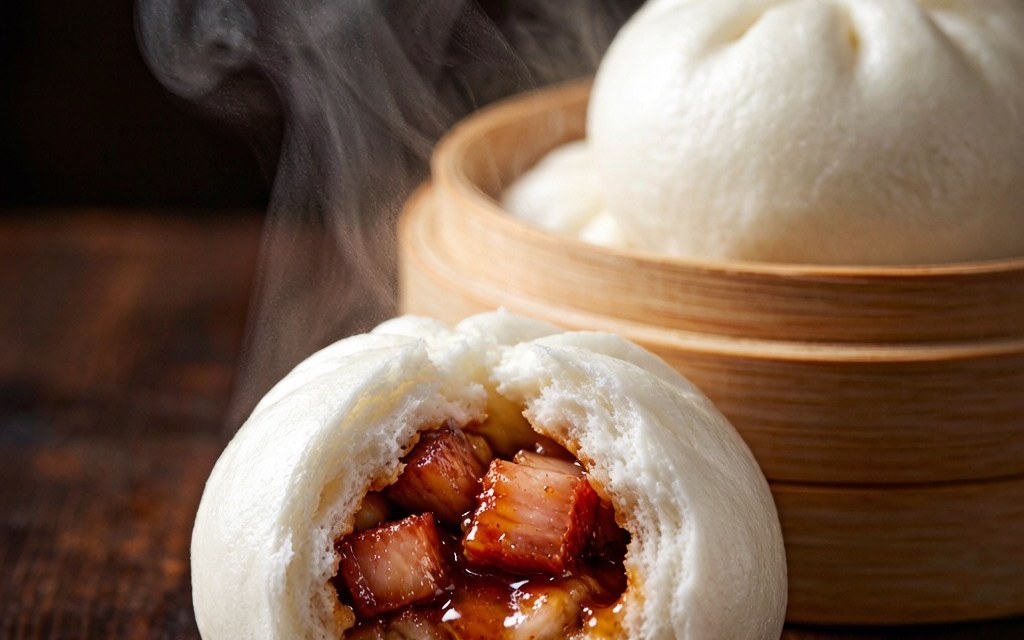
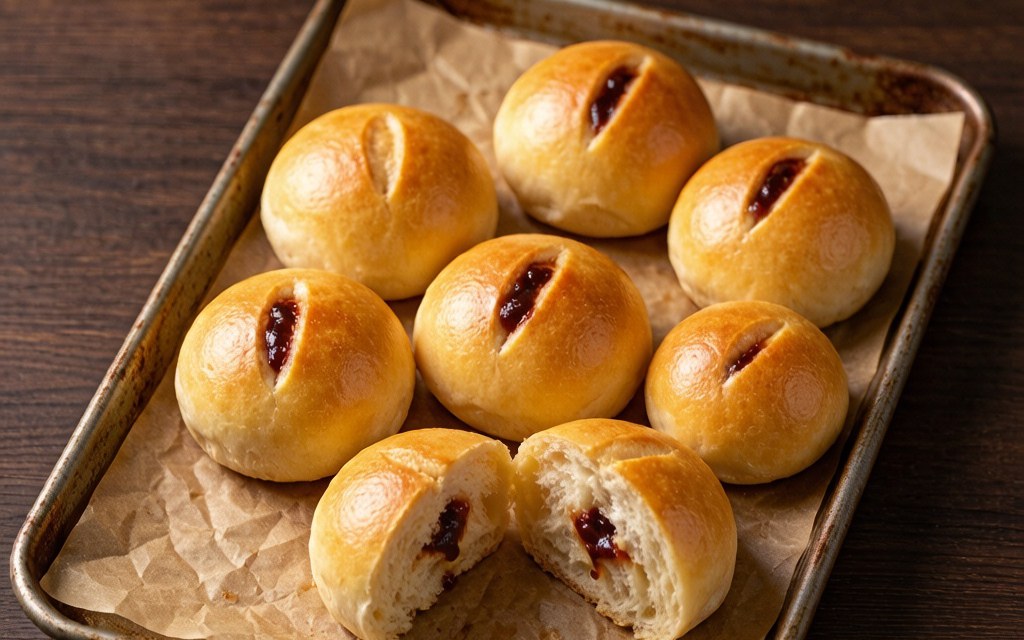
Soft milk-bread buns baked golden around a glossy barbecue pork filling — the oven version of char siu bao, with a sealed dome and sauce in every bite.
Instructions
-
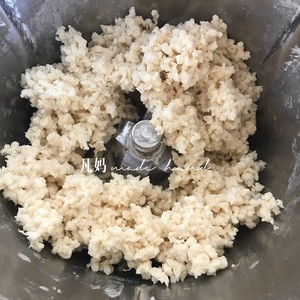
 Make the filling first so it can chill: heat the oil in a skillet over medium heat and cook the onion and garlic until soft and fragrant, about 2 minutes. Add the diced pork and stir-fry until the pieces are pale golden and just cooked through, 3 to 4 minutes.
-
 Add the char siu sauce, soy sauce, oyster sauce, cooking wine and honey, and stir until every piece is coated and the pan smells sweet and smoky. Stir in the cornstarch slurry and cook 30 seconds more, until the sauce thickens and clings to the meat.
-
 Spread the filling on a plate and refrigerate until completely cold and set, at least 2 hours. Cold filling is firm, so it stays inside the dough instead of greasing the seam and leaking in the oven.
-
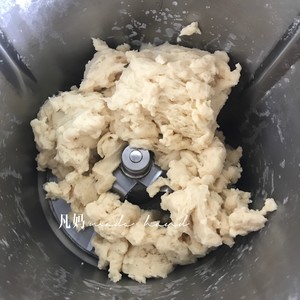
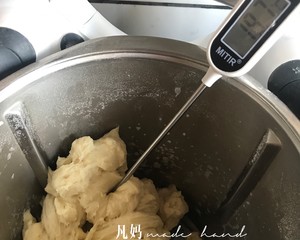
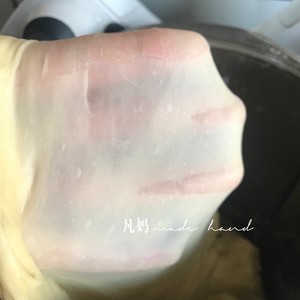
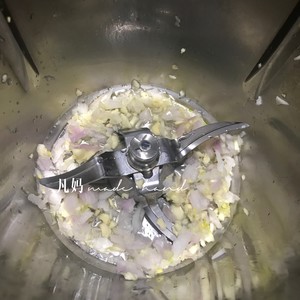 Make the dough: mix the bread flour, sugar, yeast, egg and milk into a rough dough, knead 5 minutes, then add the salt and knead 3 minutes more. Add the soft butter and knead 6 to 8 minutes longer, until the dough is elastic enough to stretch into a thin, semi-transparent window without tearing. If the dough warms past 77°F (25°C) while kneading, chill it 20 minutes in the freezer and continue.
-
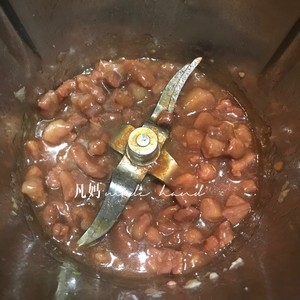 Cover and let the dough rise until doubled, 60 to 90 minutes — poke it with a floured finger and the hole should hold without springing back or collapsing.
-
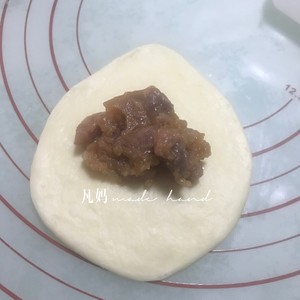 Divide the dough into 9 pieces, round each into a ball, cover, and rest 15 minutes so the gluten relaxes.
-
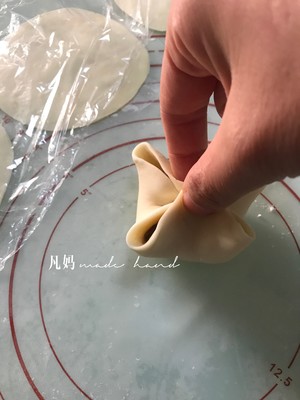
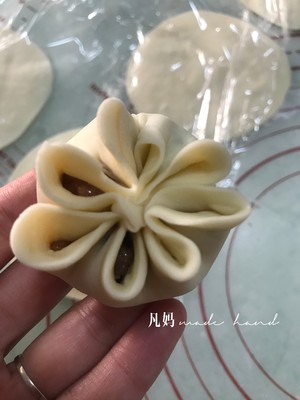
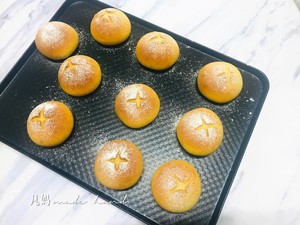 Flatten each ball, roll it into a 4-inch circle, and spoon about 3 Tbsp of the chilled filling into the center. Fold the edges over and pinch the seam shut with real conviction — the sauce is liquid when hot, and a lazy seam splits in the oven. Place seam-side down on a lined baking sheet.
-
 Let the buns rise in a covered, draft-free spot until visibly puffy and about 1.8 times bigger, 40 to 50 minutes. Near the end, preheat the oven to 350°F (175°C).
-
 Dust the tops lightly with flour and slash two short diagonal cuts across each bun with a sharp blade, about 1/4 inch deep. Bake in the middle of the oven 18 minutes, until deep golden brown and glossy at the slashes, where the filling shows through.
-
 Cool 5 minutes on a rack and eat warm — that is when the bun is cloud-soft and the filling still flows. Resteam or re-bake leftovers the next day.
Why this recipe works
Taking char siu bao out of the steamer and into the oven changes the physics, so this recipe adjusts three things.
1. An enriched dough instead of a water dough. Steamed bao skin is a lean flour-water dough; under oven heat it would turn dry and cracker-like. Here milk, egg and butter make a soft, milky crumb in the Chinese bakery style — it browns, it stays tender overnight, and it stands up to a wet filling without going soggy.
2. A chilled, heavily thickened filling. The filling is cooked down until glossy and tight, then chilled until it is practically sliceable. In the oven the sauce liquefies again, which is exactly the point: the bun rises around it, the slashes vent it, and you get sauce in every bite instead of a burst seam — the char siu bao filling is always cooked down and chilled before it ever meets the dough. Sealing matters more than in steaming because there is no forgiving fog of steam — a thin patch of dough tears where a steamer would have healed it.
3. Two slashes, not an open top. The teahouse bun cracks open because of chemical leaveners; this bun gets two short diagonal cuts instead. They vent steam, show off the filling, and give the top a bakery finish without any pastry skills.
About the dish
Baked char siu buns sit at the crossing point of two Cantonese traditions: the teahouse's steamed char siu bao (叉烧包) and the neighborhood bakery's soft Asian-style bread rolls. Hong Kong bakeries have sold baked pork buns for decades — the filling is the same glossy, sweet-savory chop, but the shell is a milky, buttery dough baked golden, a style shaped by the city's long love affair with soft European-style bread.
This recipe comes from a home cook who made both versions in one afternoon: an egg-and-milk dough for the oven, a plain water dough for the steamer, and one pot of filling split between them. It is the same fork in the road you face here — and the baked version is the one that travels better in a lunchbox.
What to serve with it
These are self-sufficient: two buns and a pot of strong milk tea is a Hong Kong-style afternoon. For a bigger spread, they sit happily next to anything from the steamed bun table, and a sharp, vinegary cucumber salad keeps the sweet richness honest; a bowl of clear egg-drop soup stretches the plate into lunch. Leftovers, split and griddled, make an unreasonable breakfast sandwich with a fried egg — and a weekend batch of these leftover char siu buns re-bakes beautifully for weekday lunchboxes. Re-bake day-old buns at 300°F (150°C) for 8 minutes and the crumb goes soft again.
Pro tips
- Keep the dough cool while kneading — milk, egg and a machine's friction heat dough fast, and warm dough tears instead of stretching. The brief freezer rest in step 4 is the fix.
- The two slashes are functional: they vent steam and give the filling somewhere to show, so the buns look like they came from a Cantonese bakery window.
- If sauce does leak out, it will caramelize on the parchment — slide the parchment off the hot sheet right away so the burnt sugar never touches the buns.
- Weigh the filling into 9 equal blobs before you start shaping; uneven filling makes uneven buns and overfilled ones always burst.
- The same filling works in steamed bao: use 2 cups (250 g) all-purpose flour, 1/2 cup (120 g) water, 1 tsp yeast, 1 tsp sugar, 1 tsp oil and a pinch of salt for the dough, steam 12 minutes, and fold the wrappers into the classic four-corner shape.
- Leftover char siu, even store-bought from a Chinese deli, makes the very best version of this filling — the recipe above is the from-scratch fallback.
Storage & leftovers
- Keep in a sealed bag at room temperature for 1 day or refrigerate up to 3 days.
- Reheat in a 300°F (150°C) oven for 8 minutes, covered loosely with foil so the tops do not darken further.
- Freeze baked buns up to 1 month; thaw in the fridge overnight and re-bake, or reheat from frozen for 12 minutes.
- The filling keeps 4 days refrigerated and freezes for 2 months — make a double batch and the second round of buns comes together in minutes.
Frequently asked questions
How is this different from steamed char siu bao?
Steamed bao are white, tender and slightly chewy with an open top; these are enriched with milk, egg and butter, baked until golden, and closer to a soft dinner roll with a saucy center. Same flavor family, different animal.
My filling leaked everywhere. What happened?
Almost always the seal: the seam must be pinched hard and placed down, the filling must be fully chilled, and the buns must not be overfilled past 3 Tbsp. Warm dough tears easily, so also check that the dough rested 15 minutes before rolling.
Can I make these ahead?
Shape and fill the buns, refrigerate them covered overnight, and bake straight from the fridge with 10 extra minutes of proofing in the morning. Baked buns also freeze well for a month and revive in a 300°F (150°C) oven for 8 minutes.
How spicy are these?
Not spicy — sweet, savory and aromatic from the char siu sauce and honey. Safe for kids and chili-averse guests.
I don't have bread flour. Can I use all-purpose?
Yes, the buns will be slightly less springy but still soft and rich. Avoid substituting cake flour, which will make them collapse around the heavy filling.
Can I proof the oven instead of at room temperature?
Only with the oven off — put the covered sheet inside with a large bowl of steaming water. Real heat from a preheated oven will overproof the outside of the dough before the center catches up.
Can I make the filling with store-bought or leftover char siu?
Yes — and many cooks think it is the best version: dice leftover or deli-bought char siu, warm it through with the sauce as in steps 1–2, and chill it hard. The from-scratch diced pork shoulder above is the fallback for when no char siu is on hand.
What exactly is char siu?
Cantonese barbecue pork: strips of pork roasted in a sweet-savory glaze — honey, soy and hoisin-family sauces — until the edges caramelize and turn deep red. Here it is diced small and folded into the glossy, thickened filling that defines the bun.