Chinese home style · Buns & Pancakes
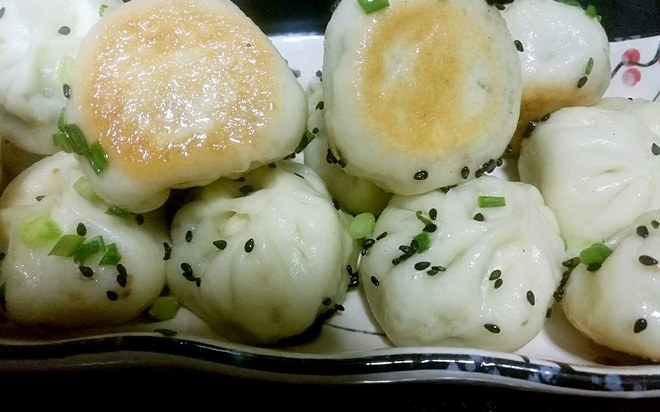
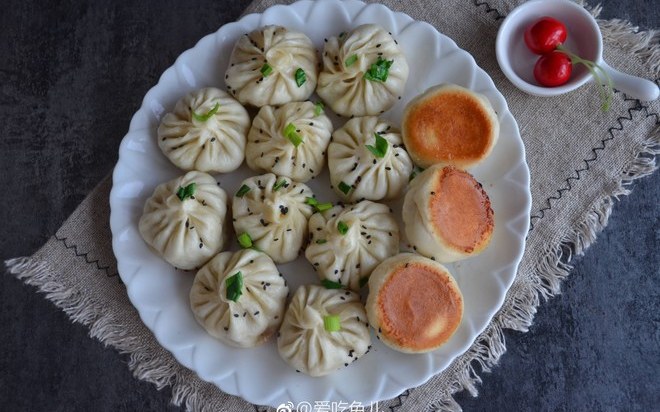
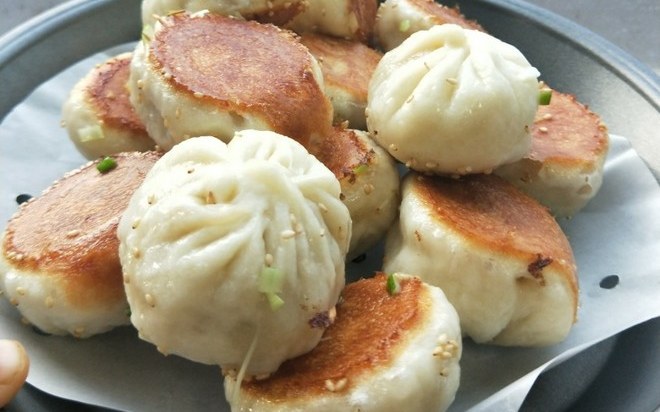
Sheng Jian Bao with Water Chestnut & Sweet Corn (荸荠玉米鲜肉生煎)
Sweet-crunchy sheng jian bao: water chestnut and corn folded through stock-beaten pork, wrapped in an overnight-friendly dough and pan-fried crisp on the bottom.
Instructions
-
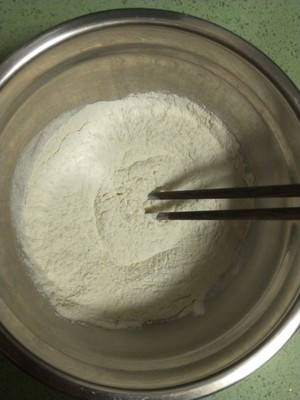 Make the dough: stir the salt through the flour, then set the yeast and sugar in separate little mounds on top — keeping them apart stops the salt from slowing the yeast. Pour the lukewarm water over the yeast mound and wait 2 minutes for it to dissolve.
-
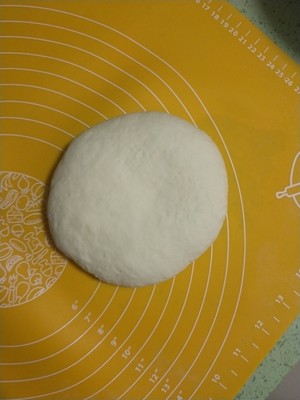
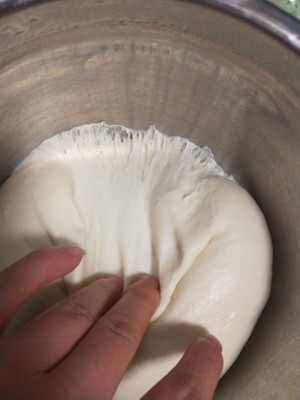
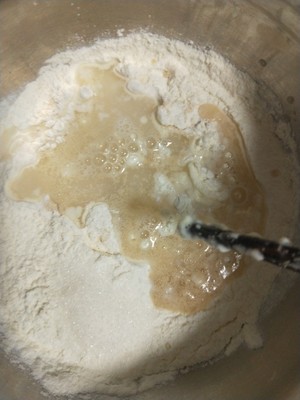 Stir everything into a rough dough and knead just 3–4 minutes, until smooth. This dough does not need strong gluten — a soft, barely developed dough gives tender buns. Cover and proof until puffy, about 40–60 minutes at room temperature, or refrigerate overnight (up to 12 hours) for a slow cold ferment with deeper flavor.
-
 Beat the pork: add the cold water in 3 additions, stirring in one direction and beating until each is fully absorbed before the next. The meat turns pale, loose and sticky as it drinks.
-
 Season with the soy sauce, oyster sauce, five-spice (if using), salt and sugar, and keep beating until the filling feels springy. Fold in the minced scallion.
-
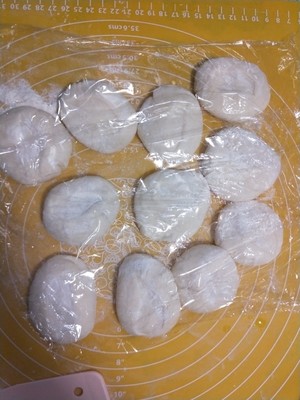 Rinse and peel the water chestnuts, then mince them finely — they should stay in small, distinct pieces for crunch, not turn to paste. Fold them and the corn kernels through the pork just until even, then chill the filling while the dough finishes rising.
-
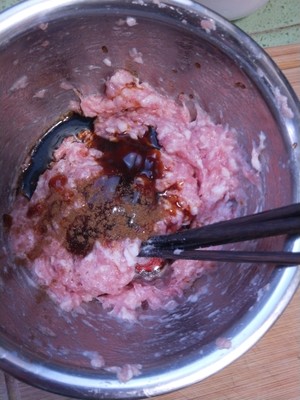 Turn out the risen dough, knead once to expel the gas, and divide into about 20 pieces of ¾ oz (20 g) each. Cover with plastic wrap and rest 10 minutes.
-
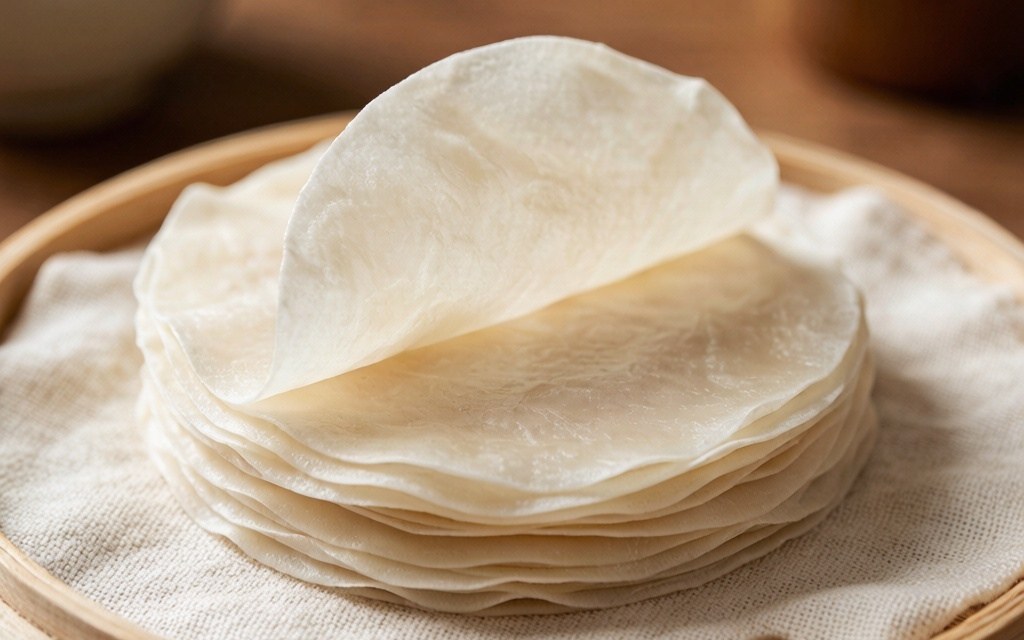
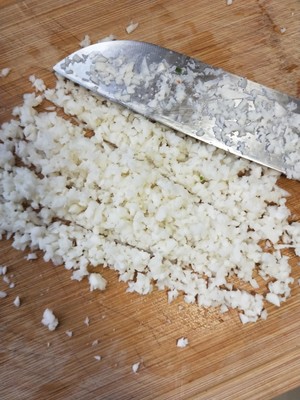 Roll each piece into a 3-inch (8 cm) wrapper, thinner at the edge — the same motion as a dumpling skin, just bigger.
-
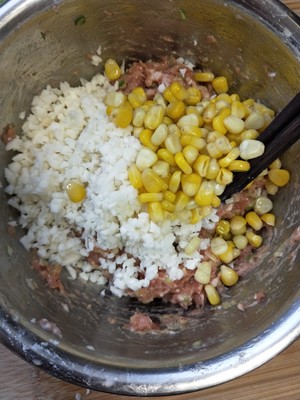 Fill each wrapper with about 1½ Tbsp of filling. Pinch a starting pleat at one edge, then pleat with your index finger: pinch, rotate the wrapper a little with your left hand, pinch again, using your left thumb to push back any filling that surges. Work around until the last pleat meets the first, and twist to seal.
-
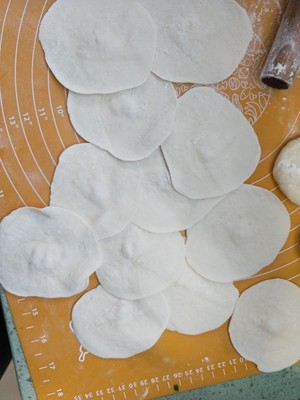 Set the buns seam-up on a floured tray and rest 10 minutes while you heat the pan.
-
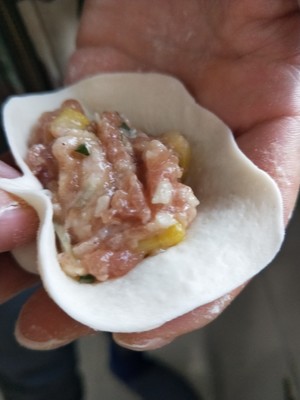 Heat a large lidded nonstick skillet, brush it with the oil, and arrange the buns in one layer. Keep the heat at its lowest, cover, and let the bottoms set and turn barely golden, 1–2 minutes.
-
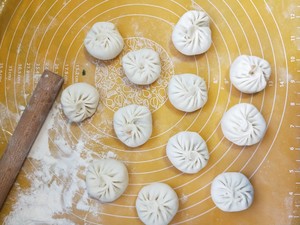 Pour hot water around the buns to reach half their height, cover, and raise the heat to medium. Simmer 8–10 minutes, until the water is gone and the pan starts to sizzle dry.
-
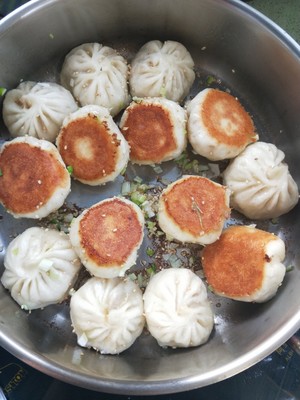
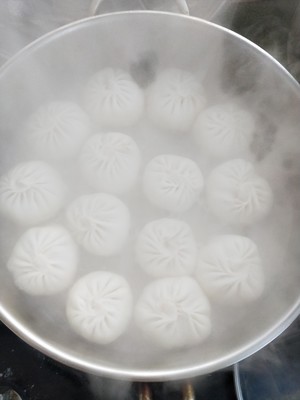 Lift the lid, scatter the minced scallion and sesame seeds over the buns, and let them fry uncovered 30–60 seconds to re-crisp the bottoms. Slide onto a plate and serve hot.
-
 Any leftover filling: scoop it into small meatballs and freeze on a tray; they cook straight from frozen in soups or pans for a quick meal.
Why this recipe works
Three quiet techniques make this the most schedule-friendly sheng jian bao of the family.
1. The overnight cold ferment. The dough can rise slowly in the refrigerator for up to 12 hours, so breakfast becomes shaping-and-frying only. Slow fermentation also develops flavor that a quick hour-long rise cannot, and cool dough is noticeably easier to divide and roll.
2. Water first, crunch last. The 80 ml of water is beaten into the pork in three stages until the meat can hold no more — the hydrating step that keeps a lean pork filling springy instead of meatball-tight. The water chestnuts and corn go in only afterward, folded rather than beaten, because chestnut pieces crushed during beating turn the filling pasty and weepy.
3. Hot water, half height. After a brief low-heat set-fry, hot water is poured to half the buns' height and the lid goes on at medium heat: the submerged halves boil while the tops steam, cooking the dense filling all the way through before the pan dries out and the bottoms re-crisp. That re-crisped base is the sheng jian bao crispy bottom people queue for — soft lid, crackling floor.
About the dish
Water chestnuts — mǎtí in Chinese, literally "horse hoof" — are the South's favorite way to give a meat filling sparkle. Diced raw into pork meatballs, dumplings and steamed buns alike, they keep their apple-like crunch even after boiling and frying, where almost every vegetable would collapse. Pairing them with sweet corn is a modern home-kitchen move: the corn's sugar rounds out the savory soy-and-oyster base, and the pan tends to empty before the adults get their share.
The dough keeps the classic sheng jian bao routine — a soft, lightly kneaded yeast dough, wrapped raw and finished in the pan rather than a steamer — but with a busy cook's blessing: the fridge does the first rise overnight. What comes out is a small, crisp-bottomed bun where juicy pork, sweet corn pops and cool-crunching chestnut all land in one bite.
What to serve with it
These are a complete breakfast with a glass of soy milk or a bowl of congee — see rice for the porridge basics. In the evening, five or six buns with a vinegary dipping bowl and a plate of smashed cucumber make a fast dinner. Black Chinkiang vinegar is the classic dip; add a little chili oil if you like heat. Unlike baozi, which steam soft all over, these pan-fried buns pair that crunchy underside best with something cool and vinegary on the side.
Pro tips
- The overnight cold ferment is this recipe's scheduling gift: mix the dough the night before, and in the morning you only shape, rest and fry — the slow rise also deepens the wheat flavor.
- Water chestnuts are the crunch that survives cooking, where almost every vegetable goes soft in a wet fry. If using canned, rinse well and pat dry, or their brine thins the filling.
- Fold the chestnuts and corn in only after the water has been beaten in — stirring them through the beating stage crushes the chestnut pieces and bruises the corn's sweetness.
- Hot, not cold, water goes into the pan here: the buns get only a short, gentle set-fry at low heat first, so a hot-water start keeps the simmer strong without a cold lag.
- Frozen corn goes in straight from the freezer; thawed corn bleeds moisture into the meat.
Storage & leftovers
- Best hot from the pan; keep leftovers covered in the fridge up to 1 day and re-crisp in a dry skillet over medium heat for 2–3 minutes.
- Freeze shaped raw buns on a tray, bag for up to 1 month, and cook from frozen with 3–4 extra simmering minutes.
- Leftover filling freezes well as scooped meatballs for quick soups or rice bowls.
Frequently asked questions
Fresh or canned water chestnuts?
Both work. Fresh ones (often sold with some mud still on them at Asian grocers) taste sweeter and crisper; canned are peeled and ready — rinse off the brine and dry them. Frozen peeled ones are fine too, thawed and patted dry.
Can I skip the overnight proof?
Yes — a 40–60 minute room-temperature rise gives a slightly plainer but perfectly good bun. The cold ferment is about flavor depth and morning convenience, not structure.
Why hot water in the pan instead of cold?
These buns get only a brief low-heat set-fry before the liquid goes in, so starting with hot water keeps the simmer strong enough to cook the dense filling through within the time given. Cold water works but adds several minutes.
My bottoms stuck and tore. Why?
The pan was not hot enough when the buns went in, or there was too little oil. Brush the hot pan with a full tablespoon of oil and wait for a gentle sizzle before arranging the buns.
Can I use this filling for steamed buns instead?
Yes — it is a standard juicy pork filling. Steam the shaped buns over high heat for 10–12 minutes instead of pan-frying.
What is the difference between sheng jian bao and regular baozi?
Regular baozi are steamed from start to finish, so they stay soft all over. Sheng jian bao start in oil — a brief low-heat set-fry — then hot water to half their height and a lid let the filling steam through, leaving a golden, re-crisped bottom under a fluffy top.