Cantonese · Buns & Pancakes
Char Siu Bao (叉烧包)
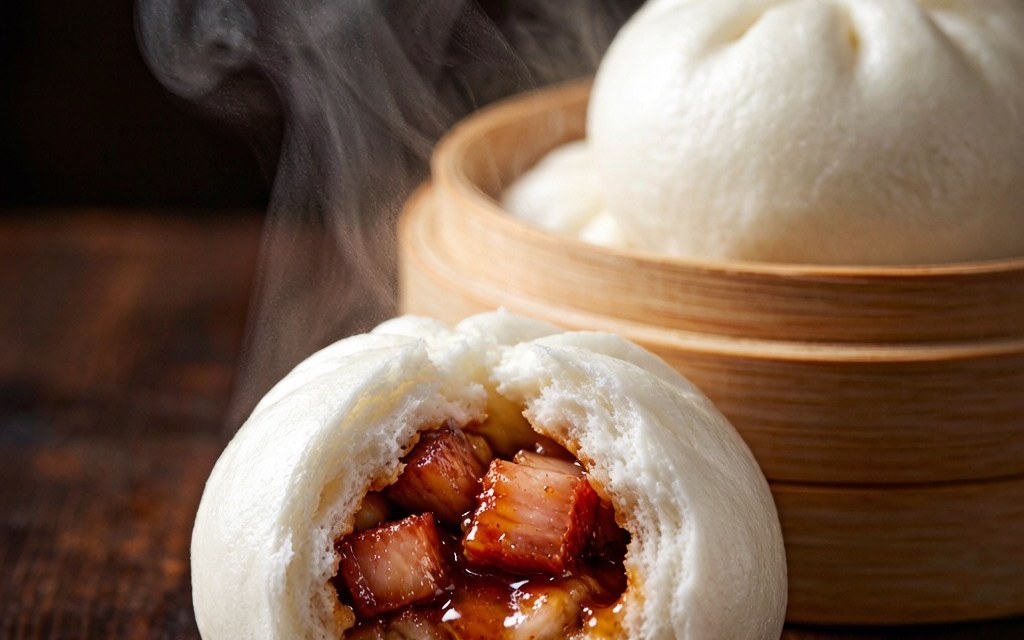
Fluffy steamed buns with sticky barbecue pork in a sweet-savory sauce — the dim sum classic rebuilt for home kitchens: exact quantities, no special gear.
Instructions
-
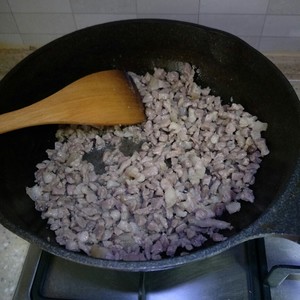
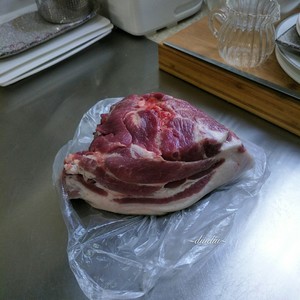 Make the filling: heat 1 Tbsp oil in a pot over medium heat and sear the diced pork, stirring, until it loses its pink color and renders some fat, 4 to 5 minutes. Add the ginger and garlic and stir until fragrant, about 30 seconds.
-
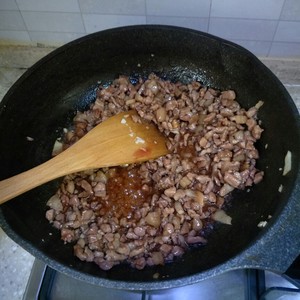
 Add the char siu sauce, oyster sauce, soy sauces, honey and cooking wine and stir to coat the pork, then pour in the water and add the onion and scallions. Bring to a boil, then cover and simmer gently for 1.5 hours, until the pork is tender but not falling apart (in a pressure cooker, 10 minutes at pressure does it).
-
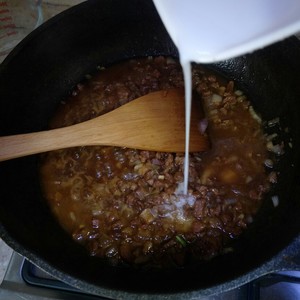
 Stir the starch slurry and pour it in a thin stream while stirring; simmer 1 more minute until the sauce is thick enough to mound on a spoon — glossy, not runny. Cool completely, then refrigerate 2 to 4 hours until the filling is firm and scoopable. This can be done up to 3 days ahead.
-
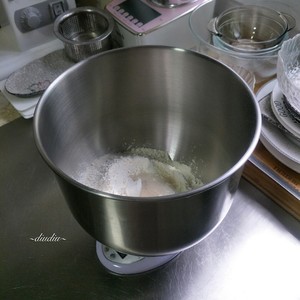
 Make the dough: combine the flour, sugar, yeast, oil and water and knead — 8 minutes in a stand mixer on low, or by hand mix to shaggy flakes, rest 5 minutes, then knead 10 minutes, resting twice more for 3 to 4 minutes between rounds. The finished dough should be very smooth and supple; this is what gives the buns their fine, silky skin.
-
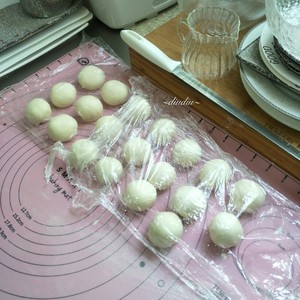
 Roll the dough into an even log and cut into 20 pieces, about 35 to 40 g each. Round each piece into a smooth ball and cover with plastic while you work.
-
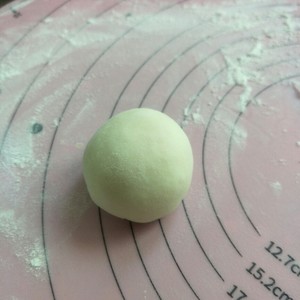
 Flatten the first ball and roll it into a wrapper about 3.5 inches wide, thicker in the middle and thinner at the edges — unlike most bao wrappers, err on the thick side, since pure meat filling is rich and a sturdier skin balances it.
-
 Fill each wrapper with 2 Tbsp of the chilled filling, keeping the sauce off the rim so the edge seals. Pleat or simply gather and pinch the top closed — then turn the bun seam-side down and smooth the top into a dome. No fancy pleating needed; a homemade char siu bao is a soft round dome.
-
 Proof the shaped buns on squares of parchment, covered loosely, until 1.5 times bigger and noticeably lighter — 40 to 60 minutes in a warm room. A proofed bun feels airy when you lift it; if it still feels dense, give it more time.
-
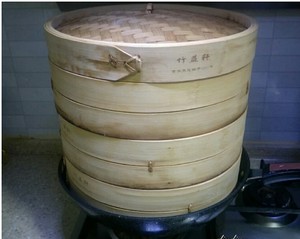
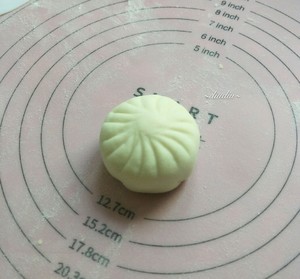 Steam: set the buns (on their parchment) in a steamer over 2/3-full water, bring to a boil on high, then reduce to medium and steam 8 minutes after the steam is steady. Turn off the heat and wait 3 to 5 minutes before lifting the lid, so the cold draft does not wrinkle the skins.
-
 Serve hot. To freeze, cool the buns completely, bag them sealed, and freeze up to 1 month; resteam straight from frozen for 5 minutes and they taste freshly made.
Why this recipe works
Char siu bao has two halves that fail in different ways, so this recipe treats each one deliberately.
1. A braised, not stir-fried, filling. Most home versions stir-fry diced pork with sauce in ten minutes and end up with chewy meat in thin sauce. Simmering the dice for an hour and a half does two things: the pork's fat and collagen melt into the liquid, and the sauce reduces into something syrupy that thickens further with just a little starch. Chilled overnight, it sets to a spoonable jam — the exact texture that makes the filling stay put inside the bun and flood back out when you bite.
2. A simple water dough, kneaded properly. Teahouse buns get their shattering-open top from baking powder and baker's ammonia. This home version skips both: flour, water, sugar, yeast and a spoonful of lard. The softness comes from kneading the dough fully smooth and proofing it exactly 1.5 times — puffy and light but not inflated. The lard tenderizes the crumb the way shortening does in American biscuits.
3. Thickness where it counts. The wrapper is rolled thicker in the center and kept sturdier than a vegetable bao wrapper. Pure meat filling is rich and wet; a slightly thicker skin is what keeps the bite balanced instead of soggy.
About the dish
Char siu bao (叉烧包) is one of the "Four Heavenly Kings" of Cantonese teahouse dim sum, named for the char siu — honey-and-soy barbecued pork — tucked inside the dough. The classic Guangzhou version is shaped like a little birdcage and deliberately splits open at the top, revealing the filling, a look achieved with the help of chemical leaveners that old teahouses used freely.
This is the home-cook reading of it: no ammonia, no cracking top, just a soft white dome around a glossy, sweet-savory pork filling. Families across Guangdong make versions like this on weekends — steamer fogging the kitchen, first bun eaten standing up, burned fingers forgiven. Purists can queue at the teahouse; this one is for eating in your slippers.
What to serve with it
Char siu bao wants tea — jasmine, pu-erh or plain green, something tannic to cut the sweet richness. Two or three buns make a breakfast; a steamer of them plus a platter of dumplings is a proper weekend dim sum spread — the kind where the bao dough recipe is memorized after two Sundays and the pleating, mercifully, never has to be fancy. For a fuller table, add a bright, crunchy smashed cucumber salad, and let everyone pace themselves — these reheat well enough, but they never taste as good as they do straight from the steamer.
Pro tips
- The filling must be cold before it meets the dough. Warm filling greases the wrapper edges, the seal fails, and the sauce leaks out during steaming.
- Kneading the dough completely smooth — no lumps, no rough surface — matters more here than in most bread recipes. Lumpy dough steams into a dull, pockmarked skin.
- Do not overproof. Past 1.5 times, the pleats blur and the buns slump; the sweet spot is puffy and light but still holding its shape.
- Resist the traditionalists' baking powder and ammonia: the classic teahouse bun cracks open on top because of them. The home version keeps a closed dome and gets its tenderness from thorough kneading and oil in the dough.
- Pork shoulder is the right cut — it has fat and a little connective tissue that melt into the sauce over the long simmer. Lean loin makes a dry, stringy filling.
- If your house is cold, proof the buns inside the (turned-off) oven with the light on, or over a pot of warm water.
Storage & leftovers
- Cool completely, then refrigerate in a sealed bag for up to 3 days.
- Resteam refrigerated buns 3 minutes or frozen buns 5 to 8 minutes — they come back to just-steamed texture.
- Freeze up to 1 month; freeze them spaced on a tray first so they do not stick together.
- Do not microwave on high — it toughens the skin. If you must microwave, cover with a damp paper towel and use 50% power.
Frequently asked questions
Can I use store-bought char siu instead of braising pork from scratch?
Yes — dice up 14 oz (400 g) of Chinese deli barbecued pork, sauté it briefly with the sauces and half the water, thicken, and chill. The from-scratch braised version is juicier and cheaper, but the shortcut is genuinely good.
I can't find char siu sauce. What can I substitute?
Mix 3 Tbsp hoisin sauce + 1 Tbsp honey + 1 Tbsp oyster sauce + 1 tsp soy sauce per 70 g needed. It will not be identical, but it lands in the same sweet-savory neighborhood.
How spicy are these?
Not spicy at all — char siu bao are sweet, savory and aromatic. Kids usually love them.
My filling leaked out during steaming. Why?
Either the filling was still warm (it must be chilled solid), sauce touched the wrapper rim, or the bun was underproofed so the dough stretched and tore. Chill the filling, wipe the rim, and pinch the seam very firmly.
Can I steam without a bamboo steamer?
Yes. A metal steamer basket, a collapsible steamer in a wok, or even a heatproof plate on a rack inside a covered pot all work — just make sure the lid condensation drips away from the buns, and wrap a towel under the lid if needed.
Can I make the dough and filling a day ahead?
The filling keeps 3 days refrigerated and improves. The dough is best made fresh the same day, but you can knead it, bag it, and refrigerate overnight, then bring it to room temperature before shaping.
Why doesn't my char siu bao split open on top like the teahouse ones?
This home dough deliberately skips the chemical leaveners (baking powder, baker's ammonia) that force the classic crack, so a smooth closed dome is the intended result. If you want the split: whisk 1.5 tsp baking powder into the flour, proof the buns fully, and start with the steamer already at a rolling boil.
Can I bake these instead of steaming?
You can, but you get a different dish: baked bbq pork buns are their own soft, golden Cantonese offshoot, closer to a bread roll than a dim sum bun. The defining cloud-soft skin of char siu bao only comes from steam — and a heatproof plate on a rack in a covered pot (see above) steams just fine without special gear.