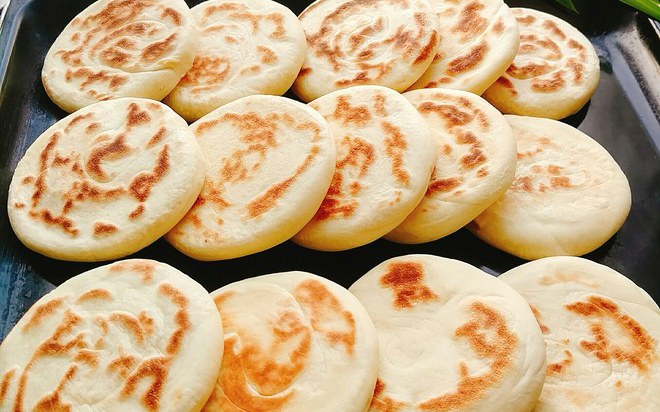
Chinese home style · Buns & Pancakes
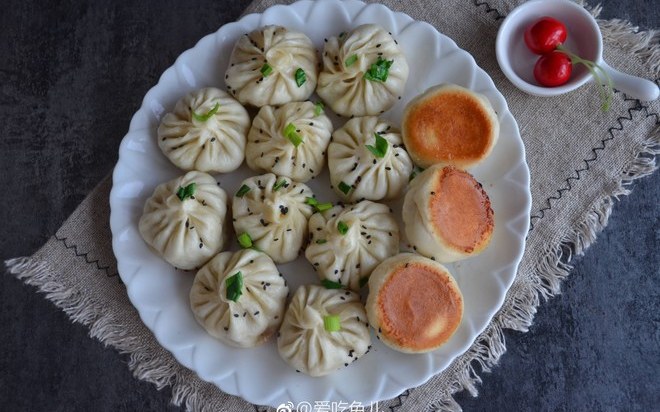
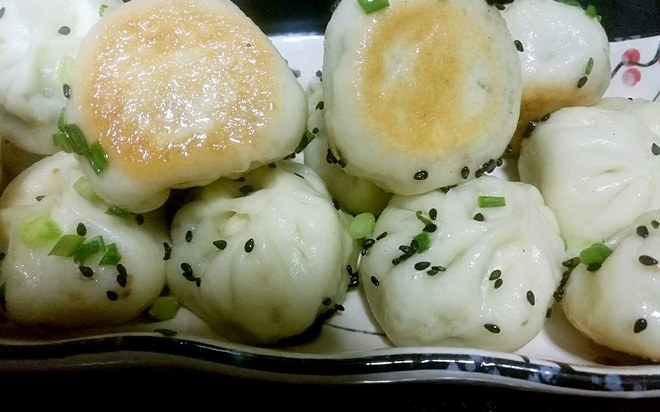
Sheng Jian Bao with Pork, Chives & Lotus Root (猪肉韭菜莲藕生煎包)
A juicy home-style take on sheng jian bao: half-fermented dough with a tender-chewy bite, loaded with crunchy lotus root, chives and ginger-perfumed pork.
Instructions
-
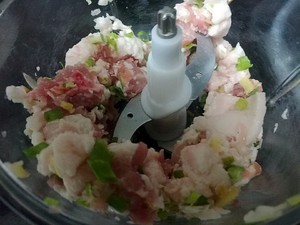 Mince the ginger and scallions and add them to the pork, or blitz them together in a food processor — hand-chopping gives the best texture if you have ten spare minutes.
-
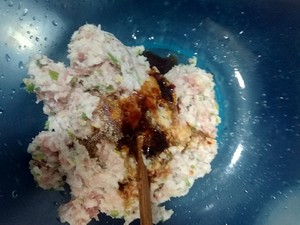 Add the soy sauce, oyster sauce, bouillon, white pepper and salt, and stir in one direction until the seasonings are evenly absorbed and the meat looks moist.
-
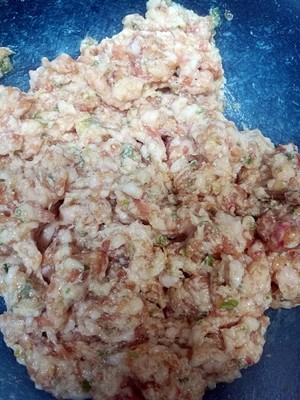 Add the cold water 1 Tbsp at a time, stirring in the same direction until each addition disappears before adding the next. Stop as soon as the meat stops drinking — usually 4–5 Tbsp total; a waterlogged filling weeps and slows the fry. Cover and refrigerate 30 minutes while you knead the dough.
-
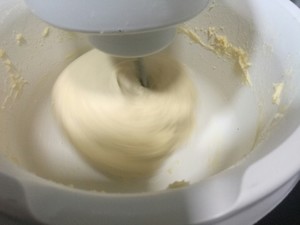 Make the dough: stir the yeast into the flour, add the water in batches, and knead 15 minutes in total — to a smooth ball, then keep going. This is far longer than most bun doughs need, because a half-fermented skin is rolled thin and must hold a wet filling without tearing. Cover while you prep the vegetables.
-
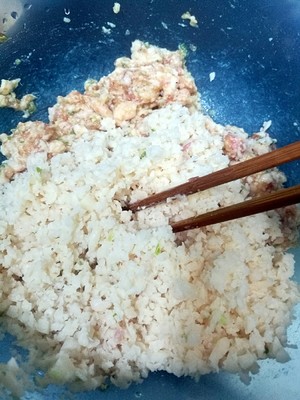 Peel the lotus root and mince it finely (a food processor makes quick work of it), then stir it through the seasoned pork in one direction.
-
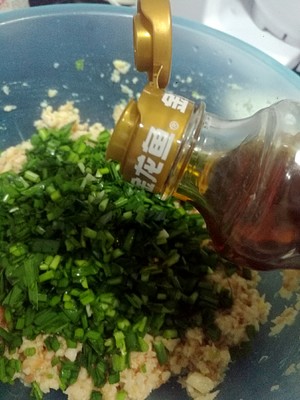 Pile the minced chives beside the pork, pour the sesame oil and neutral oil over the chives only, and toss them to coat — the oil seals in their moisture. Then fold everything together until even.
-
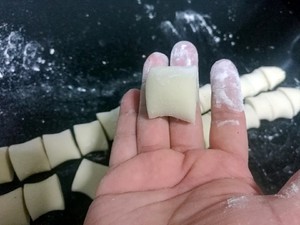
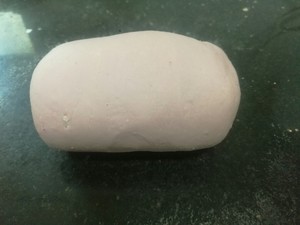 Roll the dough into two ropes and cut 20–22 pieces, keeping the unused pieces under a lightly damp towel. These are deliberately small buns; see the tip below if you want to use every gram of filling.
-
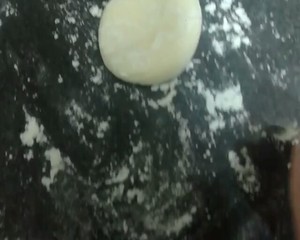
 Flatten a piece and roll it into a 2½-inch (6 cm) wrapper, thin at the edges and thicker in the middle: press harder pushing outward from the center, and ease off on the way back.
-
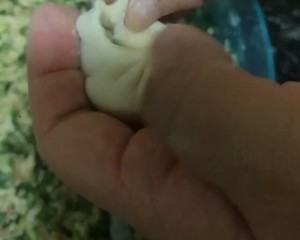
 Spoon a generous 1 Tbsp of filling onto the wrapper. Hold it in your left palm and turn it as you pleat with your right thumb and index finger, lifting and pinching each fold against the previous one. When closed, flatten the pleated collar down and twist it shut.
-
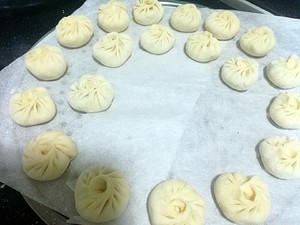
 Set the buns pleat-side up on parchment or an oiled tray, cover with a dry cloth, and half-proof: 10 minutes at room temperature (about 77°F / 25°C), 8 minutes on a hot summer day, or 12–14 minutes in winter with the tray set over a pot of warm water. Do not let them double — this is a half-fermented bun, and a full proof turns the skins bread-thick.
-
 Heat the oil in a large nonstick skillet over medium heat and arrange the buns in one layer. Fry 1 minute, until the bottoms start to set.
-
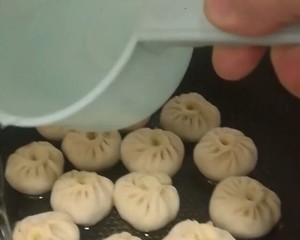 Carefully pour water around and over the buns to reach half their height, cover, and keep at medium heat — the water should simmer steadily to cook the dense, vegetable-heavy filling through.
-
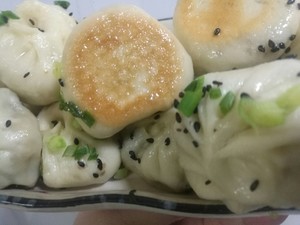 When the noise changes to a hollow fizzle, the water is low: reduce to low heat, lift the lid, and scatter the sesame seeds and scallion over the top. Cover again for a minute, then turn off the heat and rest 2 minutes.
-
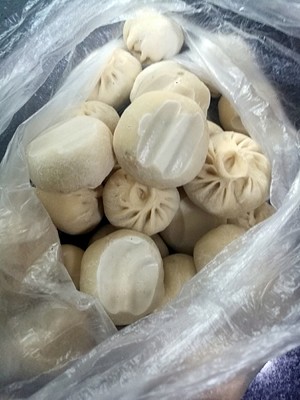 Shake the pan to loosen the bottoms and lift the buns out. Serve immediately — the skins are at their tender-chewy best straight from the pan.
Why this recipe works
This is a home cook's sheng jian bao built on two disciplines: a lean, half-fermented dough and a vegetable-heavy filling that still stays juicy.
1. The half-ferment. Classic Shanghai sheng jian bao use a dough that gets only one short proof — after shaping, never before. The full 15-minute knead supplies the strength that a long bulk rise would normally give, so the skins can be rolled thin, and thin skins mean more filling per bite and faster frying. Proofed too long, the same dough turns into soft steamed bread; the 8–14 minute window is the whole trick.
2. Hydrate the pork, seal the chives. Water is beaten into the meat in stages until the meat itself says stop, keeping the protein loose and juicy. The chives and lotus root, meanwhile, are coated in oil before they ever meet salt — an oil film locks their water in, which is why this filling does not flood the pan.
3. Water to half the buns' height. This much filling needs real cooking, not a splash of steam. Half-submerging the buns boils the bottoms and steams the tops at once; the lid holds the steam in, and the hollow fizzle tells you the pan is dry and the crust is forming.
About the dish
Sheng jian bao are a Shanghai street breakfast at heart, but every Chinese home kitchen keeps its own version, and this one comes from a Cantonese home cook's notebook. Her twists are practical: a food processor for the aromatics and lotus root, a lean front-leg pork cut (what Western butchers call pork shoulder), and a filling built on a nearly one-to-one ratio of vegetables to meat — a lotus root and chive base that turns a rich pan-fried bun into something you can eat five of without regret.
Lotus root has long been the classic crunch partner for ground pork in southern Chinese cooking — in dumplings, meatballs and stuffed lotus-root slices alike — prized for staying crisp even after cooking, which is exactly what a filling needs when it will be boiled and fried at the same time. Her other rule is the one Shanghai vendors live by: half-ferment, never full. Full-fermented dough belongs to steamed bao; the chewy-tender thin skin of a proper sheng jian bao is a short-proof dough.
What to serve with it
These are a meal on their own — four or five to a plate with black vinegar and a little chili oil. For a bigger table, pair with a simple fried rice or a platter of boiled dumplings, the same pork-and-chive family cooked a different way, plus hot jasmine tea. The mini sizing is deliberate — smaller buns mean more golden bottom per bite and less waiting for the centers to cook through. A bowl of congee alongside keeps the morning street-stall spirit alive.
Pro tips
- This dough is intentionally small: 180 g of flour wraps about 20 buns at mini size, so some filling will be left over. To use it all, knead in an extra ¾ cup (90 g) flour, 3 Tbsp (45 ml) water and a pinch more yeast for about 30 fuller buns — or pan-fry the surplus as small meat patties.
- The 15-minute knead is not a typo — it is what makes a thin, half-fermented skin strong enough to carry a juicy filling without tearing.
- Stop adding water to the meat the moment it stops absorbing; the lotus root releases a little moisture of its own as it cooks, and excess water is the main cause of soggy bottoms.
- Lotus root is the crunch here: fresh is best, but canned (rinse and drain well) or thawed frozen both work. Do not boil it first — the raw mince stays crisp through the fry.
- Watch the proof times like a hawk. The gap between a 10-minute half proof and a 40-minute full proof is the gap between a springy pan-fried bun and a soft steamed-bread bun.
Storage & leftovers
- Best hot from the pan; leftovers keep 1 day refrigerated and re-crisp in a dry skillet over medium heat, 2–3 minutes with the lid on.
- Refrigerate shaped, unproofed buns overnight on an oiled, covered tray and pan-fry straight from the fridge, adding 1–2 minutes.
- Freeze half-proofed buns tray-solid, bag for up to 1 month, and fry from frozen without thawing — add 2–3 covered minutes.
Frequently asked questions
What does half-fermented (ban fa) dough mean here?
The dough never does a bulk rise — it is kneaded, shaped immediately, and proofed only 8–14 minutes after shaping. You get a skin with slight airy tenderness at the surface but a chewy body, the classic sheng jian bao texture, rather than the open crumb of a steamed bun.
Can I substitute the lotus root?
Yes — water chestnuts or jicama give a similar sweet crunch; dice rather than mince them. Canned lotus root works too: rinse it well and pat dry before mincing.
Can I refrigerate or freeze the shaped buns?
Both, with conditions. For next-day buns, shape them unproofed, space them on an oiled tray, wrap well and refrigerate overnight — they slow-ferment in the fridge and fry up just as good. For the freezer, half-proof first, then tray-freeze; yeast will not finish its job in the freezer, so never freeze freshly shaped buns.
Why is my filling watery?
Usually one of two things: the water beaten into the pork went past what the meat could absorb, or the chives were not coated in oil before they met the salted meat. Season the meat, never the chives directly.
My skins came out thick and bready. What happened?
The buns over-proofed. Keep the shaping proof to 8–14 minutes and fry right away; in a very warm kitchen, move to the shorter end of the range.
Why is there no flour slurry for a lacy skirt?
This home-style version pours plain water to half the buns’ height, so you get crisp golden bottoms rather than the connected lacy skirt that a flour-water slurry creates. The lotus root crunch, not the skirt, is this recipe’s signature.
What do you serve with sheng jian bao?
Keep it simple: black vinegar and a little chili oil for dipping, hot jasmine tea to cut the richness, and — for the full morning street-stall feel — a bowl of plain congee alongside. They need nothing fancier.