Sichuan · Noodles
Braised Eel Noodles (红烧鳝丝)
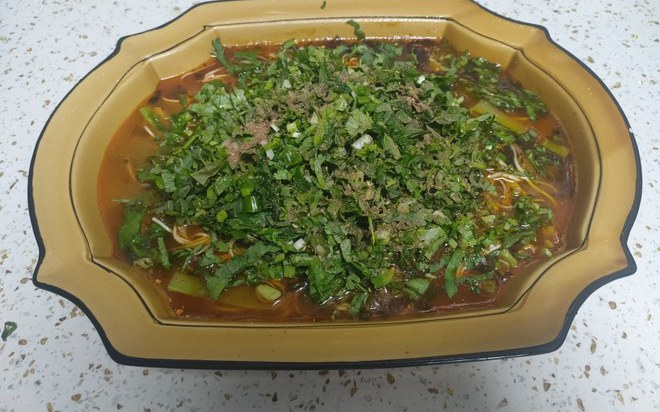
Silky eel shreds simmered in a doubanjiang broth built on the eel’s own poaching liquid, finished with sizzling chili oil — Emei-style noodle soup.
Instructions
-
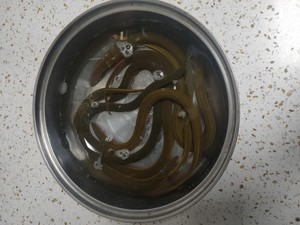 Rinse the eels under cold running water and rub off any slime. If your fishmonger has already cleaned and butterflied them, skip straight to the poaching step.
-
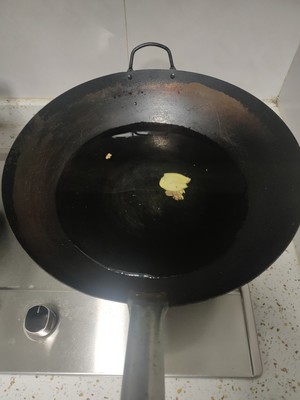 Put the eels in a pot of cold water with the smashed ginger and bring it up to a boil over medium heat — starting cold keeps the fish calm and the flesh from seizing. Once boiling, cook 5 minutes; the eels should be just about 70% done, firm but not flaking.
-
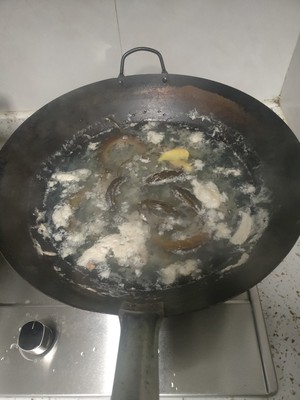 Lift the eels out onto a tray, then strain the poaching liquid through a fine sieve and skim the gray foam off the top. Reserve this broth — it is the backbone of the sauce.
-
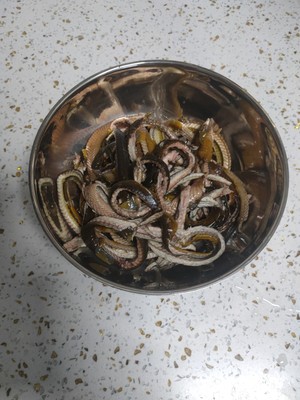
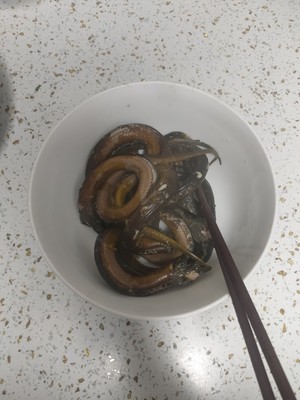 When the eels are cool enough to handle, strip the meat off the bones: hold the tail end on the board, press a small knife flat against the spine and slide it down the length of the fish, lifting off a whole strip of meat. Flip and repeat on the other side; each eel yields two or three long strips. Cut the strips into 5 cm (2 inch) shreds. Keep the bones and heads if you want the crispy-bone snack.
-
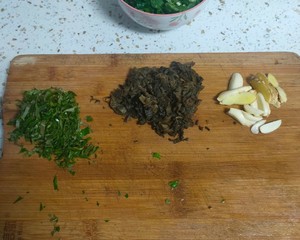
 Prep everything else before the wok goes on: sliced ginger and garlic, the rinsed dongcai, and a small bowl holding the scallion, cilantro and Korean mint for the finish.
-
 Heat 5 Tbsp of the rapeseed oil in a wok over medium-high heat until it shimmers, about 350°F/175°C — a chopstick tip dipped in should fizz steadily.
-
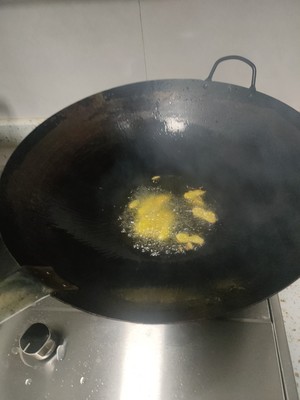 Add the ginger and garlic slices and fry about 30 seconds, until they smell toasty and the edges just turn gold.
-
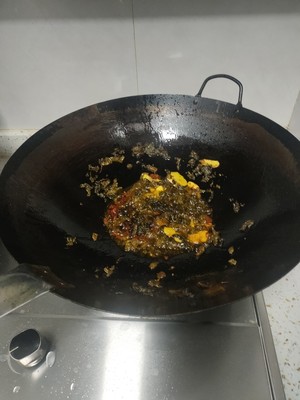 Add the dongcai and the doubanjiang, turn the heat down slightly, and stir-fry about 40 seconds, until the paste turns brick-red and the oil around it blushes orange. Do not let it scorch — bitter doubanjiang will ruin the broth.
-
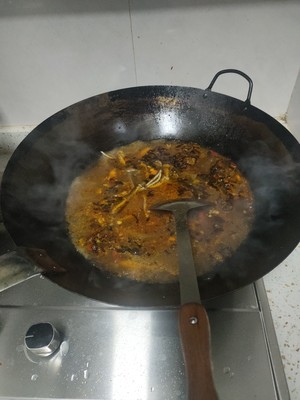 Pour in the reserved eel broth (about 5 cups / 1.2 liters) and the Shaoxing wine, and bring to a rolling boil. The wine rounds off the faintly muddy note the poaching broth carries.
-
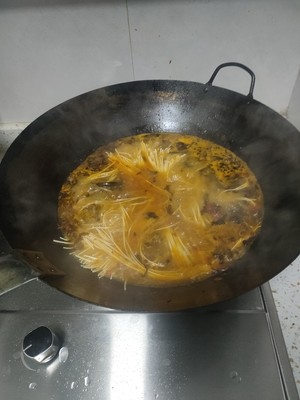 Slip in the eel shreds and simmer 3 minutes over medium heat — just long enough for them to drink some broth and go completely tender. Taste and add the salt; the dongcai and doubanjiang are already salty, so season cautiously.
-
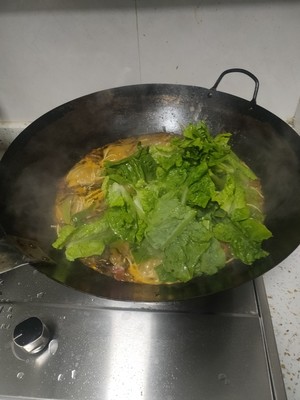 Add the noodles, pressing them under the broth, along with the lard. Fresh noodles need only about 30 seconds before the next step; dried noodles will need 2–3 minutes — follow the package and stay a minute under.
-
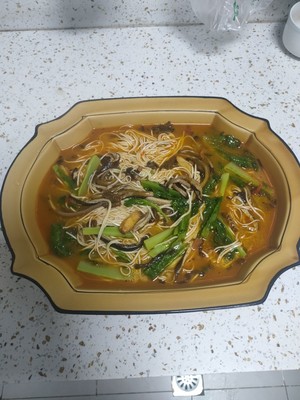 Add the celtuce slices and cook 2 minutes, then drop in the celtuce leaves for the final 15 seconds, just until wilted and bright green.
-
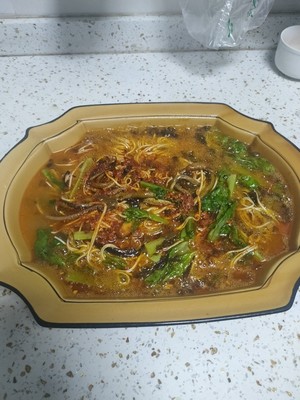 Ladle everything into wide bowls. Sprinkle the chili powder evenly over the surface of each bowl.
-
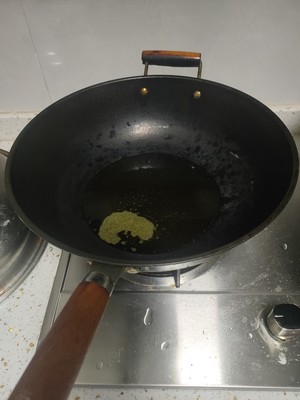
 Heat the remaining 2 Tbsp oil in a small pan until it just smokes, about 450°F/230°C, and pour a sizzling spoonful over the chili powder in each bowl — it should crackle and bloom red instantly.
-
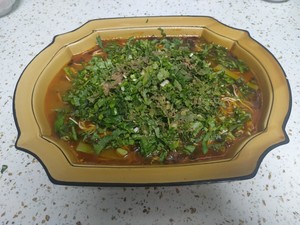
 Scatter the scallion, cilantro and Korean mint over the top, dust with the ground Sichuan pepper, and serve immediately while the noodles are still drinking broth.
-
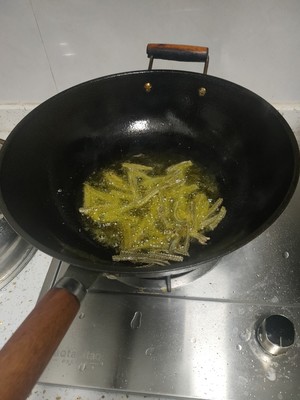 For the optional crispy bones: snip the heads off the reserved bones, rinse and cut them into short sections, and toss with the ½ tsp salt and white pepper. Fry them in 375°F/190°C oil for 1–2 minutes — they are thin and crisp almost immediately — and serve alongside as a crunchy snack. Save the frying oil for the chili-oil finish in step 14.
Why this recipe works
This is the home-cook version of Linjiang eel shreds, a specialty of Emei in Sichuan, and its magic is economy: every part of the fish does a job.
1. Poaching from cold water. Starting live eels in cold water is partly safety, mostly craft. A slow climb to a boil sets the flesh gently at the moment it is only 70% cooked — firm enough to strip off the bone in clean ribbons, supple enough to finish tender in the broth. Fish pushed straight into boiling water seizes, and seized eel shreds into wool.
2. The broth is built from the fish itself. That poaching liquid, skimmed and strained, becomes the braising base — scented with ginger, sharpened with Shaoxing wine to round the faint river-mud note, and reinforced with dongcai and doubanjiang fried until the oil runs red. Nothing here is stock from a box; the flavor chain is unbroken.
3. A raw finishing layer. The soup arrives mild and bowl-warm, then gets hit at the table: chili powder bloomed under smoking oil, a dust of Sichuan pepper, and a fistful of raw herbs. The contrast of silky cooked eel, springy noodles and that last uncooked, sizzling layer is what makes the dish feel bigger than its ingredient list. That raw finishing layer is also why hand-stripped shredded eel noodles taste fuller than anything cut from a fillet — every ribbon keeps its juices.
About the dish
Eel (鳝鱼) holds a special place in Sichuan home cooking, and the riverside town of Linjiang, near Emei mountain, is famous for its eel shreds — eel stripped by hand, braised in a rusty-red broth, and traditionally served over noodles. The original shop versions are thrifty and fierce: cheap fish, heavy aromatics, a chili-oil finish poured at the table.
This is a family adaptation of that tradition, the kind of dish a Sichuan home cook makes when guests come — impressive on the table, humble underneath. Hand-stripping the eel (生撕, tearing the meat from the bone raw-ish after a partial poach) is the old way; the story goes that market vendors once did the stripping for you, three clean ribbons per fish. The crispy fried bones are the cook's own perk, a beer snack born of not wanting to waste a thing.
What to serve with it
The bowl is a meal; keep the sides cool and blunt. A simple smashed cucumber salad calms the chili, and cold beer or barley tea does the rest — that is the Sichuan afternoon protocol. If you want a second dish on the table, stir-fried greens or a plate of boiled dumplings stretch the afternoon without competing with the broth. Serve the noodles deep in the bowl, chili oil sizzled on top at the last second, herbs scattered at the table. Kids can have theirs built before the chili oil goes on. Leftovers: keep broth and noodles separate. Hot broth, cold sides, a slow afternoon — that is the protocol for this rice field eel noodle soup.
Pro tips
- Poach the eels from cold water. Tossing live eels into hot water is exactly as chaotic as it sounds — cold water brings them up gently, and the low, slow heating keeps the flesh intact for clean stripping.
- The reserved poaching broth is the recipe's soul: it carries eel flavor that plain stock cannot fake. Skim it well and strain it, but never throw it away.
- Dongcai and doubanjiang are both salty, so add salt only after the eel has simmered — taste at the last moment, when all the salt sources are in the pot.
- Noodles keep absorbing broth on the way to the table, so undercook them slightly and leave the soup a little loose; it thickens to perfect by the third slurp.
- If whole eels are a step too far, ask the fishmonger for butterflied, boned eel fillets — you lose the crispy bones but keep the dish.
- The finishing hot oil is not optional theater: blooming chili powder in smoking oil changes it from dusty to fragrant, the same move that makes chili oil itself.
Storage & leftovers
- Store the broth, eel and noodles separately if you can; the noodles drink the soup overnight and swell into porridge.
- The broth and eel keep refrigerated in a sealed container for up to 2 days. Reheat to a full boil, then cook fresh noodles to order.
- Do not freeze the cooked eel — it turns mealy when thawed. The poaching-and-stripping is quick enough that freezing buys you little.
- Crispy bones will not keep their crunch in anything airtight; if you must store them, leave them uncovered on a rack overnight and re-fry 30 seconds before eating.
Frequently asked questions
How spicy is this noodle soup?
Hot as written — the chili powder topping and Sichuan pepper dust add real punch, though the broth itself is only mildly warm. For medium heat, cut the chili powder to 1 tsp and skip the Sichuan pepper; for kids, leave both off and stir a little chili oil into the adults' bowls only.
Where do I buy eel, and what can I substitute?
Asian fish markets sell farm-raised eel, usually cleaned and butterflied if you ask. There is no perfect substitute, but thick strips of firm white fish (catfish, monkfish) poached the same way make a respectable version — just shorten the poach to 3 minutes.
I cannot find dongcai, celtuce or Korean mint. What now?
Rinse zha cai (pickled mustard stems) for the dongcai; celery heart or cucumber for the celtuce; and a mix of cilantro plus a few mint or shiso leaves for the Korean mint. The structure of the dish survives all three swaps.
Can I prepare parts of this ahead?
Yes — poach and strip the eel a day ahead, keep the meat and broth refrigerated separately, and the whole dish collapses into a 15-minute weeknight cook. Fry the bones fresh; they lose their crunch overnight.
Why did my broth turn bitter?
The doubanjiang scorching is the usual culprit — keep the heat moderate during that fry — or the chili powder burned under the hot oil pour. Oil at 450°F blooms chili powder instantly; hotter than that and it burns within seconds.
Do I have to eat the crispy bones?
No — they are the chef's bonus track, not the dish. If you bone the eel at the market, skip them without guilt; the soup stands entirely on its own.
What is the difference between this and Cantonese e-fu noodles?
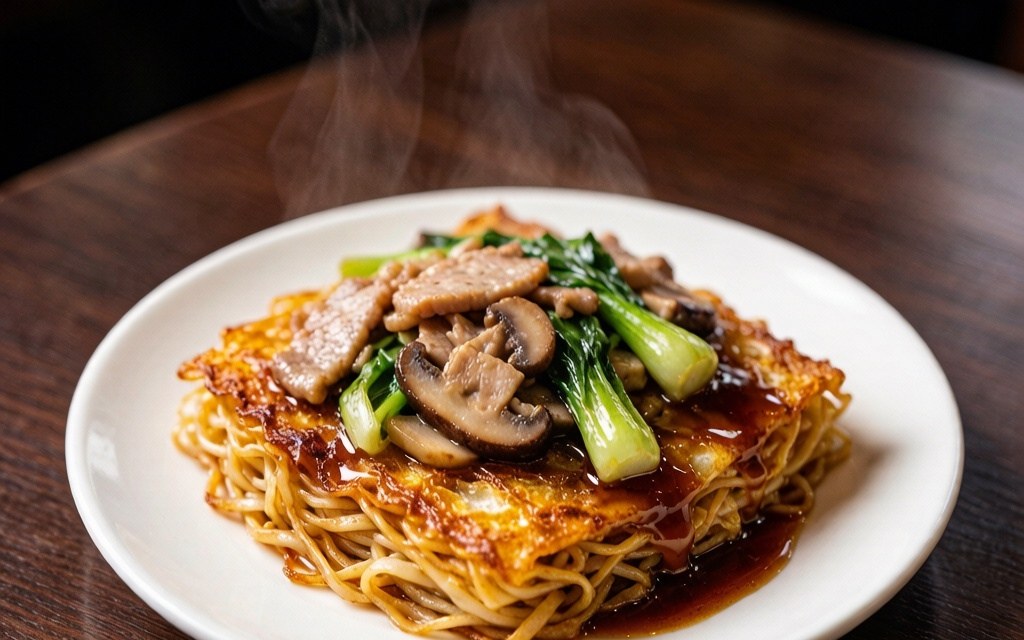
E-fu noodles are soft deep-fried egg noodles braised with ginger and scallion, usually with chunks of lobster or mushroom. This Emei-style bowl is springy wheat noodles in a doubanjiang broth built on hand-stripped rice field eel — a completely different animal in everything but the name.
How do I strip the eel meat off the bone myself?
Poach the eel only until it is about 70% done, lift it out, and pull the spine away in one slow draw — the flesh peels off in clean ribbons. If it resists, give it one more minute in the water; overcooked eel shreds instead of stripping.