Xinjiang · Noodles
Xinjiang Diced Noodles (新疆丁丁炒面)
Hand-pulled noodle cubes stir-fried with tomato, onion and lamb in a tangy red sauce — Xinjiang's beloved ding ding chao mian with exact weights and no guesswork.
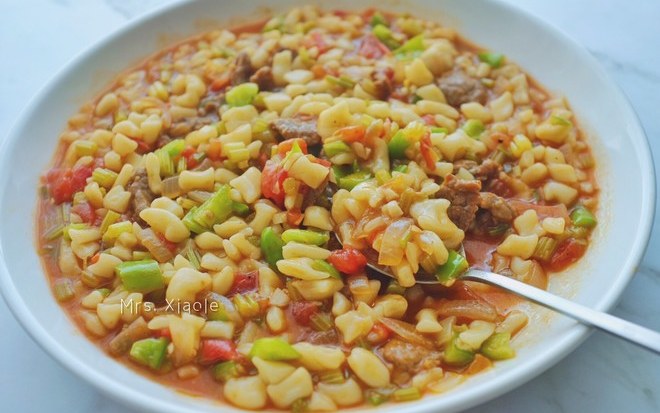
Instructions
-
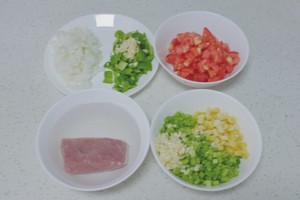 Soak the beef in cold water for 10 minutes to draw out the blood, then pat dry and slice thin across the grain. Meanwhile dice the tomatoes, onion and green pepper, cut the celery small, and mince the garlic — put half the garlic with the celery and half with the green pepper.
-
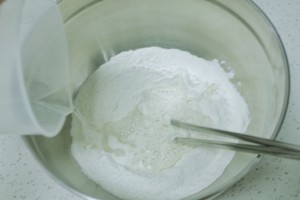 Make the dough: stir the flour with ¼ tsp salt, pour in the water while stirring in one direction, and keep going until no dry flour remains and you have a shaggy mass.
-
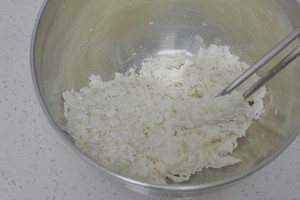 Knead with the heel of your hand, folding the dough toward the center about 20 times, until it holds together with no dry bits. Cover with plastic wrap and rest 10 minutes.
-
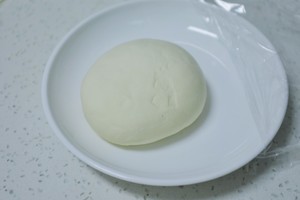 Knead another 20 presses — you will feel it smooth out. Cover and rest 10 minutes more, then knead 20 presses again; the dough should now be very smooth and slightly tacky but not sticky.
-
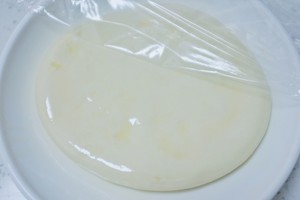 Flatten the dough into a thick disc, brush it generously with oil on all sides, cover, and rest 30 minutes. This long oiled rest is what makes it stretchable later.
-
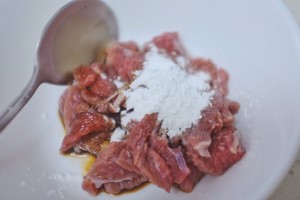
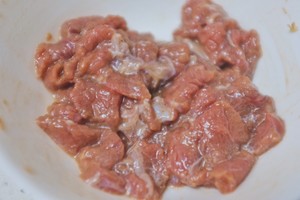
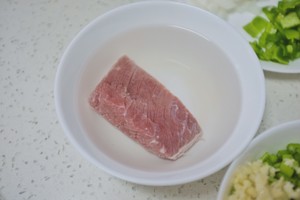 Marinate the meat while the dough rests: toss the slices with ¼ tsp salt, the Sichuan pepper and the light soy sauce. Add the cornstarch and egg white and massage in one direction until the meat absorbs the liquid, then finish with 1 tsp oil and leave it alone.
-
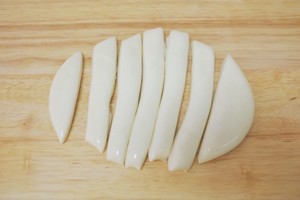
 Oil your work surface generously — bare dough grabs the board and tears. Cut the oiled disc into strips about a finger thick, roll each strip lightly to round it, and let the strips sit oiled on the board.
-
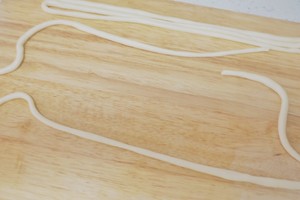
 Take one strip and pull gently from one end, letting it stretch under its own weight while you roll it between your palms. Stretch it to the length of your board, lay it down, and start the next one.
-
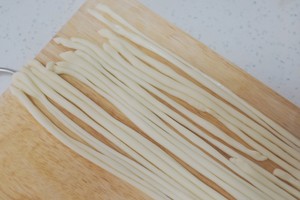
 Lay the ropes side by side, then cut across them into small cubes about 1 cm (½ inch) — the ding ding. Toss the cubes lightly in the oil on the board so they stay separate.
-
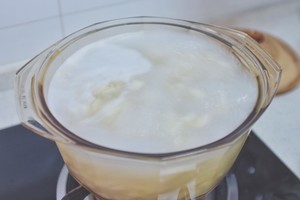
 Drop the cubes into a pot of boiling water and stir immediately with a slotted spoon so they do not stick to the bottom. Clumps at this stage are fine — they come apart in the rinse.
-
 When the water returns to a boil, add a cup of cold water; let it boil again and add cold water once more (the dumpling-maker's trick). The cubes are done when they float and look plump and translucent at the edges.
-
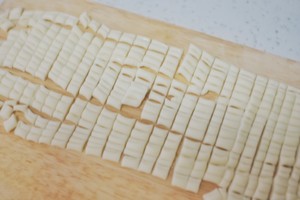 Fish them out and rinse under cold water several times, rubbing gently until every clump separates, then drain very well.
-
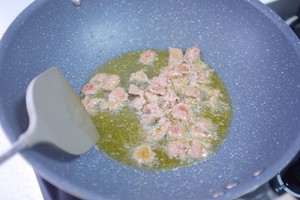
 Heat a wok or 12-inch skillet over high heat until it just starts to smoke, add 2 Tbsp of the oil and swirl. Add the marinated meat and stir-fry 1–2 minutes, until the slices turn pale gold on the surface.
-
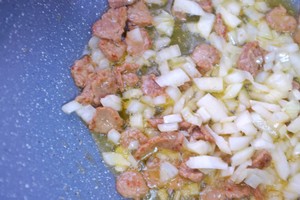
 Add the onion and stir until it softens and turns translucent, about 1 minute. Add the celery and the first half of the garlic and toss 30 seconds, until fragrant.
-
 Add the diced tomatoes and the tomato paste. Fry, pressing the tomatoes with your spatula, until they break down and release their juice, about 2 minutes, then pour in ½ cup (120 ml) water and bring it to a boil.
-
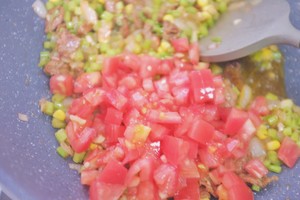 Add the drained noodle cubes and toss a few times so they drink the sauce and heat through, 1–2 minutes.
-
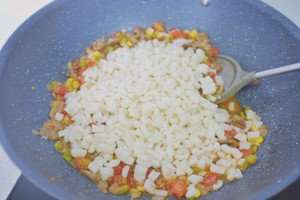 Add the green pepper, the remaining raw garlic, ½ tsp salt, the bouillon powder (if using) and the dark soy sauce. Toss about 1 minute, until the pepper just loses its raw edge but still snaps.
-
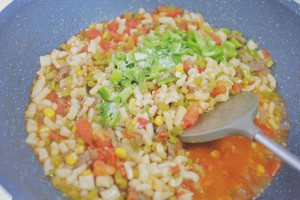 Taste the sauce. If the tomatoes were not tart enough, splash the vinegar around the edge of the hot wok, give one final toss, and serve immediately.
Why this recipe works
Ding ding noodles live or die by texture: the little cubes must stay bouncy through a boil, a rinse and a hot wok. Three habits make that happen.
1. A stiff dough, rested in oil. Two parts flour to one part water makes a dough firm enough to hold its shape when cut, yet the three short kneads — twenty presses, rest, twenty more, rest — build the gluten it needs to stretch without snapping. Brushing the disc with oil and giving it a final 30-minute rest makes it slack enough to pull into ropes by hand.
2. Boil like dumplings, rinse like salad. Adding cold water twice to the pot — the dumpling-maker's trick — lets the dense little dice cook to the center without going soft outside. A long cold rinse afterward rubs off starch and separates any cubes that clumped, which keeps the wok work clean instead of gummy.
3. Tomato twice. Fresh tomatoes bring juice and brightness; a spoonful of tomato paste brings depth and the deep red the dish is known for. Simmering the noodles briefly in that sauce hydrates them fully, and the green pepper and raw garlic go in last so their bite survives.
About the dish
Xinjiang, in China's far northwest, is lamb-and-wheat country, and its most famous noodle is the laghman-style pulled noodle known locally as la tiao zi — part of a pulled-noodle family that stretches across Central Asia. Ding ding chao mian is the home-kitchen variation: instead of stretching the ropes into long strands, you cut them into pea-sized cubes (ding means cube) and boil them like gnocchi before a fast tomato, onion and lamb stir-fry. Every household argues about the mix-ins — celery or no celery, corn kernels in or out — but the red, glossy, slightly sour sauce and the chewy dice are non-negotiable. The original author learned her dough during pandemic lockdowns when the noodle shops were shut, which is how most Xinjiang kids learn it: watching a parent pull ropes at the board.
What to serve with it
This Uyghur stir-fried noodle bowl — chopped laghman noodles cut into little dice — needs nothing else alongside it: meat, vegetables and starch in one, and Xinjiang cooks would call it a full meal. If the table is crowded, a quick cucumber salad refreshes palates between bites of the chewy cubes, and strong black tea is the classic Xinjiang way to finish. Ready for more hand-pulled projects? Browse our noodles collection for the next one.
Pro tips
- Weigh the dough ingredients if you possibly can: flour to water at exactly 2:1 by weight gives a dough stiff enough to cut into clean cubes but still stretchy. Eyeballed water is how doughs end up sticky.
- Three short kneads with rests always beat one long knead — the rests let the gluten relax, so twenty presses do the work of a hundred.
- Oil the board and the dough generously before cutting; bare dough grabs wood or laminate instantly and shreds.
- Boil the dice in two batches if your pot is small — a crowded pot drops the water temperature and the cubes go soft outside before cooking inside.
- Taste the tomato sauce before the final seasoning: if your tomatoes were bland, a splash of vinegar around the hot wok edge at the end rebuilds the signature tang without watering anything down.
- Keep the green pepper and the second half of the garlic out until the last minute — they are there for crunch and a raw bite that cuts through the stewed tomato.
Storage & leftovers
- Refrigerate leftovers in a sealed container for up to 2 days; the cubes firm up in the cold.
- Reheat in a skillet with 2 Tbsp water over medium heat, stirring, for 3–4 minutes, until steaming hot; add a splash of light soy sauce to freshen the sauce.
- The uncooked oiled dough keeps wrapped in the fridge for up to 24 hours; bring to room temperature before stretching.
- Freezing the finished dish is not recommended — the cubes turn grainy and the tomato sauce separates. The sauce base alone, however, freezes well for up to a month.
Frequently asked questions
Is ding ding noodles spicy?
No — the classic version is mild: tomato sourness, sweet onion and the gentle warmth of Sichuan pepper. Add chili flakes or a chopped fresh chili with the onion if your table likes heat.
Can I use store-bought noodles instead of making dough?
Yes — the stir-fry is unchanged. Buy fresh ramen or lo mein noodles and cut them into 1 cm (½ inch) pieces before boiling, or use small pasta such as ditalini. Boil 1 minute less than the package says and rinse cold as directed.
Lamb or beef?
Lamb is the Xinjiang classic and gives the dish its depth; beef is milder and is what the original recipe used. Either way, slice thin across the grain and marinate — the cornstarch and egg white keep even lean cuts tender.
My dough snaps back when I stretch it. What is wrong?
It needs more rest. The gluten has not relaxed — give it an extra 15–30 minutes, warm, well-oiled and covered. A rested dough stretches under its own weight; an unrested one fights you.
The noodle cubes clumped together after boiling. Are they ruined?
Not at all. Hold them under cold running water and rub gently — the clumps come apart, and the rinse also removes the starch that would gum up the wok. Drain well before they hit the sauce.
Can I prep anything in advance?
The dough can rest, oiled and wrapped, in the fridge overnight (bring it to room temperature before stretching), the meat can marinate overnight, and all the vegetables can be diced in the morning. Assembly is then about 20 minutes.
How is this different from laghman?
Same dough, same lamb-and-tomato stir-fry — laghman keeps the noodles long, while ding ding chao mian cuts them into 1 cm cubes whose cut edges fry up crackly and grab more sauce per bite.
What vegetables can I swap in?
The classic mix here is tomato, onion, green pepper and celery. Red bell pepper, mushrooms or garlic shoots all work — just dice everything small so it fries in the same time as the noodle cubes.