Shanghai · Noodles
Shanghai-Style Pork Chow Mein (上海粗炒面)
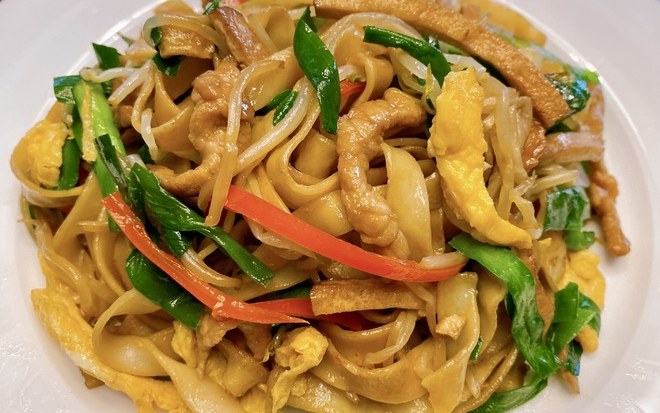
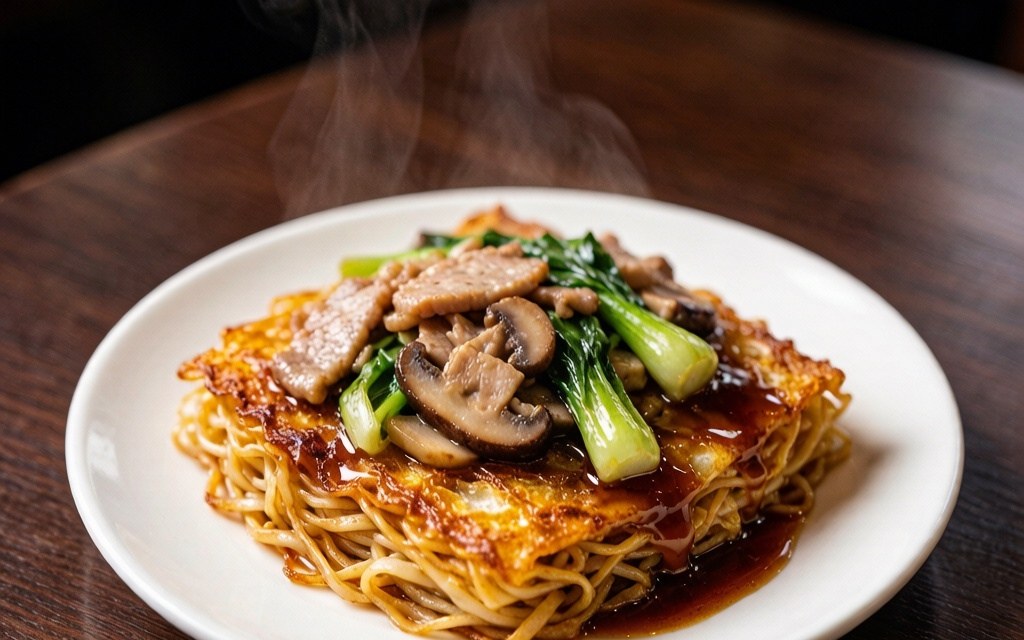
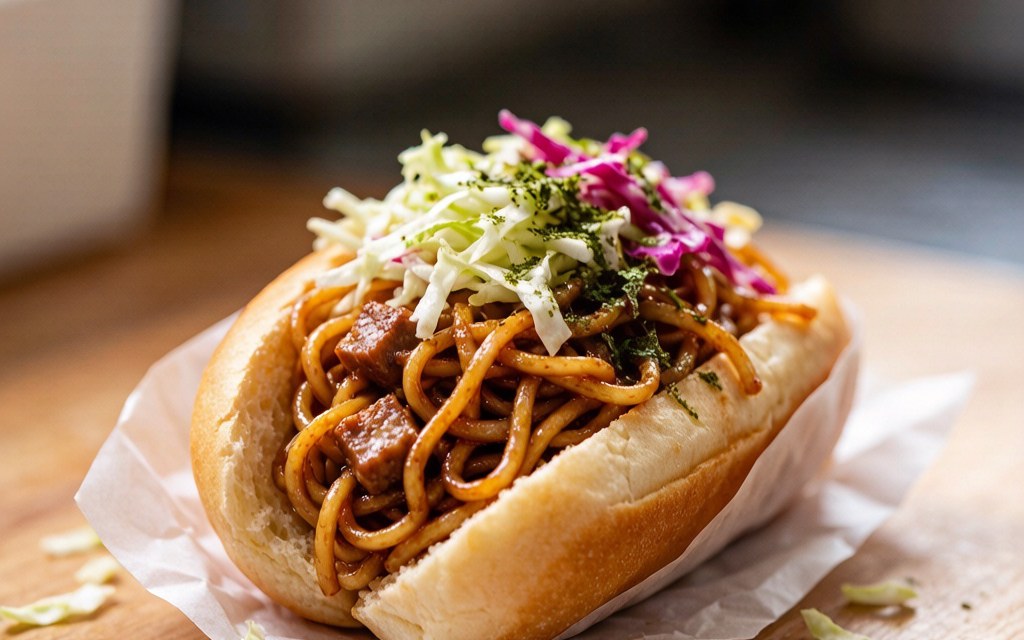
Shanghai thick-noodle chow mein: velveted pork, a boiled master sauce that clings instead of pooling, and noodles fried just to the edge of crisp.
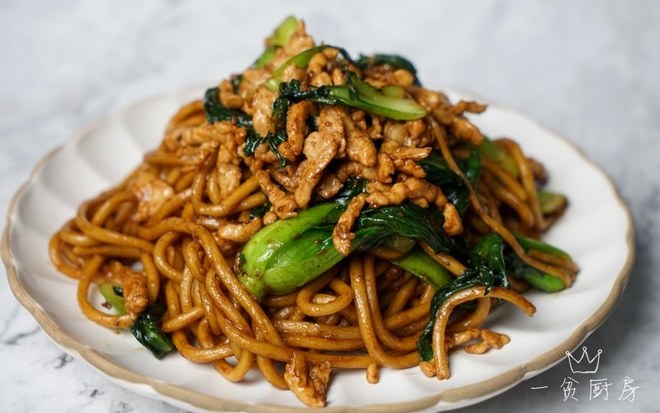
Instructions
-
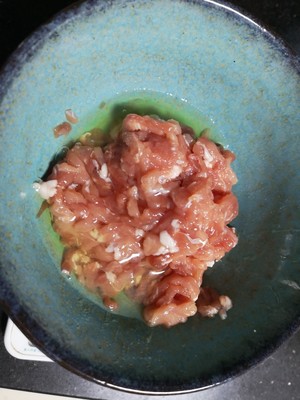
 Velvet the pork (do this first — it needs at least 2 hours or ideally the night before): toss the pork shreds with the ½ tsp salt and massage until slightly sticky, stir in the cold water until absorbed, then the egg white, then the cornstarch, and finish with the 2 tsp oil to keep the strands separate. Cover and refrigerate 2 hours or overnight.
-
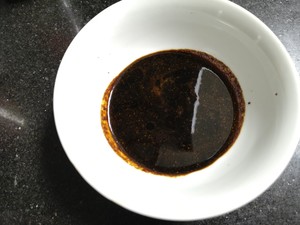
 Make the master sauce: combine the dark soy, light soy, sugar, white pepper, five-spice and salt in a small saucepan, bring just to a boil, and turn off the heat. Briefly boiling the sauce is a real technique — it deepens the flavor and slightly thickens it so it clings to the noodles instead of pooling at the bottom of the plate. Set aside.
-
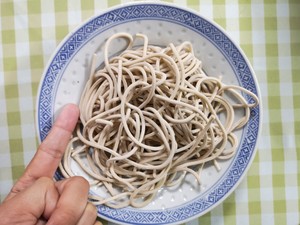
 Boil the noodles: cook fresh thick noodles in boiling water for 2 minutes (dried noodles: 1 minute less than the package says), until just past al dente. Drain, rinse briefly under cold water, and toss with 1 tsp oil so they don't clump.
-
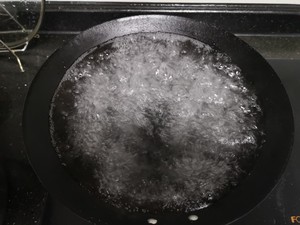 Heat a wok over high heat until it just smokes. Add 2 Tbsp oil, then the velveted pork, spreading it out. Let it sear 20 seconds, splash in the Shaoxing wine, and stir-fry 1–2 minutes, until the shreds are just cooked through and pale gold. Remove to a plate.
-
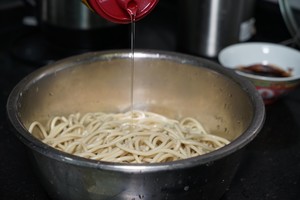 Add the remaining 1–2 Tbsp oil along the wok's edge, then the drained noodles. Spread them into an even layer and let them sit undisturbed for 30–40 seconds to toast and pick up color, then toss. Repeat the sit-and-toss once or twice, 2 minutes total — some noodles should get lightly crisped edges.
-
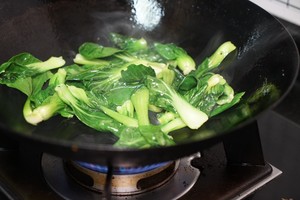 Pour the master sauce around the rim of the hot wok (it should sizzle on contact), then toss vigorously for 30 seconds until every strand is evenly mahogany.
-
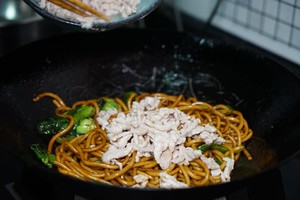 Add the bok choy and the pork back into the wok and toss 30–60 seconds more, until the greens are just wilted but still bright green. Serve immediately — chow mein waits for no one.
Why this recipe works
Most home chow mein disappoints in the same three ways: bland pale noodles, gray rubbery pork, and a watery pool at the bottom of the plate. The Shanghai method — the one street vendors here actually run — fixes all three with techniques worth learning for life.
1. The velvet. Salt-then-water-then-egg-white-then-starch, finished with oil and rested, is the full formal marinade (上浆) that Chinese kitchens use for every stir-fried shred of meat. The starch-egg film holds moisture under wok heat; the final oil coat keeps strands separate. Two hours minimum — it's a marinate, not a toss.
2. The master sauce (复制酱油). Instead of splashing raw soy and hoping, the sauce is pre-mixed and briefly boiled, so it's mellow, consistent, and just thick enough to hang on the noodles. Adjust it once and every batch of noodles for the next two weeks tastes the same.
3. Toasted, not stirred. Noodles fried in a hot layer — sit, flip, sit — develop crisp toasted edges while staying chewy, the texture signature of Shanghai cu chao mian (粗炒面, literally "thick fried noodles"). Constant stirring is the enemy.
About the dish
Shanghai's cu chao mian is the city's plain-spoken noodle: thick wheat noodles, dark soy, a little pork, some greens, wrapped in paper on street corners for a century. Unlike Cantonese chow mein — which chases crispness with a sauce poured over at the end — the Shanghai version is about the noodle itself: chewy, soy-dark, with just enough fat and char to make a whole meal of a 15-yuan plate. Vendors cook it over roaring flame in seasoned woks; at home, a ripping-hot pan and dry noodles get you most of the way.
The dish is also the template for Chinese home fried noodles everywhere: once you have the master sauce and the velvet, whatever vegetables and protein the fridge offers becomes dinner. That flexibility is why every Chinese household has a version of this dish and no two are identical. On the chow mein vs lo mein question: chow mein fries the noodles themselves, lo mein tosses boiled noodles with the topping — this recipe is firmly the frying kind.
What to serve with it
It's a complete one-plate meal. For a fuller table, add potstickers and a smashed cucumber salad; the noodles also love a spoonful of our homemade chili oil for heat seekers. Hot green tea or warm soy milk rounds out the counter-style meal. Kids usually ask for less sauce and extra pork; adults ask for the crispy bits scraped straight from the wok. Leftover noodles re-fry better than they microwave: two minutes in a hot pan revives the chew and re-crisps the edges. For chicken chow mein, swap the pork shreds one-for-one — the velvet and timing stay exactly the same.
Pro tips
- Thick noodles are non-negotiable for the Shanghai version — thin noodles fry up dry and tangled. Look for fresh "Shanghai style stir-fry noodles" or "lo mein noodles" at Asian groceries; spaghetti in a pinch.
- The velvet (stir-fry marinade) is the same trick as our kung pao chicken: salt, water, egg white, starch, oil. It turns even lean pork silky — and it must rest 2+ hours to work.
- Boil, don't simmer, the master sauce — and don't reduce it further. Over-reduced sauce turns salty and gluey.
- Undercook the noodles by a full minute: they finish cooking in the wok's steam. Boiled-soft noodles tear and go mushy at this stage.
- The sit-and-toss noodle technique (let them toast in a layer, then flip) is what creates the coveted mix of chewy centers and crisped edges. Constant stirring steams them instead.
- Add-ins that stay true to the style: shredded shiitake, bean sprouts thrown in at the very end, or a fried egg on top.
Storage & leftovers
- Refrigerate up to 2 days in a sealed container.
- Re-fry in a hot skillet with 1 tsp water for 2 minutes — it crisps back up better than the microwave.
- The master sauce keeps in a jar for 2 weeks; triple the batch and you've got instant noodle seasoning.
Frequently asked questions
What noodles should I buy for chow mein?
For this Shanghai style: fresh thick round wheat noodles labeled for stir-frying or lo mein. Avoid instant ramen (too curly and oily) and rice noodles (a different dish entirely).
Why boil the soy sauce? Isn't that pointless?
Raw soy sauce tastes sharp and one-note; 20 seconds of boiling mellows it and slightly concentrates it so it coats the noodles. It's a restaurant technique (复制酱油, "processed sauce") that costs nothing.
Can I use chicken instead of pork?
Yes — same velvet, same timing; chicken breast shreds work beautifully. Shrimp need only half the stir-fry time.
My noodles stuck to the wok. Did I ruin it?
A little sticking is flavor — pry the crisp bits up and toss them back in. Real sticking means the wok wasn't hot enough before the noodles went in, or there was too little oil.
Is this the same as takeout chow mein?
Takeout versions are usually thinner-noodled, sweeter and wetter. This is the Shanghai street standard: chewy-thick noodles, deeper soy flavor, dry rather than saucy.
Can I make it ahead for lunch boxes?
It keeps a day refrigerated and is genuinely good cold or re-fried. Re-fry in a hot pan with a few drops of water to re-loosen the sauce.
What's the difference between chow mein and lo mein?
Chow mein (炒面) means stir-fried noodles — they go into the wok and toast in a layer; lo mein (捞面) means tossed noodles — boiled soft and mixed with the topping at the end. This Shanghai version is chow mein territory: chewy centers, crisped edges.
Can I skip the 2-hour velvet?
You can, but you lose the silk. Even 30 minutes of salting helps, and the full 2 hours or overnight is what makes lean pork shreds tender the way the noodle shops get them. The steps are written for the full velvet.