Cantonese · Noodles
Cantonese Pan-Fried Noodles (广东炒面)
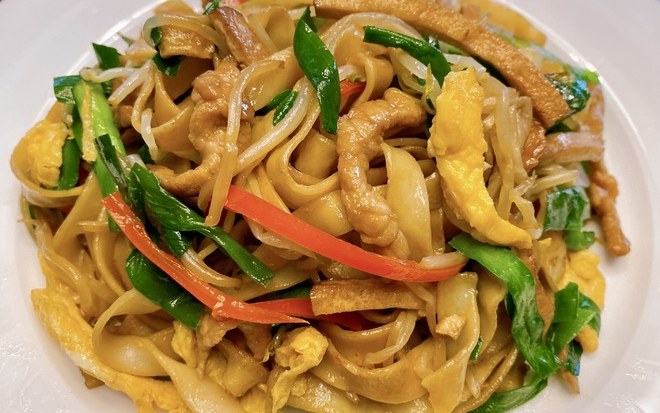
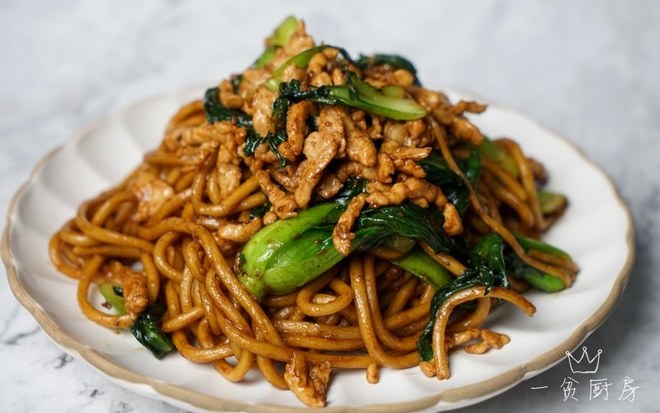
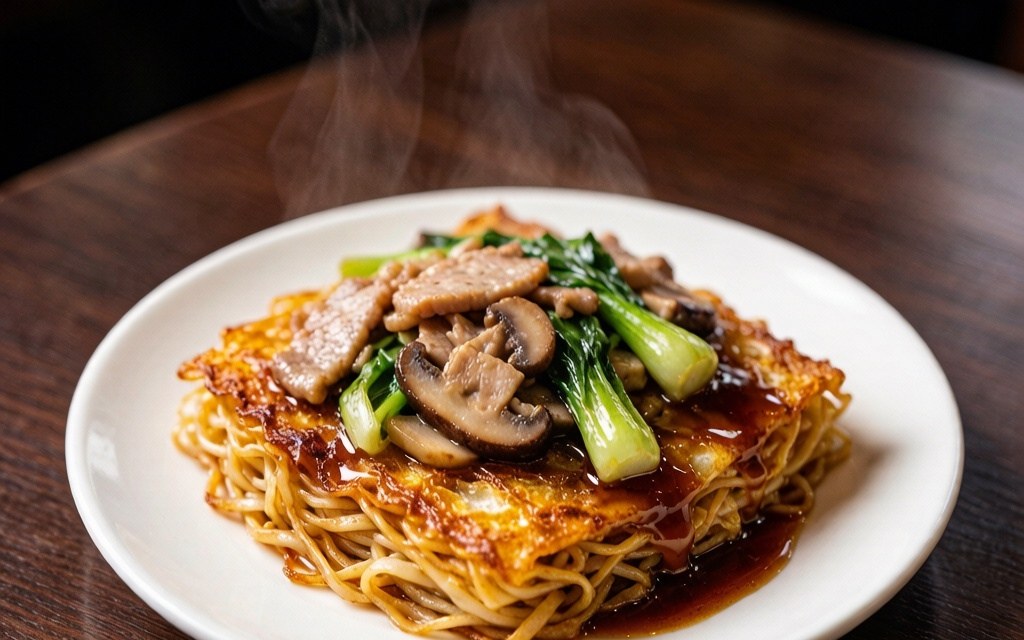
Cantonese pan-fried noodles, crisp on both sides and chewy inside, tossed with egg, carrot and scallion in glossy soy sauce — exact grams, no soggy noodles.
Instructions
-
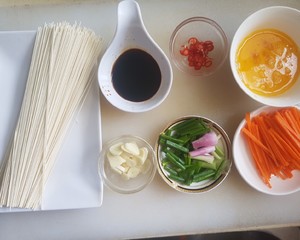 Mix the noodle sauce: stir the light soy sauce, dark soy sauce, oyster sauce and sugar in a small bowl until the sugar dissolves. Beat the eggs with ⅛ tsp of the salt in a separate bowl, then set both beside the stove with the carrot, scallions and garlic.
-
 Cut the carrot into fine matchsticks about 2 mm (1/16 inch) thick — thin is what lets it cook through in a minute. Cut the scallions into 4 cm (1½ inch) sections and slice the garlic thin.
-
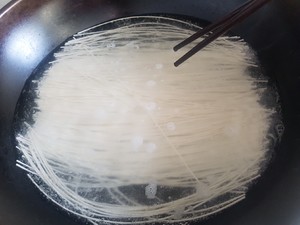
 Bring a medium pot of water to a rolling boil and add the dried noodles. Cook about 2½ minutes for dried noodles (about 1 minute for fresh), then pull out a strand and bite it: it should be just cooked, with no hard core. Underdone is better than soft here — soft noodles break and stick in the pan.
-
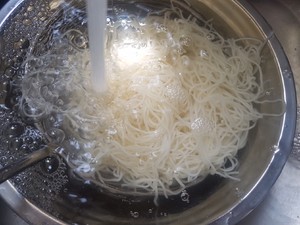
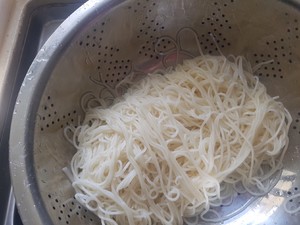 Drain the noodles and shock them under cold running water, tossing with your hand, until completely cool. This stops the cooking and washes off surface starch. Properly chilled noodles feel firm and springy, never slippery; if they feel slimy, they were overcooked, so shave a minute off the boil next time.
-
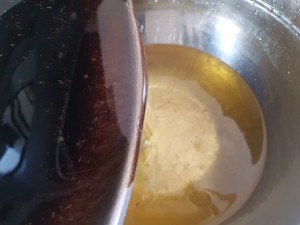 Drain thoroughly, spread the noodles on a plate, and let them air-dry for 3–5 minutes, tossing once or twice, until no water beads on the surface. Dry noodles fry crisp; wet noodles steam.
-
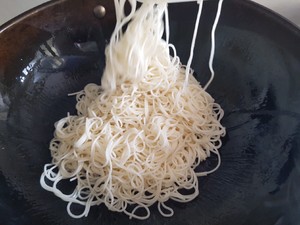 Set a wok or 12-inch nonstick skillet over medium heat with 2 Tbsp of the oil. Heat until it shimmers (about 120°C/250°F — dip a wooden chopstick in: small, slow bubbles mean ready). Tilt the pan to coat it completely, then pour the oil back into a bowl. This warm, oiled film is the reason the noodles will release instead of sticking.
-
 Spread the noodles evenly in the pan and fry over medium heat without moving them for 3–4 minutes, until the underside is golden and crisp in spots. Flip the whole cake — slide it onto a plate, invert the pan over it, then turn both over together — and fry the second side 2–3 minutes more.
-
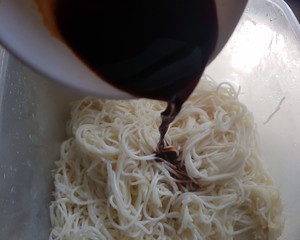
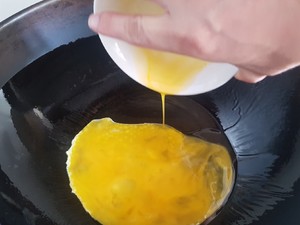 Slide the noodle cake out and add 2 Tbsp oil, lifting with chopsticks until every strand glistens. Pour the soy sauce mixture over and toss again until the noodles are evenly amber. Set aside on a plate.
-
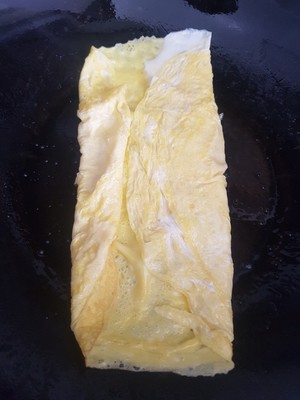 Make the egg shreds: add 1 tsp oil to the pan over low heat, pour in the beaten egg and swirl into a thin, even layer. Count 20 seconds, turn off the heat, and flip the crepe using only the residual warmth, then slide it out, roll it up and cut into thin shreds.
-
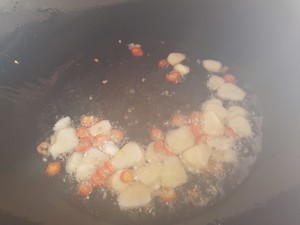 Put the pan back over medium heat with 2½ Tbsp oil — about 35 g, the right amount for a dry, not greasy, result. Add the garlic (and the chili, if using) and sizzle about 30 seconds, until the edges turn pale gold and fragrant but not brown.
-
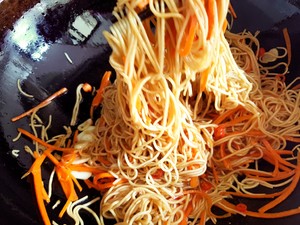 Add the carrot with the remaining ⅛ tsp salt and stir-fry 1–2 minutes, until it just loses its raw crunch and bends without snapping.
-
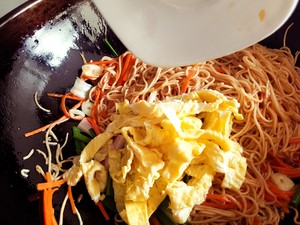 Add the sauced noodles. Use high heat if you are comfortable at the stove, medium otherwise, and work with two tools: sweep a spatula along the bottom of the pan with one hand while lifting and separating the strands with chopsticks in the other.
-
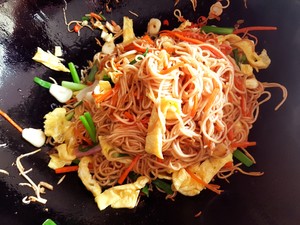 Keep tossing for 2–3 minutes, letting the noodles sit undisturbed for 20–30 seconds between lifts so they pick up golden, charred bits at the bottom. Add the scallions and egg shreds, give it 30 seconds more, and serve immediately.
Why this recipe works
Home versions of this dish fail in one of two ways: the noodles steam into a wet clump, or they weld themselves to the pan. Both problems are solved before the pan ever gets hot.
1. Boil, shock, dry. Fresh and dried noodles alike carry loose surface starch, and starch is glue. A short boil cooks them most of the way, a cold rinse stops the cooking and washes that starch away, and a few minutes of air-drying leaves the surface dry enough to fry instead of steam. The touch test is the quality gate: cool, firm, springy — never slippery.
2. Season the pan, then fry both sides. Warming oil through the pan and pouring it back out leaves a micro-thin film on hot metal — the cheapest nonstick coating there is. The noodle cake then builds a golden, crisp layer on each side before it ever meets the sauce — a true crispy noodle cake, which is where the crispness in the name comes from.
3. Sauce in a bowl, finish with two hands. Tossing the strands with soy sauce off the heat gives even color with zero burning. In the final stir, a spatula sweeps the bottom while chopsticks lift and separate the strands — together they do the work of a restaurant wok toss, no special arm required.
About the dish
Pan-fried noodles belong to Guangdong, where noodle shops work with alkaline noodles traditionally pressed under a bamboo pole (竹升面). Fry them until golden, dress them with soy sauce, and you get the family of dishes Hong Kong street stalls serve as soy-sauce chow mein (豉油皇炒面) — a dry, fragrant toss, usually with yellow chives and pork or shrimp. This home version keeps the Cantonese two-texture ideal: a crisp, faintly charred outside around chewy strands, crowned with egg shreds for color. The original author developed it during lockdown with whatever noodles the shops still stocked, which is very much the spirit of the dish — it has no fixed noodle, only a fixed standard: dry, intact strands, real fragrance from the pan, and never a puddle of oil.
What to serve with it
This is a dry, soy-forward noodle, so pair it with something wet and something cool. A light soup — egg drop or anything from our soups collection — keeps the meal from feeling parched, and a tangy smashed cucumber salad cuts through the fried edges. Feeding four? A plate of egg fried rice turns it into a proper Cantonese café spread. Strong, bitter tea is the traditional finisher. Shanghai knows the two-sided style as liang mian huang — "both sides yellow" — and eats it the same way: hot pan, dry strands, never a puddle.
Pro tips
- Everything that can happen before the pan happens first: sauce mixed, eggs beaten, vegetables cut, noodles boiled, chilled and dried. The frying itself is a 10-minute performance with no time to prep.
- The touch test after the cold rinse is the whole recipe's quality gate: noodles should feel cool, firm and springy, never slippery. Slippery means overcooked — shave a minute off the boil next time.
- Warming oil through the pan and pouring it back out is a restaurant trick: hot metal plus a micro-thin oil film gives you nonstick without a coated pan.
- In the final toss, the spatula's job is the bottom of the pan (nothing sticks) and the chopsticks' job is the middle (strands separate). Two tools, two hands — this is how home cooks fake a wok toss.
- Resist adding more oil when the pan looks dry; the sauce you tossed in earlier is still in there. More oil makes greasy noodles, not glossy ones.
- Slight char on the bottom is not a mistake — a few caramelized, chewy bits are what most people consider the perfect Cantonese pan-fried noodle.
Storage & leftovers
- Refrigerate leftovers in a sealed container for up to 2 days; the crisp edges soften but the flavor holds.
- Re-crisp in a dry skillet over medium heat for 2–3 minutes, tossing gently; the microwave makes them soft.
- Freezing is not recommended — cooked noodles turn mushy and weep water when thawed.
- The mixed soy sauce keeps in a jar in the fridge for up to a week.
Frequently asked questions
What kind of noodles should I buy?
Thin egg noodles or fresh wonton-style chow mein noodles are ideal — they fry crisp without going heavy. First time out, choose plain fresh noodles rather than thick ones; once you know the timing, dried thin noodles work just as well.
Can I skip the boiling step and fry raw fresh noodles?
No — unblanched noodles seize unevenly and stay chalky inside while burning outside. The quick boil, cold rinse and air-dry take 10 minutes and are exactly what makes the two-sided crisp possible.
Why did my noodles stick to the pan?
Usually one of three things: the noodles were still wet, the pan was not preheated with oil before the noodles went in, or the heat was too low. Dry noodles, a hot oiled pan, and patience until the underside sets will fix it.
How do I get the golden charred bits?
Let the noodles sit undisturbed for 20–30 seconds between tosses; the char forms where strands touch the hot metal. Constant stirring gives you pale noodles with no character.
Is this dish very oily?
It should not be. About 35 g (2½ Tbsp) of oil for a two-serving pan is the author's own benchmark, and properly dried noodles drink it up instead of letting it pool. If the finished plate looks greasy, the noodles were wet or the oil was doubled.
Can I make parts of this ahead?
Yes. Boil, rinse, dry and oil-toss the noodles up to a day ahead (cover and refrigerate), mix the sauce up to a week ahead, and cut the egg shreds in the morning. The final pan work takes about 10 minutes.
How is this different from crispy noodles with a saucy topping?
Same crisp-fried base, two schools. The topped version spoons a saucy stir-fry over the fried cake so the strands soften under sauce; this dry-tossed version keeps every strand crisp-chewy to the last bite. Pick by mood: saucy and hearty, or dry and fragrant.
Can I add meat or shrimp?
Yes — the Hong Kong street version of soy-sauce chow mein often adds thin-sliced pork or shrimp. Stir-fry the protein first, set it aside, and return it at the final toss so the noodles stay the crisp star.