Chinese home style · Street Food & Snacks
Silky Tofu Pudding (豆腐花)
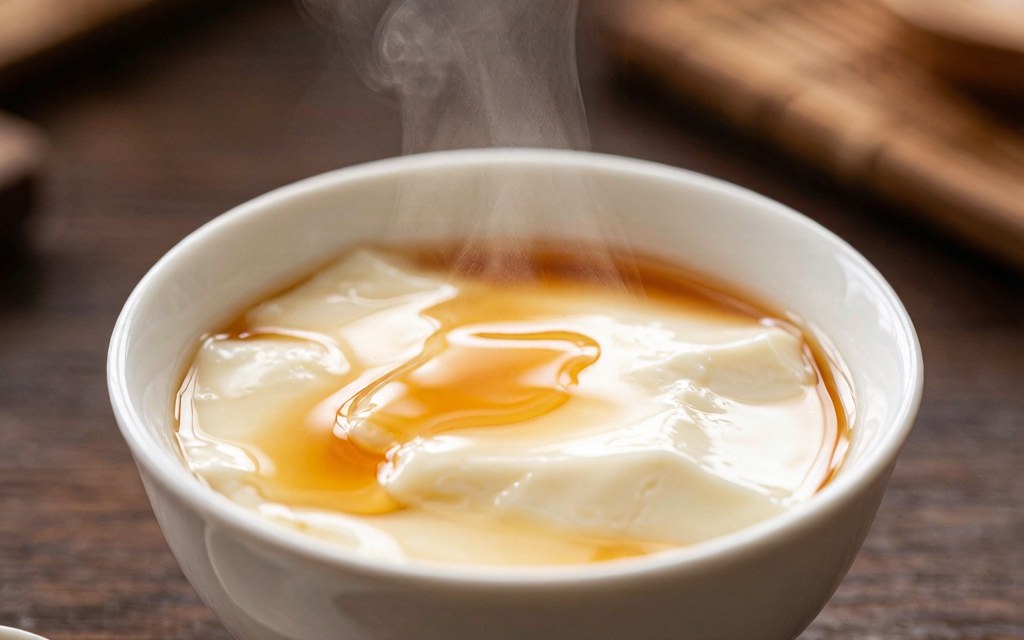
Silky homemade tofu pudding (douhua) from dried soybeans and GDL: exact ratios that never turn sour, plus sweet and savory ways to serve this street-stall classic.
Instructions
-
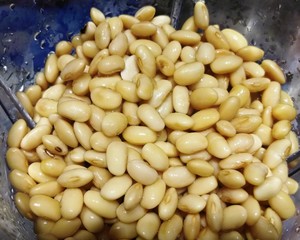 Pick over the soybeans and discard every broken, spotted or non-swelling bean — one spoiled bean can sour the whole batch. Soak in plenty of cold water for 3–8 hours until the beans double in size. A 4–5 hour soak is the sweet spot: longer softens the beans more but risks fermentation. In hot weather, change the soaking water 2–3 times.
-
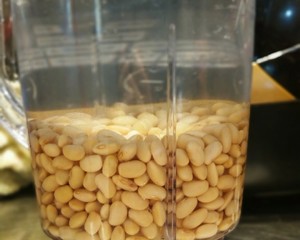 Drain and blend the beans with 5½ cups (1300 ml) cold water until completely smooth with no grit, 1–2 minutes, in two batches if your blender is small. You need at least 1100 ml of finished soy milk, so err on the side of extra water.
-
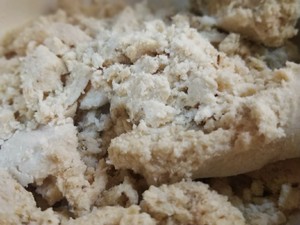 Strain the raw soy milk through a scalded nut-milk bag or double layer of cheesecloth into a pot, squeezing firmly. Strain a second time for a truly silky texture, and skim off the foam. Reserve the okara (soy pulp) — it makes excellent pancakes or fried rice.
-
 Bring the soy milk to a boil over medium-high heat, stirring constantly so it cannot scorch the bottom; stir in the sugar now if serving sweet. Once it boils, turn the heat to low and simmer 3–5 minutes, skimming the foam the whole time. Undercooked soy milk is unsafe to eat and will not set properly. You should have at least 1100 ml; if less, slightly reduce the coagulant in step 6.
-
 Give the cooked soy milk one more quick strain into a clean pot and let it cool for 1–2 minutes, until it is around 85–90°C (185–194°F). Meanwhile, scald the rice cooker inner pot with boiling water and wipe it completely dry — any raw water or residue can spoil the set.
-
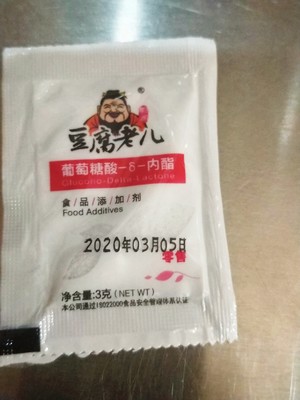
 Dissolve 1 tsp (3 g) GDL powder in 2 Tbsp (30 ml) cooled boiled water in the bottom of the dry rice cooker pot. The ratio to remember: about 1.25 g of GDL per 500 ml of soy milk. More than that, and the finished pudding tastes sour.
-
 Pour the hot soy milk into the GDL water from about 50–60 cm (20–24 in) up, in one confident pour — the way you would pull tea — so the two mix evenly on their own. Stir just 2–3 times, skim off every trace of foam, and leave the surface smooth.
-
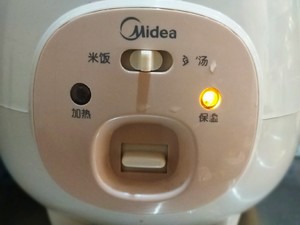
 Cover, set the rice cooker to Keep Warm, and leave completely undisturbed for 10–20 minutes. Do not peek or stir. It is set when the surface is firm and a spoon drawn through leaves a clean, weeping-free cut.
-
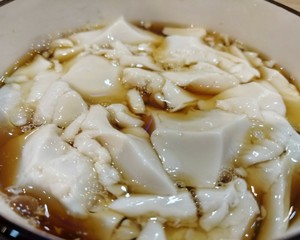
 Taste a small spoonful: it should be clean, sweet and silky, never sour. Scoop into bowls with a flat ladle and top sweet with ginger syrup, or savory with soy sauce, chili oil, scallions and pickles.
-
 Leftovers turn into pressed tofu: line a sieve or tofu mold with cheesecloth, pour in the pudding, fold the cloth over the top, and weight it with a plate and a can for 1–5 hours — the longer it presses, the firmer the block.
Why this recipe works
Three disciplines separate puddle-soft, sour-proof douhua from a failed batch, and all three are measurable.
1. The coagulant ratio is a law, not a suggestion. GDL works by slowly hydrolyzing into gluconic acid, gently lowering the pH of the soy milk over 10–20 minutes until the proteins knit into a soft gel. Because the acid is what you taste, overshooting the dose — even a little — delivers pudding that sets beautifully and tastes faintly sour, which is exactly the failure that scares people off tofu pudding without gypsum. The working ratio is 1.25 g per 500 ml of actual strained soy milk, which is why step 4 tells you to measure it.
2. The pour happens in a narrow temperature window. At 85–90°C (185–194°F) the soy proteins are primed to bond the moment the acid arrives. Hotter than that, the set races and turns coarse; cooler, and the gel never fully forms. The 1–2 minute rest after boiling lands you in the window without a thermometer.
3. Mixing by pouring, not stirring. Dropping the soy milk from 50–60 cm folds the coagulant through the batch in one motion. Every extra stir fractures the fragile gel network into grains, which is why the recipe caps stirring at two or three passes and insists on skimming foam that would otherwise bake into craters.
About the dish
Tofu pudding — douhua in the south, doufunao in the north — is one of China's oldest prepared foods: the story goes that tofu itself was discovered in the Han dynasty by Prince Liu An, and pudding-style soft beancurd has been a street-stall breakfast for centuries. It is made the same way firm tofu is, minus the pressing.
China argues about it the way it argues about sweet versus savory zongzi. Canton stalls ladle it with ginger syrup and treat it as dessert; northern vendors drown it in soy gravy, chili oil and pickled vegetables and call it breakfast. Making it at home with GDL gives you the softest possible set — softer than any shop presses for — and you get to pick a side, or both.
What to serve with it
For the sweet route, a quick ginger syrup (simmer equal parts sugar and water with a few bruised ginger slices for 10 minutes) is the Cantonese classic — order tofu fa at a dessert house and this duo of silky pudding and ginger syrup is exactly what arrives. For the savory route, light soy, chili oil, scallions and pickles turn a bowl into a full breakfast. It pairs naturally with other street-food classics, or finish a home dinner with the sweet version after fried rice — and do not skip the okara pancakes from the tips.
Pro tips
- The five reasons tofu pudding turns sour, in order of how often they happen: too much GDL, old or over-soaked beans, utensils rinsed in raw tap water, soy milk not fully boiled, and holding the set pudding too hot for too long. Control these and the recipe is genuinely fail-proof.
- Scald every container — blender jar, strainer, rice cooker pot — with boiling water before use. Raw tap water carries bacteria that ferment the pudding during the warm set.
- Skimming the foam is not cosmetic. Foam dries into craters on the surface, so remove it in step 4 and again after pouring, and you get a mirror-smooth top.
- The high pour in step 7 does the mixing for you. Stirring more than a few strokes breaks the delicate curds and gives the finished pudding a grainy texture.
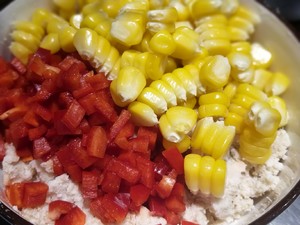
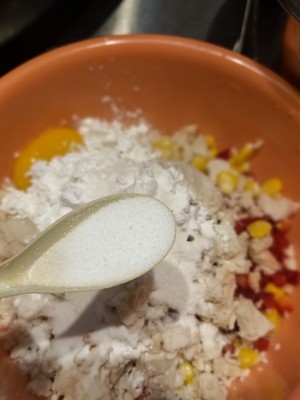
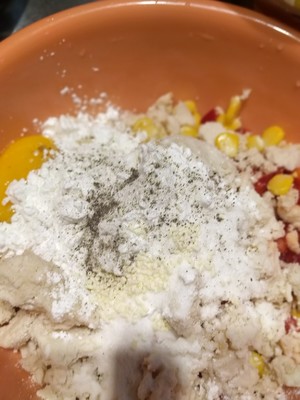
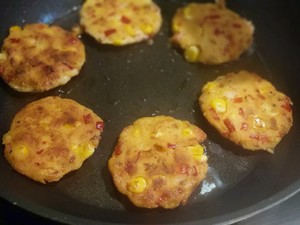
- Do not waste the okara: mix it with 1 beaten egg, 2 Tbsp cornstarch, ½ tsp salt, diced chili and corn kernels, pan-fry as small patties until golden — or fry it seasoned until golden and fold it into rice for okara fried rice.
- No rice cooker? Dissolve the GDL in any warm scalded pot, pour in the soy milk, lid on, and wrap the pot in towels inside an insulated cooler for the same 10–20 minutes.
Storage & leftovers
- Tofu pudding is best eaten fresh, within 1–2 hours of setting — the texture weeps and firms as it cools.
- Refrigerate leftovers in a sealed container for up to 2 days; it will set much firmer. Reheat gently, 30–60 seconds in the microwave at medium power, without boiling.
- Pressed tofu blocks (step 10) keep 3 days refrigerated in fresh water; change the water daily.
- Freezing is not recommended — thawed tofu pudding turns grainy and releases a lot of water.
Frequently asked questions
Why did my tofu pudding turn sour?
Almost always one of five causes: too much GDL (stick to 1.25 g per 500 ml of actual soy milk), beans soaked too long or of poor quality, a container touched raw tap water, the soy milk not boiled for the full 3–5 minutes, or keeping it too warm after setting. Fix the cause, and the next batch is fine.
What is GDL, and can I substitute gypsum?
GDL (glucono-delta-lactone) is a mild acid that dissolves slowly, setting soy milk gently into the softest, silkiest pudding. It is sold online and in Asian groceries as "tofu coagulant". Food-grade gypsum also works but sets firmer and slightly grainier; use the same weight and expect a more traditional, beancurd-stand texture.
Can I make this without a rice cooker?
Yes. Any scalded, lidded pot works: pour, lid, and hold warm wrapped in towels in an insulated cooler or oven with only the light on. The goal is simply to keep the pudding around 70–80°C (160–175°F) while it sets — hotter speeds souring, cooler means it never sets.
Is undercooked soy milk really unsafe?
Yes — raw or barely cooked soy milk causes stomach upset, and it also refuses to set properly. Bring it to a full boil and hold 3–5 minutes at a low boil, skimming foam. Watch for "false boiling", when foam rises suddenly: stir it down and keep cooking.
Sweet or savory — which is traditional?
Both, depending on region: southern China serves douhua chilled or warm with ginger syrup or brown sugar, while the north dresses savory doufu nao with thick soy gravy, chili oil and pickles. Make the plain pudding once and serve it both ways.
Can I make it ahead?
Tofu pudding is at its best within 1–2 hours of setting; longer holding in Keep Warm slowly toughens and can sour it. For guests, soak the beans the night before — the active work is under 40 minutes. Leftovers keep 2 days refrigerated and reheat gently in the microwave.
Can I use store-bought soy milk?
Yes — pick plain unsweetened soy milk made from just soybeans and water, with no emulsifiers or stabilizers. Boil it for the full 3–5 minutes as directed and use the same GDL ratio; expect a slightly softer set than fresh-made soy milk, which is richer.
Why didn't my tofu pudding set at all?
The usual culprits: too little GDL for the volume of soy milk, a pour temperature below 85°C (185°F), soy milk diluted past the 1100 ml mark, or the pot being moved or peeked at during the set. Weigh the coagulant, land the temperature window, and leave it completely undisturbed.