Zhejiang · Stir-Fry Classics
Sweet and Sour Ribs (糖醋排骨)
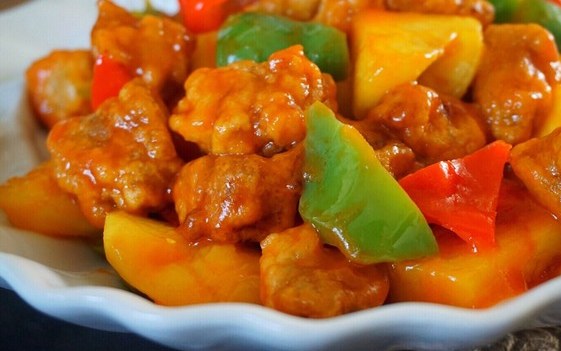
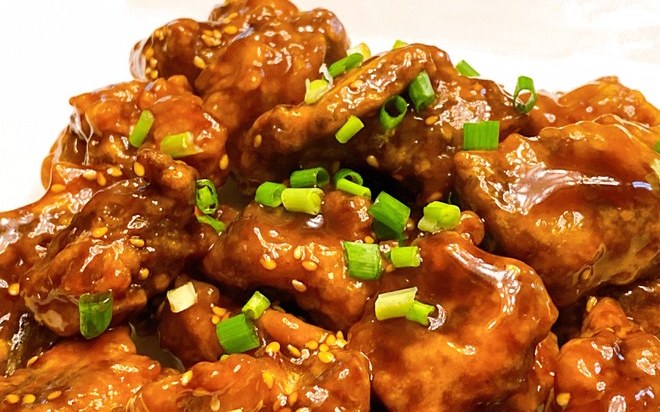
Zhejiang-style sweet and sour ribs braised tender, double-fried crisp, lacquered in a broth-based sweet-sour glaze — the feast-day classic, quantities included.
Instructions
-
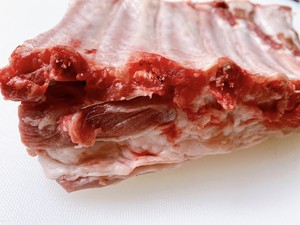 Ask the butcher for meaty, thin-boned ribs cut across into 3–4 cm (1½ inch) segments, or cut them at home with a heavy knife — short segments mean more seasoned surface and more crust per bite.
-
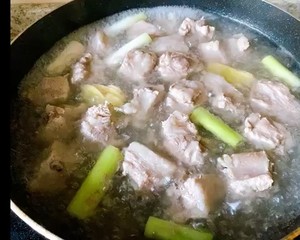 Blanch: put the ribs in a pot of cold water with the scallion sections, ginger slices and 1 Tbsp Shaoxing wine. Bring to a boil, skim the gray foam for 2–3 minutes, then lift the ribs out and rinse them in hot water. A cold start draws out the blood; a hot rinse keeps the meat from tightening.
-
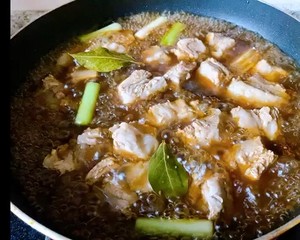 Braise: return the ribs to the pot with fresh water to just cover. Add the scallion, ginger, star anise, cassia bark, bay leaves, tangerine peel, the remaining 1 Tbsp wine, the oyster sauce, 3 Tbsp light soy, 1 Tbsp sugar and the salt. Simmer over medium heat for 15–20 minutes, until a chopstick slips into the meat easily but it still hugs the bone. Do not overcook — they fry later.
-
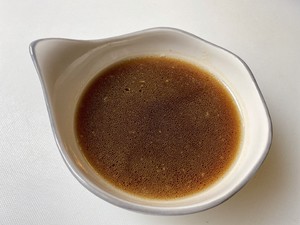 Lift the ribs out and let them cool and dry for 10 minutes. Reserve ½ cup of the braising broth for the sauce — it is seasoned stock, and it is what makes the glaze taste of meat instead of just sugar.
-
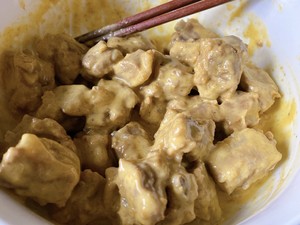 Coat: in a big bowl, toss the cooled ribs with the egg, cornstarch and lemon juice, massaging until every piece wears a thin, even batter — like wet paint, not dough. The lemon is subtle; it keeps the fried coating smelling fresh.
-
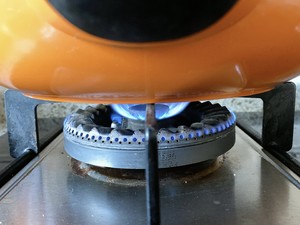 First fry: heat the oil to 165°C / 330°F. Add the ribs without crowding, leave them 30 seconds to set, then fry over medium-low heat, turning occasionally, for 4–5 minutes until pale gold. Drain on a rack, switch the heat off, and let the ribs rest and cool for 5–10 minutes.
-
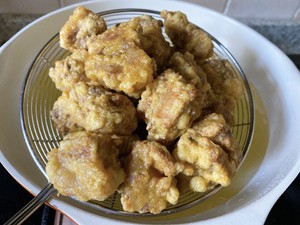 Second fry: reheat the oil to 185°C / 365°F and return the ribs for 1–2 minutes, until deep golden and crisp at the edges. Drain well. The cool-down in between is part of the crunch — a warm rib going back into hot oil softens its own crust.
-
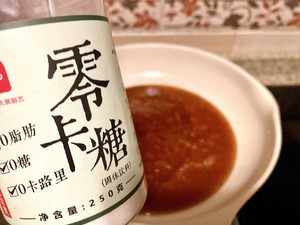 Make the sauce: in a wok, combine the reserved broth, 2 Tbsp sugar, the rice vinegar and 1 Tbsp cornstarch. Bring to a boil over medium heat, stirring, until it thickens into a glossy glaze that holds a line when you drag a spoon across the pan. Taste and adjust — more sugar for sweeter, more vinegar for sharper.
-
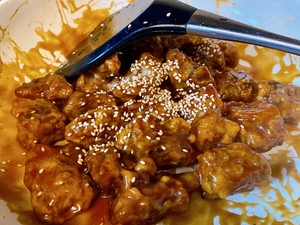 Add the ribs and toss 20–30 seconds, until lacquered. Scatter the sesame seeds and scallion greens, toss once, and serve. For a mixed-taste table, the source suggests an alternative: serve the ribs plain and pour the hot glaze over them at the table.
-
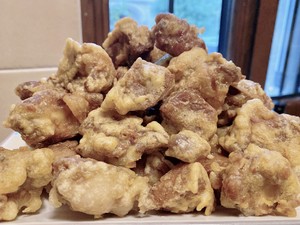 Feast trick: after the first fry, cool the ribs completely and freeze them. Straight from the freezer, go directly to the second fry, then sauce — restaurant sweet and sour ribs in about 10 minutes.
Why this recipe works
Sweet and sour ribs are easy to order and hard to make well, because ribs are the one cut that punishes shortcuts. This Jiangnan banquet method fixes the two classic failures.
1. Braise first, fry second. Ribs deep-fried from raw are a gamble: the crust burns before the meat near the bone cooks, or the meat tightens into leather. Braising first — 15 to 20 minutes with soy, oyster sauce and whole spices — cooks the meat fully and seasons it to the bone. After that, frying is purely surface work: a few minutes to build the shell, nothing more to gamble.
2. The braising broth becomes the sauce. Half a cup of that seasoned stock replaces water in the sweet-sour glaze, so the sauce tastes of pork and star anise underneath the sugar and vinegar. It is the difference between a glaze and a syrup.
3. Cool between the two fries. A gentle first fry toasts the coating pale gold; then the ribs rest and cool, and a hotter second fry drives out surface moisture. Resting between is not idle time — it is what lets the second fry harden the shell instead of steaming it. That cool-down-and-refry rhythm is what makes these truly double-fried sweet and sour ribs: a crust that shatters, meat that stays juicy to the bone.
About the dish
Sweet and sour ribs (糖醋排骨) in some form appear on tables all over China, but the glossy, fried, feast-day version here belongs to Jiangnan — the Zhejiang and Shanghai orbit — and this recipe comes from Zhuji, Zhejiang, where it is a Chinese New Year dish. Ribs are cut into short linked segments, which stand for rising higher, joint by joint (节节高升), year after year.
The technique is old feast-kitchen logic: cook the meat completely first, then build texture on the outside. Braised, coated, double-fried and lacquered, each rib gives three layers in one bite — crisp shell, seasoned meat, bone. Families here make big batches before the holiday, freeze them after the first fry, and finish them to order for guests, which is why the method survives: it is built for feeding a crowd.
What to serve with it
Serve with steamed rice and something clean and green — this is a rich dish that anchors a table, so keep the rest light: a vinegar-dressed salad from the cold dishes page and a clear soup from the soups shelf. On a holiday menu it sits happily beside dumplings from our dumplings collection. Ribs are finger food by nature, so put out extra napkins and let everyone gnaw — that is the point. Leftovers reheat in a steamer or a covered pan with a splash of water, which keeps the lacquer glossy instead of scorched.
Pro tips
- Braise-then-fry is the whole secret. Ribs fried from raw either burn the crust before the meat cooks or come out leathery near the bone; pre-braised ribs are fully cooked and seasoned to the bone, so frying only builds the shell.
- Do not throw the braising liquid away. Half a cup of it in the glaze adds a meaty depth that sugar-vinegar-water sauces never have.
- A spoonful of plum jam in the sauce is the source author's family trick — it rounds the vinegar into a fragrant, fruity sourness. Try it once and you will keep it.
- Keep the coating batter thin. Thick batter makes a doughy shell; a thin, even film makes the glassy crunch this dish is known for.
- Fry the ribs in batches if needed — crowding drops the oil temperature and the coating goes greasy before it crisps.
Storage & leftovers
- Fried and sauced ribs keep 2 days refrigerated; reheat on a rack at 200°C / 400°F for 6 minutes.
- Best make-ahead: freeze after the first fry for up to 1 month; re-fry from frozen for 2–3 minutes, then sauce.
- The glaze alone can be made 3 days ahead and reheated in the wok until glossy.
Frequently asked questions
Can I skip the braising and fry the ribs raw?
Not recommended — ribs fried straight from a raw marinade come out with unpredictable doneness: raw near the bone or leathery outside. The 20-minute braise guarantees tenderness and seasons the meat to the bone; the fry is pure texture.
Which vinegar works best?
Plain rice vinegar keeps the classic bright tang. Chinese black vinegar (Chinkiang) makes a deeper, maltier sauce that is also delicious but less Zhejiang in character. Start with rice vinegar.
Can I make this ahead for a party?
Yes, and it is designed for it: fry once, cool, then refrigerate (2 days) or freeze (1 month). Re-fry from cold or frozen until crisp, boil the sauce, toss and serve within minutes.
My glaze turned thin and slid off the ribs. Why?
The cornstarch needs a full boil to thicken, and the sauce must reach the spoon-trail stage before the ribs go in. Re-boil for 30 seconds; if still thin, add 1 tsp cornstarch whisked with 1 Tbsp cold broth.
Is there a version without frying?
Yes — our no-fry sweet and sour ribs braise everything to a glossy glaze in one pot. You lose the crackly crust and gain fall-apart tenderness in a weeknight-friendly dish.
Which ribs work best for this?
Meaty baby back ribs or rib tips, cut across the bone into short 3–4 cm segments. Short linked segments mean more seasoned surface and more crust per bite — ask the butcher to cut them crosswise, or use a heavy knife at home.