Cantonese · Stir-Fry Classics
Sweet and Sour Pork with Pineapple (菠萝咕咾肉)
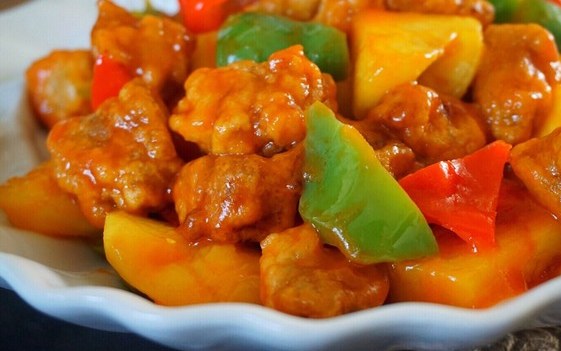
Twice-fried Cantonese sweet and sour pork that stays crackly under the glaze, with fresh pineapple and a ketchup-vinegar sauce that clings instead of drowning.
Instructions
-
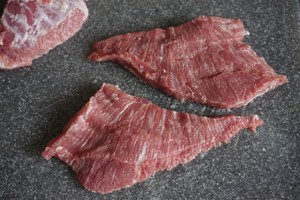 Tenderize the pork: lay the cubes on a cutting board and pound each one twice with the back of your knife (or a meat mallet) — this breaks the fibers so the meat stays juicy, not rubbery.
-
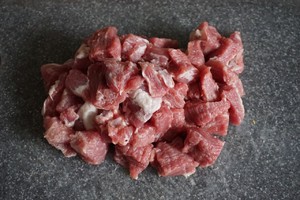 Marinate: in a bowl, mix the pork with ½ tsp salt, 1 tsp sugar, the white pepper and 1 Tbsp beer. Massage until the liquid is absorbed, then rest for 30 minutes (up to overnight, refrigerated).
-
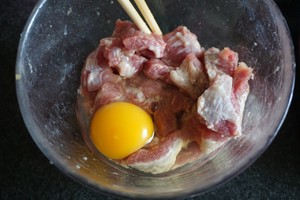 Beat the egg in a shallow bowl. Pour it over the pork and toss until every piece is wet.
-
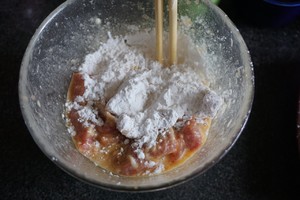 Coat: add the sweet potato starch a spoonful at a time, tossing, until each cube carries a thick, pasty coating with no wet egg left — press the starch onto the meat with your hands. This dry-paste crust is what makes the fry shatteringly crisp.
-
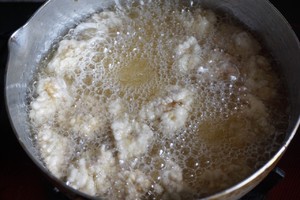 First fry: heat the oil in a small, deep pot to 160°C / 320°F (a chopstick dipped in should fizz steadily). Add the pork cubes one by one so they don't stick together; fry 3–4 minutes until pale gold and just cooked. Drain on a rack or paper towels and rest 5 minutes.
-
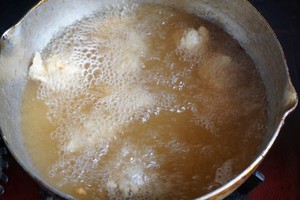 Second fry: raise the oil to 190°C / 375°F. Return the pork in batches and fry 30–60 seconds, until deep golden and crisp. Drain again. The double fry is what lets the crust stay crunchy under the sauce for the whole meal.
-
 While the pork rests, stir the sauce ingredients together in a small bowl until the cornstarch dissolves.
-
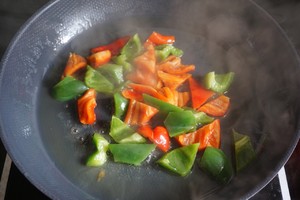
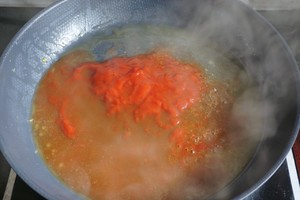 Blanch-fry the peppers: heat 1 Tbsp of the frying oil in a wok over high heat, add the peppers and toss 1 minute — they should stay crisp with a few char spots. Remove.
-
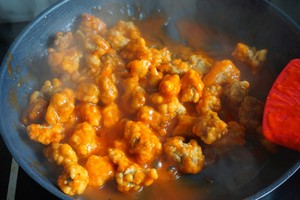 Pour the sauce into the wok (heat already on high) and stir for 30–60 seconds as it bubbles and turns thick and glossy — when you can draw a spoon across the pan bottom and it holds for a second, it's ready.
-
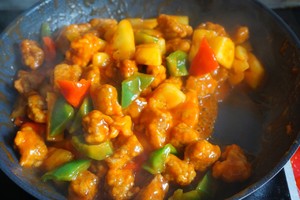 Add the pork, peppers and pineapple. Toss quickly, 15–20 seconds, until everything is lacquered — don't simmer it, or the crust softens. Serve immediately with steamed rice.
Why this recipe works
Sweet and sour pork is the most ordered Chinese dish in the West and the most often disappointing. The failure points are always the same three — and all three are fixable.
1. The coating is starch, not batter. Egg-wet pork pressed into dry sweet potato starch forms a thick paste crust that fries into glass-like crunch. Thin liquid batters drink up sauce and go leathery. Press the starch on firmly; it should look like frosting, not powder.
2. Double frying. Cantonese kitchens fry twice for good reason: gentle first fry to cook through, hot second fry to dehydrate the surface. The crust that survives the sauce to the end of the meal is a twice-fried crust — double fried sweet and sour pork is standard practice in Cantonese kitchens for exactly this reason.
3. The sauce is cooked separately, to a glaze. Western versions simmer everything together in a pool of sauce. Here the ketchup-vinegar mixture reduces alone in the hot wok until it can hold a line across the pan, then everything gets tossed through it for 15 seconds. Sauce clings; nothing soaks.
About the dish
Gu lao rou (咕咾肉, “rumbling meat”) is Cantonese cooking's gift to the world — born in Guangdong, it sailed overseas with Cantonese immigrants a century ago and became sweet-and-sour everything: pork, chicken, shrimp, balls. The original is more grown-up than its takeout descendants: sharp vinegar against cooked ketchup, fresh pineapple for fragrance rather than syrup, and pork with actual texture — crust, give, juice.
The name supposedly comes from the sound the sauce makes bubbling in the wok (gū lū — a rumble). However it got its name, the formula is ancient Cantonese balance: fat (fried pork), acid (vinegar), sweet (sugar and pineapple), fresh (peppers), all engineered to hit the same bite.
The double fry is what separates good versions from takeout memories: the first pass cooks the pork through, the hotter second drives out surface moisture so the crust stays hard under sauce. Toss at the very last second and serve immediately — sweet and sour pork lives in the pan, not on the plate.
What to serve with it
Steamed rice to catch the glaze, plus something green and plain — blanched bok choy with oyster sauce or a smashed cucumber salad — and a pot of hot tea so the sweetness never tires the palate. Kids dominate this dish at dinner tables; make a double batch, because the second helping disappears even faster than the first. If what you crave is the takeaway sweet and sour pork from your local shop, this twice-fried, fresh-pineapple version is the upgrade — same comfort, brighter sauce. Leftovers lose their crunch overnight but are still good spooned over fried rice the next day, where the soft crust stops mattering.
Pro tips
- Sweet potato starch (红薯粉) fries up lighter and stays crisp longer than cornstarch — it's the classic choice and worth seeking out. The cornstarch-plus-flour mix is a close second.
- A smaller, deeper pot uses less oil and holds its temperature better than a wide pan — and it's safer with no splatter across the stove.
- Keep the pineapple chunks big so they warm through without dissolving; canned pineapple works fine — reserve the juice for a smoothie, not the sauce.
- If the sauce thickens too much before the pork is in, splash in 1 Tbsp water and keep tossing.
- Serve on a warm plate — this dish goes from crisp to merely good as it cools.
Storage & leftovers
- Best eaten immediately — the crust is the point.
- Leftovers keep 2 days refrigerated; re-crisp the pork in a 200°C / 400°F oven or air fryer for 5 minutes, then toss with reheated sauce.
- Store the fried pork and the sauce separately if you plan ahead — they combine in 2 minutes and stay crisp.
Frequently asked questions
Why fry the pork twice?
The first fry cooks the meat through at a gentle temperature; the second, hotter fry drives out surface moisture and hardens the crust. Under a glossy sauce, single-fried pork goes soggy in minutes — double-fried stays crackly to the last bite.
Can I air-fry or bake instead of deep-frying?
Yes: toss the coated pork with 2 Tbsp oil, air-fry at 200°C / 392°F for 12–14 minutes (shake once), then finish 3 minutes at 220°C / 425°F to crisp. It won't shatter like deep-fried but comes very close.
Fresh or canned pineapple?
Both work. Fresh holds its bite better; canned is softer and sweeter — drain it well and pat dry so it doesn't water down the sauce.
Can I use chicken instead of pork?
Absolutely — boneless chicken thighs, same size cubes, same method. That version is a Cantonese takeaway staple in its own right.
My sauce turned thin and watery. What happened?
The cornstarch wasn't fully dissolved, or the sauce never reached a full bubbling boil — starch only thickens at boiling. Re-boil for 30 seconds with an extra teaspoon of cornstarch slurry.
What cut of pork is best?
Tenderloin is lean and tender; pork shoulder has more flavor; pork belly is what old-school Cantonese kitchens use and is the richest of all. All three work with this method.
Why did my crust fall off in the oil?
Almost always wet egg left on the surface before the starch went on, or oil that started too cool. Press the sweet potato starch on until no wet egg shows anywhere, and begin the first fry at 160°C / 320°F with steady small bubbles.