Sichuan · Stir-Fry Classics
Yu Xiang Shredded Pork (鱼香肉丝)
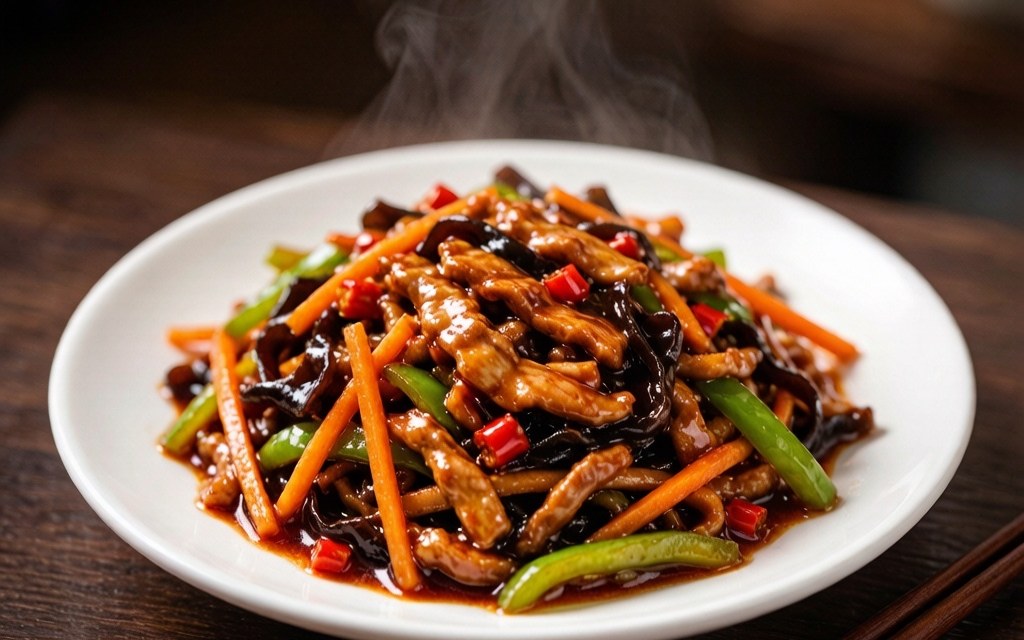
Yu xiang shredded pork, sweet-leaning home style — tender pork, crisp carrot and wood ear in a glossy sugar-forward sauce. No fish, light vinegar, pure rice appeal.
Instructions
-
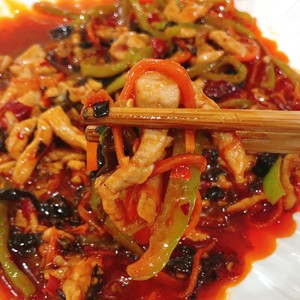 Soak the wood ear in hot water for 30 minutes (or cold water for 2 hours) until pliable and slightly springy, then rinse, trim any hard nubs and cut into thin shreds. Shred the carrot and green chili into matchsticks of a similar size, and mince the scallions and ginger.
-
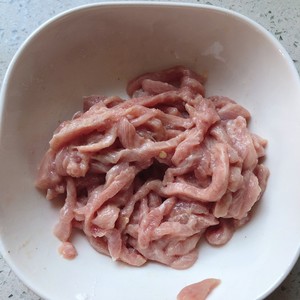
 Cut the pork into shreds about 4 mm (a bit under ¼ inch) thick, deliberately not too thin — skinny shreds break apart in the wok. A piece of pork that has firmed up in the freezer for 20 minutes slices far more evenly.
-
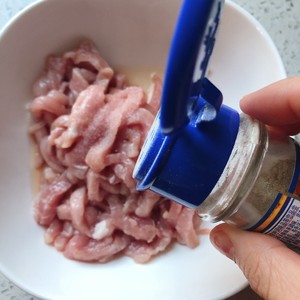
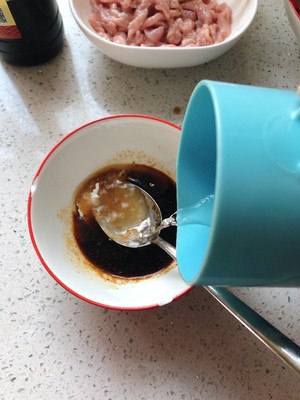
 Marinate the pork: add the Shaoxing wine, salt, white pepper, ginger and cornstarch, then massage with your hand for about 1 minute. If the mixture is too dry to stir smoothly, work in up to 2 Tbsp water — you want every shred coated in a thin wet film, not a heavy paste. Finish with 1 Tbsp oil, toss, and rest 15 minutes (up to overnight, refrigerated).
-
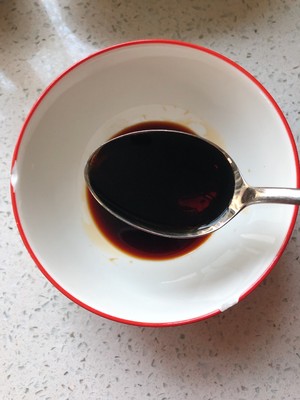 Make the sauce: whisk the light soy, vinegar, sugar, five-spice, cornstarch and water in a small bowl until the cornstarch dissolves. Notice how sugar-heavy this mix is — that is the identity of this version — and set it beside the stove with a spoon in it.
-
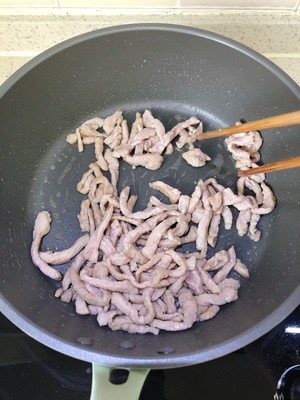
 Heat a wok or 12-inch skillet over high heat for 2 minutes, add 2 Tbsp oil and swirl. Add the pork shreds, spread them out, and stir with chopsticks or a spatula for 1–2 minutes, just until every shred turns pale and loses its pink — they finish cooking later, so do not brown them.
-
 Transfer the pork to a plate. Reduce the heat to the lowest setting, add the remaining 1 Tbsp oil, then the scallions and ginger. Stir for 30 seconds, until fragrant but barely colored.
-
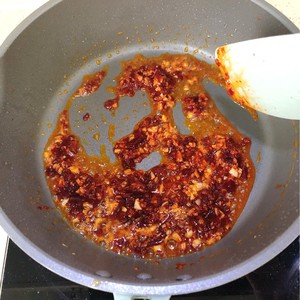 Add the doubanjiang and keep the heat low, mashing and stirring for 1–2 minutes, until the oil around the paste turns deep red and smells rich. If it starts to catch or darkens past brick-red, pull the pan off the heat for a moment — burnt bean paste turns the whole dish bitter.
-
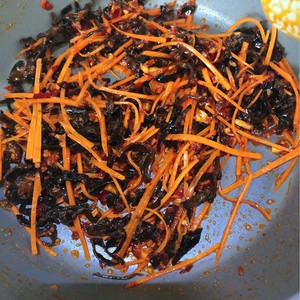 Raise the heat to high, add the carrot and wood ear, and toss for 1–2 minutes, until the carrot just loses its raw crunch. Return the pork, add the green chili, and toss everything for 30 seconds.
-
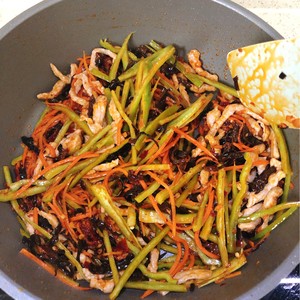 Stir the sauce once more (the cornstarch settles fast) and pour it in all at once. Toss constantly for 30–60 seconds, until the sauce boils, turns glossy and coats every shred — then serve immediately with steamed rice.
Why this recipe works
Three small decisions make this dish, and every one of them is learnable in a single evening.
1. A wet velvet with an oil seal. The marinade is cornstarch, wine and a splash of water worked in by hand until the shreds look varnished, then finished with a spoonful of oil. The starch holds moisture under high heat; the water keeps the coating thin so it never turns pasty; the oil keeps strands separate so you get shreds, not one pork lump. This is why home-cooked yu xiang pork can be tender even in a thin, screaming-hot pan.
2. Doubanjiang bloomed, not fried. The fermented chili-bean paste goes into warm oil over the lowest heat for a full minute or two. Gentle heat coaxes out its red pigment and deep savory aroma; high heat scorches it and bitterness takes over the dish. That slow-bloomed red oil is what colors and flavors everything downstream — no extra chili sauce needed.
3. A sugar-forward sauce. Classic restaurant versions run vinegar-heavy. This one flips the ratio — 3 Tbsp sugar against 1 Tbsp vinegar — the balance many Sichuan families actually cook at home. The small dose of cornstarch turns it into a glaze that clings to each shred instead of pooling, and the five-spice adds a faint warmth nobody can name but everyone tastes.
About the dish
Yu xiang (鱼香) means 'fish-fragrant'. The story goes that Sichuan home cooks borrowed the seasoning they used for fish — pickled chili, garlic, ginger, scallion, sugar, vinegar and soy — and found it just as compelling on pork. No fish ever enters the wok; the name describes the flavor, not the ingredients.
Yu xiang shredded pork is a fixture of Chinese home kitchens, and every family defends its own balance. Restaurants lean sour; this version is the sweet-leaning one many Chinese kids grew up on, built on carrot, wood ear and a mild green chili instead of the restaurant-standard bamboo shoots. It is a weeknight dish at heart: one bowl of marinade, one bowl of sauce, ten minutes of heat.
What to serve with it
Plain steamed rice is the point — the glossy sauce is engineered for it. A cool smashed cucumber salad keeps the meal light, and if you want a second stir-fry on the table, kung pao chicken shares half this ingredient list. The sweet-leaning balance is why children in Sichuan households grow up on this dish; adults who prefer the restaurant's sour edge add an extra teaspoon of vinegar at the table. Swap the green chili for bell pepper and halve the doubanjiang, and it becomes the fully mild version kids ask for weekly. Leftovers keep 2 days and reheat in a hot pan — the glaze loosens with a spoon of water.
Pro tips
- The 3-to-1 sugar-to-vinegar ratio is the signature of this version — the author grew up on the sweet Sichuan-home profile and finds most restaurant versions taste like vinegar-glazed cooking. For the tangier restaurant balance, use 2 Tbsp vinegar and 2 Tbsp sugar instead.
- Bloom the doubanjiang over the lowest heat. The red oil needs gentle warmth to come out; on high heat the paste scorches within a minute and the whole dish turns bitter.
- The last spoonful of oil in the marinade is a seal, not seasoning — it coats the shreds so they slide apart in the wok instead of clumping into one lump.
- Hot water cuts the wood ear soak to 30 minutes; a cold-water soak takes 2 hours but gives a slightly crunchier bite. Either way, trim off the tough nubs.
- Prep everything before the stove goes on. Once the pork is seared, the rest of the dish finishes in under 3 minutes and there is no time to measure anything.
- Working with a small skillet? Sear the pork in two batches so it fries instead of steaming — crowding is what turns shreds gray and watery.
Storage & leftovers
- Refrigerate leftovers in a sealed container for up to 3 days.
- Reheat in a skillet over medium heat for 2 minutes with a splash of water; the microwave (60–90 seconds) also works, but the shreds stay firmer in a pan.
- Freezing is not recommended — the carrot and wood ear weep water as they thaw and the glaze turns thin.
Frequently asked questions
Does yu xiang shredded pork contain fish?
No. 'Yu xiang' means 'fish-fragrant', the name of a Sichuan seasoning profile said to come from the flavors used for cooking fish: pickled chili, garlic, ginger, scallion, sugar, vinegar and soy. The pork never touches fish — the sauce simply tastes like it belongs to one.
How spicy is this version?
Mild to medium. The only heat comes from the doubanjiang and the green chili. Use half the doubanjiang and swap the green chili for a bell pepper, and the dish becomes fully kid-friendly.
Why is this sweeter than restaurant yu xiang pork?
Restaurant versions are vinegar-forward and can taste almost like sweet-and-sour pork with soy. This is the home style the recipe author grew up on: 3 Tbsp sugar against only 1 Tbsp vinegar. If you prefer the tangier balance, use 2 Tbsp of each.
Can I use chicken or beef instead of pork?
Yes. Chicken breast or thigh works with the identical marinade; slice beef across the grain and cook it about 1 minute less. Keep the same sauce — it suits all three meats.
Can I prepare anything ahead?
Everything except the final 10-minute cook. The pork can marinate overnight, the sauce keeps in a jar in the fridge for a week, and the shredded vegetables hold for a day in a covered container.
Is there a gluten-free option?
Use tamari in place of the light soy sauce and check your doubanjiang label — many brands contain wheat flour. Traditionally made Pixian doubanjiang is just chilies, fava beans and salt, but verify the specific jar.
Is this the same as shredded pork with garlic sauce?
Yes — "shredded pork in garlic sauce" is the name most Western Chinese restaurants give yu xiang rou si. Same dish and same sweet-savory balance; home versions differ in the aromatic base, and this one builds its flavor on doubanjiang, ginger and scallion.