Sichuan · Stir-Fry Classics
Kung Pao Chicken (宫保鸡丁)
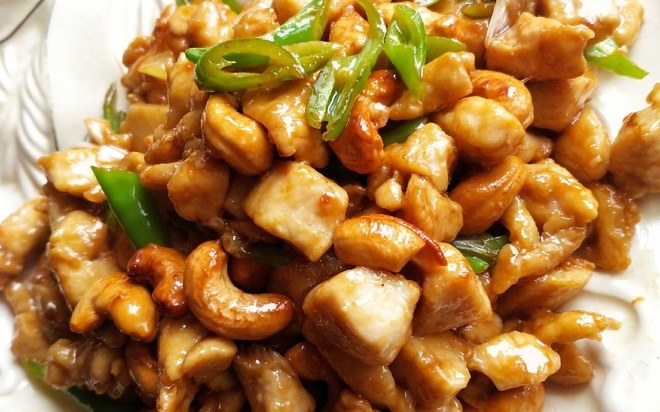
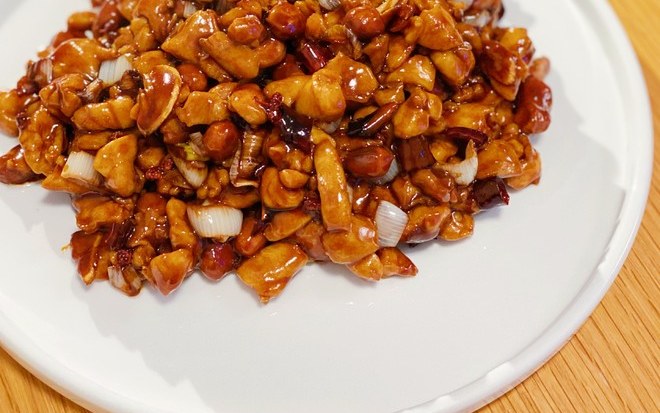
Real Sichuan kung pao chicken: silky velveted chicken, tingling Sichuan pepper, snappy dried chilies and roasted peanuts in a glossy sweet-sour sauce.
Instructions
-
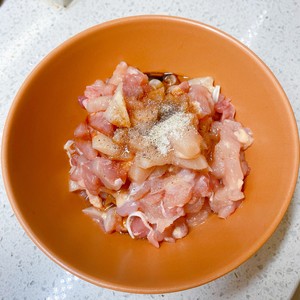
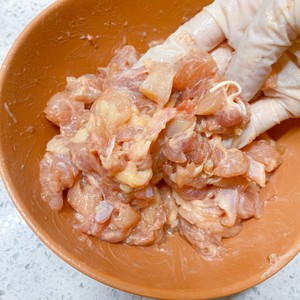
 Marinate the chicken: in a bowl, toss the chicken cubes with ½ tsp salt, the white pepper, light soy sauce, Shaoxing wine and 1 Tbsp cornstarch. Massage with your hand for 1–2 minutes until the liquid is absorbed and the chicken feels sticky, then stir in 1 Tbsp oil. Rest for 30 minutes (or up to overnight, refrigerated).
-
 Make the sauce: in a small bowl, whisk the sugar, black vinegar, light soy sauce, dark soy sauce, 1 tsp cornstarch and 2 Tbsp cold water until the cornstarch is fully dissolved. Set beside the stove with a spoon in it.
-
 Heat a wok (or a 12-inch cast-iron skillet) over high heat until it just starts to smoke, about 2 minutes. Add 3 Tbsp oil and swirl — this is the "hot wok, cold oil" trick that keeps the chicken from sticking.
-
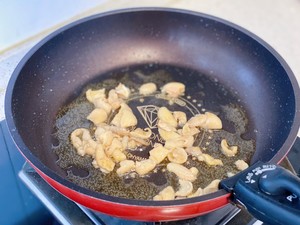 Add the chicken in a single layer. Let it sear undisturbed for 30 seconds, then stir-fry for 3–4 minutes, until the pieces are pale golden and just cooked through — cut the largest one open to check: no pink, but still juicy. Transfer to a clean plate.
-
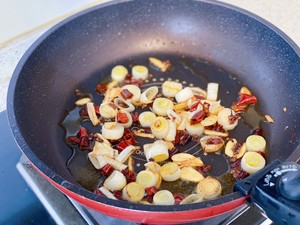
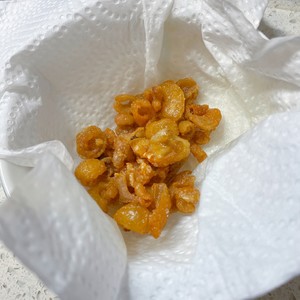 Lower the heat to medium. Add the dried chilies and Sichuan peppercorns to the oil left in the wok and stir for about 10 seconds, until the chilies darken to a deep red-brown and the kitchen smells fragrant and slightly numbing. If they turn black, they will taste bitter — pull the pan off the heat for a moment.
-
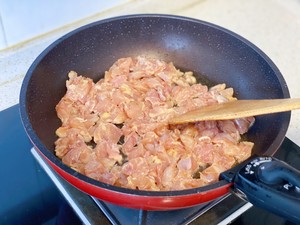 Add the ginger, garlic and scallion whites. Stir for 30 seconds until they smell toasty and just start to take on color.
-
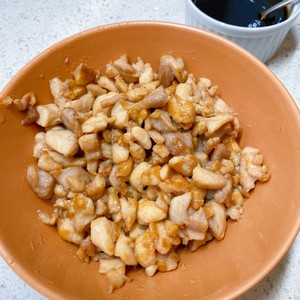 Return the chicken and any juices to the wok. Raise the heat to high and toss everything together for about 20 seconds.
-
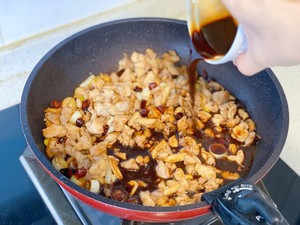
 Stir the sauce once more (the cornstarch settles fast) and pour it all in at once. Toss constantly for 30–60 seconds, until the sauce boils, turns glossy and clings to every piece of chicken.
-
 Turn off the heat, add the peanuts and scallion greens, toss twice, and serve immediately with steamed rice.
Why this recipe works
Three techniques do all the heavy lifting, and none of them are hard — they just need explaining.
1. Velveting. The cornstarch-soy marinade in step 1 is the Chinese kitchen's answer to tough, dry stir-fried meat. Cornstarch seals in moisture and turns the outside of each cube silky, so even high heat can't squeeze the juices out. The final spoonful of oil coats the meat so the pieces slide apart in the wok instead of clumping.
2. Hot wok, cold oil (热锅凉油). Chinese recipes say this in four characters as if it were obvious. Here is what it means: preheat the empty pan until it smokes, then add oil, then immediately add food. A properly preheated surface sears on contact — food releases instead of sticking — and the brief oil contact keeps it from burning before the food goes in.
3. The 3:4 sugar-to-vinegar sauce. Classic Sichuan home kung pao balances sweetness against sharp black vinegar, then uses cornstarch to turn it into a glaze the moment it hits the hot wok. The dark soy is only for color — the dish should look lacquered, mahogany-red, not black.
About the dish
Kung pao chicken (宫保鸡丁, gōng bǎo jī dīng) is named after Ding Baozhen, a 19th-century Sichuan governor whose court title was gōngbǎo — “palace guardian”. The story goes that his home kitchen favored this combination of diced chicken, dried chili and Sichuan pepper, and the dish carried his title out of the governor's mansion and into every home wok in China.
Authentic versions — the ones cooked in Sichuan homes — are drier and glossier than Western takeout: no bell peppers, no zucchini, just chicken, aromatics and peanuts in a tangy lacquer. The numbing tingle of Sichuan pepper against the sweet vinegar is the point. If you're wondering what kung pao chicken tastes like: hot and tingly up front, sour-salty in the middle, faintly sweet at the end, with roasted-peanut crunch all the way through. Once you taste the real balance, takeout kung pao will taste like a different dish entirely.
What to serve with it
Plain steamed jasmine rice is non-negotiable — the sauce is made for it. A cool, crunchy smashed cucumber salad balances the heat, and a batch of weekend egg fried rice turns any leftovers into a second dinner.
To round out the table, add a light soup from the soups collection and hot tea. Leftovers keep three days refrigerated: reheat in a hot skillet rather than the microwave so the peanuts re-crisp, and spoon any extra sauce over the next day's rice. Kung pao chicken without peanuts also works — cashews or toasted sunflower seeds keep the crunch for nut-allergic eaters.
Pro tips
- Prep everything before you turn on the stove. Once the wok is hot, this recipe moves in 30-second windows — there is no time to measure.
- "Hot wok, cold oil" is the real anti-stick secret for stainless steel and carbon steel: the metal expands when searing hot and pores close, so food releases.
- Dried chilies should go dark red-brown, never black. Their job is fragrance, not only heat — most of the spice stays in them unless you eat them.
- Sichuan peppercorns (huājiāo) are not chili-hot; they create a citrusy, tingling numbness. Old, stale ones have no buzz — buy small bags and toast extras to check.
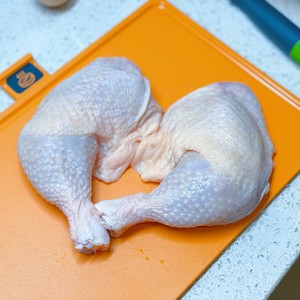
- Chicken thighs stay juicy where breast dries out. If you must use breast, cut the cubes a little larger and pull them off the wok 1 minute earlier.
- No wok? Use your heaviest 12-inch skillet and cook the chicken in two batches so the pan stays screaming hot.
Storage & leftovers
- Refrigerate leftovers in a sealed container for up to 3 days.
- Reheat in a hot skillet for 2 minutes rather than the microwave — the peanuts recrisp and the sauce reglosses.
- The peanuts soften overnight no matter what; if you know you'll have leftovers, store a handful of peanuts separately and add them when reheating.
- Freezing is not recommended — the sauce goes watery when thawed.
Frequently asked questions
How spicy is kung pao chicken?
Medium — a pleasant warmth with a tingly finish, not painful. Most heat comes from the dried chilies: use 10 for mild, 15 for hot, and shake out the seeds to dial it down further.
Can I use chicken breast instead of thighs?
Yes. The cornstarch marinade (velveting) matters even more with breast — it keeps the meat silky. Cook 1–2 minutes less.
I can't find Chinkiang (black) vinegar. What can I use?
Balsamic vinegar is the closest 1:1 substitute — surprisingly authentic. Rice vinegar also works, but add an extra ½ tsp sugar.
Can I leave out the Sichuan peppercorns?
You can, and it will still be delicious — but the signature 麻 (má) tingle is half of what makes kung pao special. Order a small bag online; they keep for months.
What's the difference between this and takeout kung pao?
Takeout versions are usually sweeter, gloppier and often add bell peppers or zucchini. Classic Sichuan home style is this: chicken, a few aromatics, peanuts, and a sharp sweet-sour sauce that lightly coats rather than pools.
Can I make it ahead?
Stir-fries wait for no one — but you can marinate the chicken a day ahead and pre-mix the sauce (keep it in a jar in the fridge for up to a week). The cooking itself takes 6 minutes.
Can I make kung pao chicken without peanuts?
Yes — skip them or swap in roasted cashews; for nut allergies, toasted sunflower seeds give a similar crunch. Cooking at home is also the safe route for peanut allergies, since restaurant woks often share oil with peanut dishes.
What's the difference between kung pao and General Tso's chicken?
Kung pao is stir-fried diced chicken with dried chilies, Sichuan pepper and a sharp sweet-sour glaze. General Tso's — battered, deep-fried pieces in a thicker, sweeter red sauce — is an American-Chinese restaurant classic, not a Sichuan home dish.