Chinese home style · Soups
Winter Melon Pork Rib Soup (冬瓜排骨汤)
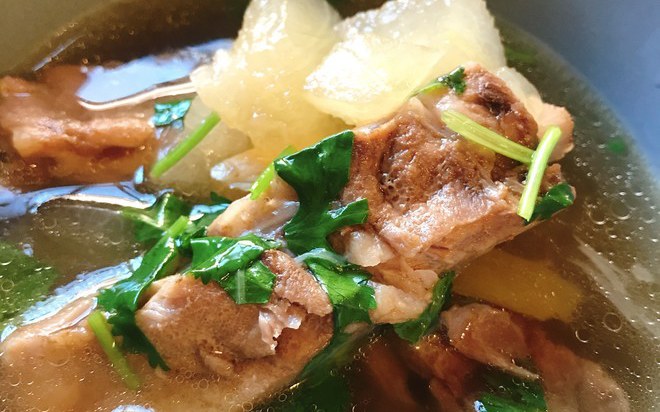
Restorative winter melon pork rib soup: ribs pressure-cooked with angelica and astragalus until tender, then simmered with winter melon in a light herbal broth.
Instructions
-
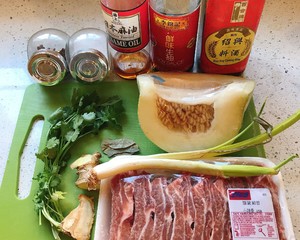 Soak the ribs in cold water for 15-20 minutes to draw out the surface blood, then drain.
-
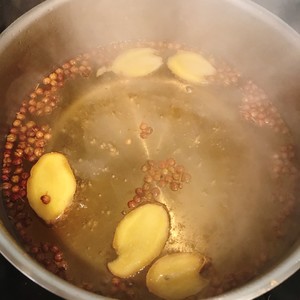 Blanch the ribs: bring a pot of water to a boil with 5 ginger slices, the Sichuan peppercorns and the Shaoxing wine, and let it boil for 3 minutes so the pepper releases its fragrance. Add the soaked ribs and boil for 2-3 minutes, skimming off the gray scum, then lift the ribs out and set them aside.
-
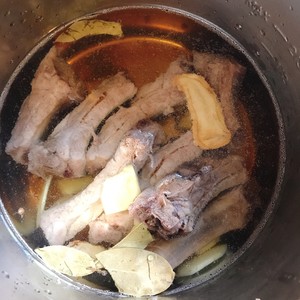
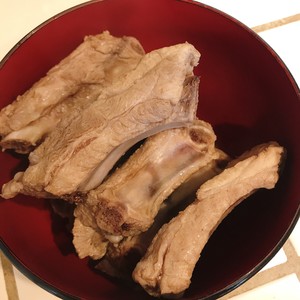 Put the ribs in a pressure cooker with the remaining 5 ginger slices (peeled), the bay leaves, angelica and astragalus, the light soy sauce, and enough water to just cover the ribs.
-
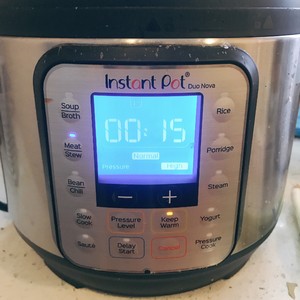
 Seal the cooker and cook on high pressure for 15 minutes (use the meat or stew setting). Let the pressure release naturally for a few minutes before opening.
-
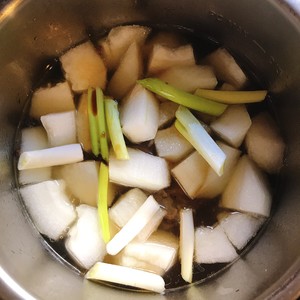
 Add the winter melon chunks and the scallion sections. Cut the melon into fairly large pieces — it cooks quickly and turns to mush if cut small. Seal and cook on high pressure for another 10 minutes.
-
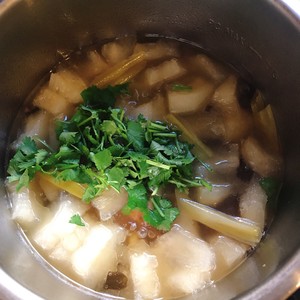
 Open the cooker, scatter in the chopped cilantro and drizzle over the sesame oil, then put the lid back on loosely and let the soup rest for a few minutes so the flavors settle.
-
 Taste and add a little salt only if it needs it — the soy sauce usually seasons it well. Serve hot, ladling plenty of broth over the ribs and melon.
Why this recipe works
This is a nourishing everyday soup that comes together in about 30 minutes thanks to the pressure cooker, and three choices keep it clean and full of flavor.
1. Blanch in pepper-scented water. Blanching pork in water that has already boiled with Sichuan peppercorn, ginger and wine lifts out the gamey smell far more effectively than plain water. It also seasons the meat slightly before it ever meets the broth.
2. Pressure-cook in two stages. Pork ribs need a good 25 minutes of pressure to become tender, but winter melon breaks down in a fraction of that time. Cooking the ribs first and adding the melon for a shorter second round means the ribs are fall-off-the-bone while the melon stays in distinct, silky chunks instead of dissolving.
3. Angelica and astragalus. These two dried roots are classic Chinese tonic herbs. Angelica (dang gui) adds a warm, faintly sweet, earthy note and astragalus (huang qi) a subtle grassy sweetness. Together with ginger they give the broth a gentle, restorative character that is the whole reason this soup is considered good for you.
A final spoonful of toasted sesame oil and a scatter of cilantro added off the heat perfume the broth without cooking away their aroma.
About the dish
Winter melon pork rib soup (冬瓜排骨汤, dōngguā páigǔ tāng) is a homely, widely loved Chinese soup. Winter melon is a large, mild gourd prized in Chinese cooking for its cooling quality and its ability to absorb flavor, and it is a common ingredient in soups meant to be light and hydrating, especially in summer.
Pairing it with pork ribs makes a broth that is both light and satisfying, and adding tonic herbs like angelica and astragalus reflects the Chinese tradition of shi liao — food as a gentle way to nourish the body. Cooks often make this kind of soup for family members recovering from illness or simply to balance a run of richer meals. The pressure-cooker method here is a modern shortcut that turns what used to be an hour-long simmer into a quick weeknight dish without sacrificing tenderness.
What to serve with it
Serve the soup hot as a course on its own or alongside steamed rice and a simple stir-fried vegetable for a complete, balanced meal. Give each person plenty of broth with a couple of ribs and some melon. Because the soup is light, it pairs especially well after a heavier dish — it is a common way to finish a banquet. Leftovers keep well and the flavor deepens overnight, so it is a good make-ahead soup. You can also freeze winter melon soup for up to two months — thaw gently and reheat without boiling hard. If you want to round out the meal, a side of steamed rice is the classic partner.
Pro tips
- Do not skip the peppercorn blanching water. Blooming the Sichuan peppercorn first removes the gamey edge of pork far better than blanching in plain water.
- Cut the winter melon into big chunks. It cooks much faster than the ribs and dissolves into the broth if cut too small.
- Angelica and astragalus give the soup its distinctive herbal, nourishing character. Both are sold dried at Asian herbal shops; if you cannot find them, the soup is still delicious without them.
- Open the pressure cooker and add the melon partway through rather than cooking everything together, or the melon will break down before the ribs are done.
- The soup tastes better after resting. If you have time, let it cool and reheat it the next day — the flavor deepens.
Storage & leftovers
- Refrigerate leftover soup in a sealed container for up to 3 days. The broth will gel slightly when cold.
- Reheat gently on the stove until just simmering; the melon stays intact if you do not boil it hard.
- Freeze for up to 2 months. The melon softens further after thawing but the flavor holds.
Frequently asked questions
What does winter melon taste like?
It is mild and faintly sweet, with a silky, almost melting texture when cooked. It absorbs the flavors of the broth, which is why it works so well in soups.
Can I make this without a pressure cooker?
Yes. Simmer the ribs in a covered pot for about 60-75 minutes until tender, then add the winter melon and simmer 15 minutes more. Add water as needed to keep the ribs covered.
Can I leave out the herbal roots?
Absolutely. They add a traditional nourishing quality and a mild herbal fragrance, but the soup stands on its own with just ginger, bay and soy sauce.
Is there a substitute for winter melon?
Daikon radish or chayote are the closest in texture and mildness and work well in the same recipe.
How salty should the broth be?
The 5 Tbsp of soy sauce seasons a 4-serving pot nicely. Taste at the end and add salt only if needed.
Can I use a different cut of pork?
Yes. Pork neck bones or pork belly pieces work well. Ribs give the best balance of meat and bone for a rich broth.
How long do I cook this in an Instant Pot?
The same as any pressure cooker: 15 minutes on high pressure (the meat or stew setting) with the ribs just covered in water, then let the pressure come down naturally for a few minutes before opening. The melon goes in afterward so it stays intact.
Is winter melon soup a summer dish?
Traditionally yes — winter melon is prized in Chinese cooking for its cooling, hydrating quality, which is why light broths like this one are common in hot weather. It is served hot year-round, and leftovers reheat gently without boiling hard.