Northern Chinese · Soups
Hot and Sour Soup (酸辣汤)
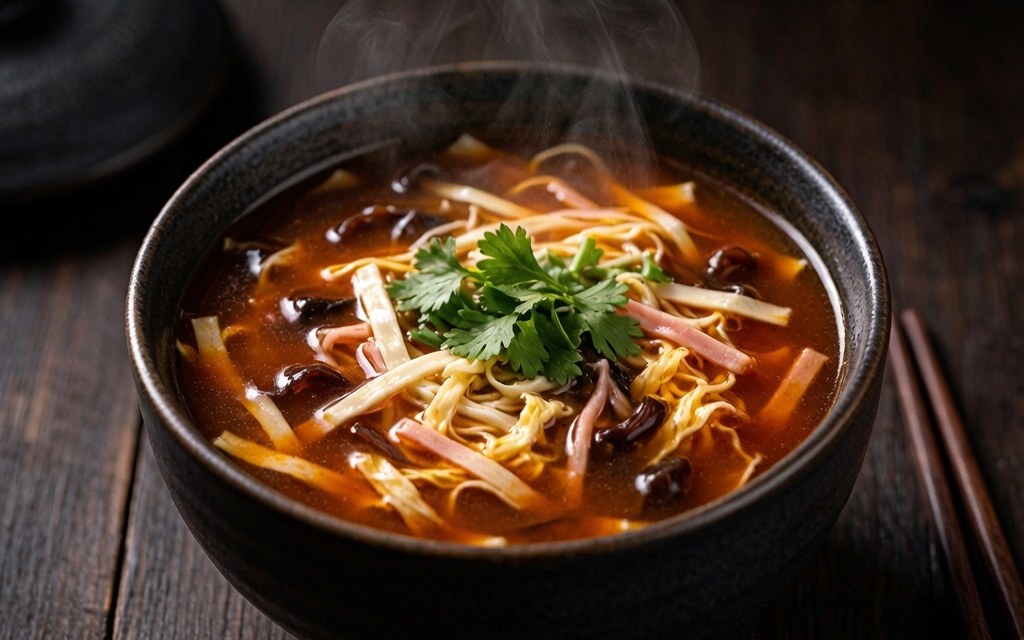
Restaurant-style hot and sour soup: silken tofu, wood ear and egg ribbons in a peppery-vinegar broth — blanching, off-heat thickening and white pepper done right.
Instructions
-
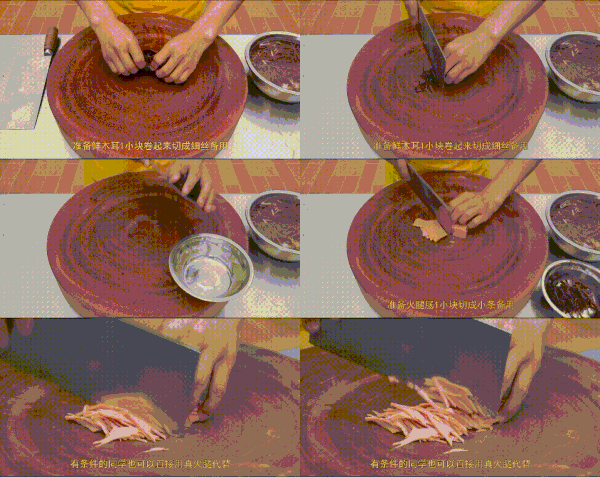
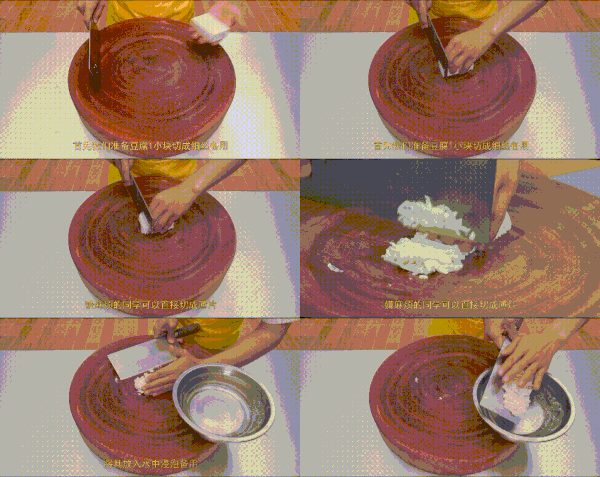 Shred everything first: tofu (and blood curd if using) into fine shreds, soaked mushrooms and ham into fine shreds, ginger into threads, greens into ribbons. Hot and sour soup is a knife-work dish — uniform shreds are the visual signature.
-
 Blanch the tofu and blood curd: bring a pot of salted water to a boil, slip the shreds in for 20 seconds, drain gently. This brief salt-water bath seasons them, removes any raw edge, and — most importantly — firms them so they survive the pot without crumbling.
-
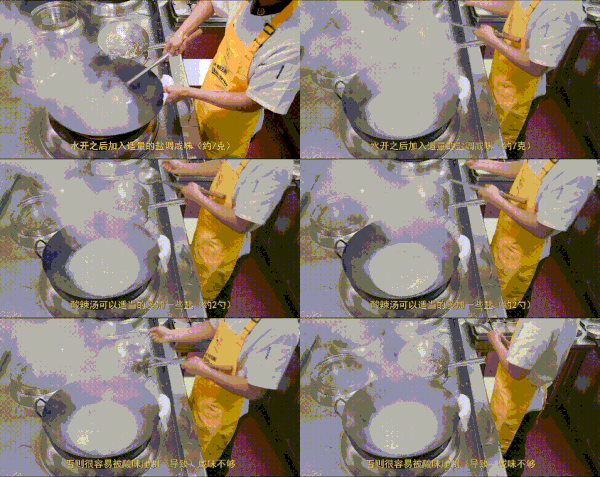
 Bring the 6 cups of water or stock to a boil. Season with the salt, sugar, bouillon and the white pepper. Don't be shy with the pepper: in the real thing, the "hot" comes from white pepper, not chili, and it should arrive as a warm, nasal glow.
-
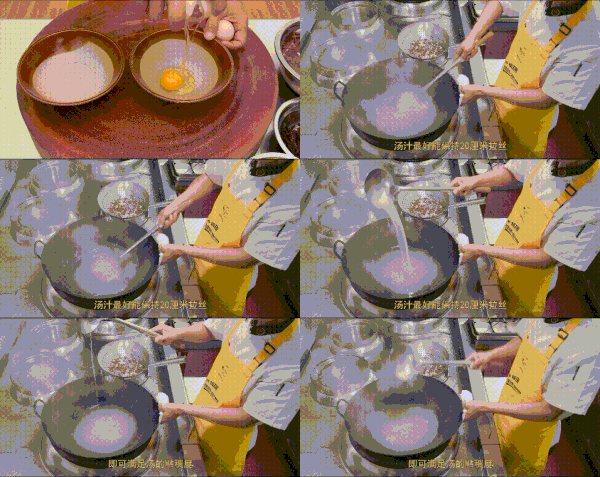
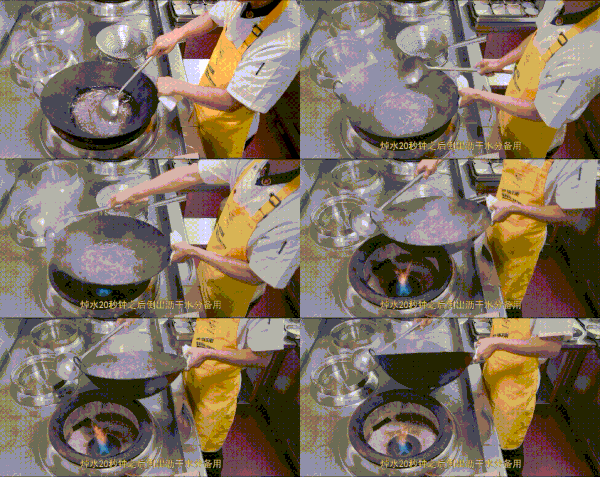 Take the pot OFF the heat before thickening: stir the cornstarch slurry one more time and pour it in while stirring, until the soup turns glossy and thick enough to barely coat the spoon — it should have body, like a thin gravy. Off-heat thickening keeps the starch from clumping and turning gluey.
-
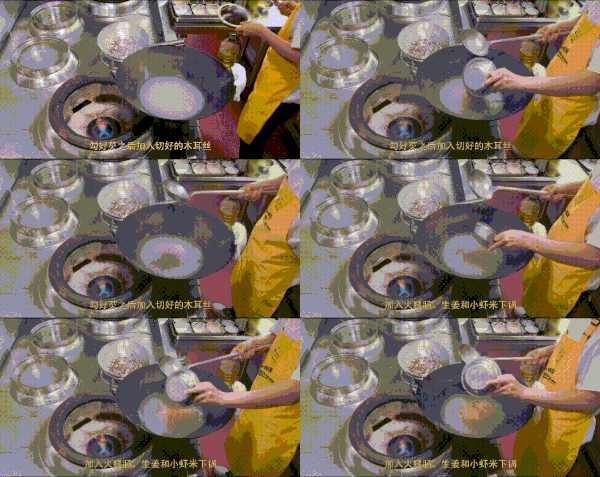
 Return to medium heat. Add the mushrooms, ham, ginger, dried shrimp and greens; simmer 2 minutes.
-
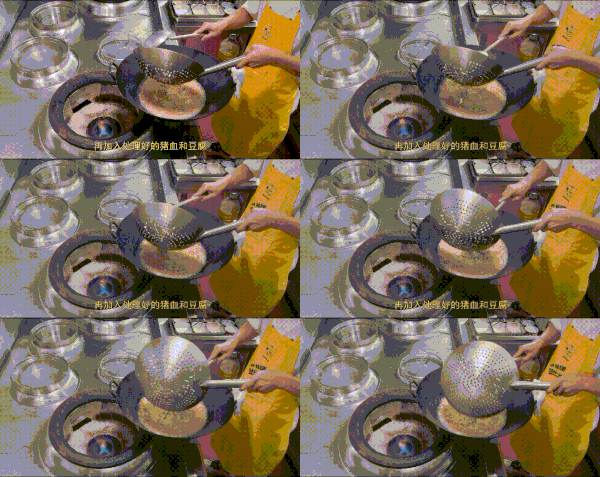
 Add the vinegar, then the blanched tofu and blood curd, stirring gently. Vinegar goes in near the end — long boiling cooks its sharpness away.
-
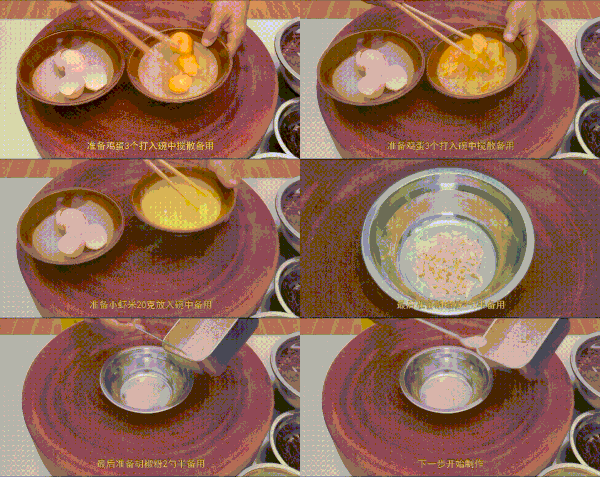
 Kill the heat, wait 10 seconds for the bubbling to stop, then drizzle the beaten eggs in a slow, thin spiral over the surface — count to three before stirring, so the egg sets into ribbons instead of shattering. Stir once, gently.
-
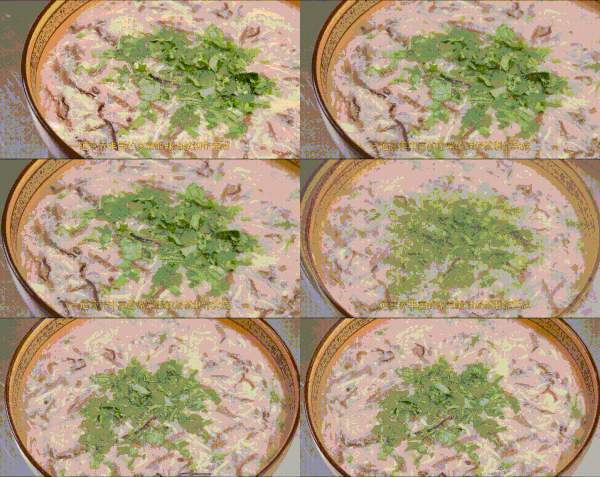 Taste and adjust: it should hit sour first, then pepper-heat, then salt. More vinegar for sour, more white pepper for heat — both are forgiving at this stage.
-
 Finish with sesame oil and cilantro, and serve piping hot in small bowls.
Why this recipe works
Hot and sour soup is the most-ordered soup in Western Chinese restaurants and the one most home versions get wrong. The failures are structural, and the fixes come straight from a chef's method.
1. Blanch the shreds. Twenty seconds in salted boiling water does three jobs at once: seasons the tofu and blood curd through, removes their raw edge, and firms their surface so they hold their shred shapes in the simmering pot. It's the difference between distinct shreds and gray mush.
2. White pepper, not chili. The "hot" in hot and sour soup is huājiāo-adjacent — it's ground white pepper, arriving as warmth that glows in the nose rather than burns the tongue. A full tablespoon sounds enormous and tastes correct, bloomed in the hot broth.
3. Thicken off the heat, vinegar at the end. Cornstarch slurry poured into an off-heat pot disperses silky-smooth; poured into a boil it seizes into glue. And vinegar added in the last minutes keeps its bright, sharp sour instead of simmering into flatness. That order — slurry off the boil, vinegar last — is how to thicken hot and sour soup the way restaurants do.
About the dish
Suān là tāng (酸辣汤) is Northern China's restorative: thick, peppery, sour, loaded with shreds of everything good. It's the soup Chinese diners reach for in winter, after too much drinking, and at the start of a banquet — sour to wake the appetite, warm to wake the body.
Its ingredient list is a lesson in texture economics: soft (tofu), slippery (blood curd), crunchy (wood ear), chewy (mushroom), savory (ham) — all cut to the same fine shred so the spoon never knows what's coming next. That "every spoonful different" quality, built from humble ingredients, is classic Northern home cooking at its most clever. The egg ribbons go in last and stay in fine threads — visible luxury from two eggs.
What to serve with it
Dumplings are its soulmate — pork and cabbage dumplings plus a shared pot of this soup is a complete Northern Chinese dinner. It also stands alone as a starter before any stir-fry night. Serve it steaming in small bowls: the pepper and vinegar are loudest when hot, and both mellow as it cools. Set extra black vinegar and white pepper on the table so everyone can tune their own bowl, and reheat leftovers gently without boiling — a hard boil thins the silky texture the thickening worked for. Unfamiliar with blood curd? The soup works perfectly as hot and sour soup without pork blood — just double the tofu.
Pro tips
- White pepper is the heat, vinegar is the sour — chili has no place in the classic version. If it doesn't tingle, add pepper, not chili flakes.
- Vinegar choice matters: Chinkiang black vinegar gives the mellow, smoky sour; Western white vinegar is harsh. Balsamic is our recommended substitute (see the glossary).
- The off-heat slurry (离火勾芡) is the restaurant trick for a silky, never-gluey body. On the boil, cornstarch clumps instantly.
- Blanching the tofu shreds is a 20-second insurance policy against a pot full of tofu dust.
- Dried small shrimp (虾皮) are the umami bass note — tiny, cheap, and they make the broth taste long-simmered. Find them with the dried goods at any Asian grocer.
- Pork blood curd is traditional and nutritious, but the soup is complete without it — replace with extra tofu if it's unavailable or unfamiliar.
Storage & leftovers
- Refrigerate up to 2 days; the starch loosens overnight — re-thicken with a spoonful of slurry if you like.
- Reheat gently; add a splash of vinegar and fresh pepper after warming to revive the flavor.
- Not freezer-friendly — tofu and egg turn rubbery, and the starch weeps.
Frequently asked questions
Why is my soup not hot?
You likely used chili or too little pepper. The classic heat is white pepper — a whole tablespoon, added with the seasonings so it blooms in the broth.
Why is my soup not sour enough?
Vinegar added too early loses its punch to evaporation. It goes in during the final minutes. Adjust at the table if needed — no shame, restaurants do too.
Can I make it vegetarian?
Yes — vegetable stock, skip the ham/shrimp/blood curd, and use extra mushrooms and tofu. Add 1 tsp soy sauce for depth.
Can I use fresh mushrooms instead of dried shiitake?
Dried shiitake bring a concentrated earthiness that fresh can't match, but in a pinch use 4 oz fresh mushrooms plus 1 tsp soy sauce. Wood ear (black fungus) is the other traditional shredder — it's sold dried and soaks in 30 minutes.
My soup turned gluey. What happened?
Too much starch, or the slurry went in while boiling hard. Off-heat thickening with the full 5 Tbsp in ½ cup water gives the right body.
Can I make it ahead?
The soup base holds a day; add the vinegar, egg ribbons and cilantro fresh when reheating — they're the parts that fade in storage.
Can I make hot and sour soup without pork blood?
Yes — it's the most skippable ingredient. Substitute an equal weight of tofu shreds; many home versions never include blood curd at all, and the soup is complete without it.
Why won't my egg form ribbons?
Ribbons need a thickened, calm surface: kill the heat, wait 10 seconds for the bubbling to stop, drizzle the egg in a slow spiral, and count to three before stirring (step 7). In a thin, boiling soup the egg shatters into wisps.