Chinese home style · Soups
Nori Rice Balls & Mushroom Egg Drop Soup (紫菜饭团&鸡腿菇蛋花汤)
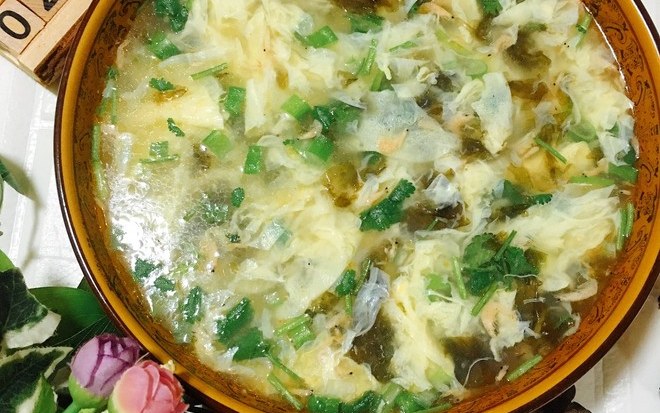
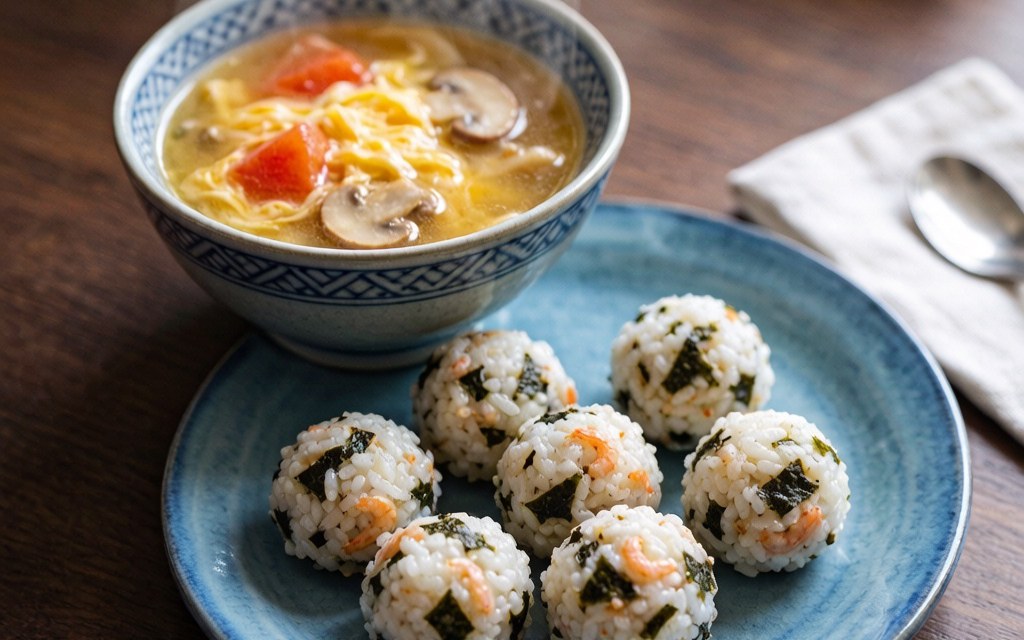
Hand-held nori rice balls with dried shrimp, plus a light mushroom tomato egg drop soup — the classic Chinese toddler lunch that grown-ups quietly steal.
Instructions
-
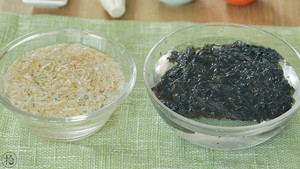 Put the dried shrimp and laver in a small bowl, cover with cool water, and soak for 10 minutes, changing the water two or three times. This softens them and washes out excess salt — they are heavily salted, and an unsoaked batch makes the whole meal taste briny.
-
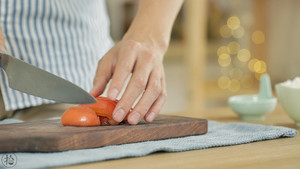 While they soak, prep the soup ingredients: dice the tomato, cube the mushrooms, slice the scallion, and beat the egg in a cup until no streaks of white remain.
-
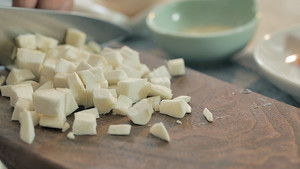 Make the soup first: heat 1 tsp of the oil in a small saucepan over medium-high heat, add the tomato, and stir-fry for 2 minutes, until it slumps and releases its juice.
-
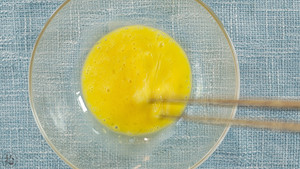 Add the mushroom cubes and stir for 1 minute more, until they smell fragrant and the edges turn slightly translucent.
-
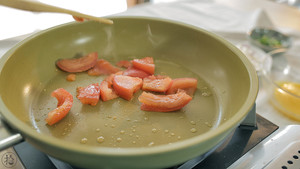 Pour in the water, bring to a boil, then lower to a steady simmer for 3 minutes so the broth picks up sweetness from the tomato and mushroom.
-
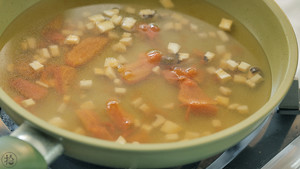 Stir the broth in one direction with a ladle so it spins gently, then drizzle the beaten egg in a thin stream while the liquid keeps moving — thin ribbons form instantly. Stop stirring once the egg is in.
-
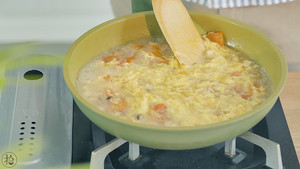 Season the soup with ¼ tsp of the salt and most of the scallion greens. Cover and keep on the lowest heat while you shape the rice balls.
-
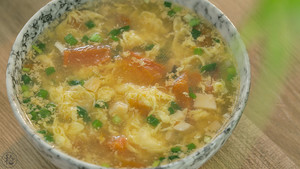 Drain the soaked shrimp and laver well, squeeze out the water with your hands, and chop them together into coarse bits on a cutting board.
-
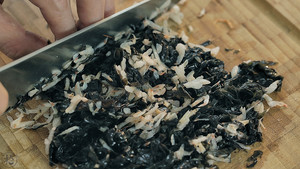 Dry-toast the chopped mix in a nonstick pan over low heat for 2–3 minutes, stirring, until no steam rises and it smells toasty. Drying it fully is what keeps the rice balls from falling apart and gives them a light crispness.
-
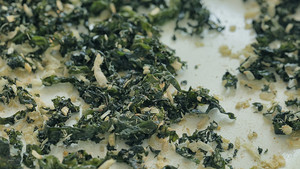 Tip the warm rice into a bowl, add the toasted mix, and toss with chopsticks until evenly distributed. Taste a pinch — add the remaining ¼ tsp salt only if no toddlers are eating.
-
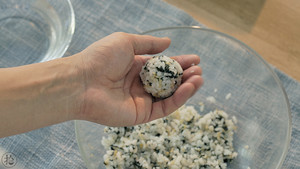 Wet your hands with cool water, scoop 2 Tbsp of the mixture, and press firmly into a ball about 4 cm (1½ inches) wide. Repeat for 8–10 balls, rewetting your hands as the rice starts to stick.
-
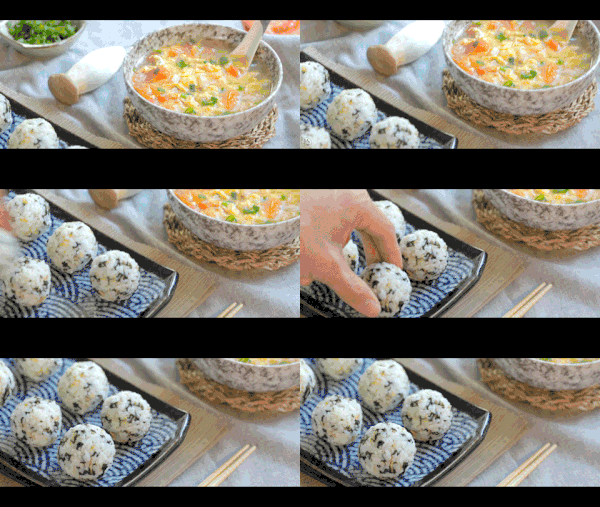 Serve the rice balls alongside bowls of the hot soup, scattered with the last of the scallion.
Why this recipe works
This pairing comes straight from modern Chinese home kitchens, where parents want one lunch that a toddler can grip and a grown-up actually wants to eat. Two small techniques make it succeed.
1. The desalting soak. Dried shrimp and dried laver are both preserved with a lot of salt — that is how they keep. A 10-minute soak with two or three water changes does double duty: it softens the laver so it chops cleanly instead of shredding into plastic-like strips, and it pulls out enough salt that you control the seasoning instead of the package does.
2. Dry-toasting before mixing. The reason many homemade rice balls fall apart is moisture: damp seaweed weeps into the rice and the whole thing slips. Two or three dry minutes in a pan drives that water off, concentrates the savory flavor, and adds a faint toastiness that makes the balls taste deliberate rather than like leftover rice pressed into shape.
3. One-direction egg pour. In the soup, the egg is added while the broth spins slowly in one direction. Moving liquid stretches the egg into long ribbons; still liquid clumps it into ragged curds. Stir, pour, stop — in that order.
About the dish
Small rice balls are a fixture of Chinese toddler food — a response to the universal problem of a two-year-old who wants to feed themselves. Shaping rice into something a small fist can hold turns mealtime from a negotiation into a game, and mixing savory things through the rice means every self-fed bite carries flavor. The soup that accompanies it follows the same logic: mild, quick, and gentle on small palates, but built on real aromatics rather than plain boiled water.
The combination of laver and dried shrimp is an old coastal-Chinese pairing — both are pantry staples from the seaside provinces, and their concentrated savory taste does the work that stock cubes do in Western kitchens. Because the rice is seasoned only by the toasted seaweed-shrimp mix, these amount to onigiri without rice vinegar — a plainer, Chinese-style take. Supposedly this exact soup-and-balls format spread through Chinese parenting circles online in the 2010s; whatever its exact origin, the logic is sound and the execution takes twenty minutes.
What to serve with it
This is a complete lunch on its own: balls for the hands, soup for the spoon. If you are feeding a bigger crowd, add a simple smashed cucumber on the side — the crunch plays well against the soft rice. Chilled, the shaped balls also pack neatly into a toddler lunchbox — pair them with a thermos of the soup for a complete on-the-go meal. For a fuller table, a bowl of egg fried rice and any light soup rounds out a Chinese-style family dinner.
Pro tips
- The soak is not optional if small children will eat this: dried shrimp and laver both carry a lot of salt from processing, and soaking is the only way to dilute it.
- Warm rice binds; cold rice crumbles. If your rice has been in the fridge, microwave it 30 seconds first and the balls will hold together easily.
- Keep a small bowl of cool water next to you when shaping — a quick dip between balls stops the rice welding itself to your palms.
- For the prettiest egg ribbons, the broth must keep moving in one direction while you pour, and the pour should be a slow, thin stream — never dump it all at once.
- No dried shrimp? Skip them and mix ½ tsp toasted sesame seeds into the rice instead — different flavor, same crunch.
Storage & leftovers
- Store rice balls in a sealed container in the fridge for up to 2 days; microwave 30 seconds or pan-toast 2 minutes to revive the crispness.
- The soup keeps 1 day refrigerated — reheat gently until steaming; the egg ribbons soften slightly but still taste right.
- Freezing is not recommended: cooked rice turns hard and chalky, and the egg ribbons go watery when thawed.
Frequently asked questions
What is xiāpí and where do I find it?
Dried small shrimp — tiny whole shrimp salted and dried, sold in plastic bags at Asian groceries near the dried mushrooms. They add a natural seafood sweetness. If you can't find them, the recipe still works: add an extra pinch of salt to the rice.
Can I use sushi nori sheets instead of laver?
Yes — laver and nori are the same sea vegetable, just processed differently. Use 2 sheets, tear them up, and skip the 10-minute soak since nori is rarely salted. Still give them the 2-minute dry toast.
My rice balls keep falling apart. What went wrong?
Usually one of three things: the rice was too cold, it was long-grain rice, or the seaweed-shrimp mix was still damp. Use warm short-grain rice, press the balls firmly rather than rolling gently, and toast the mix until truly dry.
Is this just baby food?
It started as a toddler meal in the original recipe, but it is a legitimately good light lunch for anyone. For adults, season at the fuller end of the salt and set out chili oil or soy sauce for dipping the rice balls.
Can I make any part ahead?
The rice balls hold well: refrigerate shaped balls in a sealed box up to 24 hours and rewarm 30 seconds in the microwave. The soup is best made fresh, but you can simmer the tomato-mushroom base ahead and add the egg right at serving.
Can I serve this to a baby under one year old?
The original author designed it for toddlers. If you are serving a baby, skip the added salt entirely, soak the shrimp and laver extra thoroughly, and cut the mushrooms smaller — but check with your pediatrician about dried shrimp, as shellfish is a common allergen.
What soup goes with rice balls?
A light one that will not compete with them — this mushroom and tomato egg drop soup is the classic pairing: savory broth, soft egg ribbons, ready in the time it takes the rice to cool. Keep the soup mild and the rice balls savory and the two balance each other.