Chinese home style · Soups
Seaweed Egg Drop Soup (紫菜蛋花汤)
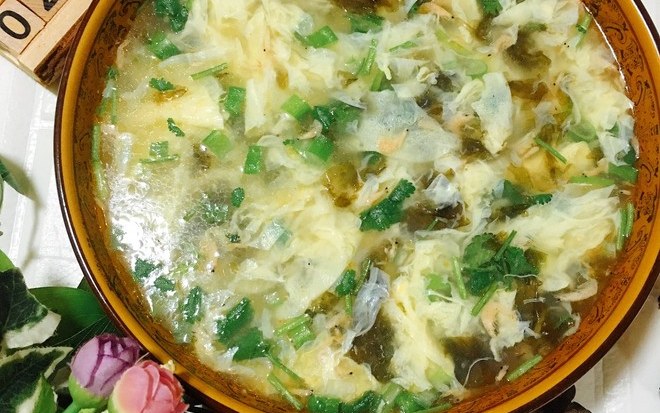
The 10-minute Chinese home soup: golden egg ribbons over toasted seaweed in a light sesame-scented broth — with the three-pour technique behind silky egg flowers.
Instructions
-
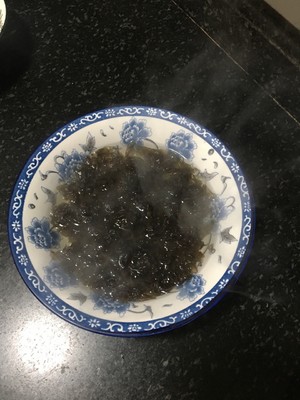
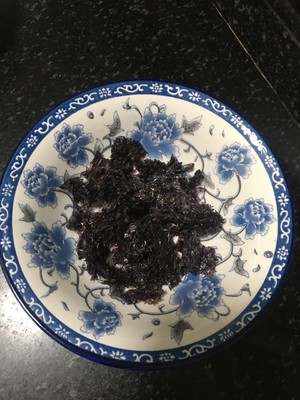 Tear the seaweed into bite-size pieces into each serving bowl, cover with hot water, and soak 5 minutes. Soaking does double duty: it softens the sheet and — the real reason — washes off any sand and the faint fishy edge, leaving clean ocean sweetness.
-
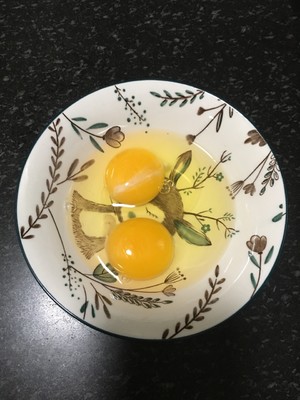
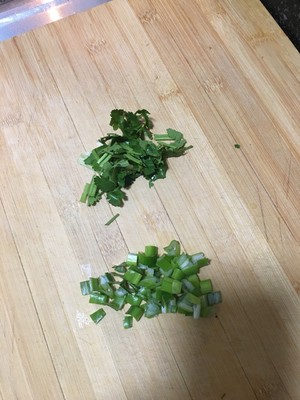
 Beat the eggs well in a pourable cup. Mix the cornstarch and cold water into a slurry. Chop the scallions and cilantro.
-
 Assemble the bowls: to the soaked seaweed, add the scallions, cilantro, dried shrimp and the white pepper. The bowl pre-build is the home-style signature — the broth gets poured over a seasoned base instead of everything being boiled together.
-
 Boil the 4 cups of water with the salt and bouillon. When at a full boil, stir the slurry once more and pour it in while stirring — the broth thickens just enough that egg ribbons will float instead of sinking.
-
 Kill the heat. Let the bubbling stop for 10 seconds — pouring egg into boiling soup shreds it into foam.
-
 Pour the egg in three additions: drizzle a thin spiral of egg over the surface, count to two, drizzle again, count again, finish the egg. Then wait — do not stir yet. The residual heat sets the egg into wide, silky ribbons (蛋花, "egg flowers").
-
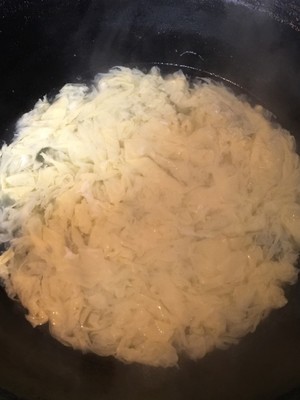 After 20 seconds, make ONE gentle pass with a spoon to loosen any set egg from the bottom.
-
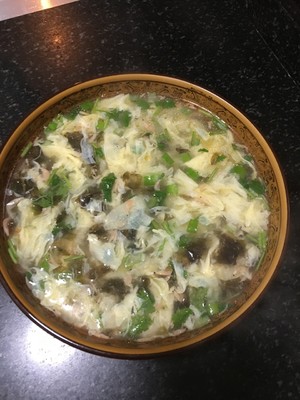 Pour the soup over the seasoned bowls — the hot broth hits the scallion, sesame-plumped shrimp and pepper, releasing their aroma on contact. Finish each bowl with a few drops of sesame oil and serve immediately.
Why this recipe works
Egg drop soup has two ingredients and zero forgiveness for sloppiness — which is why the version most people make at home looks like egg dregs. Three habits fix it forever.
1. Season the bowl, not the pot. The home-style move this recipe keeps: scallion, cilantro, dried shrimp and white pepper go into the serving bowl first, and the finished broth pours over them. Aromatics bloom on contact instead of boiling dull, and each bowl is seasoned to taste. It's the same logic as our wonton soup.
2. Heat off, egg in three passes. Boiling water shreds egg protein into the dreaded gray foam. Kill the heat, pause, then drizzle the egg in three slow spirals — each pass feathers into a wide, silky ribbon. This is the entire craft of 蛋花, "egg flowers," and it takes three tries to own. Learn it here and you know how to make egg ribbons in soup of any kind — hot and sour, corn, tomato.
3. A whisper of starch. One and a half tablespoons of cornstarch per liter — barely there — gives the broth just enough body to suspend the egg and seaweed in an even, floating garden instead of a sunken pile. Restaurant texture, invisible effort.
About the dish
Zǐcài dànhuā tāng (紫菜蛋花汤) is the everyday soup of Chinese home cooking — the 10-minute pot that starts dinner, cures colds, and uses the last two eggs before grocery day. Seaweed from the coastal farms of Jiangsu and Fujian meets eggs, and the whole thing is seasoned by what's already in a Chinese pantry: shrimp, sesame, scallion, pepper.
Its virtue is humility: no stock required (the seaweed and dried shrimp make their own sea-sweet broth), no knife skills, no timing stress. The laver itself is worth knowing: sold in dried rounds or squares, it toasts over a flame until it turns green-black and crisp — where most of the ocean perfume comes from. It's also the soup Chinese pediatricians recommend and grandparents make — light, digestible, quietly nutritious. If Chinese home cooking is a language, this is its "hello."
What to serve with it
Anything — it's the universal sidekick. It makes a light meal with fried rice, rounds out potsticker night, and rescues a heavy braise like red-braised pork belly from richness overload. It is also the default sick-day soup: make it with extra white pepper and ginger. Kids drink it happily if you skip the cilantro; adults get the dried shrimp. Leftovers keep two days — reheat gently without boiling, or the egg ribbons turn rubbery. And because the broth builds itself from seaweed and dried shrimp, this is the original egg drop soup without chicken broth — if all you have is a pack of sushi nori, that works too.
Pro tips
- The three-pour egg technique is the entire skill of egg drop soup: drizzle → pause → drizzle. Poured all at once, egg clumps into one ragged cloud; poured in slow passes, it feathers into flowers.
- Heat off before the egg. Boiling liquid tears protein into foam — the gray, frothy egg that haunts bad egg drop soup. Still water makes silk.
- Soak the seaweed even though it's technically ready-to-eat: 5 minutes of hot water softens and de-fishes it. It also pre-warms the serving bowls.
- The light thickening (1½ Tbsp cornstarch for a whole liter) is what suspends the egg and seaweed evenly instead of letting them sink — restaurant texture, minimal effort.
- Dried small shrimp are tiny, free-flowing umami — the same ones in our hot and sour soup. If you skip them, use a drop more soy in the bowl.
- This soup scales linearly and forgives distraction: it's the dish Chinese parents teach first, precisely because nothing in it can burn in 10 minutes.
Storage & leftovers
- Best fresh — egg drop soup waits for no one and the ribbons toughen on standing.
- Leftovers keep 1 day refrigerated; reheat gently without boiling and accept slightly firmer egg.
- The dry assembly (seaweed, shrimp, scallions in bowls) can be prepped in the morning and takes 8 minutes of actual cooking at dinner.
Frequently asked questions
What kind of seaweed do I buy?
Look for dried roasted laver (紫菜) in flat sheets or loose flakes — the same species as sushi nori, processed lighter. Any Asian grocery carries it for a couple of dollars; a pack makes dozens of soups.
Can I use chicken stock instead of water?
Yes — it makes a richer, restaurant-style bowl. The classic home version uses water plus the shrimp and sesame for savor; with stock, halve the salt.
Why did my egg turn into gray foam?
The soup was boiling hard when the egg went in, or you stirred immediately. Heat off, 10-second rest, slow drizzle, then one gentle stir.
Is this vegetarian?
With the shrimp skipped, yes — the bowl base and seaweed carry it. Use a drop of soy sauce in place of the bouillon if it contains animal products.
Can I add other things?
Tomatoes (quartered, simmered 2 minutes before the slurry) make the beloved tomato-egg version; tofu cubes and corn are common additions. Keep additions light — this is a delicate soup.
How is this different from restaurant egg drop soup?
Restaurants thicken heavier and often add corn or chicken. This is the daily-home version: lighter, faster, and brighter — the one Chinese people actually make on weeknights.
Can I make egg drop soup without cornstarch?
Yes — the soup will be a little thinner and clearer, and the ribbons drift to the bottom faster; give the pot one gentle stir before ladling. The slurry is what keeps ribbons evenly suspended, so without it, serve right away.