Chinese home style · Rice & One-Bowl Meals
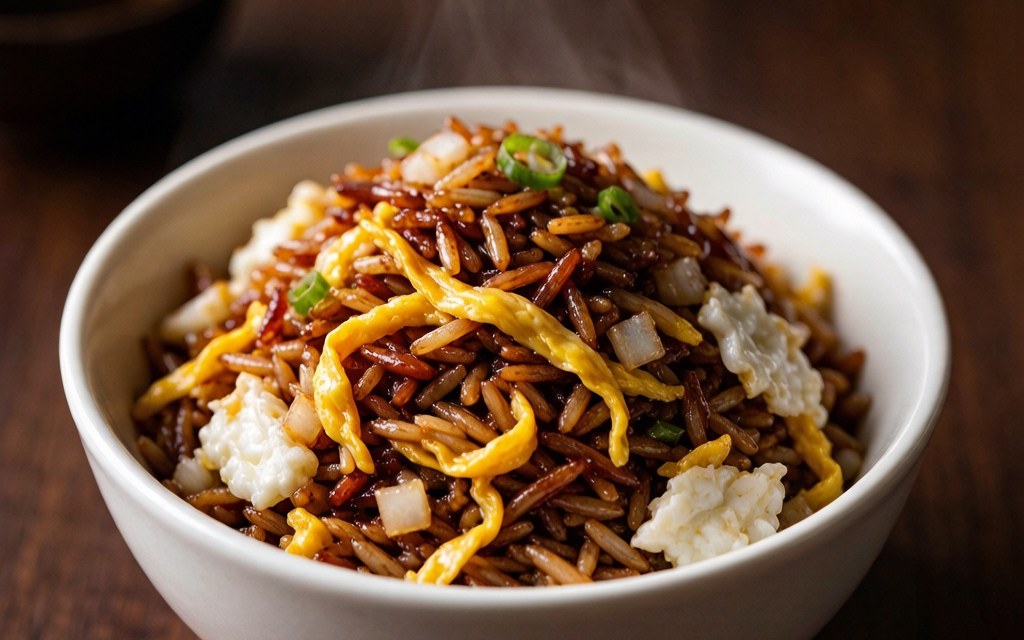
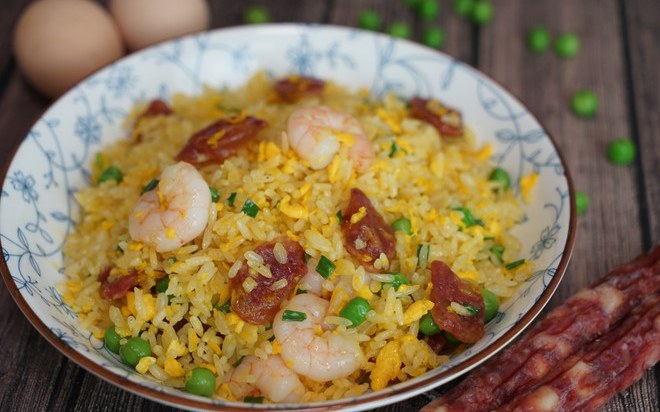
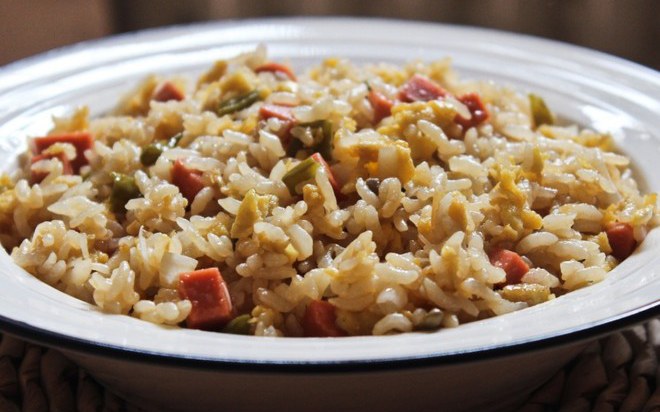
Ham and Egg Soy Sauce Fried Rice (火腿鸡蛋酱油炒饭)
Glossy ham and egg soy sauce fried rice with a balanced soy-oyster glaze — plus the coconut-oil rice trick that keeps every grain loose and separate.
Instructions
-
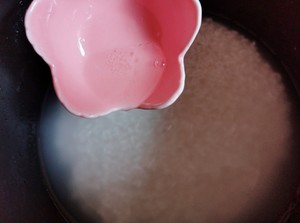
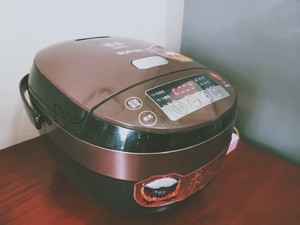
 If making rice from scratch: combine the rinsed rice, water and melted coconut oil in a rice cooker, stir once, and run the normal cycle (about 30 minutes). Rest 10 minutes with the lid on, then fluff and spread on a tray to cool — this rice is noticeably loose and separate once chilled. Have day-old rice? Skip this step.
-
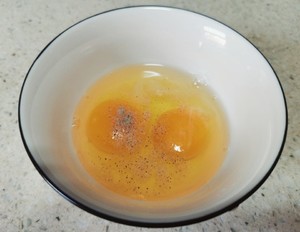
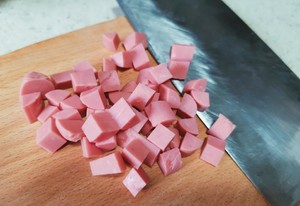
 Beat the eggs with the salt and white pepper. Dice the ham, chop the scallion, and mince the pickled long beans if using.
-
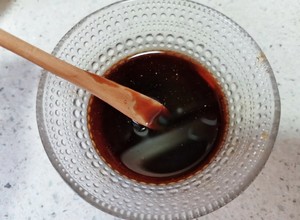
 Mix the sauce in a small bowl: light soy sauce, dark soy sauce, oyster sauce, sugar, white pepper and water, stirring until the sugar dissolves.
-
 Set everything at the stove before you light it — fried rice is a fast dish and there is no time to measure mid-stir-fry.
-
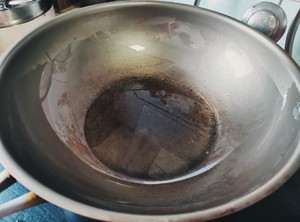
 Heat a wok over high heat for about 15 seconds, add the oil, then reduce the heat to medium. Lift and tilt the wok so the oil coats the entire cooking surface — that thin film is your anti-stick insurance.
-
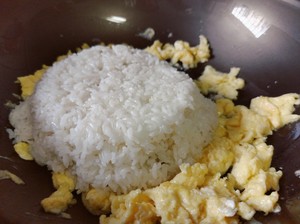
 Pour in the eggs and let them sit a few seconds until the edges set but the middle is still soft and glossy. Break them up with the spatula into soft curds.
-
 Add the rice. Press any clumps flat against the wok with the spatula to break them, then toss until the grains are loose and heated through, 1-2 minutes.
-
 Add the ham and toss for 30 seconds, until it sizzles and gives up a little fat into the rice.
-
 Add the scallion and pickled long beans and toss until fragrant, about 30 seconds.
-
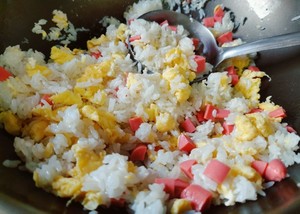 Add the sauce in 2-3 additions. After each one, toss hard and scrape the bottom of the wok — the rice looks wet for a moment, then drinks the sauce in. Done right, the grains turn glossy and mahogany but never soggy.
-
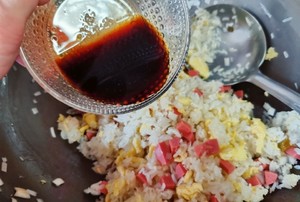 When the wok sizzles dry and the rice smells toasty, slide it onto plates and eat at once.
Why this recipe works
1. Rice engineered to stay loose. If you cook rice fresh for fried rice, it comes out of the cooker damp and gluey — the death of good fried rice. Stirring a teaspoon of melted coconut oil through the water before cooking coats each future grain in fat, which blocks the starches from grabbing each other as the rice cools. The result chills into loose, separate grains without any overnight planning.
2. The sauce goes in batches. Pour all the seasoning in at once and the rice sits in liquid, steaming instead of frying. Added in 2-3 rounds — tossed hard until each one is absorbed — the sauce flavors grain by grain, and the water in the sauce has time to evaporate into the air rather than into a puddle. That batch-built gloss is also what separates restaurant style soy sauce fried rice from a pale, soy-splashed home version.
3. An oil film, not an oil pool. Heating the wok, adding the oil, then tilting to coat the whole surface creates a nonstick layer across every square centimeter. That's what lets the eggs set without sticking and the rice toast without scraping.
About the dish
This is home-style soy sauce fried rice dressed up for dinner: diced ham sausage (火腿肠), eggs, scallion and a measured soy-oyster glaze instead of the usual splash-from-the-bottle. Ham sausage is a beloved Chinese convenience food — every convenience store stocks it, every kid grew up on it — and it turns sweet and snappy at the edges of a hot wok. It arrived in China as a Japanese-era factory food and has settled into picnics and instant-noodle upgrades ever since — using it here is nostalgia by design.
The recipe comes from a home cook who measured everything into grams precisely so beginners wouldn't have to guess at "a splash of soy." The pickled long beans are optional but authentic to the original — their sour crunch is the kind of detail that makes a simple fried rice taste considered.
What to serve with it
A big bowl of this is dinner by itself. If you want company on the table, a quick cucumber salad or a simple greens soup from the soup collection balances the salt; hot tea is the right drink. Curious how it differs from the classic? Try it side by side with egg fried rice, or explore more rice recipes. Kids demolish it as is; adults can add chili crisp. Leftovers re-fry well the next morning — the sauce holds and the ham edges crisp further.
Pro tips
- The coconut-oil rice is a meal-prep trick: a thin coat of fat on each grain keeps them separate even after a night in the fridge. Any leftover rice works, but this one fries up extra loose.
- Adding the sauce in batches is the difference between glossy and gluggy — each portion gets tossed until absorbed before the next goes in, so the rice never sits in liquid.
- Ham sausage is salty on its own. Taste a grain of rice after the first sauce addition before reaching for more salt — you almost never need it.
- Pickled long beans bring a sour crunch that cuts the richness; zha cai or even chopped dill pickle stands in fine.
- Keep the heat at medium for the eggs, then don't be shy about raising it once the rice is in — high heat evaporates the sauce water into aroma instead of sogginess.
Storage & leftovers
- Leftovers keep 2 days refrigerated in a sealed container; the grains stay surprisingly loose thanks to the oil-coated rice.
- Reheat in a hot skillet for 2 minutes with a tiny splash of water, or microwave covered at full power for 90 seconds.
- You can refrigerate the coconut-oil rice for up to 2 days before frying — it actually fries better after a night in the fridge.
Frequently asked questions
Do I have to make the coconut-oil rice from scratch?
No. Any day-old leftover rice works — just make sure it's cold and loose. The coconut-oil method is included because it practically guarantees separate grains, even for first-timers.
What can I use instead of pickled long beans?
Chopped zha cai (Sichuan pickled mustard stem) is the closest match; a teaspoon of minced cornichons works from a Western pantry. Or leave them out entirely — the rice is still complete.
Why does my fried rice clump into balls?
The rice was warm or wet, or the wok was crowded. Cold rice, a fully preheated wok, and pressing clumps flat with the spatula solve all three.
Can I use bacon or luncheon meat instead of ham sausage?
Yes — any salty cured meat works. Render bacon first and use some of its fat in place of the oil; luncheon meat browns beautifully here.
Is this very salty?
Moderately — the sauce spreads about 2½ teaspoons of soy over two generous servings. For low-sodium diets, use low-sodium soy sauce and skip the salt in the sauce swap.
How do I get that darker, restaurant-style color?
The depth in restaurant style soy sauce fried rice comes mostly from the dark soy in the glaze — it colors the grains without thinning the seasoning. Leave it out and the rice tastes right but looks pale.