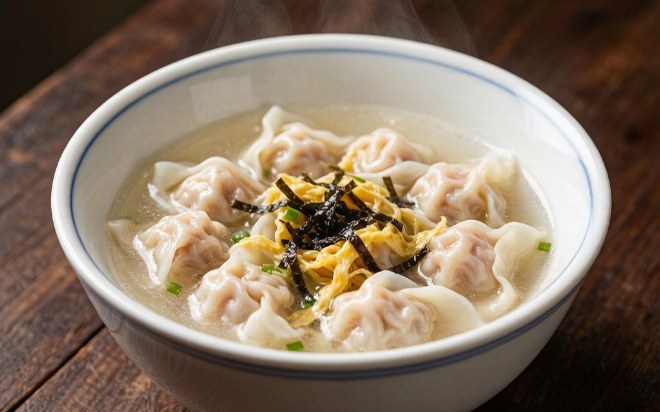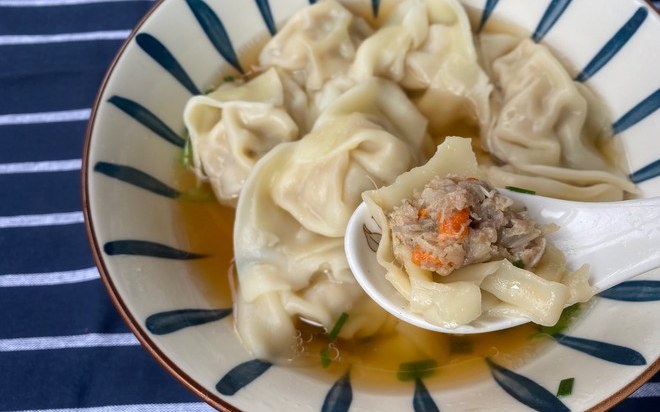
Northern Chinese home style · Dumplings & Dim Sum
Pork & Cabbage Dumplings from Scratch (白菜猪肉饺子)
The definitive pork and cabbage dumplings: hand-rolled wrappers, a juicy ginger-seasoned filling, the pleated fold and the two-rinse boil — every quantity measured.
Instructions
-
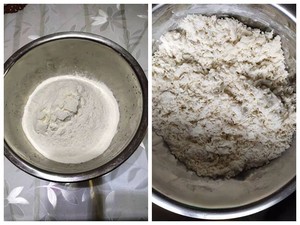 Make the dough: stir the salt into the warm water. Put the flour in a large bowl and pour in the water a little at a time, stirring with chopsticks or a fork until shaggy flakes form. Knead for 5 minutes into a smooth, medium-soft dough — it will come together fully after resting, so don't chase perfection now. Cover and rest 30 minutes.
-
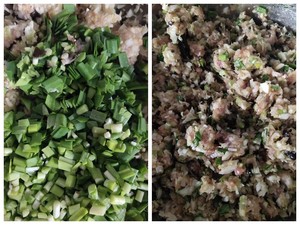 Salt the cabbage: toss the chopped cabbage with 1 tsp salt and let it sit 15 minutes. Squeeze handfuls firmly and drain off the liquid — this step is what keeps your filling from turning watery.
-
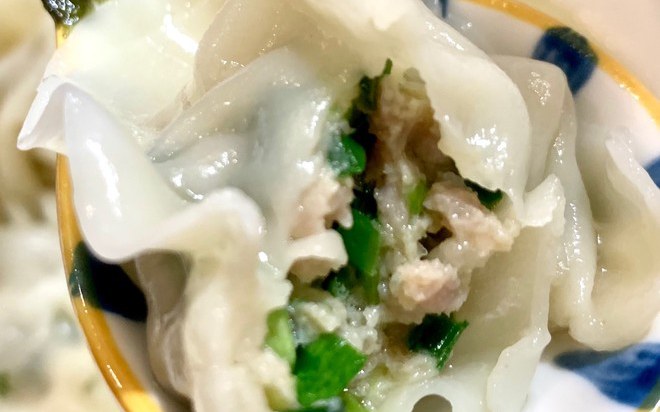
 Season the meat: in a large bowl, combine the pork, scallions, ginger, light soy, Shaoxing wine, oyster sauce, sugar, white pepper, 2 tsp salt and the oil. Stir in one direction for 2 minutes, until the mixture turns sticky and uniformly colored — a sticky base absorbs the cabbage without weeping.
-
 Add the squeezed cabbage (and wood ears, if using) to the meat and fold through. Taste-adjust the salt: pan-fry a spoonful of filling and taste it — the safest way to season a dumpling filling.
-
 Roll the wrappers: cut the rested dough into quarters (do not re-knead — rested dough rolls better than freshly kneaded). Roll each quarter into a rope about 1 inch (2.5 cm) thick and cut into 12–15 pieces. Flatten each piece into a disc, then roll with a small rolling pin into a 3-inch (7–8 cm) wrapper, thin at the edges and slightly thicker in the center.
-
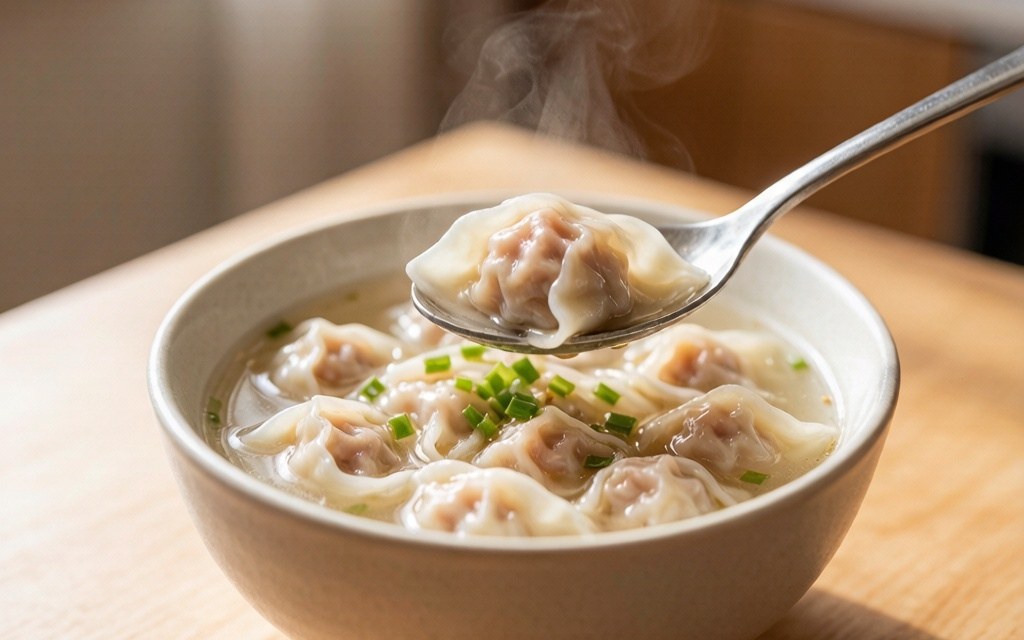
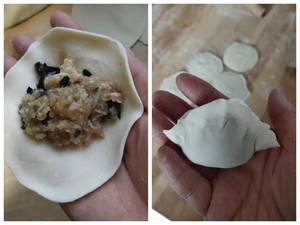
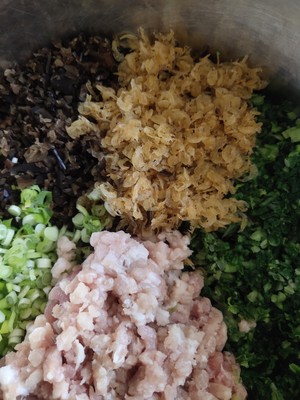 Fold: hold a wrapper in your palm, place 1 heaped tablespoon of filling in the center, fold the circle in half and pinch the middle point closed to anchor it. Pleat the top layer 2–3 times, pressing each pleat into the back layer, working from the middle outward. Set the finished dumpling seam-up on a floured tray; they should sit upright like little half-moons.
-
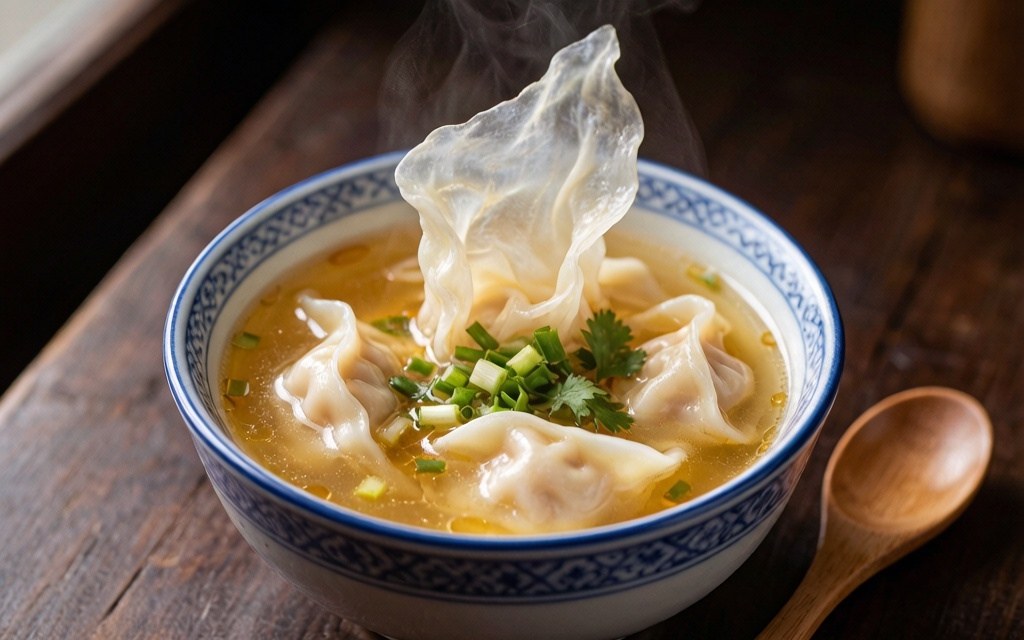
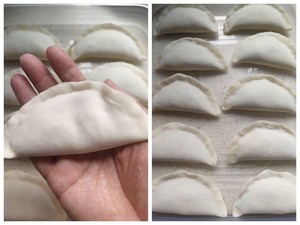 Boil: bring a large pot of water to a full rolling boil. Slide the dumplings in along the edge, stirring once immediately so nothing sticks to the bottom. When the water returns to a boil, pour in ½ cup (120 ml) cold water — the traditional "two rinses" method. Repeat once more; the dumplings are done about a minute after they all float and their skins look puffed and slightly translucent.
-
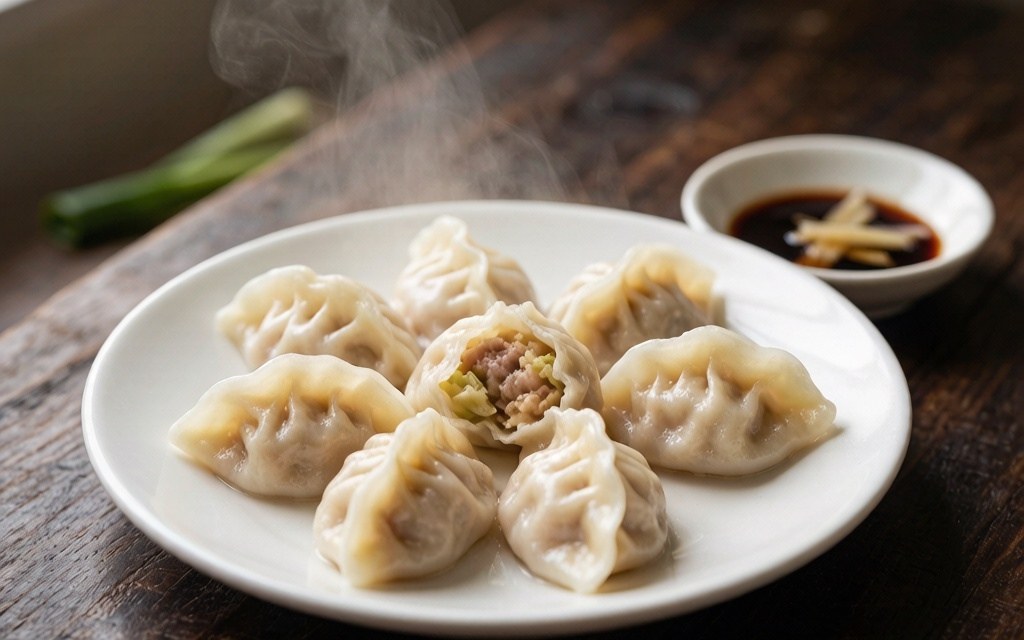
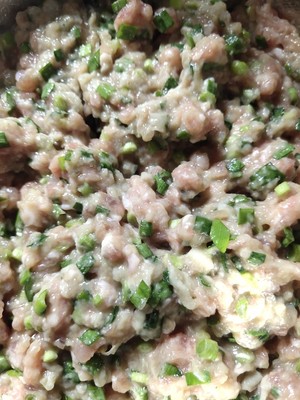 Ladle them out with a slotted spoon, drain well, and serve hot with dipping vinegar mixed 2:1 with soy sauce.
-
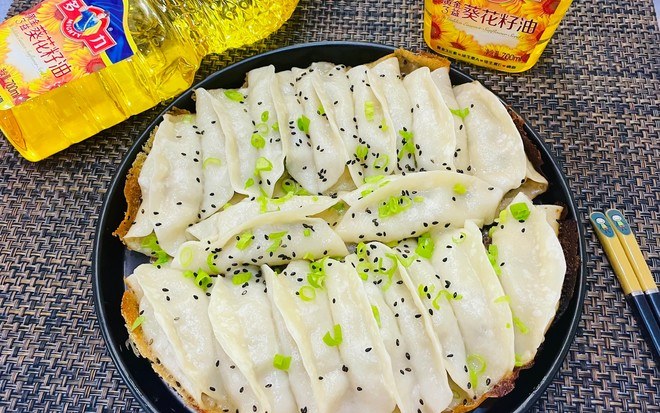
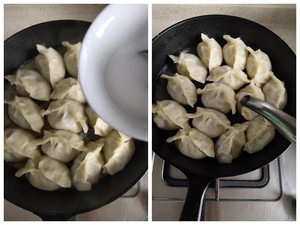
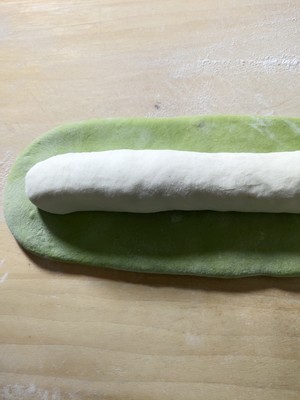 To pan-fry instead (guōtiē style): heat 1 Tbsp oil in a nonstick skillet over medium heat, arrange dumplings flat-side down, fry 2 minutes until golden on the bottom, add water to one-third of their height, cover, and steam 5–6 minutes until the water is gone.
Why this recipe works
Northern Chinese families make dumplings the way Western families make Sunday roast — weekly, ritually, and with strong opinions. This is the base method every opinion starts from, and it stands on three details most recipes skip.
1. Warm, salted water dough. Hot water doughs (烫面) turn soft and dumpling-skins turn gummy; cold water doughs turn tough. Warm water at about 40°C (105°F) with a pinch of salt lands in between: wrappers that roll paper-thin at the edges but stay supple and chewy when boiled. The salt isn't for flavor — it tightens the gluten so wrappers don't tear.
2. Salt-squeeze the cabbage. Napa cabbage is 95% water. Salt draws it out in 15 minutes, and squeezing removes a shocking cup of liquid that would otherwise end up in your pot instead of your dumplings. This is the single biggest difference between juicy filling and broken wrappers — and why napa cabbage dumplings reward the extra 15 minutes.
3. The two-rinse boil (点水). Adding cold water twice — the way every Northern Chinese home does it — controls the boil so skins never rupture, and the thermal shock tightens the wrapper for that springy, bouncy bite (whereas a rolling boil for the same time gives you a soft, waterlogged skin).
About the dish
Jiǎozi (饺子) are older than most nations — eaten since the Eastern Han dynasty, and by legend shaped after ancient gold ingots for luck. In Northern China they are THE festival food: the whole family wraps them together on Chinese New Year's Eve, sometimes hiding a coin in one for fortune. Pork and napa cabbage is the canonical everyday filling — the one Chinese people mean when they say "dumplings" with no qualifier.
The homemade version differs from restaurant and frozen dumplings in one word: juice. A fresh, fatty filling with properly squeezed cabbage cooks into a spoonful of broth inside each wrapper — bite the tip open, sip, then eat. That's the test of a well-made dumpling. The squeezing step matters more than any seasoning: salted cabbage gives up just enough water to sweeten the filling without drowning the wrapper.
What to serve with it
Black vinegar with a splash of soy is the classic dip; garlic-chili oil if you like heat (our homemade red chili oil is made for this). Serve with a simple smashed cucumber salad and, for a proper northern dinner, a pot of millet congee — the dumplings are rich, the congee plain, and the combination is exactly the point. When you've got the folding down, graduate to potstickers — same wrapper, more drama. Leftovers pan-fry beautifully the next morning — to reheat boiled dumplings, always choose the skillet over re-boiling, and freeze extra uncooked ones on a tray before bagging.
Pro tips
- Resting the dough is not optional — freshly kneaded gluten is elastic and springs back when rolled; after 30 minutes it rolls thin and rounds with almost no effort.
- Never re-knead the dough after resting before dividing: kneading re-tightens the gluten and makes both ropes and wrappers tough to shape.
- Thin-edge, thick-center wrappers are the pro move: the thick center holds the juicy filling, the thin edges pleat flat without a doughy lump at the seam.
- The cold-water rinse (点水) does two jobs: it stops the boil from tearing the skins and re-firms the wrapper, giving that signature bouncy bite.
- Filling too wet after the cabbage goes in? Mix in 1 Tbsp cornstarch — it binds the juices into a sauce as the dumplings cook instead of leaking out.
- Freeze extra uncooked dumplings on a floured tray until rock solid, then bag them — boil from frozen, adding 2 minutes, no thawing.
Storage & leftovers
- Uncooked: freeze on a floured tray until solid, then transfer to freezer bags for up to 2 months. Boil straight from frozen, 2 minutes longer.
- Cooked: refrigerate up to 2 days; pan-fry next day — day-old boiled dumplings pan-fried crisp are arguably better than fresh.
- Filling (meat only, no cabbage): refrigerate 24 hours or freeze 1 month.
Frequently asked questions
Can I use store-bought dumpling wrappers?
Absolutely — one 1-lb pack (about 40–45 wrappers) covers this filling. Press or roll each store wrapper slightly wider before folding; they tend to be small and thick. Making dough yourself costs about 50 cents and tastes noticeably better.
My wrappers keep tearing when I fold. Why?
The dough is under-rested, over-floured, or rolled too thin at the center. Rest the full 30 minutes, use flour sparingly, and keep the center a touch thicker than the edges.
How do I keep the filling juicy instead of soupy?
Three things: salt-and-squeeze the cabbage, stir the meat in one direction until sticky, and add cabbage last. If it still weeps, 1 Tbsp cornstarch in the filling solves it.
What other fillings can I make with this dough?
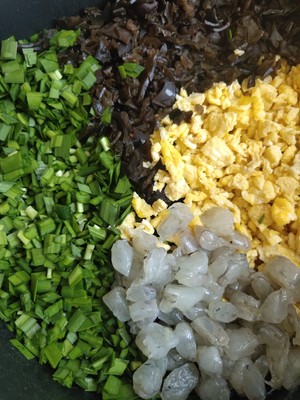
This dough works for everything: pork–chive, pork–shrimp, egg–chive–wood ear (a Northern classic), even vegan combos of mushroom, vermicelli and scrambled egg. Keep total vegetables at roughly the meat's weight.
How do I know the dumplings are done?
They float first, but that only means the filling is heated — wait for the second rinse and puffed, translucent-looking skins, about 6–7 minutes total for fresh dumplings.
Can I make the filling ahead?
Yes — seasoned meat keeps 24 hours refrigerated. Add the raw cabbage no more than 1 hour before wrapping, or it weeps even after squeezing.
How do I freeze and reheat dumplings?
Freeze them uncooked on a floured tray until solid, then bag for up to 2 months and boil straight from frozen, 2 minutes longer. Cooked leftovers: skip re-boiling — pan-fry them crisp instead.
What's the difference between shui jiao and guotie?
Shuǐjiǎo (水饺) are boiled, exactly as in step 7; guōtiē (锅贴) are pan-fried until crisp on the flat side, as in step 9. Same dough, same filling — two different dumpling dinners.