Northern Chinese home style · Dumplings & Dim Sum
Pork & Chive Potstickers with Crispy Lace (猪肉韭菜锅贴)
Restaurant-style potstickers with the shattering golden bottom and lacy ice-flower crust: hot-and-cold water dough, pepper-perfumed pork, the starch-water steam-fry.
Instructions
-
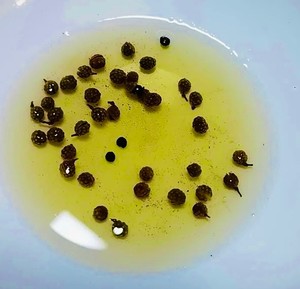 Steep 1 tsp Sichuan peppercorns in 3 Tbsp (45 ml) just-boiled water for 15 minutes. This fragrant pepper water is the secret seasoning — it perfumes the pork and kills any meatiness without adding heat.
-
 Make the dough: mix the flour and salt, stir in the boiling water until flaky, then add the cold water and knead 5 minutes into a smooth dough. The hot water tenderizes, the cold water builds chew — the hybrid dough is what separates potsticker skins from boiled dumpling skins. Cover and rest 20 minutes.
-
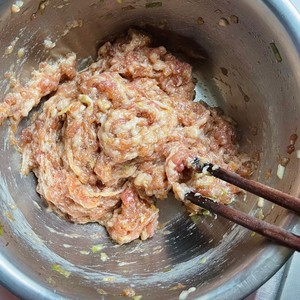 Season the pork: combine pork, scallions, ginger, white pepper, sugar, salt, light soy, oyster sauce and Shaoxing wine. Stir in one direction until sticky, then add the Sichuan pepper water a spoonful at a time, stirring until each addition is fully absorbed before the next — the meat should end up glossy and loose, never dry.
-
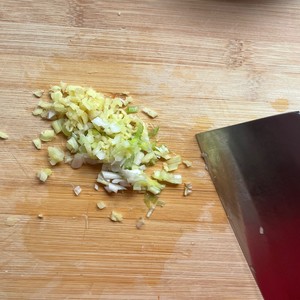
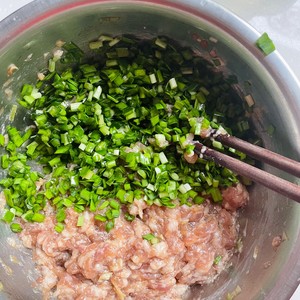 Oil the chives: toss the chopped chives with 1 Tbsp oil in a separate bowl — the oil film keeps them from weeping into the filling — then fold them and the sesame oil into the pork just until combined. Don't stir hard from here on.
-
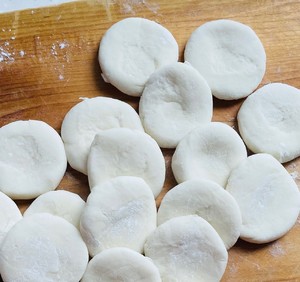 Shape: roll the dough into a rope, cut into 16 pieces, roll each into a 3½-inch (9 cm) wrapper slightly thicker than a dumpling skin. Place a strip of filling along the center, fold the wrapper over, and pinch the top seam closed only — leave both ends open. These long, flat, open-ended parcels are what make them guōtiē ("pan-stuck") rather than dumplings.
-
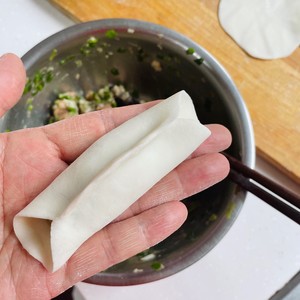 Pan-fry: brush a large nonstick skillet with 1 Tbsp oil, arrange the potstickers seam-up in a circle or rows, slightly touching. Turn the heat to medium-low and fry 3–4 minutes, until the bottoms are evenly golden — lift one with tongs to check. Patience here builds the crust that the steam step will not undo.
-
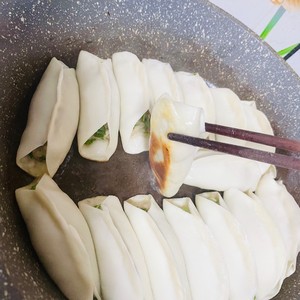 Build the lace: stir the lace slurry ingredients together (cornstarch settles fast — stir again right before pouring), then pour it into the pan until the potstickers stand in it about one-third deep. Cover immediately, reduce to low, and steam 5–6 minutes.
-
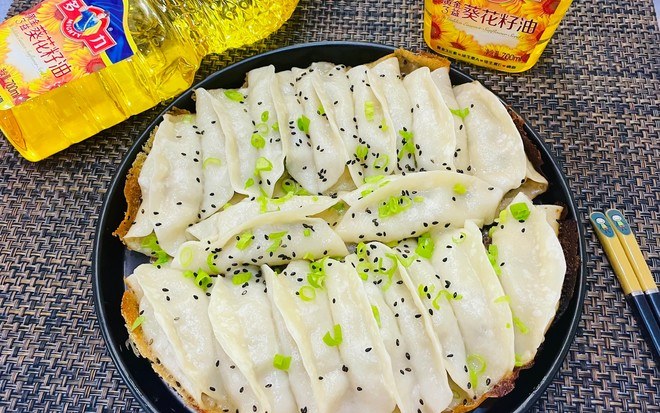
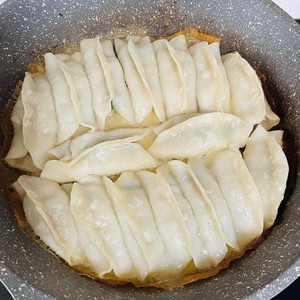 When the slurry has boiled away to a thin crackling sheet and the bottoms lift as one connected lattice, take off the lid, raise the heat 30 seconds to dry the lace, and scatter scallion greens and sesame seeds over the top.
-
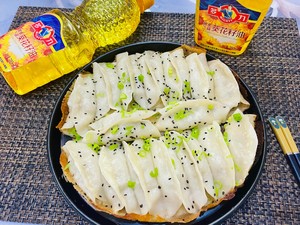 Slide a thin spatula under the whole lattice and invert the pan's contents onto a plate, lace-side up. Serve with black vinegar for dipping.
Why this recipe works
Potstickers look like dumplings that took a wrong turn, but every difference is engineered for the fry.
1. The hybrid dough. Boiled dumplings use cold-water dough for chew; potstickers use half boiling water, half cold. The hot water gelatinizes part of the starch so the skin turns tender and slightly puffy when steamed, while the cold-water gluten keeps the frying bottom from turning leathery. It's a two-texture problem solved in one dough.
2. Sichuan pepper water, not ground pepper. Steeping the peppercorns and beating the scented water into the pork in stages does what a wet marinade does for roast meat: it hydrates the proteins so the filling stays springy and juicy. This stage-wise liquid absorption (打水) is the backbone of every good Chinese meat filling — a juicy Chinese chive pork filling is built exactly this way.
3. Fry first, starch-water second. The crust forms dry before any liquid arrives — then the shallow slurry simmer cooks the filling through while the lid traps steam for the tops. The lace is the slurry's starch frying at the waterline as it recedes. Water alone can't build it, and it's why this version beats the plain "add water and cover" method.
About the dish
Guōtiē (锅贴, literally "pan-stuck") is the pan-born sibling of the dumpling, beloved across Northern China and especially in Shanghai, where street vendors fry them in long rows in giant flat pans. The open ends are the giveaway — traditionalists insist a sealed potsticker is just a fried dumpling, and that the open ends matter: they let you see the filling's pink-to-brown color change, the potsticker's built-in doneness meter.
The lace skirt (冰花, "ice flower") is the modern crowd-pleaser — crisp starch lace fanning out from the bottoms. Shanghai cooks debate it like pizza styles: individual laces or one grand connected skirt. This recipe does both, depending on whether you crowd the pan. Either way, inverting the whole thing lace-up onto the plate is the moment of theater that makes potstickers a dinner-party dish disguised as a weeknight one.
What to serve with it
Black vinegar, maybe with a few drops of chili oil stirred in — that is the whole condiment course, and honestly the only potsticker dipping sauce you need; the lacy bottoms season themselves. A bowl of seaweed egg drop soup alongside turns potstickers into a full shanghainese-style meal, and a batch of boiled dumplings from the same dough stretches the filling for a crowd. Kids like theirs plain with a little soy; adults quietly claim the pieces with the best lace. Re-crisp leftovers in a dry skillet with a splash of water — the bottoms come back golden in minutes.
Pro tips
- The starch-flour combo in the slurry is deliberate: starch alone makes a fragile glassy sheet, flour alone a dull crust — half and half gives the sturdy, delicate lace that photographs itself.
- Leave gaps only if you want individual potstickers; touching them in a rosette makes them steam each other's sides soft and share one grand lace skirt — both are authentic.
- If you hear loud spitting before the 5-minute mark, the heat is too high; the water should simmer, not boil violently, or the bottoms burn before the filling cooks.
- Chinese chives (jiǔcài) are flat, broad and garlicky — a different species from the skinny chives in produce aisles. Find them at any Asian grocer; regular chives + 1 minced small garlic clove approximate them.
- Only water in the pan (many recipes) gives a hard, chewy bottom; the starch slurry gives the crackling-crisp one. It's worth the extra tablespoon of cornstarch.
Storage & leftovers
- Best straight from the pan — the lace softens within minutes of steaming.
- Shape and freeze raw: tray-freeze until solid, bag for up to 2 months, fry from frozen with 2 extra minutes covered.
- Leftovers: re-crisp in a dry nonstick pan over medium heat for 2–3 minutes, lace and all.
Frequently asked questions
What's the difference between potstickers and dumplings?
Same family, different technique: dumplings are fully sealed and boiled; potstickers are open-ended, pan-fried first, then steam-fried. The open ends let the filling's steam season the meat directly — and they're faster to fold.
Can I use store-bought wrappers?
Yes — buy "dumpling wrappers" (round), not wonton wrappers (square, too thin for frying). Roll each one ½ inch wider; frying needs a slightly thicker skin to stay juicy.
My lace stuck to the pan and tore. What happened?
Three usual causes: not enough oil under the potstickers before pouring the slurry, the heat was too high so the lace welded on, or you lifted before it fully dried. The lace releases on its own when it's crisp — if it fights back, keep cooking 1 more minute.
Can I make them ahead?
Fill and shape up to a day ahead — refrigerate on a floured, covered tray, then fry cold from the fridge (add 1 minute). You can also freeze shaped potstickers and fry from frozen without thawing.
Why pepper water instead of just pepper?
Ground Sichuan pepper in a filling can turn bitter and gritty; steeping in hot water extracts only the perfume. It's the standard technique for juicy pork fillings across Northern China.
How do I keep the wrappers soft on top while the bottom crisps?
That's the covered steam step's job — one-third depth of liquid, lid on, low heat. Deep water boils them; shallow water steams the top while the bottom keeps frying.
Can I cook these in an air fryer?
Yes for a lower-oil version — brush with oil and air-fry until the bottoms brown — but the ice-flower lace only happens in a pan, where the starch slurry fries at the waterline. Air-frying trades the lace for convenience.