Shanghai home style · Dumplings & Dim Sum
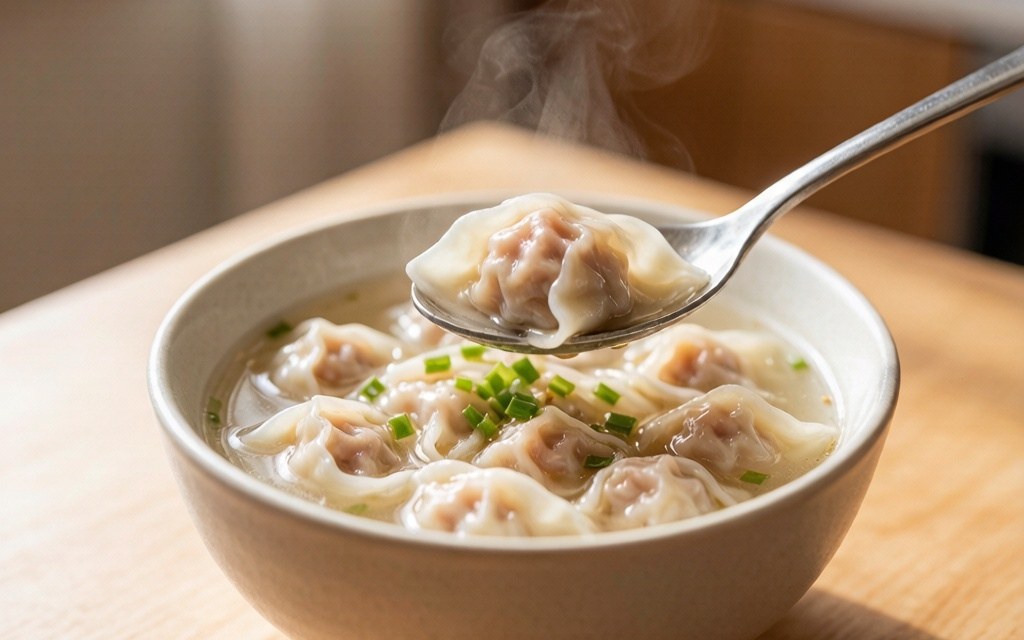
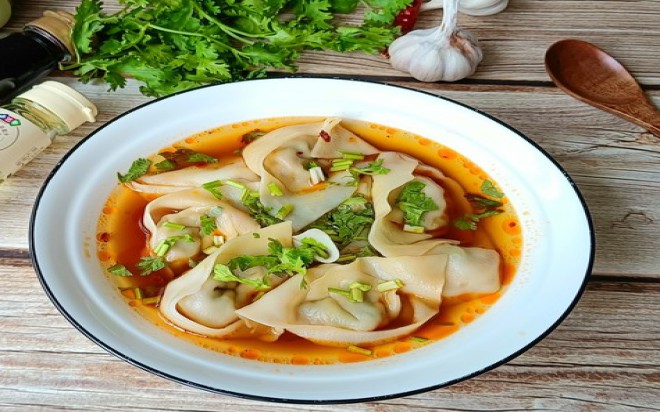
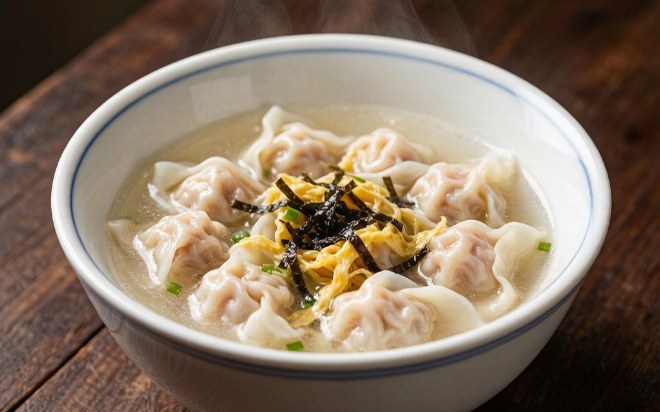
Pork Wonton Soup (鲜肉小馄饨)
Silk-skinned pork wontons in a scallion-scented broth: the Sichuan-pepper-water filling technique and the ten-second fold that make store-bought taste amateur.
Instructions
-
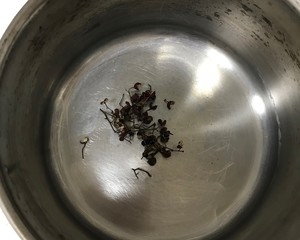 Make pepper water: steep the Sichuan peppercorns in ½ cup hot water for 15 minutes, then strain. This lightly perfumed water is what turns ordinary ground pork into that bouncy, aromatic wonton filling — Sichuan restaurants and home cooks alike beat it into the meat in stages.
-
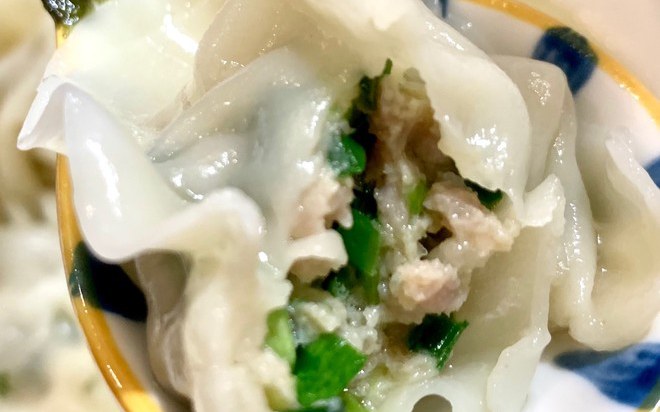
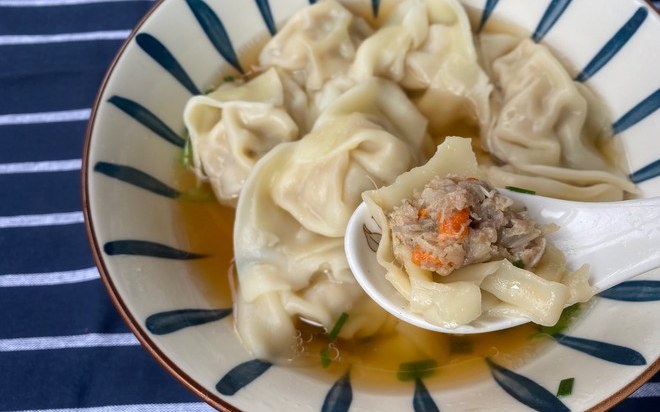
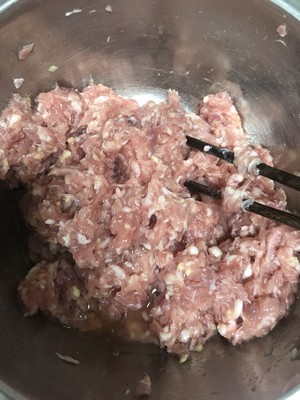
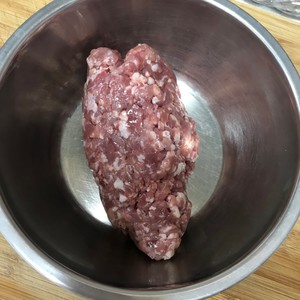 Season the pork: in a bowl, combine pork, egg, ginger, scallions, Shaoxing wine, light soy, oyster sauce, sesame oil, salt and white pepper. Stir in ONE direction until the egg disappears and the meat turns sticky.
-
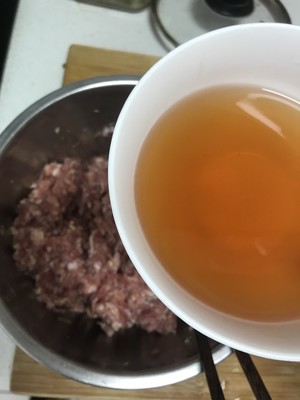 Add the pepper water 1 Tbsp at a time, stirring in one direction and letting each addition absorb fully before the next — the filling should end up glossy, loose and noticeably lighter. Stop at the point where it's still shapeable; too wet and the wontons slump.
-
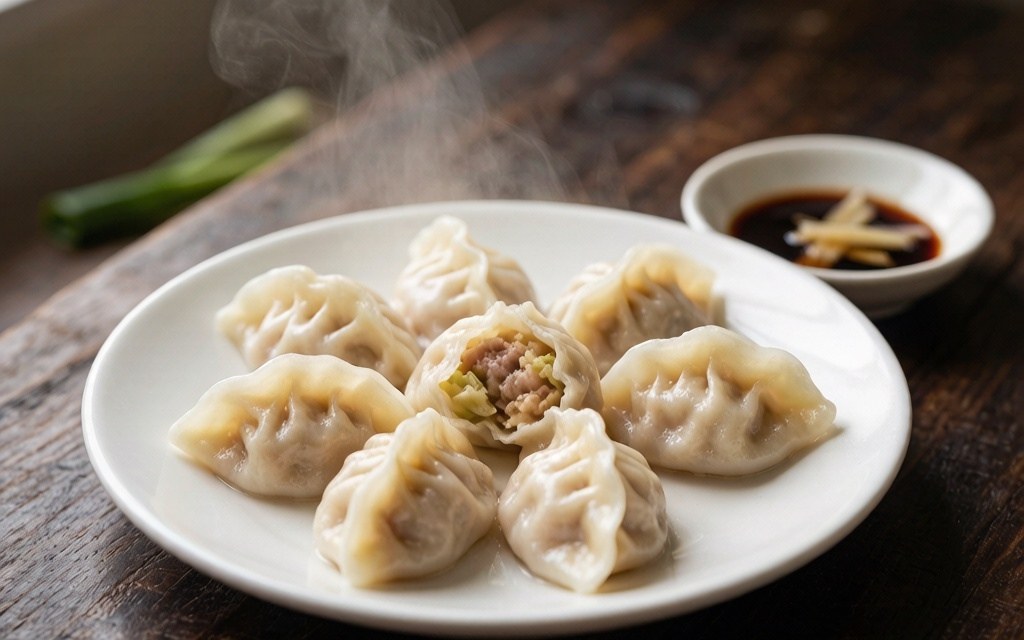
 Fold the wontons, small-restaurant style: lay a wrapper on your palm, place 1 tsp of filling (smaller than you think) in the center, fold diagonally into a triangle pressing out air, then bring the two far corners together around your finger and pinch — wet one corner with water first so it seals. The shape is a loose little hood; it should look relaxed, not clenched.
-
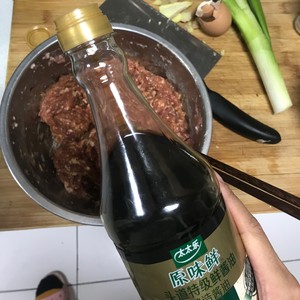 Arrange finished wontons on a floured tray without touching. Cook within the hour, or freeze solid on the tray and bag.
-
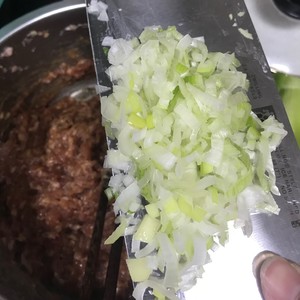 Boil: bring a large pot of water to a rolling boil. Drop the wontons in, stir once gently, and cook 3–4 minutes — they float quickly, but give them another minute so the filling cooks through. Fresh from the fridge, add 1 minute; from frozen, 2.
-
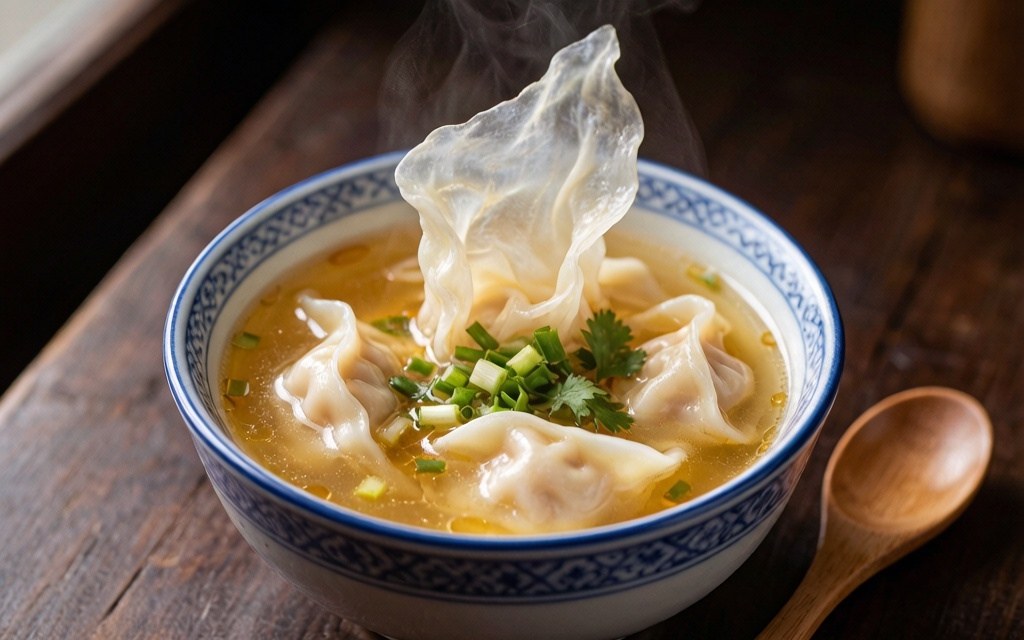
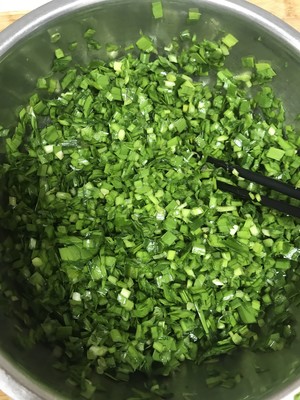 Build each bowl while the wontons boil: ½ tsp light soy, ¼ tsp sesame oil, a pinch of salt and white pepper, scallion and cilantro in the bottom of a wide bowl. Ladle in 1½ cups of the wonton's own boiling water (or hot chicken stock for a richer bowl) and swirl.
-
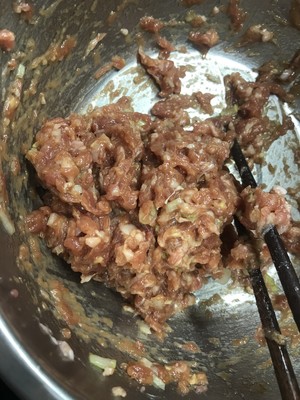 Ladle the wontons into the broth, add blanched greens or soaked seaweed if you like, and serve immediately with black vinegar on the side.
Why this recipe works
A bowl of wonton soup is deceptively simple — wrapper, pork, water — which is exactly why bad ones are so common. Three details fix it.
1. Pepper water, beaten in stages. The filling technique this source recipe centers on — steeped Sichuan pepper water beaten into pork a spoonful at a time — is the backbone of every good Chinese meat filling. It hydrates the protein so the meat cooks springy and fragrant instead of dense and flat. It's the difference you can feel with your chopsticks.
2. Small filling, loose fold. Home cooks overspill wrappers because filling seems precious. Small wontons cook evenly in 3 minutes, the skin stays silky, and the fold — a relaxed hood, not a clenched purse — leaves room for the wrapper to billow in the broth.
3. Season the bowl, not the pot. The broth is assembled per bowl: soy, sesame oil, scallion into the dish first, then the wontons' own boiling water poured over. Every bowl gets adjusted fresh, nothing overcooks, and the starchy cooking water gives the broth a subtle body that plain stock lacks. This gather-and-slip fold is how to fold wontons quickly for a crowd — no pleating, ten seconds each once your hands learn the motion.
About the dish
Wontons (馄饨, húntun — "chaos dumpling", for the shapeless pleat) are the south's answer to the dumpling: thinner skin, smaller fold, and born to swim. Every region bowls them differently — Sichuan drowns them in chili oil as chāo shǒu, Guangdong wraps them plump with shrimp for cloud-like wǎntān, and Shanghai's xiǎo húntún are the breakfast standard: tiny, silky, in a clear scallion broth from a street cart before work.
This recipe is the Shanghai home version — the one made in five minutes before school, from a filling mixed the night before. It is deliberately modest: the point is the texture of the silk skin against the warm broth, not a stuffed parcel. In Chinese food logic, this is comfort defined.
What to serve with it
It's a meal in a bowl, especially with greens blanched into the broth or a handful of noodles for bigger appetites. If you're making a wonton feast, our Sichuan chili-oil wontons use the same folding technique with a cold spicy sauce, and this ground pork wonton filling doubles perfectly for boiled dumplings. Serve kids theirs with less soy in the bowl base; adults add a spoonful of chili oil. Wontons freeze beautifully raw — boil them straight from frozen, adding a minute or two. Keep the broth lazy and bright, too — a seasoned bowl under the wontons’ own cooking water is the wonton soup broth of Chinese home kitchens.
Pro tips
- Small wontons, loose folds: small wontons (xiǎo húntún) are meant to be light, almost all skin — a heaping teaspoon of filling is plenty. Overstuffed ones burst and the wrappers go gummy.
- The one-direction stir matters: it aligns the meat proteins into a bouncy matrix (the same physics as meatballs). Random stirring gives a crumbly filling.
- Pepper water beats pepper powder in fillings — powder can taste gritty and medicinal, while the steeped water delivers pure perfume. This is the same technique our potstickers use.
- Don't salt the cooking water; the broth bowl gets seasoned at the table, and the wrapper's flavor depends on a neutral bath.
- Using the wontons' own cooking water as the broth base is the authentic home move — it's lightly starchy and helps the broth cling. Chicken stock is the upgrade for special occasions.
Storage & leftovers
- Uncooked: tray-freeze, bag, up to 2 months. Boil from frozen, +2 minutes.
- Filling: 24 hours refrigerated (without the water-absorbed issue — re-stir before folding).
- Cooked wontons keep 1 day but the skins swell; if you'll have leftovers, under-cook them and finish in the reheated broth.
Frequently asked questions
Square or round wrappers for wontons?
Square, always — the diagonal fold and corner-gather need the square shape. Round wrappers are for dumplings and potstickers.
My wontons fell apart in the pot. Why?
Usually overstuffed, folded too tight (pressure tears the thin skin), or boiled violently the whole time. Keep the filling small, folds gentle, and the boil rolling but not furious.
Can I freeze the wontons?
They freeze brilliantly — this is China's answer to freezer meals. Tray-freeze until solid, bag up to 2 months, and boil straight from frozen.
What's the difference between wontons and dumplings?
Thin square skin, small loose fold, and they live in broth. Wonton skin is egg-enriched and cooks in 3 minutes to a slippery silk; dumpling skin is thick and chewy by design.
Can I make the filling ahead?
Yes, up to 24 hours refrigerated — it actually improves. Keep it covered and press plastic wrap onto the surface so it doesn't gray.
How do I make this gluten-free?
Use GF wonton wrappers (rice-based, sold frozen at Asian markets) and tamari for the soy sauces — the filling and broth are naturally GF.
Can I use dumpling wrappers instead of wonton wrappers?
Not ideally — dumpling skins are thicker and usually round, so they turn chewy where wonton skin goes silky. If they're all you have, roll them thinner, cut them into squares, and add about a minute to the boil.
What kind of broth goes under wonton soup?
The home way: season the bowl, not the pot — light soy, sesame oil, scallion and cilantro in the bottom, ladled over with the wontons' own cooking water or a light chicken stock. It's brighter and faster than a simmered broth.