Shanghai home style · Dumplings & Dim Sum
Silky Shanghai Wonton Soup (绉纱馄饨)
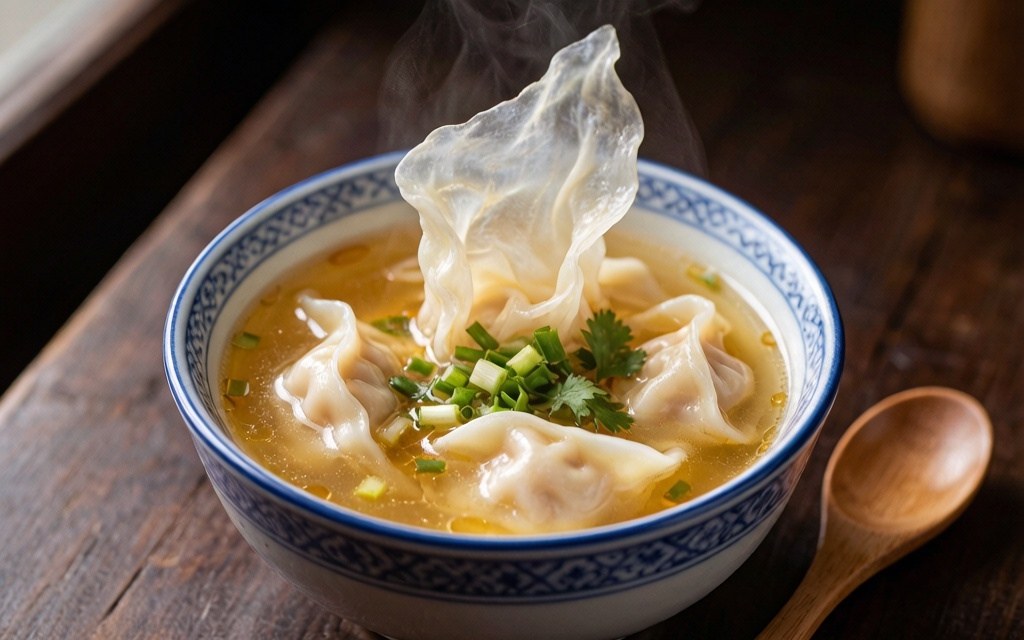
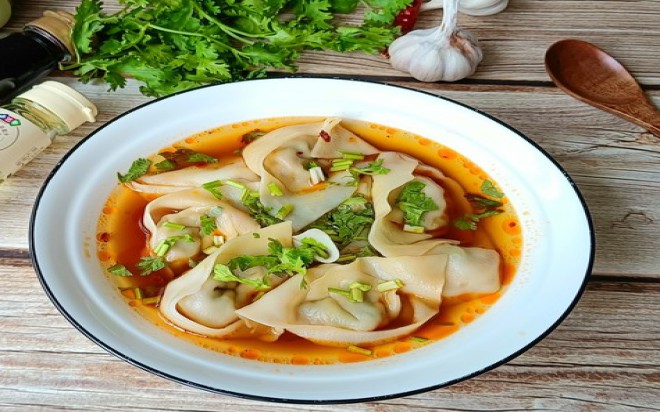
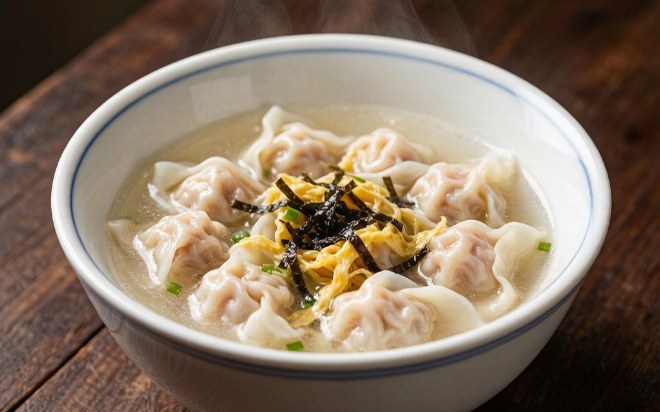
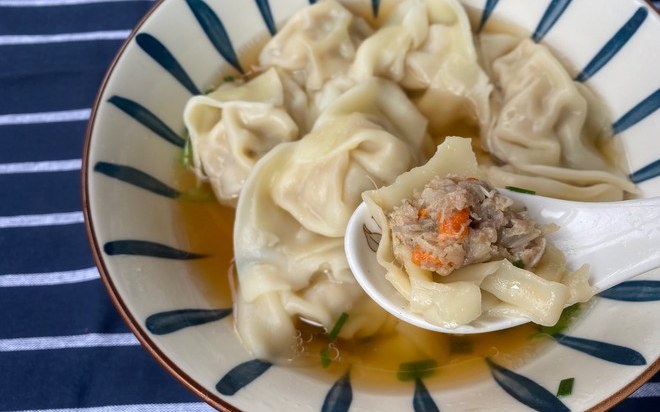
Shanghai silk wontons: a stiff egg-white dough rolled crepe-thin by hand, wrapped around a bouncy pork and shrimp filling, then floated in a clear scallion broth.
Instructions
-
 Make the ginger-scallion water first: smash the ginger and scallion with the flat of a knife, cover them with ¼ cup (60 ml) warm water, and let them soak for 15 minutes. Squeeze and strain — you need 4 tsp (20 ml) of the liquid; discard the solids.
-
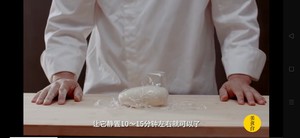
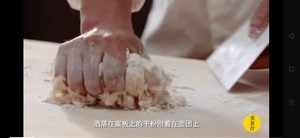 Make the wrapper dough: stir together the flour, salt, egg whites and cold water until no dry flour remains, then knead for 8-10 minutes into a smooth, stiff dough. It should feel like firm modeling clay — tacky but never sticky. Cover and rest for 30 minutes (up to 2 hours is fine).
-
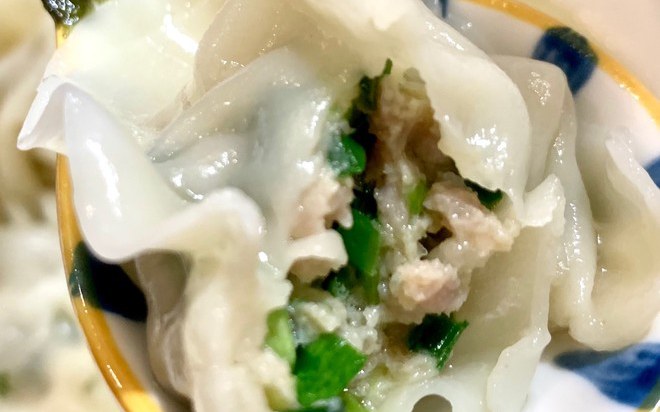
 Make the filling while the dough rests: chop the shrimp until the pieces are small, then press and smear half of it into a sticky paste with the flat of the blade, leaving the rest chunky — the paste gives bounce, the chunks give bite.
-
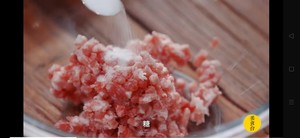 In a bowl, combine the shrimp, ground pork, salt and white pepper. Add the ginger-scallion water 1 Tbsp at a time, stirring in one direction with a spoon until each addition is absorbed — about 3 minutes in total, until the mixture turns sticky and pulls away from the sides of the bowl.
-
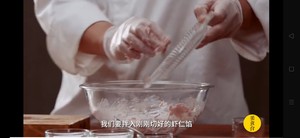 Stir the sesame oil through the filling, press it into an even layer, cover, and refrigerate while you roll the wrappers — a cold filling portions much more cleanly.
-
 Cut the rested dough into 4 pieces and keep three of them covered. On a board dusted with a spoonful of cornstarch, roll one piece from the center outward, giving the dough a quarter turn after every pass and dusting both sides the moment it threatens to stick.
-
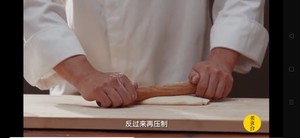 Keep rolling until the sheet is about 1 mm thick and translucent enough to see your fingers through it — the thickness of fresh pasta for ravioli. Dust the surface, roll the sheet loosely up around the rolling pin, and slice it crosswise into 2½-inch (6 cm) squares.
-
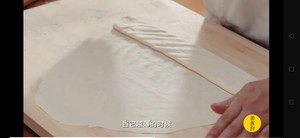 Repeat with the remaining dough, stacking finished squares in a cornstarch-dusted pile and keeping the pile covered with plastic wrap — hand-rolled wrappers dry out within minutes and will crack when you fold them.
-
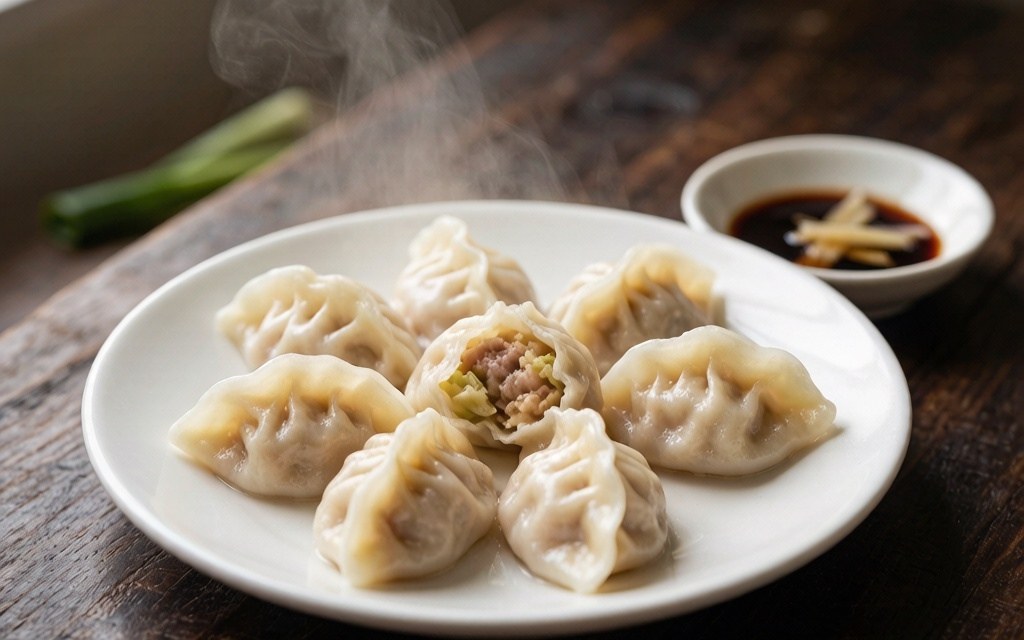
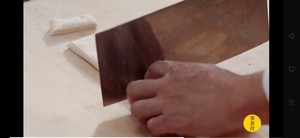 To wrap, lay a square on your palm with a corner pointing toward you, place about 1 tsp (5 g) of filling just below the center, and fold the far corner over the filling into a triangle, pressing the seams closed around it to push out any air.
-
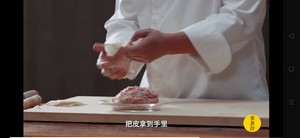 Bring the two pointed corners of the triangle together in front of the filling and pinch them firmly to each other. The wrapper should pucker and wrinkle around the filling — that crinkled-silk look is exactly what this dish is named for.
-
 Set each finished wonton on a cornstarch-dusted plate, not touching its neighbors, and repeat until the filling or wrappers run out.
-
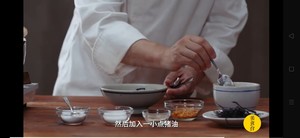 Set the table for the soup: into each of 4-6 bowls put 1 tsp light soy sauce, ¼ tsp salt, ½ tsp sesame oil, some sliced scallion and a pinch of crumbled seaweed. Bring the chicken stock to a bare simmer in one pot, and 4 quarts (4 L) of water to a rolling boil in another.
-
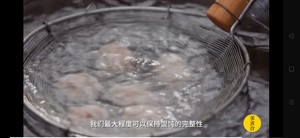 Drop the wontons into the rolling water in batches of about 15, stirring immediately and gently so they don't stick to the bottom. Once they float, cook 1-2 minutes more — the wrappers are thin and the filling is small, so cut one open to check: the pork should be pale and cooked through, no pink.
-
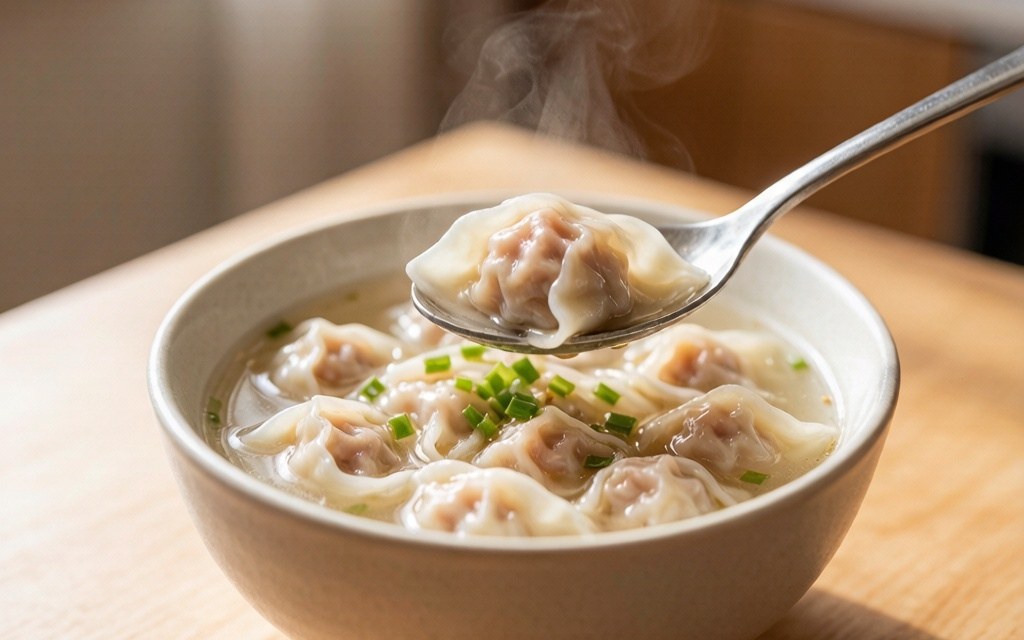
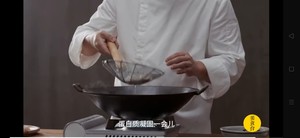 Ladle a splash of hot broth into each bowl to dissolve the seasonings, divide the wontons among the bowls with a slotted spoon, top up with broth, and serve at once with the extra scallion on top.
Why this recipe works
Small wontons live or die on the wrapper, and this dough is engineered for it. It is deliberately stiff — barely half its weight in liquid — and gets its body from egg white rather than whole egg. That combination rolls out to roughly a millimeter without tearing, and when it boils, the egg proteins set into a skin that turns translucent and gently crinkles around the filling, exactly like crepe silk. A dough with more water would tear; whole egg would taste richer but roll shorter and thicker.
The filling is built for bounce. Smearing half the shrimp into a paste releases its proteins into a sticky glue that binds the pork, while the other half stays chunky for bite. Stirring the ginger-scallion water in one direction, a spoonful at a time, lets the meat fibers trap every drop, so the filling stays juicy instead of leaking broth into the pot.
Finally, the soup is seasoned in the bowl, not the pot. Light soy, salt and sesame oil dissolve under a ladle of hot broth in each serving, so the broth stays clear and every bowl is seasoned exactly right.
About the dish
In Shanghai, small wontons are a breakfast institution — parcels so small they are finished in two bites, floating in clear broth from street stalls and wonton shops alike. This version follows the method of a Shanghai dim sum master, whose name for them — zhou sha, or "crepe silk" — describes the crinkled, gauze-thin wrapper you get when the dough is rolled by hand and squeezed tight around a small spoon of filling.
The style is the opposite of the big, meaty northern wonton. Here the ratio inverts: thin skin, small filling, and the pleasure is the texture of the wrapper itself — trembling and translucent, closer to fresh pasta than to a dumpling. It takes practice and a rolling pin, and it is worth every minute.
What to serve with it
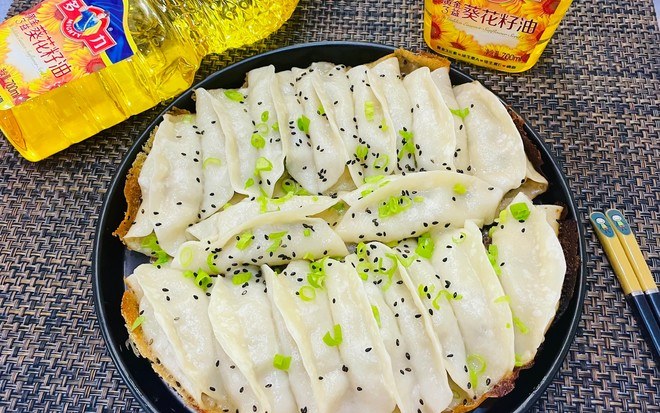
A bowl of these is a meal in itself for breakfast or a light lunch, but it welcomes company. For a fuller table, add a plate of pan-fried dumplings from our dumpling guide for contrast, or keep it purely Shanghainese with a side of smashed cucumber salad. Because frozen wontons cook straight from the freezer with one extra minute, a stocked bag quietly turns any weekday into a hot breakfast wonton soup. A few drops of chili crisp on top are heretical and delicious.
Pro tips
- The egg-white dough is deliberately stiff and low in water: that is what lets it roll to crepe thickness without tearing, and what makes the boiled wrappers turn translucent instead of going doughy.
- Dust with cornstarch, never flour, once the dough starts rolling out thin — flour absorbs into the dough and can glue layers together, while cornstarch stays put and brushes off.
- If the dough resists and springs back mid-roll, stop, cover it, and start another piece; after 5 minutes of resting, the gluten relaxes and it rolls thin immediately.
- A small metal teaspoon is the right portioner here: 5 g of filling per wonton keeps the ratio wrapper-heavy, which is the whole point of this style — you are eating silk, not dumplings.
- No time to roll? Buy thin "Hong Kong style" or Shanghai small-wonton wrappers (40-50 squares) and jump straight to the filling — you will still get a very good soup.
- Leftover filling after the wrappers run out? Pinch it into small meatballs and simmer them in the broth — nothing goes to waste.
Storage & leftovers
- Uncooked wontons freeze beautifully: freeze on a dusted tray until solid, transfer to freezer bags and keep up to 2 months. Cook from frozen — no thawing — for 1 extra minute.
- The wrapper dough keeps wrapped in plastic in the fridge for 1 day; let it come back to room temperature for 20 minutes before rolling.
- Cooked wontons keep in their broth, refrigerated, for up to 2 days; reheat gently on the stove until just simmering — a hard boil makes the wrappers slack.
- Do not freeze cooked wontons: the filling turns mealy and the wrappers crack after thawing.
Frequently asked questions
Can I use store-bought wonton wrappers?
Yes — thin square "Hong Kong style" or Shanghai small-wonton wrappers work directly. Homemade wrappers are a texture project: translucent, crinkled and silky in a way store-bought never is, but the soup is excellent either way.
Can I make the filling without shrimp?
Use 12 oz (350 g) ground pork in total and add 1 extra Tbsp of ginger-scallion water; the texture will be softer and more like northern-style small wontons.
Why did my wrappers tear when folding?
Usually they dried out — keep every square under plastic wrap until the second it is used. If they tear while rolling instead, the dough is under-rested; give it 10 more minutes.
Can I assemble the wontons ahead?
Yes. Freeze them on a cornstarch-dusted tray until hard, then bag them for up to 2 months and cook straight from frozen, adding 1 minute to the cooking time.
Why did my wontons fall apart in the pot?
The seam had air trapped in it, or the boil stayed at a hard rolling boil the whole time. Press the seams tight, and once the wontons float, keep the water at a gentle boil.
How thin should I roll the wrappers by hand?
About 1 mm — thin enough to read your fingers through the sheet, the thickness of fresh ravioli pasta. The stiff, low-water egg-white dough is what makes that possible; if it springs back mid-roll, cover it, rest 5 minutes for the gluten to relax, and it rolls thin immediately.