Chinese home style · Braised & Slow-Cooked
Beer-Braised Duck (啤酒鸭)
China's beloved beer duck: duck seared with aromatics, simmered tender in a bottle of lager, then reduced to a malty glaze — exact grams and timings.
Instructions
-
 Ask the butcher to chop the half duck through the bone into 2-inch (5 cm) chunks, or do it yourself with a heavy cleaver, cutting bone-side down. Rinse the pieces and pat them very dry — dry skin browns, wet skin steams.
-
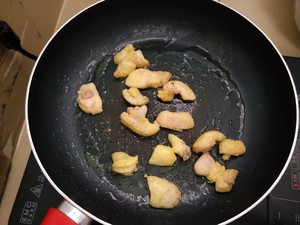
Heat a wok or 5-quart Dutch oven over medium-high heat with the neutral oil. Add the fatty duck skin or pork fatback pieces and fry slowly for 4–5 minutes until they shrink into golden cracklings and have given off a few tablespoons of fat. Pour off all but 2 Tbsp of the fat and keep it for another use.
-
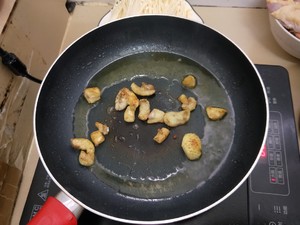 Add the Sichuan peppercorns and star anise to the hot fat and stir for 20–30 seconds, just until the kitchen smells fragrant. Then fish both out with a spatula or spider and discard them — this perfumes the dish while keeping diners from biting into whole spices.
-
 Add the ginger, garlic and scallion whites. Stir for 30 seconds until they smell toasty and just take on color.
-
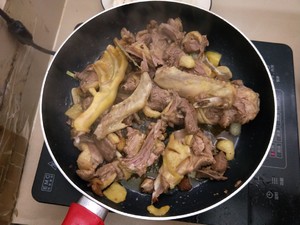
 Raise the heat to high, add the duck chunks, Shaoxing wine and light soy sauce, and stir-fry for 8–10 minutes. The meat will weep water, then the water will cook off and the duck will start to sizzle in its own rendered fat, browning in patches. Tuck in the bay leaves.
-
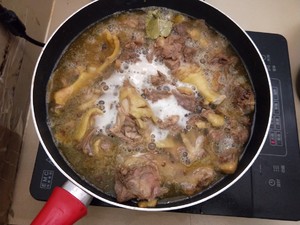
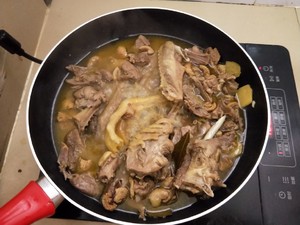 Pour in the beer — it should come up to just cover the duck. Leave the lid off, raise the heat and let it boil hard for 2 minutes: the foam that rises and subsides carries off gamey flavors.
-
Cover, turn the heat to medium-low, and simmer gently for 50 minutes, until the duck is tender enough that a chopstick slips into the thickest piece with little resistance. Check once at 30 minutes: if the pot looks dry, add ½ cup (120 ml) hot water.
-
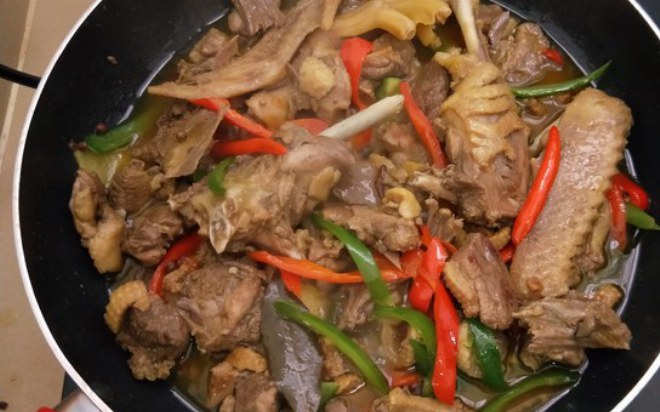
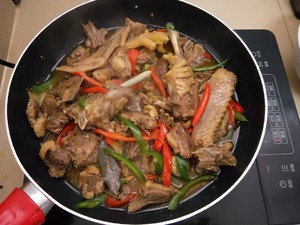 Remove the lid, raise the heat to high, and boil while stirring for 5–8 minutes, until the sauce reduces to about ⅓ cup and coats the back of a spoon with a glossy, malty lacquer.
-
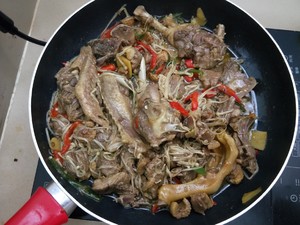 Add the sliced green and red chilies and the salt, and toss for 1–2 minutes — the chilies should stay crisp and bright. If using enoki mushrooms, nestle them in now and stir for just 1 minute so they drink sauce without going slimy.
-
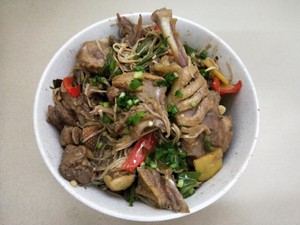 Scatter the scallion greens over the top and serve straight from the pot with steamed rice, family style.
Why this recipe works
Beer duck is a lesson in managing fat, flavor and toughness — three things duck has in abundance.
1. Render, then braise. Duck carries more fat than chicken, and that fat is both the dish's richness and its risk. Frying fatty scraps first produces cracklings and a few tablespoons of duck fat for searing; pouring off the rest keeps the braise from pooling in grease. By the end of the high-heat stir-fry, the meat has rendered more of its own fat, so what remains is browned skin, gelatin and flavor.
2. Beer as braising liquid. The malt in a light lager supplies sweetness and roasted depth, replacing the rock sugar many braises lean on, while carbonation and acidity help loosen connective tissue during the long simmer. Boiling uncovered for two minutes first drives off the carbonation and the raw grain edge — the difference between a sauce that tastes clean and one that tastes yeasty. This is also why an inexpensive pale lager is the best beer for beer duck: clean malt, no competing hops.
3. The dry finish. The last five minutes are deliberately aggressive: high heat, no lid, constant stirring until the sauce shrinks to a lacquer. This is where braised duck borrows from dry-pot cooking — the same dish, but with every drop of flavor concentrated onto the meat instead of sitting under it.
About the dish
Beer duck (啤酒鸭) spread through Chinese home kitchens in the 1990s, when bottled beer became an everyday purchase and cooks discovered that a cheap lager did the work of stock, sugar and tenderizer all at once. It has no single birthplace — Sichuan, Hunan and Jiangxi kitchens all claim versions — but the method is universal: fry, perfume with whole spices, drown in beer, wait.
The dish belongs to the family of Chinese braises that finish dry rather than soupy. In restaurants you may meet it as a dry pot, sizzling over a flame with vegetables tucked in; at home it is simply a wok with a glossy, mahogany glaze and crisp chilies on top. Either way, the point is the same: duck cooked until the toughness surrenders, sauced with something every kitchen already owns.
What to serve with it
Steamed jasmine rice is mandatory — the malty glaze was made for it, and a pot of it doubles as the sauce course. A cool smashed cucumber salad resets the palate between bites of rich duck, and simple blanched greens with garlic keep the meal honest. If you are feeding a crowd, set the pot on the table with a tray of fried rice fixings on the side; the leftovers are even better the next day over noodles.
Pro tips
- Render fat first, skim it after: duck skin is roughly one-third fat. Frying fatty scraps until they crackle gives you cooking fat and flavor, then pouring off the excess keeps the finished braise rich but not greasy.
- Whole Sichuan peppercorns and star anise are there for perfume only. Frying them for 20 seconds and fishing them out is the standard home trick — nobody enjoys crunching a star anise petal.
- Beer does double duty: its malt adds the sweetness and depth that sugar usually would, and its acidity plus alcohol help break down duck's tough connective tissue. A light lager leaves a clean malty finish; hoppy IPAs turn the sauce bitter.
- The 2-minute uncovered boil after adding beer blows off carbonation and the harsh grainy edge — skip it and the sauce tastes flat and yeasty.
- No duck? The same route works for chicken legs — start checking for doneness at 30 minutes instead of 50.
- For a Fujian ginger-duck variation (jiang mu ya), swap the aromatics for 8 oz (225 g) sliced ginger and skip the chilies.
Storage & leftovers
- Refrigerate leftovers in a sealed container for up to 3 days. Like most braises, this duck tastes better on day two as the sauce seeps into the meat.
- Reheat in a covered skillet over medium-low with 1 Tbsp water for 5 minutes, or microwave for 2 minutes at 70% power, stirring once.
- Freeze for up to 2 months; thaw overnight in the fridge. The chilies soften, so add a fresh sliced chili when reheating if color matters to you.
Frequently asked questions
How spicy is beer-braised duck?
Medium and fresh, not numbing: two Fresno chilies give a pleasant warmth that the malty sauce tames. For kids, use one green bell pepper instead of chilies; for real heat, use bird's-eye chilies and keep the seeds.
Can I cook this without beer?
Yes. Replace the beer with 2 cups (480 ml) chicken stock plus 1 Tbsp (15 ml) rice vinegar and 2 tsp (8 g) sugar. The sauce loses the malty note but keeps the braised depth.
Which parts of the duck should I buy?
Legs and thighs are the classic choice — their connective tissue melts into gelatin during the 50-minute braise. Half a duck from an Asian market usually includes a wing and part of the back, which adds body to the sauce. Breast-only gets dry.
Why fry the spices and then throw them away?
Twenty seconds in hot fat extracts their fragrance into the oil; leaving them in for the whole braise would make the sauce bitter and dusty. It is the same logic as a French sachet d'épices, done in one step.
Can I add vegetables to the pot?
Yes — chunks of potato or thick asparagus-style enoki are the home favorites. Add firm vegetables (potato, carrot) with 20 minutes left; quick vegetables (enoki, bean sprouts) in the final 2 minutes so they soak sauce without collapsing.
Does the alcohol cook off?
Almost all of it during the 2-minute boil and 50-minute simmer — what stays behind is flavor, not bite. The dish tastes malty and savory, never boozy.
Which beer should I use for beer duck?
An inexpensive pale lager is the classic choice — Tsingtao, Snow, or any light international lager. Its clean malt sweetens the sauce without adding bitterness. Skip hoppy IPAs and heavy stouts, which turn harsh over the long simmer; a malty dark lager works if you want a deeper braise.
How do I keep duck from tasting gamey?
Brown it hard. The high-heat stir-fry with Shaoxing wine, ginger and scallion does the work: searing renders out the fat-borne aromas that read as gamy, while the wine and aromatics carry them off. Trim any gray or yellowed fat patches before the wok, too.