Sichuan · Braised & Slow-Cooked
Mapo Tofu (麻婆豆腐)
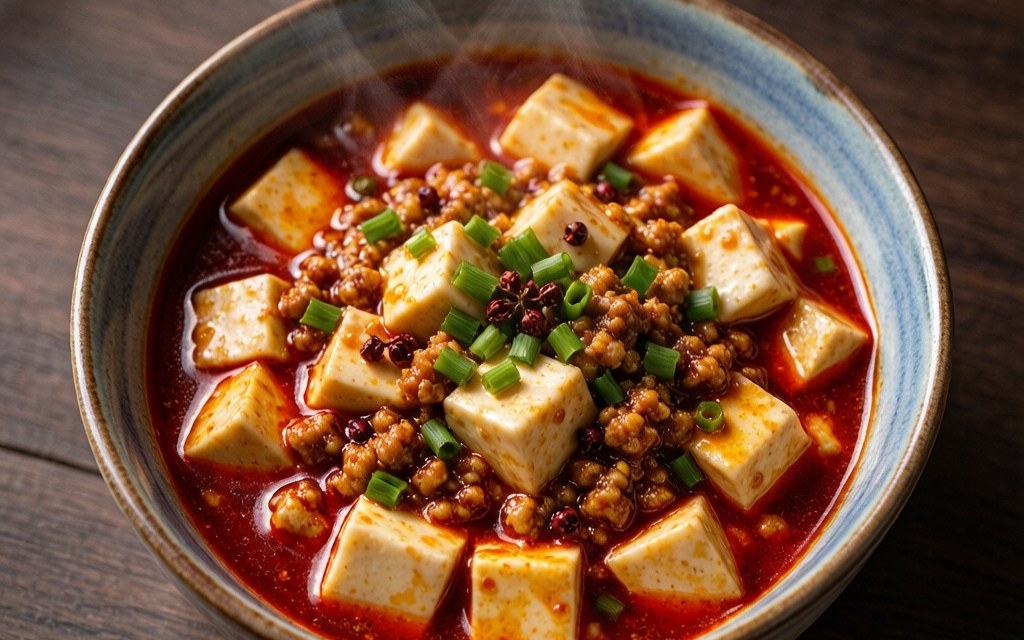
Real Sichuan mapo tofu: silky tofu and crisp ground beef in a chili-bean sauce thickened to cling, finished with the numbing tingle of Sichuan pepper.
Instructions
-
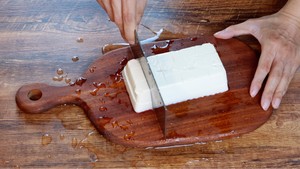 If you are using regular medium-firm or firm tofu (not silken), blanch it first: slip the cubes into a pot of lightly salted simmering water for 1 minute, then drain gently. This seasons the tofu and firms it up so it won't break. Silken tofu can go straight into the pot.
-
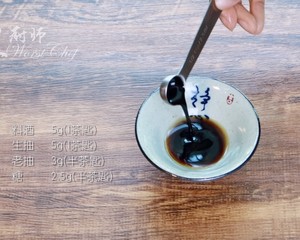
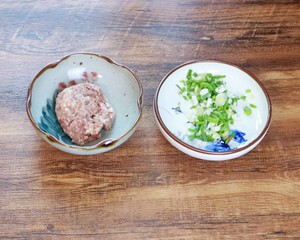 Mince the garlic, ginger and scallion whites; chop the doubanjiang and black beans small so they melt into the sauce. Combine the Shaoxing wine, light soy, dark soy and sugar in a small bowl.
-
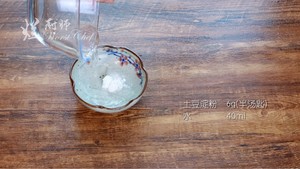
 Mix the potato starch and cold water into a slurry — stir it again right before every use.
-
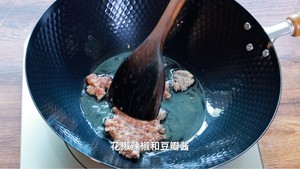
 Heat a wok or deep skillet over medium heat and add the oil. Add the ground beef while the oil is still cool and break it up. Cook, stirring, for 3–4 minutes, until the sizzling quiets, the meat has turned from pink to deep brown and the bits are crispy at the edges.
-
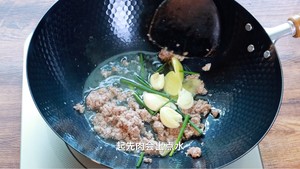
 Push the beef aside or add directly: stir in the garlic, ginger and scallion whites and cook for 20 seconds until fragrant.
-
 Add the doubanjiang, black beans, chili powder and half of the Sichuan pepper powder. Stir-fry for 30–45 seconds, until the paste darkens and the oil turns brick-red.
-
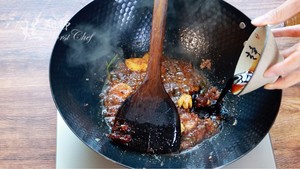 Pour in the soy-sauce mixture and the water. Bring to a boil, then let it bubble for 30 seconds.
-
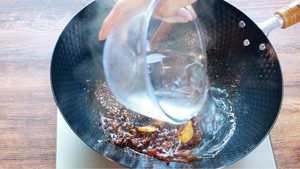 Slide in the tofu cubes. Shake the pan gently (or push with the back of a spoon — never stab) to submerge them. Simmer for 2 minutes so the tofu heats through and drinks up flavor.
-
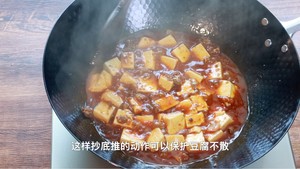 Stir the slurry and drizzle in about one third of it. Push the tofu gently from the bottom of the pan — you will feel the sauce tighten. Add the next third, push again, then the last third. Adding the starch in three stages builds a sauce thick enough to cling without going gluey.
-
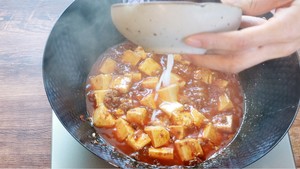 Lower the heat. Drizzle in the Sichuan pepper oil if using and sprinkle in half of the remaining Sichuan pepper powder, giving one last gentle push.
-
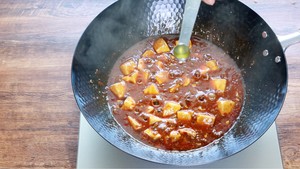 Plate into a warm bowl, scatter the scallion greens and the last of the Sichuan pepper powder over the top, and serve with plenty of steamed rice.
Why this recipe works
Most mapo tofu recipes you'll find in English skip the three details that separate a wet, bland version from the real thing. This one keeps all three, straight from a Sichuan home cook.
1. Cold-oil ground beef. Starting the beef in cold oil and cooking it slowly renders the fat and fries the crumbles until they're crisp — they become little savory chips against the soft tofu. Rushed, high-heat ground beef turns gray and chewy.
2. Fry the doubanjiang until the oil turns red. Doubanjiang straight from the jar tastes raw and harsh. Thirty seconds in hot oil blooms the chilies and beans and dyes the whole sauce brick-red — that red oil is the visual signature of mapo tofu.
3. Three-stage thickening. Adding the starch slurry in three additions, pushing gently between each, builds a sauce that clings to the tofu in layers instead of a single gluey dump. Chinese cooks call this gōu qiàn (勾芡); it is the difference between mapo tofu and tofu soup.
About the dish
Mapo tofu comes from Chengdu, and its name tells its own story: má (麻) is the numbing tingle of Sichuan pepper, pó (婆) means grandma — the dish was supposedly created in the 1860s by a woman with pockmarked cheeks (mázi) who cooked for laborers crossing the river near her home. The dish she made was spicy, hot, numbing, tender and fresh all at once, and it became one of the defining flavors of Sichuan cuisine.
A proper bowl hits every one of those notes: heat from the chili-bean paste, tingle from the pepper, tenderness from barely-disturbed tofu, freshness from scallion greens. Serve it over steamed rice and let the sauce soak in — in Sichuan they consider the rice that absorbs the last of the sauce the best bite of the meal. At home today, a vegetarian mapo tofu built on minced shiitake instead of beef is the variation home cooks reach for most.
What to serve with it
Steamed rice, always — mapo tofu is intensely seasoned by design and needs a neutral partner to land on. A smashed cucumber salad cools the burn between bites, and a light egg-drop soup rounds out a full Sichuan dinner. If there are leftovers, spoon them over hot fried rice the next day — the sauce soaks in and it might be better than round one. For a mapo tofu without Sichuan peppercorns, halve the chili powder and finish with black pepper instead — the same rice-and-cucumber pairing holds.
Pro tips
- The gentle push (用炒勺推) instead of stirring is what keeps tofu cubes intact — slide a spoon along the bottom of the pan and sweep the sauce over the tofu.
- Real mapo tofu sauce is thick: it should coat the tofu and stop short of the rice, not run into it. If yours looks watery, simmer 1 minute and add one more spoonful of slurry.
- For a vegetarian version, swap the beef for an equal weight of finely minced shiitake mushrooms and use mushroom stock — doubanjiang carries plenty of savoriness.
- Doubanjiang is salty: taste before adding any extra salt. Most batches need none.
- Buy soft (not silken-drinking-straw soft) tofu if you can find "soft" or "medium" on the label — it holds cubes but still turns silky.
Storage & leftovers
- Refrigerate in a sealed container for up to 3 days; the sauce gets spicier as it sits.
- Reheat in a skillet over medium-low with 1 Tbsp water to loosen the sauce; microwave works in a pinch (1½ minutes, half power).
- Not suitable for freezing — tofu turns spongy and releases water.
Frequently asked questions
How spicy is authentic mapo tofu?
Genuinely hot and numbing — it is Sichuan's flagship dish. To soften it, use 2 tsp doubanjiang + ½ tsp chili powder and skip the pepper-oil finish; do not skip the Sichuan pepper entirely, the tingle is the signature.
What is doubanjiang and where do I buy it?
A fermented paste of broad beans, chilies and salt — the backbone of Sichuan cooking. Look for "Pixian doubanjiang" in Asian grocery stores or online. Gochujang plus 1 tsp soy sauce is an acceptable emergency substitute (sweeter, less funky).
Silken, soft or firm tofu?
Sichuan cooks use soft tofu — silky inside but able to hold a cube. Silken works if you handle it like custard; firm tofu is chewy but survives beginners. Blanch everything except silken.
Why is my mapo tofu watery?
Two causes: the slurry was added all at once (it thins back out as it cooks) or the sauce was never simmered after thickening. Three-stage slurry plus a final 30-second simmer fixes both.
Can I make it ahead?
It reheats beautifully — many say day-two mapo is the best mapo. Refrigerate up to 3 days; reheat gently in a pan with a spoonful of water.
Can I make mapo tofu without Sichuan peppercorns?
Yes — doubanjiang alone still makes a real-tasting dish. Use ½ tsp black pepper for warmth and expect heat without the numbing tingle; that milder build is close to Cantonese restaurant style.
Is mapo tofu vegetarian?
Not as written — it uses ground beef. Swap in an equal weight of finely minced shiitake mushrooms and mushroom stock; doubanjiang brings enough fermented savoriness to carry the dish.