Shaanxi · Street Food & Snacks
Roujiamo (肉夹馍)
Shaanxi street food at home: soy-braised pork belly chopped with pepper and cilantro, piled into tiger-skin flatbreads — China's answer to the pulled-pork sandwich.
Instructions
-
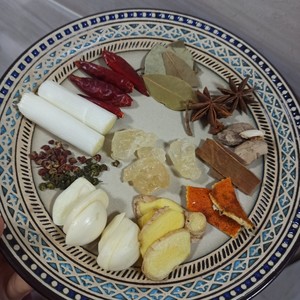 Rinse the whole spices (cassia, star anise, Sichuan peppercorns, bay leaves, tangerine peel, dried chilies) in a splash of Shaoxing wine or cold water to remove dust, and set them in a small bowl beside the stove.
-
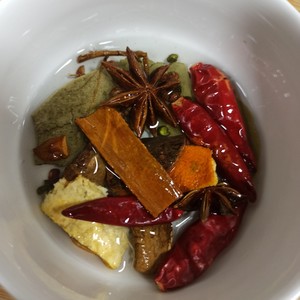 Blanch the pork: put the belly chunks in a pot of cold water with 1 Tbsp Shaoxing wine and 2 slices of ginger. Bring to a boil, simmer 5–6 minutes, skimming the grey foam, then drain and rinse the pork under warm water.
-
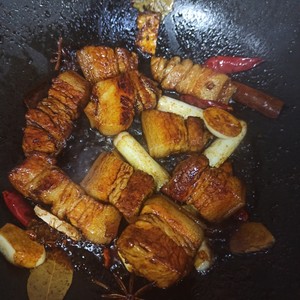 Make the caramel: heat 2 Tbsp oil in a wok or Dutch oven over low heat with the rock sugar. Stir until it melts and turns amber — about 5 minutes; the moment it colors, add the pork and toss to coat every piece, then dry-sear for 2–3 minutes over medium heat until the edges brown.
-
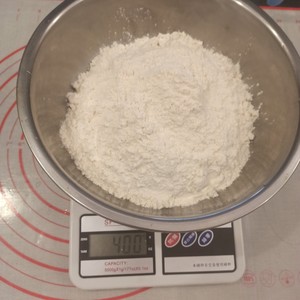 Add the spices, scallion lengths and remaining 4 slices of ginger, then pour in the light soy, dark soy, oyster sauce and remaining 1 Tbsp Shaoxing wine. Stir for 1 minute until the pork is evenly mahogany.
-
 Pour in enough boiling water to cover the pork by 2 inches, bring back to a boil, then transfer everything (with the spices) to a clay pot or Dutch oven. Simmer uncovered-ish over medium-low heat for 1½ hours; add the salt after the first hour, tasting carefully — the soy sauces are already salty.
-
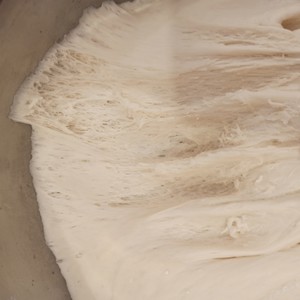
 While the pork braises, make the bread dough: stir the flour, yeast and 1 tsp of the sugar together, then add the warm water a little at a time, mixing with chopsticks or a fork until shaggy flakes form. Add the 2 tsp oil and knead 8–10 minutes into a smooth, soft dough (add up to 2 Tbsp more water if it never comes together). Cover and let rise 30–40 minutes, until puffed by about half and honeycombed inside.
-
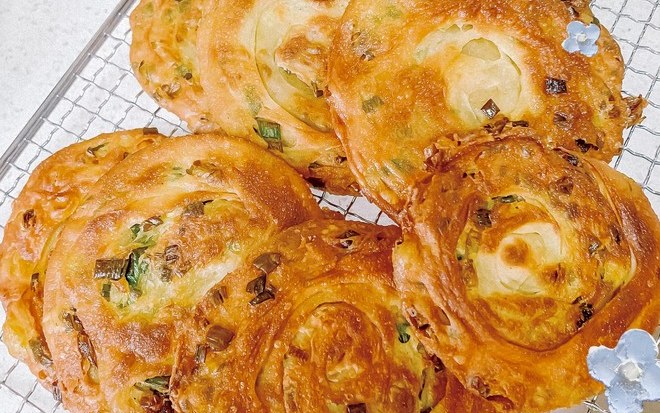
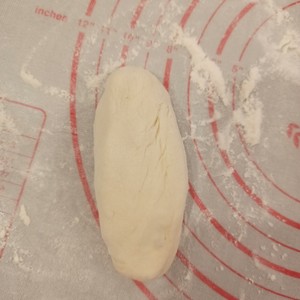
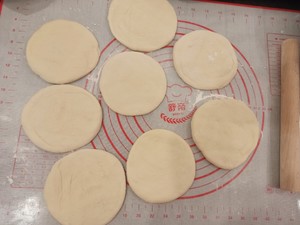
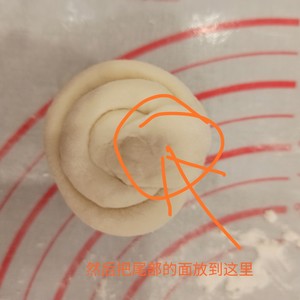 Divide the dough into 8 pieces (about 80–90 g each). Roll one into a fat log, flatten it, fold it in half, then roll it up into a spiral and tuck the end underneath. Press flat with your palm and roll into a 4-inch circle. Repeat, then rest the circles 15 minutes — this rest is what makes them puff.
-
 Heat a dry, ungreased skillet (cast iron is ideal) over low–medium heat. Cook the flatbreads 1–2 minutes per side, until golden spots streak into 'tiger-skin' patches and they puff slightly. They will not be cooked through yet.
-
 Finish them in an oven preheated to 150–170°C (300–340°F) for 5–10 minutes, until hollow-sounding when tapped (no oven? just keep pan-frying them a further 10 minutes, flipping often, over the lowest heat).
-
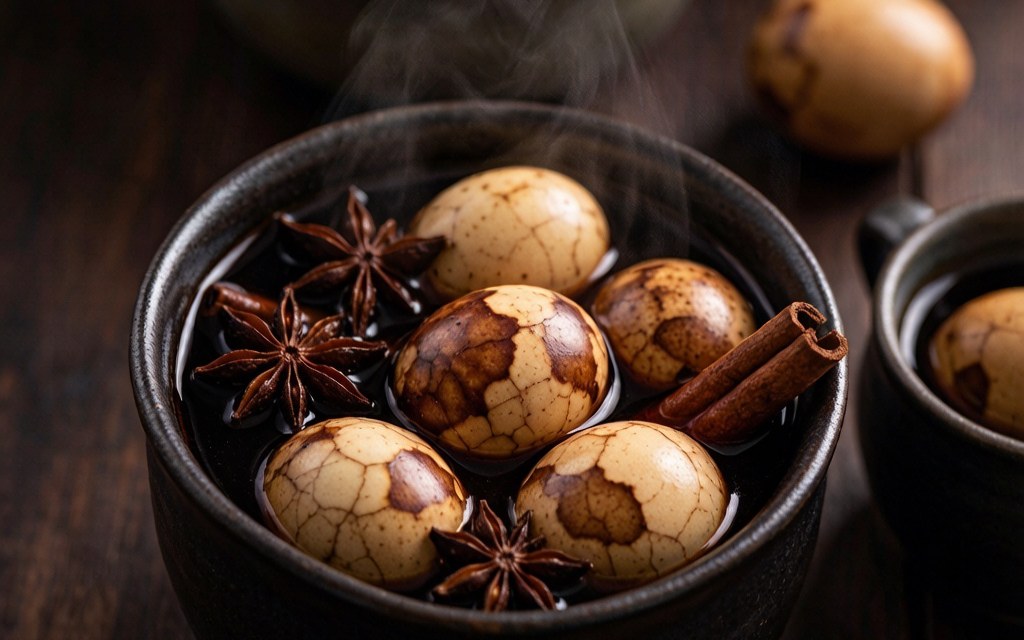
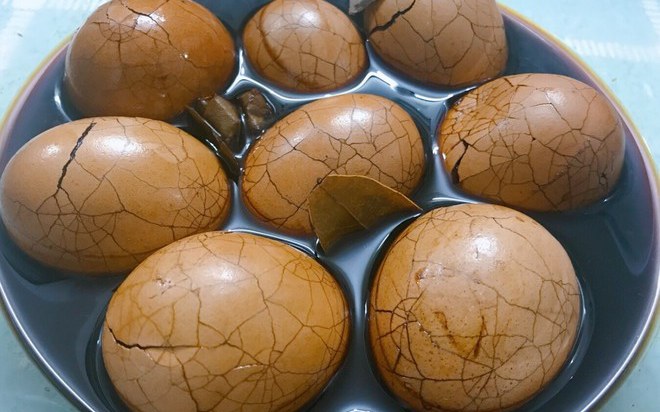
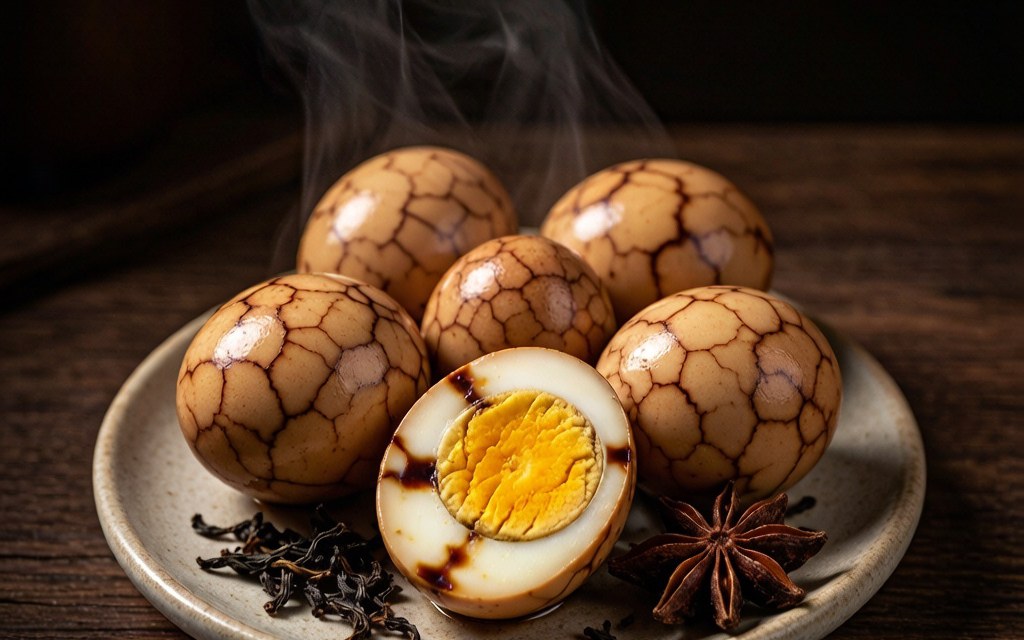
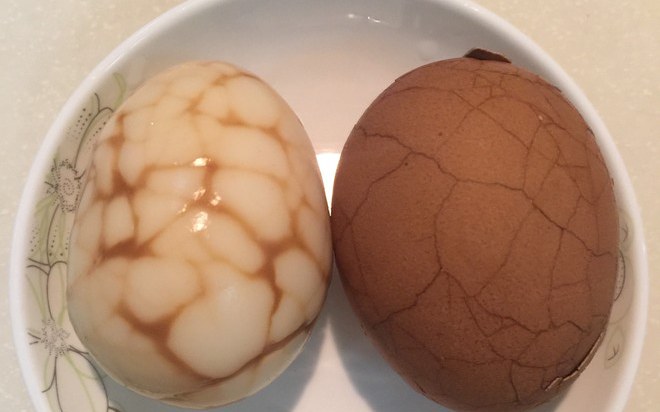
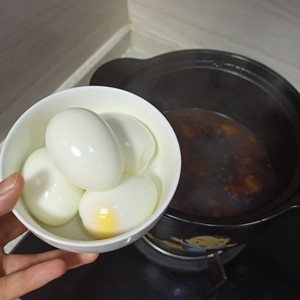 About 30 minutes before serving, score the peeled boiled eggs a few times with a knife and drop them into the braising pot so they soak up the sauce and color.
-
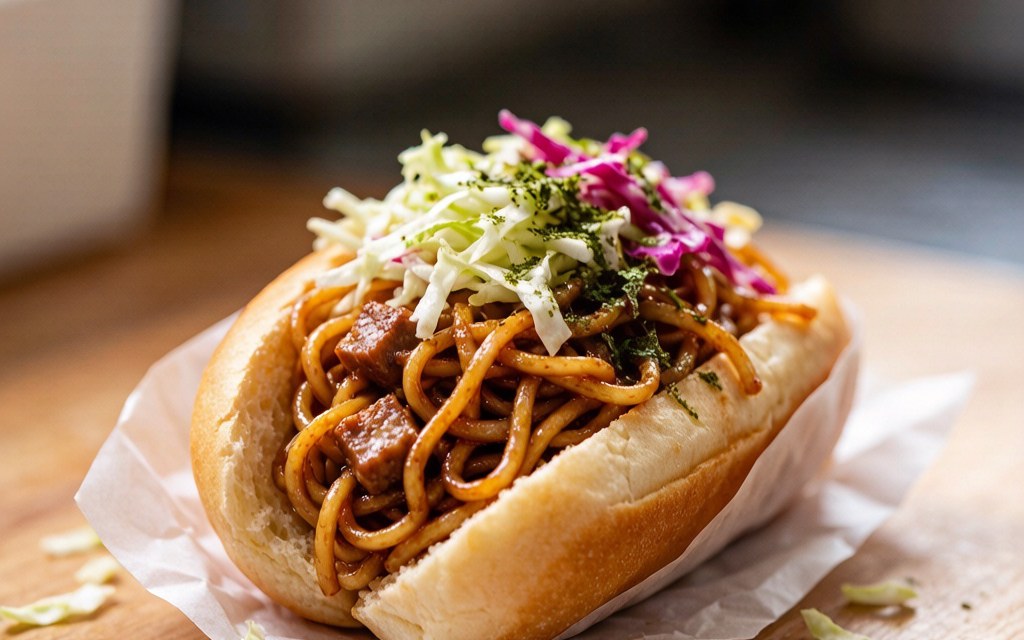
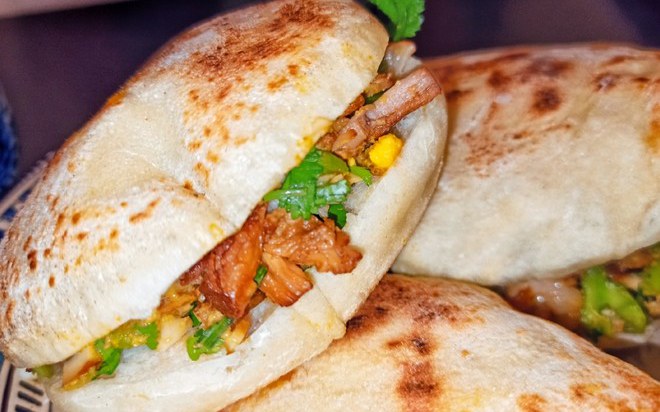
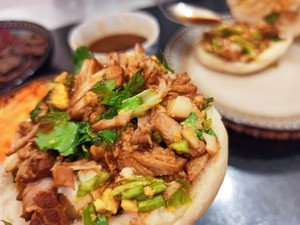 To assemble: chop the braised pork finely with a heavy cleaver or knife, together with 1 or 2 of the stained eggs, the chopped green pepper and the cilantro. Split each warm flatbread most of the way through, stuff with the chopped filling, drizzle a spoonful of braising liquid over, and eat immediately.
Why this recipe works
Three things separate a real roujiamo from a pork sandwich on a bun, and all three live in technique rather than ingredients.
1. Sugar color first, soy second. Melting rock sugar to amber and searing the pork in it lacquers the meat a deep red-brown from the inside out. Soy sauce alone darkens the broth but leaves the meat flat and salty-looking; the caramel is what makes braised pork look the way it does at street stalls — and it adds a faint toffee roundness instead of sweetness.
2. A long, barely-bubbling braise. Pork belly needs fat rendered and collagen dissolved to become the soft, shreddable filling roujiamo is famous for. At a medium-low simmer (small bubbles, not a boil) that takes about 1½ hours. Chilling the pork in its broth overnight and reheating it goes further still: the fat reabsorbs the spices as it sets.
3. The spiral-folded bread. The mo is not a hamburger bun. Rolling the dough into a log, folding, then coiling it into a spiral creates dozens of thin layers that stay chewy yet pull apart in sheets. Pan-frying in a dry skillet sets the 'tiger skin' patches, and a short oven finish cooks the interior through without frying it greasy. That contrast is why the dish is often called a Xi'an hamburger — and why the bread deserves as much care as the pork.
About the dish
Roujiamo (肉夹馍) — literally 'meat-stuffed mo' — is the signature street food of Shaanxi province, and it is often described as the world's oldest hamburger: the story goes that bread-and-braised-meat of this kind was being sold in the region more than two thousand years ago. Vendors keep a cauldron of dark braising broth (some claim decades old) and chop the pork with fresh green pepper and cilantro the moment you order.
Regional styles differ: the famous Xi'an version uses a dense, almost unleavened white mo and fatty pork; home versions like this one use a lightly yeasted bread, which is softer and more forgiving in a Western kitchen. Either way the formula is constant — hot bread, finely chopped glistening meat, a spoonful of the broth, no mayonnaise, no lettuce. It is a dish designed to be eaten standing up, in paper, within five minutes.
What to serve with it
One roujiamo makes a snack, two make dinner. Pair them the way Chinese street vendors do: something cold and sharp alongside, like a vinegary smashed cucumber salad, which cuts the richness of the belly. If you have leftover braising liquid, strain it and simmer noodles in a spoonful of it, or spoon it over steamed rice with the braised eggs. The flatbreads lose their crackle fast, so bring them to the table warm and let everyone stuff their own.
Pro tips
- Start the braising pot first and make the bread while it simmers — the 1½-hour braise and the dough's rise overlap, so the whole thing is done in about 2 hours.
- Do not rush the caramel. Rock sugar melted slowly to a true amber gives the pork its red-brown gloss without extra soy; burned sugar just tastes bitter.
- The fold-and-spiral shaping is what gives mo bread its layered, chewy interior — skip it and you get an ordinary bun.
- The filling is better the next day: store the pork in its liquid overnight and reheat gently before chopping.
- Squeeze the bread filling with the cleaver as you chop — a few strokes of the sauce into the meat is exactly what street vendors do.
Storage & leftovers
- Store the pork submerged in its braising liquid in a sealed container in the fridge for up to 4 days; it slices and chops more flavorfully on days 2–3.
- The braised pork freezes well for up to 2 months in its liquid. Thaw overnight in the fridge and reheat to a bare simmer before using.
- Flatbreads keep 1 day at room temperature in a paper bag; refresh them in a dry skillet or the 300°F oven for 5 minutes before stuffing.
- Assemble only what you eat — a stuffed roujiamo goes soggy within the hour.
Frequently asked questions
Is roujiamo spicy?
Mild. The 4 dried chilies perfume the broth rather than burn; leave them out entirely and nothing else changes. Fresh green pepper is chopped in raw for crunch, not heat — use half a jalapeño if you are wary.
Can I make the flatbreads without an oven?
Yes. Pan-fry them over the lowest heat for about 10 minutes total instead of 1–2 minutes per side, flipping frequently, until they sound hollow when tapped.
Can I make it ahead?
The braised pork is genuinely better made a day ahead — chill it whole in its liquid and reheat before chopping. The breads are best warm from the pan, but the shaped circles hold overnight in the fridge, covered.
What if I can't find rock sugar, cassia or tangerine peel?
Granulated sugar, an ordinary cinnamon stick and a strip of orange peel all work. The dish does not hinge on any single spice.
Which cut of pork works besides belly?
Belly is the classic for its fat, but pork shoulder (butt) chopped in large chunks is a leaner, still-juicy substitute — braise it the full 1½ hours either way.
What kind of bread goes in a roujiamo?
The flatbread itself is called mo. The Xi'an street classic uses a dense, semi-leavened white bread; this home version is lightly yeasted, folded into a spiral, pan-fried for the tiger-skin patches and finished in the oven so the outside crackles and the layers inside stay chewy.