Chinese home style · Sweets & Drinks
Black Sesame Tangyuan (黑芝麻汤圆)
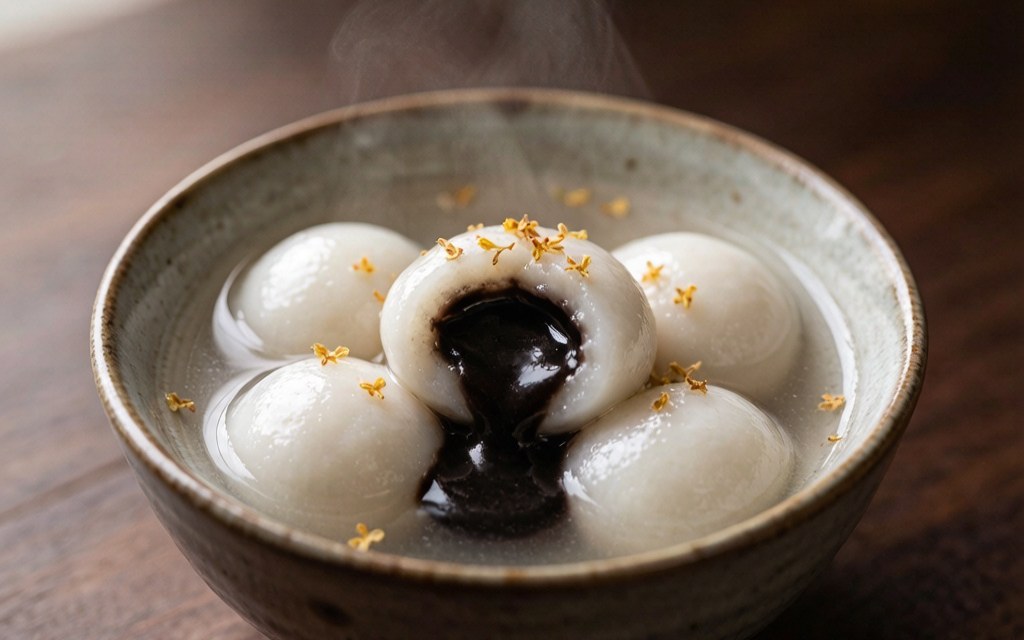
Classic black sesame tangyuan with a runny sweet filling and two easy wrappers: all-glutinous for softness, or a wheat-starch blend for a springy, slippery bite.
Instructions
-
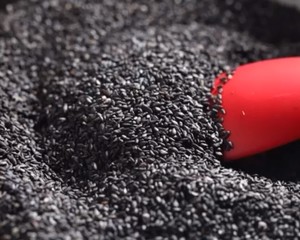 Make the filling: if using whole sesame, rinse them in a fine sieve, then toast in a dry skillet over medium heat until dry, lowering the heat for a final 3–4 minutes until deeply fragrant. Taste as you go — over-toasted sesame is bitter, and there is no fixing it. Skip toasting if you start with ready-ground sesame.
-
 Blend the warm sesame with the powdered sugar in a spice grinder until it turns into a fine, oily powder. Work in two batches if your grinder is small.
-
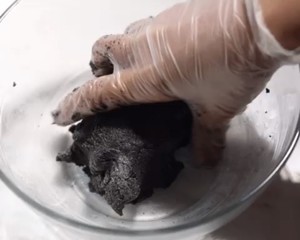 Mix the sesame powder with the lard, kneading until the fat is completely absorbed and the mixture holds together when pressed. Freeze for 30 minutes until firm but still pliable.
-
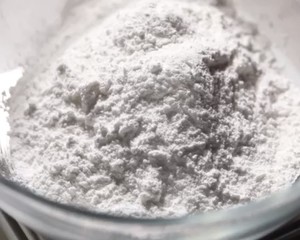 Roll the filling into 24 balls of about 8 g, return them to the freezer, and let them freeze until rock hard — at least 1 hour, overnight is better. Hard balls are what make wrapping easy.
-
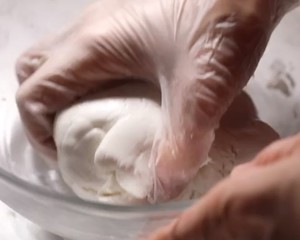 Scald the wheat starch: put it in a heatproof bowl, pour in the 80 ml of just-boiled water all at once, and stir immediately — it will turn into a translucent, gluey paste within seconds.
-
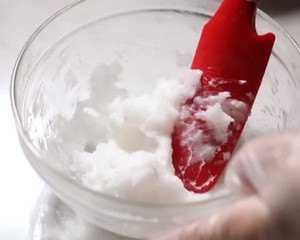 Make the wrapper: mix the glutinous rice flour and powdered sugar, add the starch paste and the 105 ml of hot water, and knead into a smooth dough. Knead in the lard last and keep going until the dough is soft, glossy and free of cracks. Cover with plastic wrap whenever you pause.
-
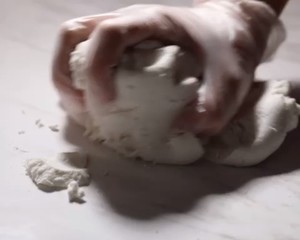 Divide the dough into 24 pieces of about 20 g and roll each into a ball, keeping them covered. If the dough feels dry at the edges, wet your hands and knead briefly — a little moisture revives it.
-
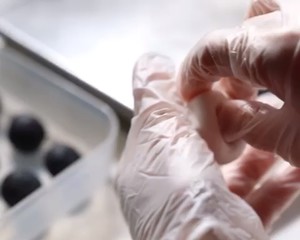 Wrap: flatten one ball into a 7–8 cm wrapper, thick in the center and thin at the edge. Cup it in your palm, set a frozen sesame ball in the middle, and push the dough up around it with your thumb while turning, until the filling is fully enclosed. Pinch the top sealed and roll gently between your palms until round.
-
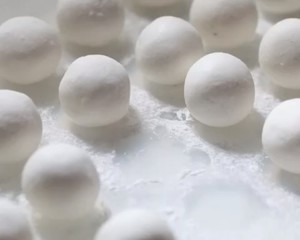 Keep a damp cloth at your station and wipe your hands the moment filling smears onto them — sesame stains the white dough and shows in the finished tangyuan.
-
 Dust the tangyuan with dry glutinous rice flour and set them on a tray. Cook now, or freeze in a single layer and bag once solid.
-
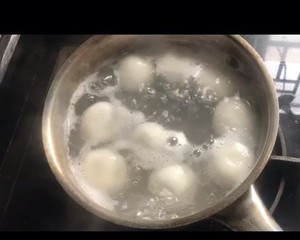
 To cook: bring a pot of water to a rolling boil, stir with a spoon so the water spins into a whirlpool, then slide the tangyuan in along the edge. The whirlpool keeps them from sticking to the bottom.
-
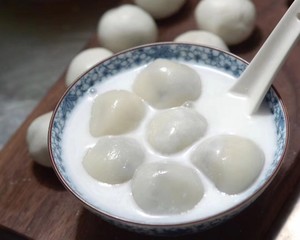
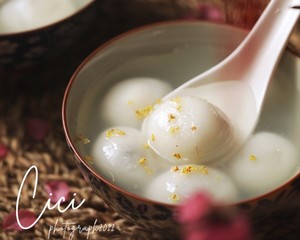 Boil for about 4–5 minutes, until the tangyuan float and look swollen and glossy. Lift out with a slotted spoon and serve hot in the cooking water, or dress the bowl with a spoonful of osmanthus sugar or coconut milk.
Why this recipe works
Black sesame tangyuan is a two-part engineering problem — a filling that stays put and a wrapper that seals around it — and this recipe solves both.
1. The frozen-ball filling. Ground sesame plus sugar plus lard is a paste, and paste is unwrappable. Chilling it, rolling it into balls and freezing them hard converts it into a solid core. While you wrap, it stays put; while the tangyuan boils, it melts back into that famous black lava. Push the lard higher for a runnier center — fat is the liquid carrier here.
2. The wheat-starch trick. Scalding a little wheat starch with boiling water gelatinizes it into a translucent paste, and kneading that into the glutinous dough changes the wrapper's personality: more stretch, more spring, a slight slip against the tongue. It is the same trick used for har gow skins in dim sum kitchens. All-glutinous dough is softer and more traditional — both options are given, because this is a texture choice, not a right answer.
3. The whirlpool boil. Stirring the pot into a spin before the tangyuan go in sounds fussy but does a real job: the circulating water keeps the sticky wrappers from settling and welding to the pot bottom in the first 30 seconds, which is when they are most vulnerable. Get the whirlpool right and how to boil tangyuan stops being a worry — nothing welds, nothing leaks.
About the dish
Black sesame is the grandmother of all tangyuan fillings — toasted sesame ground with sugar and fat, folded inside a plain glutinous wrapper. Tangyuan themselves are the food of the Lantern Festival, the fifteenth night of the first lunar month, when the round white balls mirror the first full moon of the year and the family seated around the bowl. Southern families wrap them by hand, as here; northern families roll yuanxiao through dry flour. The wheat-starch wrapper in this version is a modern refinement — restaurant kitchens began blending it in for that glossy, springy bite, and home cooks followed. However you wrap it, the moment of biting in and catching the hot, runny sesame before it escapes is the same in every kitchen in China.
What to serve with it
Six tangyuan per bowl in the hot, slightly milky cooking water, or in warmed coconut milk with a pinch of osmanthus flowers. They are a dessert in themselves — but if you are building a festival table, a light savory contrast works beautifully: a small plate from our cold dishes collection, or a shared hot and sour soup before the sweet course. Tea, always tea. Come the Lantern Festival, double the batch: they freeze raw beautifully, and a reunion table always wants more than you planned.
Pro tips
- Freeze the filling balls until genuinely hard. This single habit separates easy, clean wrapping from smeared, stained wrappers — the original author stresses it for beginners, and she is right.
- The two-wrapper choice matters more than it sounds: all-glutinous is softer and chewier, the wheat-starch blend is springier with a slight slip. Try the blend first; it is the easier dough to seal.
- The wrapper dough keeps in the fridge for a week (a month frozen) in a sealed bag. Let it come back to room temperature and knead until soft before using.
- For a runnier, lava-style filling, push the lard up to 3½ Tbsp and keep everything cold right up until wrapping.
- Toast sesame with your nose, not a timer — the jump from fragrant to bitter takes under a minute.
- Do not crowd the pot: 10–12 tangyuan at a time in a 3-liter pot. Crowded pots drop the water temperature and the wrappers turn mushy before the filling thaws.
Storage & leftovers
- Freeze raw tangyuan in a single layer until solid, then transfer to a freezer bag; they keep a month and cook directly from frozen.
- Wrapper dough alone keeps 7 days refrigerated or 1 month frozen in a sealed bag; knead until soft again before using.
- Cooked tangyuan are best eaten immediately; leftovers keep a day in the fridge and are best reheated in gently simmering water for 1–2 minutes rather than the microwave.
Frequently asked questions
The original recipe has two wrapper options. How do I make the all-glutinous one?
Skip the wheat starch and the scalding step entirely: use 250 g glutinous rice flour with the same sugar and lard, bound with about 175 ml of hot (70°C) water. The texture is softer and chewier — many people prefer it, and it is one less step.
I cannot find wheat starch. What substitutes work?
Tapioca starch is the closest 1:1 swap, giving a chewier, less translucent wrapper. Cornstarch also works but makes a softer dough. Or just use the all-glutinous variation above.
My filling leaked out during cooking. Why?
Usually one of three things: the wrapper had a thin spot, the seam was not pinched fully closed, or the filling balls were not frozen hard. Keep the wrapper center thick, seal firmly, and freeze the balls overnight.
Can I use store-bought black sesame filling?
Yes — good refrigerated filling from an Asian grocery saves 40 minutes. Portion and freeze it exactly as in step 4 before wrapping.
Can I make these ahead?
That is the best part of this recipe: freeze the raw tangyuan on a tray, bag them, and keep for up to 1 month. Boil straight from frozen — no thawing — adding 2–3 minutes to the cook time.
Why did my tangyuan turn mushy and dissolve a little?
They boiled too long or the water was not at a rolling boil when they went in. Frozen tangyuan need vigorous water; once they float, give them only 1–2 more minutes and get them out.
What is the difference between tangyuan and yuanxiao?
Same idea, different craft: southern tangyuan are wrapped by hand from wet glutinous dough, so they stay soft and smooth, while northern yuanxiao are rolled filling-first through dry flour in a basket, giving a firmer bite and a cloudy cooking liquid. This recipe is the wrapped, southern-style kind.
How do I know when the tangyuan are done?
They are ready when they float and look swollen and glossy — about 4 to 5 minutes. Lift them out promptly; extra boiling time is exactly what turns wrappers mushy and thin.