Cantonese home style · Buns & Pancakes
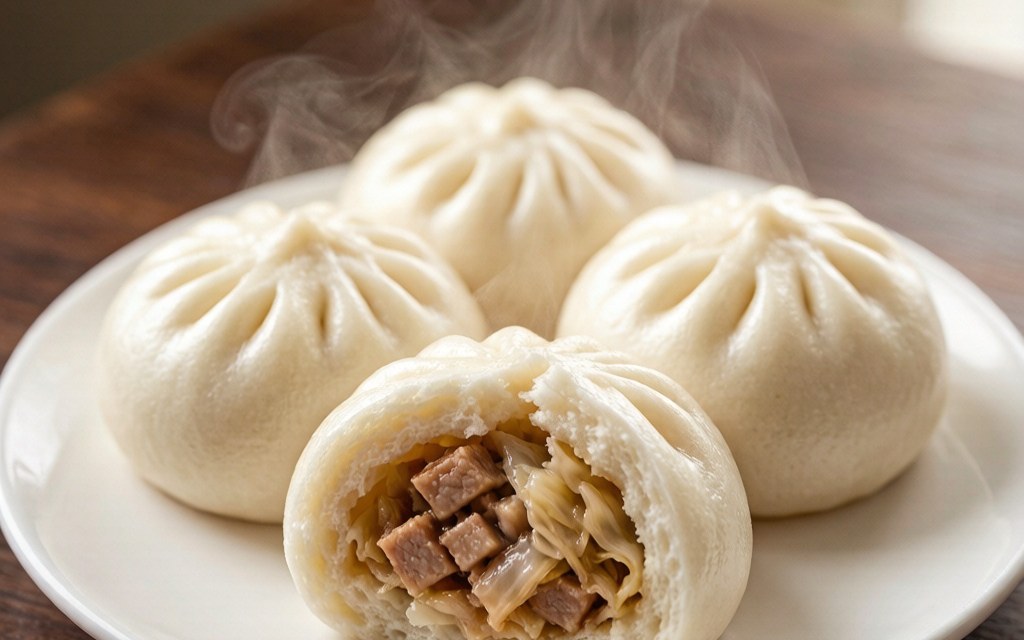
Char Siu Pork and Cabbage Buns (菜肉包子)
Juicy steamed buns stuffed with pan-fried marinated pork, crisp napa cabbage and ground pork in hoisin sauce — a vegetable-meat bun with real char siu character.
Instructions
-
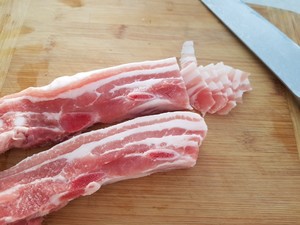 Marinate the pork belly: chill the slab in the freezer for 1 to 2 hours until firm, then slice it 1/4 inch thick. Toss the slices with the rose wine, oyster sauce, hoisin sauce, soy sauce and a pinch of salt, cover, and refrigerate overnight.
-
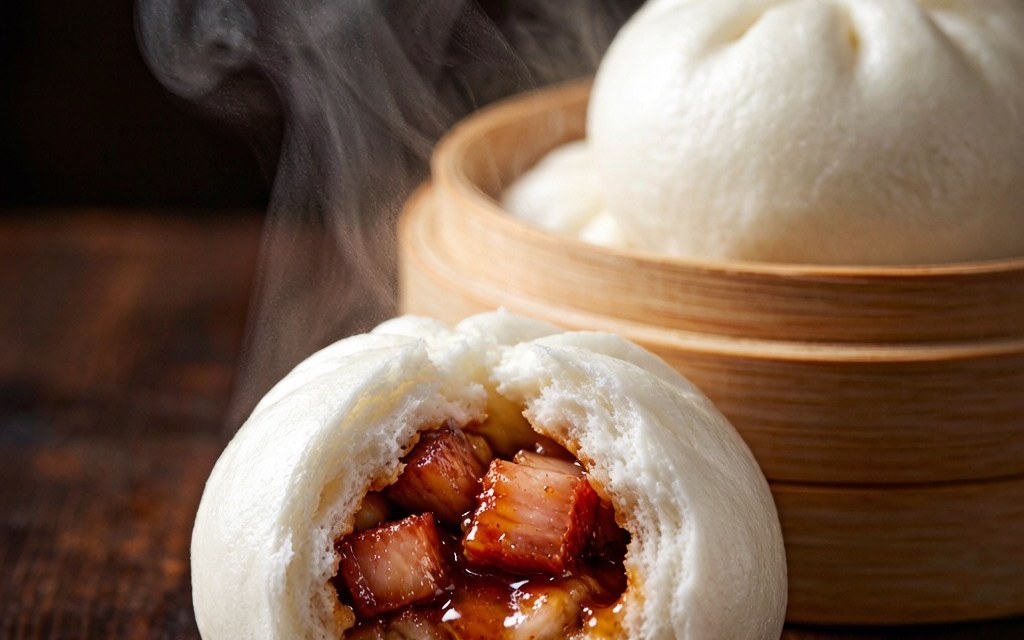
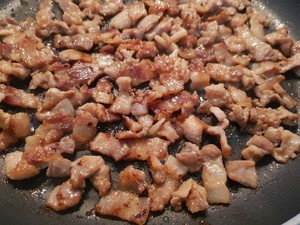 Pan-fry the marinated slices in a lightly oiled skillet over medium-high heat, laid out flat in one layer, until deep golden on both sides, about 2 minutes per side. Rest, then cut into small dice. The frying caramelizes the marinade — this step is what gives the buns their char siu flavor.
-
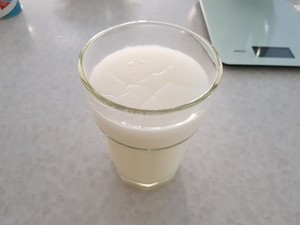 Make the tangzhong: whisk the flour and water until smooth, microwave 15 seconds, stir, then microwave another 15 to 20 seconds until it turns into a thick paste (or cook it in a small pot over low heat, stirring constantly). Cool completely.
-
 Salt the cabbage: toss the diced napa with 1 tsp salt and let it sit 15 minutes, then squeeze out the water firmly with your hands and set the cabbage aside. Skipping the squeeze is the number one cause of soggy bun bottoms.
-
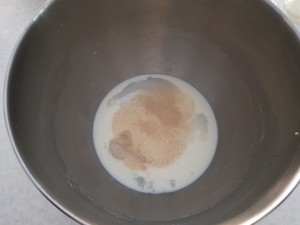
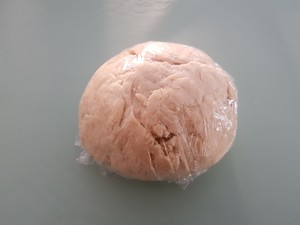 Make the dough: stir the milk, rice porridge (or tangzhong), sugar and yeast together until smooth, then add the flour, baking powder, salt and oil. Knead 12 to 15 minutes by hand or 8 minutes in a mixer until the dough is very smooth and slightly tacky. Cover and rest 15 to 30 minutes.
-
 Mix the filling: stir the ground pork with the soy sauce, oyster sauce, hoisin sauce, remaining teaspoon of salt, ginger and oil, beating in one direction until the meat turns sticky and pasty. Fold in the fried pork dice and the squeezed cabbage. Taste a tiny bit cooked through and adjust salt.
-
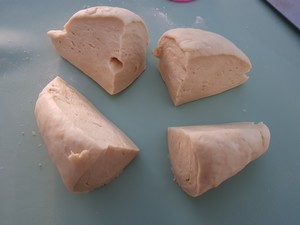
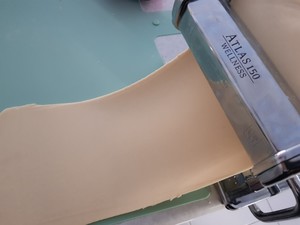
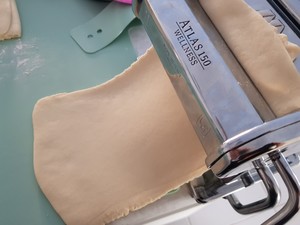 Divide the dough into 16 pieces, about 55 g each, round them, and keep them covered. Roll each into a wrapper about 4 inches across, thinner at the edge than the middle.
-
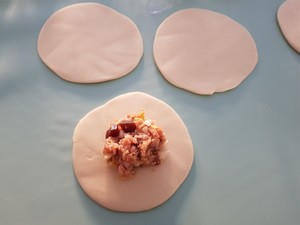
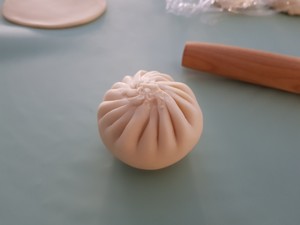
 Fill each wrapper with about 2.5 Tbsp of filling, pleat the top closed, and place each bun pleat-side up on a parchment square. Cover with plastic and proof until puffy and about 1.5 times bigger, 40 to 60 minutes depending on room temperature.
-
 Steam from cold water: put the buns in a steamer over cold water, bring to a boil on high heat, then turn to medium and steam 15 minutes once the steam is steady.
-
 Turn off the heat and wait 3 minutes before opening the lid — a sudden rush of cold air wrinkles the skins. Serve hot, or cool completely and freeze for future breakfasts.
Why this recipe works
Plain pork-and-cabbage buns are everywhere; these taste like char siu, and the difference comes from three deliberate moves.
1. Fry the marinade, don't steam it. Char siu flavor is caramelized marinade — sugar and soy hitting hot fat. So the pork belly marinates overnight, then hits a skillet until golden before it ever meets a bun. Steaming alone can never produce those toasty notes; frying the marinade does, and the leftover fond in the pan flavors the filling.
2. Starch in the dough. A spoonful of cooked rice porridge (or tangzhong) pre-gelatinizes some of the starch before kneading, which lets the dough hold more moisture. The result is buns that stay pillow-soft for days instead of going stiff overnight — the same trick behind Japanese milk bread, and what makes these baozi that stay soft next day rather than one-morning buns.
3. Salt-and-squeeze the cabbage. Napa is 95% water. Salting for 15 minutes and wringing it out concentrates its sweetness and keeps the filling from flooding the wrapper. Combined with sticky beaten ground pork, the filling binds into juicy clumps rather than weeping into the steamer.
About the dish
Cai rou bao — vegetable-and-meat buns — are the everyday breakfast of northern and central China, sold by the tray from morning steamers. This version is a home cook's happy accident: the filling is seasoned Cantonese-style, with hoisin, oyster sauce and rose-wine-marinated pork belly, so it eats like a char siu bun that wandered into a vegetable patch and stayed.
The author of the original found it more addictive than the dim sum original — the cabbage lightens what pure pork buns can make heavy, and the hoisin-fried belly gives back the sweetness. It is breakfast food in the truest sense: a batch made on Sunday carries the whole week, and nobody in the house complains about the repetition. It is precisely the kind of hybrid Chinese home kitchens produce: borrow the flavor of a dim sum icon, wrap it in whatever the morning market had.
What to serve with it
Breakfast is the natural home for these: two buns, a cup of hot soy milk or tea, done. For lunch, split a bun and griddle it cut-side down until crisp — the hoisin caramelizes nicely. If you are building a weekend steamer spread, put these next to classic dumplings and a bright cucumber salad so the table has something crunchy. Raw buns frozen on a tray steam straight from the freezer in 15 minutes.
Pro tips
- The overnight-marinated, pan-fried pork belly is the whole character of this bun — do not shortcut it with raw diced belly, which renders water instead of flavor inside the steam.
- Rice porridge (or tangzhong) in the dough keeps the buns soft for two days instead of turning rock-hard overnight; leftover plain congee, blended smooth, works perfectly.
- Squeeze the cabbage until it stops dripping, then squeeze again — wet filling dilutes the seasoning and leaks through the wrapper.
- If your pleats keep collapsing, you are not alone: gather-and-pinch sealed domes steam every bit as well and are what home cooks have done for generations.
- These freeze brilliantly raw: freeze the proofed buns on a tray, bag them, and steam straight from frozen for 18 minutes on a morning when you want breakfast with zero work.
- Beat the ground pork in one direction until sticky before adding the cabbage — that stickiness is what binds the filling into juicy clumps instead of crumbs.
Storage & leftovers
- Refrigerate cooled buns in a sealed container up to 3 days; the rice-porridge dough keeps them soft.
- Resteam 4 to 5 minutes to bring them back to just-cooked texture.
- Freeze raw (after proofing) for best quality, up to 1 month; steam from frozen 18 minutes.
- Freeze cooked buns up to 2 months; resteam from frozen, or split and pan-toast the cut side in butter for a crispy bun sandwich.
Frequently asked questions
What is rose wine, and can I skip it?
Rose dew wine (mei gui lu jiu) is a floral Cantonese spirit used in char siu marinades. Shaoxing wine is the easy substitute; even plain water with a drop of vanilla would be better than skipping the marinade entirely.
Can I use ground pork only and skip the belly?
You can, and the buns become ordinary pork buns. The fried belly cubes are what make this recipe taste like char siu, so if you must simplify, use all belly and skip the ground pork rather than the reverse.
How spicy are these?
Not spicy at all — the flavor is sweet, savory and garlicky from the hoisin and fried marinade. White pepper adds a faint warmth, nothing more.
Can I make the dough with just water instead of milk and rice porridge?
Yes: use 1 cup (240 g) water and add 1 extra Tbsp sugar. The buns will be a little less soft on day two, but perfectly good.
Why did my buns come out dense and flat?
Usually underproofing — the buns need to look visibly puffy and feel light before the steamer goes on. In a cold kitchen that can take over an hour; test with the poke: the dent should slowly spring back halfway.
How do I reheat frozen cooked buns?
Steam 5 to 6 minutes from the fridge or 8 minutes from frozen, or microwave wrapped in a damp paper towel for 60 seconds at full power.
Can I steam steamed buns from frozen without thawing?
Yes — that is the built-in meal plan. Freeze the proofed raw buns on a tray, bag them once solid, and steam straight from the freezer for about 15-18 minutes on the morning you want them; no thawing step needed.