Chinese home style · Street Food & Snacks
Foolproof Youtiao (零失败油条)
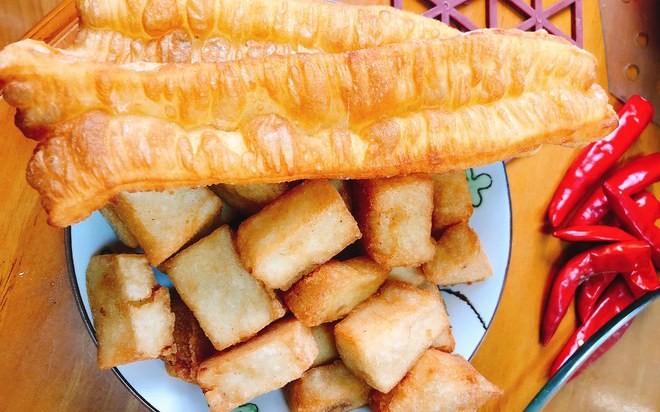
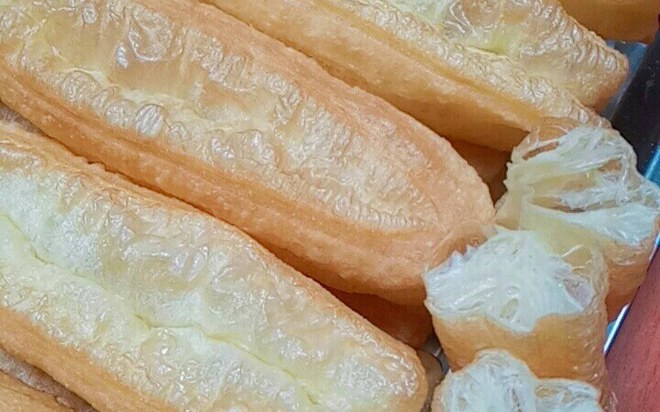
A forgiving milk-and-egg yeast dough puffs into golden youtiao in one afternoon — no overnight rest, no special premix, and leftover dough fries into flatbreads.
Instructions
-
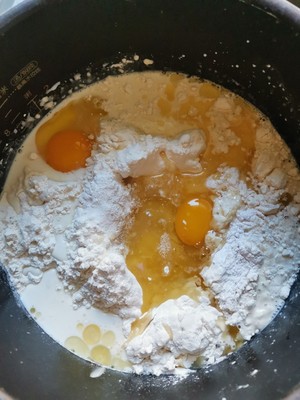 Put everything into your largest bowl — flour, yeast, salt, sugar, eggs, milk and oil. The milk goes in straight from the fridge or at room temperature; there is no need to warm it. Baking powder is optional here: with a yeast dough this wet and a proper second proof before frying, the sticks puff without it.
-
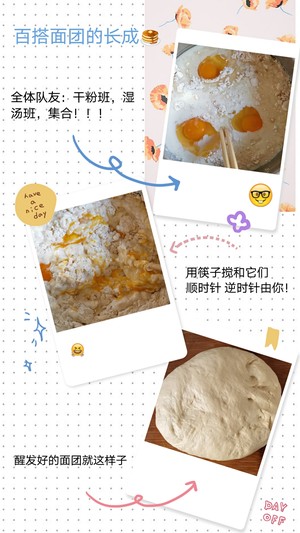
 Stir with a pair of chopsticks or a sturdy spoon until no dry flour remains. The dough is too wet and sticky to start by hand — let the chopsticks do the first round of work.
-
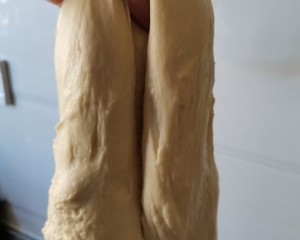
 Oil your hands well and knead right in the bowl for 2–3 minutes, until the dough turns smooth and springy but still very soft. The oil keeps it from sticking to your skin.
-
 Cover and rest 15 minutes so the flour fully hydrates, then lift the dough and slam it down onto the counter 10–15 times, folding it over between slams. This rough treatment builds the stretch that later lets each stick balloon in the oil.
-
 Return the dough to the bowl, cover, and let it ferment at warm room temperature (24–26°C/75–79°F) for 2 to 2.5 hours, until doubled and pillowy — it should feel light as a cloud when you poke it.
-
 Turn the dough out onto a lightly oiled board. Take about a quarter of it and roll or pat it into a sheet 8–9 cm (3–3½ in) wide and about 1 cm (⅜ in) thick, no longer than your pot. Cover with plastic wrap and rest 20 minutes — pull a corner: it should stretch without springing back.
-
 Cut the sheet crosswise into 2 cm (¾ in) strips. Stack two strips, press down the middle lengthwise with an oiled chopstick, then grip both ends and stretch slightly as it goes into the oil.
-
 Heat at least 5 cm (2 in) of oil in a deep pot to about 160°C/320°F: a small scrap of dough should sink, then rise and sizzle gently within a few seconds without darkening right away.
-
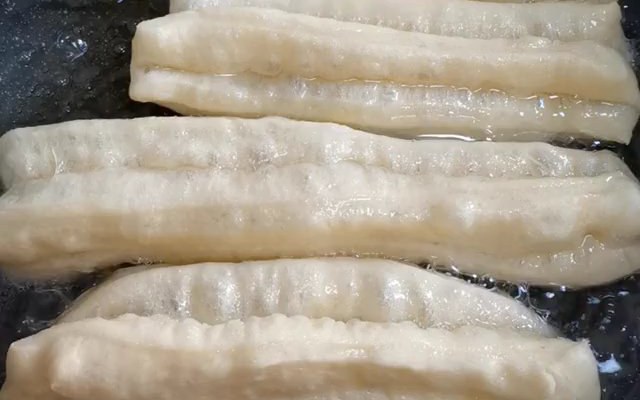
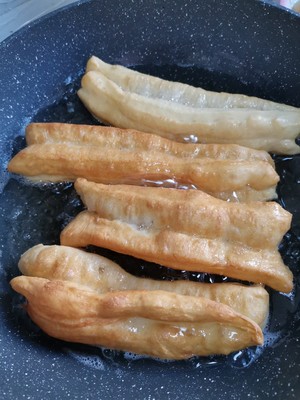
 Fry on medium heat, turning each stick constantly with long chopsticks for 3–4 minutes. This enriched dough browns faster than a plain one, so keep the oil moderate — slow, even gold means cooked through and crisp rather than raw inside.
-
 Lift out when deep gold all over, drain on a wire rack, and eat hot. For extra-crisp sticks, fry 1 minute longer.
Why this recipe works
This dough is built around forgiveness, which is exactly what a first-time youtiao maker needs.
1. Yeast instead of precision. Baking-powder youtiao live or die on exact grams and exact oil temperature. Yeast tolerates slop: if the dough is a touch wetter or your fold is sloppy, it simply ferments a little longer and forgives you. That is why the baking powder in this recipe is optional insurance rather than the engine — a well-risen, well-rested wet dough has plenty of lift on its own. It is why youtiao without baking powder can still puff properly.
2. The slam. Lifting the dough and throwing it onto the counter does two jobs at once. It develops just enough gluten for the stick to hold gas, and it keeps the dough extensible, because you are never rolling or stretching it tight the way kneading does. Ten slams replace five minutes of fussing.
3. Moderate oil for an enriched dough. Milk, egg and sugar brown quickly. Plain dough fries at 190°C/375°F; this one fries a notch cooler so the crust turns gold at the same moment the crumb cooks through. Read the color, not the timer: deep, even gold means done.
About the dish
Chinese home cooks love a "universal dough" — one enriched, high-hydration batch that becomes youtiao in the morning, coin-sized fried flatbreads for the kids and twisted mahua for snacking, all from the same bowl. This recipe comes straight out of that tradition, which is why the write-up treats the dough, not the stick, as the real product.
Youtiao themselves are old breakfast culture: long golden sticks sold at dawn stalls, dunked in hot soy milk or floated in congee. Shop versions fry in vats of repeatedly used oil, which is exactly why so many families learned to fry their own — fresh oil, known ingredients, same satisfaction. Expect sticks a little softer and milkier than the stall's; that is the milk and eggs talking, and nobody has ever complained about it.
What to serve with it
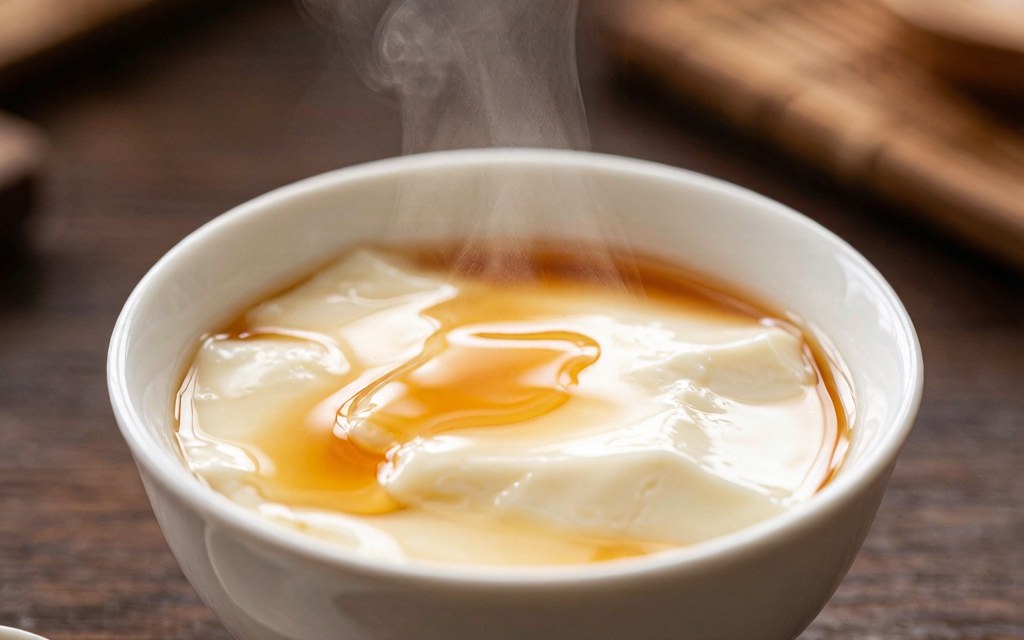
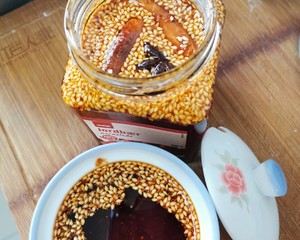
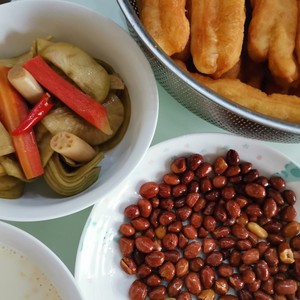
Serve them hot from the rack with bowls of warm soy milk for dunking, or alongside a pot of congee and pickles for a full morning spread. English speakers know these as Chinese donut sticks or Chinese crullers; the dunking test is the same whatever the name. Any leftover fried flatbreads from the same dough love a smear of chili crisp. More street-stall classics live on our street food page, and if you want a pot to dip into, our rice page covers the congee-style side of breakfast.
Pro tips
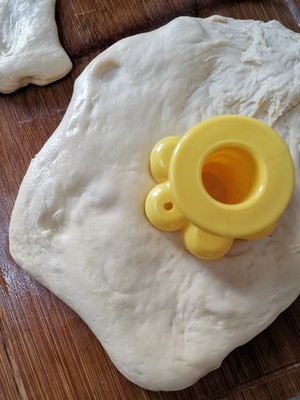
- This is a true all-purpose dough: the same batch also fries into coin-sized flatbreads (cut rounds, poke a hole in the middle) and twists into soft mahua braids. Roll the leftover dough, rest it 20 minutes, and experiment.
- Yeast does the leavening, so warmth matters more than precision: in a cold kitchen the ferment may take a full 3 hours. Judge by the dough's size and feel, not the clock.
- Oil your hands and the board instead of dusting with flour — dry flour scorches in the fryer and dulls the crust.
- Milk, egg and sugar are flavor insurance, but they brown fast. If the outsides darken before the centers cook, drop the oil temperature 10°C/50°F.
- The oiled chopstick press is what welds the two strips into one stick; without it the layers can drift apart in the oil.
- Strain the cooled frying oil through a fine sieve and keep it: it is perfect for stir-fries, or fry a handful of raw peanuts in the residual warmth for a bonus snack.
Storage & leftovers
- Best within 2 hours of frying; hold extra sticks on a wire rack in a 100°C/200°F oven for up to 30 minutes.
- Refrigerate leftovers in a paper bag for up to 2 days, then re-crisp in an air fryer or a 180°C/350°F oven for 3–5 minutes.
- The fermented dough keeps 1 day refrigerated before shaping; let it warm up 30 minutes and rest 20 minutes after rolling before it goes into the oil.
Frequently asked questions
Can I really skip the baking powder?
Yes. Yeast and a full proof do the lifting; baking powder is only backup. If your kitchen is cold or you are shortening the ferment, add it for insurance.
Can I refrigerate the dough overnight instead of frying same-day?
Yes — after the bulk ferment, refrigerate up to 12 hours, then shape and fry with 30 minutes to come back toward room temperature. The flavor is actually a little better.
Why did my sticks brown outside but stay doughy inside?
The oil was too hot for an enriched dough. Milk, egg and sugar accelerate browning, so fry at 155–165°C/310–330°F and give them the full 3–4 minutes.
Can I do this without a thermometer?
Yes. Drop a pea-sized scrap of dough into the oil: it should rise within 3–4 seconds and sizzle steadily without browning in the first 20 seconds.
What can I do with leftover dough?
Cut rounds for mini fried flatbreads, twist ropes into soft mahua, or press it into a skillet for a scallion pancake. It keeps 2 days refrigerated, tightly covered.
Is the dough supposed to be this sticky?
Yes — wet and sticky is the design. Fight the urge to add flour; oil your hands instead, and it will smooth out during the knead and the rise.
Why didn't my youtiao puff?
Usually one of three things: the shaped strips had not rested long enough after rolling, so they snapped back instead of stretching; the oil was too cool, so the sticks soaked rather than ballooned; or the strips were cut too thick. Pull a corner before it goes in — it should stretch without springing back — and hold the oil near 160°C/320°F.
Can I air-fry these instead of deep-frying?
The first fry needs deep oil — the puff comes from the dough ballooning as it floats, which an air fryer cannot imitate. The air fryer is perfect for day-old sticks, though: 3-5 minutes at 180°C/350°F brings the crust right back.