Chinese home style · Street Food & Snacks
Youtiao, Chinese Fried Dough Sticks (油条)
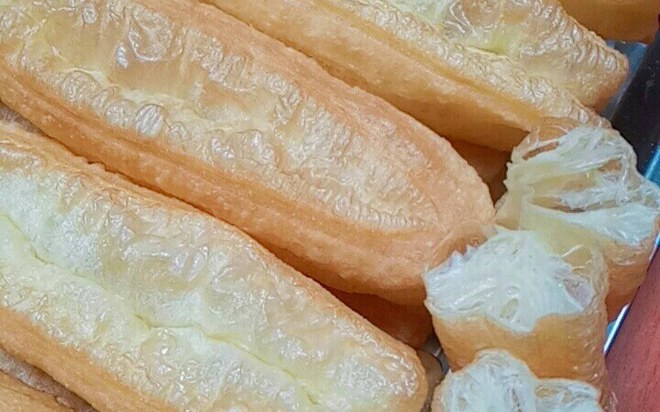
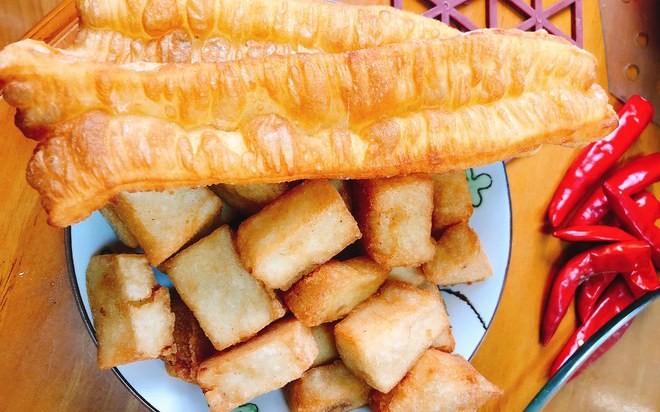
Chinese fried dough sticks made foolproof: an overnight fridge dough with baking powder puffs into golden, hollow, shatteringly crisp youtiao — no yeast, no lye.
Instructions
-
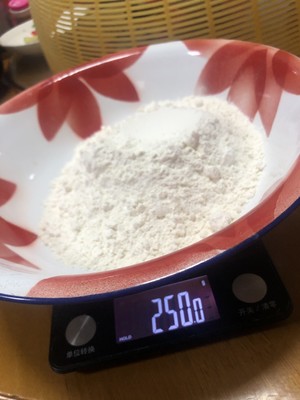 Whisk the flour, baking powder, salt and sugar in a large bowl. Even distribution of the leavening matters — lopsided mixing is the classic cause of lopsided youtiao.
-
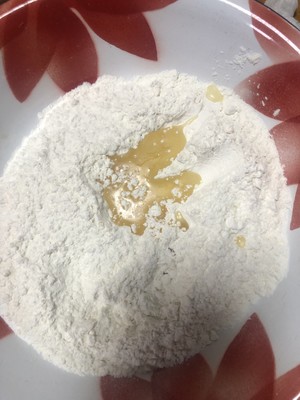 Add the oil, the beaten egg, and the cold water in two or three additions, stirring with a pair of chopsticks. Stop when the dough comes together in shaggy clumps: sticky to the touch, but not actually wet. Flour and humidity vary, so in damp weather hold back a spoonful of the water and add it only if dry flour remains.
-
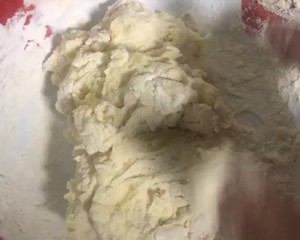 Cover the bowl and rest 20 minutes (10 minutes in hot summer weather).
-
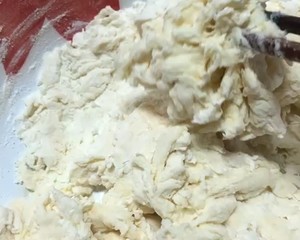 Grease one hand with oil and press-fold the dough: push the heel of your hand into it, fold it over, and repeat 3–4 times until it smooths out. This folding — not kneading — builds structure without tightening the dough. Cover and rest 40 minutes (10–15 minutes in summer).
-
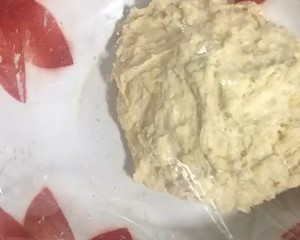 Repeat the oil-hand fold-press once more, cover, and rest 30 minutes (10–15 minutes in summer). The dough should now feel soft and elastic.
-
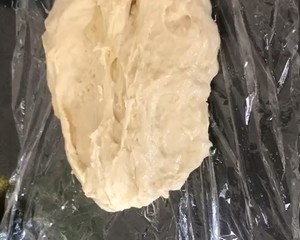 Oil a sheet of plastic wrap, set the dough on it, shape it into a rough rectangle, and wrap it well. At this point the dough should be very soft — it gives easily when pressed — but it should hold its shape, not flow. That softness without flow is the target feel; too wet and it will be impossible to shape tomorrow.
-
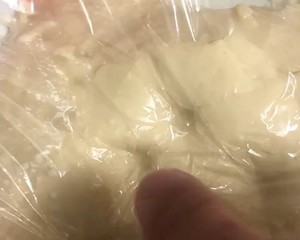 Refrigerate overnight, 8–12 hours. The slow rest relaxes the gluten and fully hydrates the flour, which is what lets the dough stretch without snapping back.
-
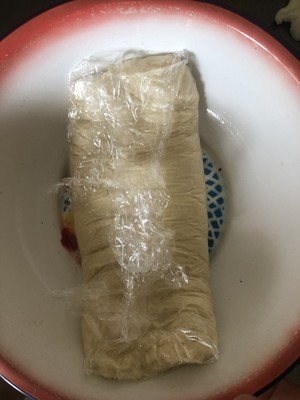 The next morning, take the wrapped dough out 1 hour before frying so it loses its chill.
-
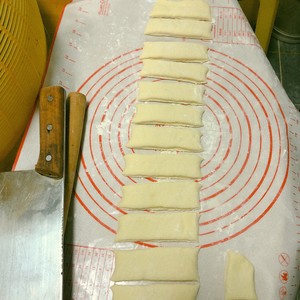 Dust the counter generously with flour or cornstarch. Without any kneading, gently stretch and pat the dough into a strip about 10 cm (4 inches) wide and 0.8 cm (⅓ inch) thick. Use cornstarch if you have it — it fries up cleaner.
-
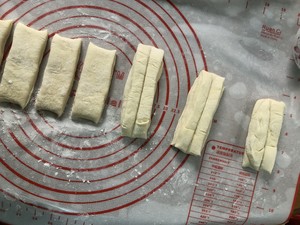 Cut crosswise into strips about two fingers wide (4–5 cm). Brush a thin line of water down the center of one strip, lay a second strip on top, and press firmly down the middle with the back of a chopstick to weld the pair together. That weld is what makes the two layers puff as one and split into a hollow center.
-
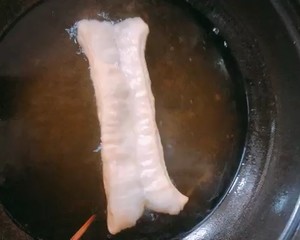 Pour oil at least 5 cm (2 inches) deep into a heavy pot or wok — depth is a secret ingredient, because youtiao only puff fully when they can float freely. Heat to 190°C/375°F, or until a wooden chopstick inserted into the oil fizzes vigorously all over its surface.
-
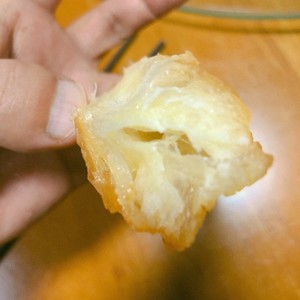 Pick up one welded pair by both ends, stretch it slightly, and lower it into the oil. It should float within seconds. Immediately keep it turning and rolling with the chopsticks so it inflates evenly, adjusting the heat as you go — lively but not violent. Fry 2–3 minutes until deep golden, then lift out and drain on a wire rack.
-
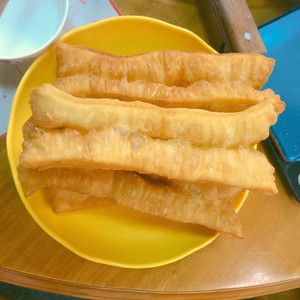 Eat hot: plain, dunked into warm soy milk, or split and tucked into rice porridge or a savory crepe.
Why this recipe works
Most youtiao failures are not bad luck — they are three specific, fixable mistakes, and this recipe is built to avoid them.
1. Baking powder, twice. Double-acting baking powder releases gas twice: once when the dough is mixed, and again in bursts when the dough hits the hot oil. That second surge is what inflates the welded strip into a hollow stick in under a minute. The long rests in the recipe are not just relaxation — they give the first release time to finish so the second has nowhere to escape but out, puffing the dough.
2. The overnight cold rest. A high-hydration dough rested overnight in the fridge hydrates completely and its gluten relaxes. That is why next-day dough stretches to twice its length without tearing or springing back — the physical prerequisite for skinny dough that puffs fat instead of snapping into a shell. It also makes this a true make-ahead breakfast — the overnight youtiao dough waits in the fridge while you sleep.
3. Deep oil and constant motion. A youtiao puffs because steam and gas inflate it before the crust sets. In deep oil it floats free and expands on all sides; your chopsticks keep it turning so no side sets early. The chopstick-welded seam forces the interior to split and hollow. Shallow oil, thin strips or motionless frying each let one side set first — and that is exactly how flat, greasy sticks happen.
About the dish
Youtiao are the breakfast of China: long golden sticks fried at street stalls from Guangzhou to Beijing, dunked into sweet soy milk or split into congee. The most famous legend dates them to the Southern Song dynasty, when the story goes that an angry public fried two dough figures back to back — representing the corrupt chancellor Qin Hui and his wife — in symbolic punishment for the death of the general Yue Fei; the sticks were called "fried ghosts" before the name softened to youtiao. Whatever the truth of the tale, the form traveled: the same fried stick is cha quay in Vietnam, patongko in Thailand, and e-kakway in Indonesia, wherever Chinese breakfast stalls settled. This version is the home kitchen's answer — no lye water, no fryer, just baking powder, patience and one deep pot.
What to serve with it
The classic pairing is a bowl of hot sweet soy milk — dip, soak, bite — or congee for a savory route. They are also the crispy backbone of a crepe breakfast: fold one into a jianbing-style egg crepe, or serve alongside congee and pickles for a full morning spread. More street-stall classics live on our street food page, and if you want a second breakfast project, egg fried rice with a crumbled youtiao on top is an old Cantonese habit worth stealing.
Pro tips
- Depth of oil is the puff secret. In shallow oil the top of the stick sets before the bottom finishes expanding, so it puffs lopsided or not at all. If the dough touches the pot bottom, add more oil.
- The oil worked into the dough tunes the texture: a bit more makes a crisper crust, a bit less makes a more hollow, tender interior. The listed 20 g is the all-purpose middle.
- Bread flour stretches far more easily than all-purpose. If your strips shrink back while cutting, let the dough relax 5 minutes instead of fighting it — stretched-tight strips fry into skinny shells.
- Fry one test stick first. It should float immediately and double in size within 30 seconds. If it browns before it puffs, the oil is too hot; if it sits greasy and pale, too cool.
- Do not skip the fold-press rest cycles even though nothing looks different. They are what make the difference between dough that stretches and dough that tears.
- Drain on a wire rack, not paper towels — paper traps steam against the crust and softens it within minutes.
Storage & leftovers
- Youtiao are at their best within 2 hours of frying; to hold them, keep on a wire rack in a 100°C/200°F oven for up to 30 minutes.
- Refrigerate leftovers in a paper bag for up to 2 days, then re-crisp in an air fryer or 180°C/350°F oven for 3–5 minutes.
- Freeze fried youtiao in a freezer bag for up to 1 month and reheat from frozen in the air fryer at 180°C/350°F for 6–8 minutes — do not thaw first, or they turn leathery.
Frequently asked questions
Can I skip the overnight refrigerator rest?
Yes — a 3–4 hour room-temperature rest works in a pinch. But the overnight chill relaxes the dough far better, giving taller, more even puff with less effort, which is why the recipe is built around it.
I can't find double-acting baking powder.
Use regular aluminum-free baking powder in the same amount; the sticks may puff slightly less dramatically. Do not substitute yeast — it changes the whole process and timeline.
Why didn't my youtiao puff?
The usual three: oil too shallow, strips cut too thin, or dough under-rested and too tight to expand. Oil must be deep enough for free floating, strips two fingers wide, and the dough relaxed enough to stretch without springing back.
Can I use all-purpose flour instead of bread flour?
Yes. Expect slightly less dramatic puff and a bit more effort when stretching — all-purpose has less gluten. Cut the strips a little narrower and stretch a little more gently.
How do I keep them crispy for later?
Fry slightly darker, drain on a rack, and re-crisp in an air fryer or a 180°C/350°F oven for 3–5 minutes. They never return to straight-from-the-oil crispness, so fry only what you will eat.
Why did my youtiao come out greasy?
Greasy sticks trace back to the three culprits in the recipe: oil cooler than 190°C/375°F, oil too shallow so one side sets before the stick finishes puffing, or frying without keeping the stick turning. Any of them lets the crust set slowly and drink oil — keep the oil deep, hot, and every stick moving.
Is the dough supposed to be this sticky?
Yes — sticky, soft and elastic but not flowing-wet. If it sticks unbearably, you went over the water range; dust the counter generously when shaping instead of adding flour to the bowl.