Thai · Sauces & Basics
Pad Thai Sauce (泰式炒粉酱汁)
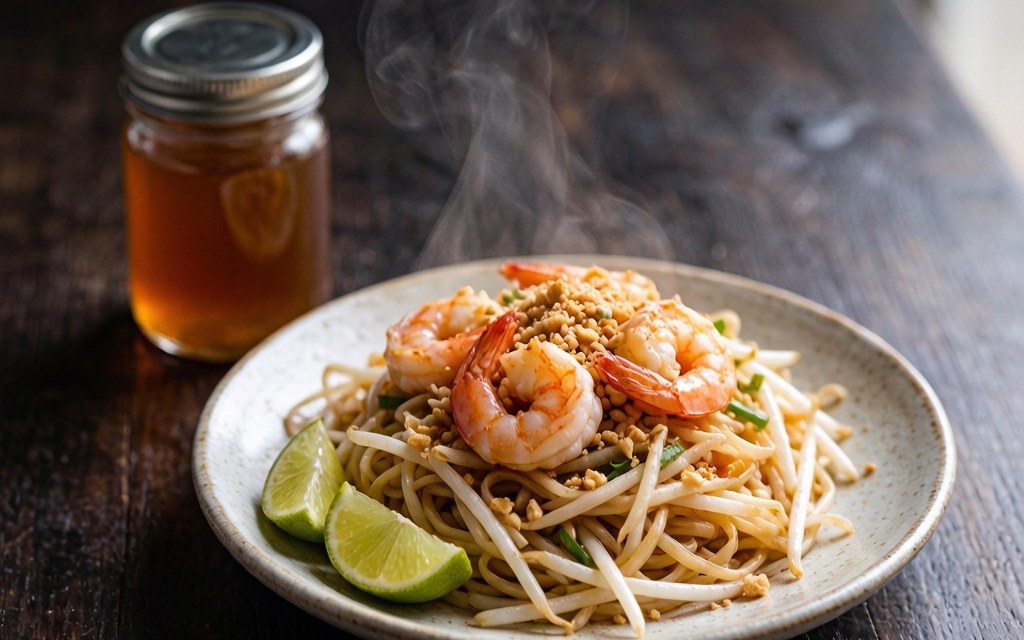
Make a jar of real pad thai sauce from scratch: tamarind sour, palm sugar sweet, fish sauce salty, a little chili heat — one batch seasons 8–10 weeknight plates.
Instructions
-
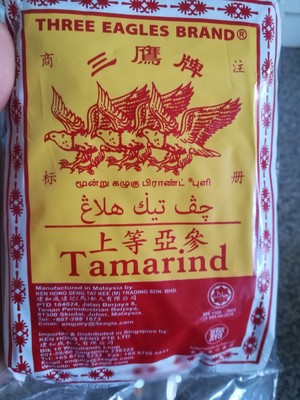 Soak the tamarind: break the 100 g block into small pieces, drop them into 1 cup (240 ml) of boiling water, and leave for 30 minutes until softened.
-
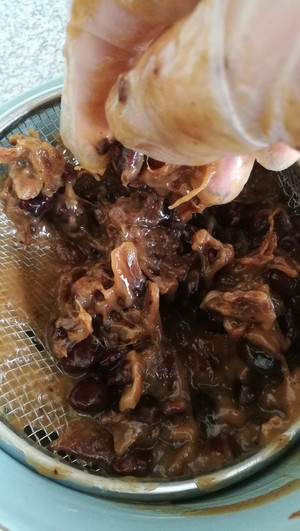 Knead the softened tamarind with your hand right in the water — the pulp dissolves off and the seeds and fibers stay behind. Push everything through a fine-mesh sieve, then rinse the seeds with a couple more Tbsp of water and press that through too. You want about 1 cup (250 ml) of smooth tamarind paste; bought concentrate can go straight to step 4.
-
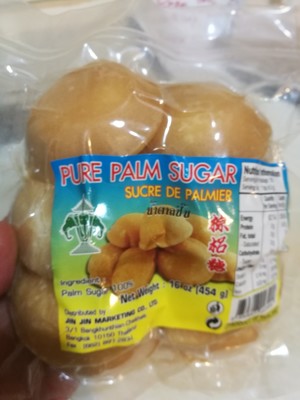 Chop the palm sugar into small chunks (it usually comes as a half-round block) so it melts evenly later.
-
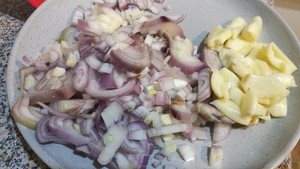 Blitz the shallots, garlic and chili powder with a stick blender or food processor until finely chopped — or simply mince everything by hand with a knife; slightly coarse is fine and even adds texture.
-
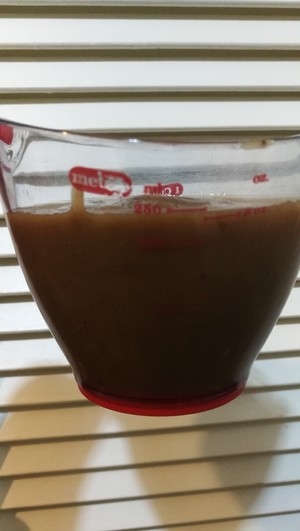 Heat the oil in a saucepan over medium heat, add the blitzed aromatics, and fry for 3–4 minutes until fragrant and just turning golden at the edges.
-
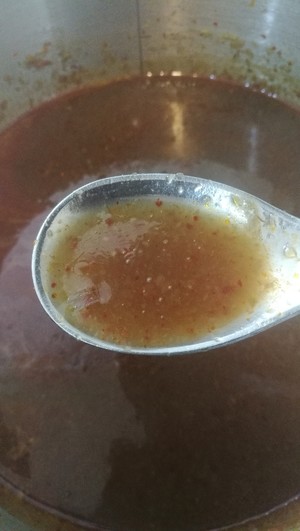 Add the palm sugar and ½ cup (120 ml) water. Simmer over medium-low heat for about 10 minutes, stirring now and then, until the sugar is completely melted and the mixture is syrupy.
-
 Add the fish sauce and the tamarind paste, stir, and bring everything up to a boil, then turn off the heat.
-
 Taste and balance: you should hit all four notes — sour, sweet, salty, spicy. Fix one note at a time (1 tsp more sugar for sweet, 1 tsp more fish sauce for salt). Err on the under-salted side: you can always add more fish sauce when you actually fry the noodles, but if the jar is too salty now there is no fixing it later.
-
 Cool completely, pour into a clean jar, and refrigerate. To use: soak rice noodles, then stir-fry them with 1½–2 Tbsp of this sauce per plate plus shrimp, tofu or chicken, bean sprouts, garlic chives and crushed roasted peanuts, with a squeeze of lime.
Why this recipe works
Pad thai lives or dies on its sauce, and the sauce lives or dies on balance. This batch method makes that balance easy to hit and easy to repeat.
1. Real tamarind, properly soaked. Tamarind brings a fruity, wine-dark sourness that lime juice alone can't fake. Soaking the block in boiling water for a full 30 minutes, then kneading and sieving, extracts all the pulp while leaving seeds and fibers behind — a smooth paste that dissolves instantly into the sauce instead of sitting in strings at the bottom of the jar.
2. Melt the sugar, don't caramelize it. Palm sugar goes in with water and simmers gently until fully dissolved. Cooking it dry would add toffee notes and bitterness; here you want clean sweetness that lets the tamarind lead.
3. Season deliberately flat. The counterintuitive step is deliberately under-salting at the end. A sauce meant for the wok gets concentrated by another 3–4 minutes of high heat later — anything perfectly seasoned now turns aggressive on the plate. Tune each note individually at the tasting step, and finish the adjustment in the pan, plate by plate. As a shorthand for the pad thai sauce ratio, this batch runs roughly equal volumes of tamarind paste and palm sugar, with fish sauce and chili tuned to taste.
About the dish
Pad thai — rice noodles wok-fried with egg, tofu or shrimp in a tamarind sauce — became Thailand's national dish through a deliberate campaign in the late 1930s, when the government promoted noodle eating as part of building a modern national identity. The recipe traveled with Thai cooks around the world, which is why the sauce, not the noodles, is the thing people crave.
Thai home cooks treat the sauce exactly the way a Chinese home cook treats a jar of chili oil or braising liquid: a make-ahead concentrate, tuned to the family's taste, pulled out on busy nights. Sour from tamarind, sweet from palm sugar, salty from fish sauce, hot from chili — the four flavors of Thai cooking in one spoonful. Making a big jar at once is not a shortcut; it is the traditional workflow.
What to serve with it
This jar's whole job is weeknight pad thai: soaked rice noodles, an egg, shrimp or tofu, bean sprouts and garlic chives, finished with crushed peanuts and lime. Keep a batch in the fridge and a plate of noodles comes together in ten minutes — the ultimate make-ahead pad thai sauce, vegan or not, depending on which fish-sauce swap you choose. It is also excellent brushed onto grilled shrimp or tossed through cold noodle salads, and it plays surprisingly well in fried rice for a Thai-style twist.
Pro tips
- The sauce keeps its punch because nothing in it cooks long — you are just melting and marrying, not reducing. Don't walk away during the sugar stage; melted sugar scorches fast.
- Under-salting is the one rule that matters. Sauce for a stir-fry should be tuned slightly flat, because every minute in the wok concentrates it.
- No time for block tamarind? Jarred tamarind concentrate gives a very close result and turns this into a 15-minute recipe.
- Palm sugar varies a lot by brand — some blocks are cut with white sugar. Taste yours; if it seems less fragrant than expected, the recipe still works, just check the balance at step 8.
- Portion the cooled sauce into ½-cup jars before refrigerating — one jar is roughly two plates of pad thai, so a weeknight dinner never touches the big jar.
- This is the same logic as a Chinese master stock of sauces: make once, deploy all week. It also glazes fried rice and grilled shrimp beautifully.
Storage & leftovers
- Refrigerate in a sealed glass jar for up to 1 month — the sugar and salt keep it stable.
- Always use a clean, dry spoon; wet utensils shorten its life.
- Freeze in ½-cup (120 ml) portions for up to 3 months; thaw in the fridge overnight or microwave a jar for 30 seconds.
- If you see any fizzing, bubbling or sour-off smells beyond normal tamarind tang, discard the jar.
Frequently asked questions
How spicy is this sauce?
Mild as written with 1 tsp chili powder — a gentle background warmth. Use 2 tsp or add fresh chilies with the aromatics if you want real heat, and remember you can always stir a little chili oil into a single plate later.
I can't find tamarind. What can I use?
Order tamarind concentrate online, or substitute ¼ cup (60 ml) lime juice plus 1 Tbsp rice vinegar — the sauce loses some fruity depth but still reads as pad thai. A no-tamarind version made with sweet chili sauce is a popular shortcut, sweeter and less tangy.
Can I make it vegetarian?
Yes — swap the fish sauce for light soy sauce, or better, vegetarian 'fish' sauce made from seaweed. The rest of the recipe is already plant-based.
No palm sugar?
Packed light brown sugar is the closest substitute (1 cup for 1 cup, about 200 g). White sugar works but tastes flatter; add a tiny splash more tamarind to compensate.
How much sauce per serving of pad thai?
Start with 1½ Tbsp per plate of noodles, fry, taste, then add up to ½ Tbsp more. Noodles differ in how much sauce they drink.
Can I freeze it?
Yes — it freezes perfectly for up to 3 months because it is essentially sugar, acid and salt. Thaw in the fridge overnight or zap a jar in the microwave for 30 seconds.
Can I use ketchup instead of tamarind?
In a true pinch, yes: whisk 5 parts ketchup to 1 part rice vinegar and use it in place of the tamarind paste. It mimics pad thai sauce's sweet-sour shape, though it is flatter and fruitier-less than the real thing — the lime-juice-and-vinegar substitution stays closer to authentic flavor.
Is pad thai sauce gluten-free?
This batch is built on fish sauce rather than soy sauce, so it has no wheat-based soy ingredients; most fish sauce is naturally gluten-free. Brands vary, so check the label on your bottle — and in the vegetarian version, use tamari or certified gluten-free soy sauce instead of regular soy sauce.