Northern Chinese home style · Sauces & Basics
Thin Spring Pancake Wrappers (春饼皮)
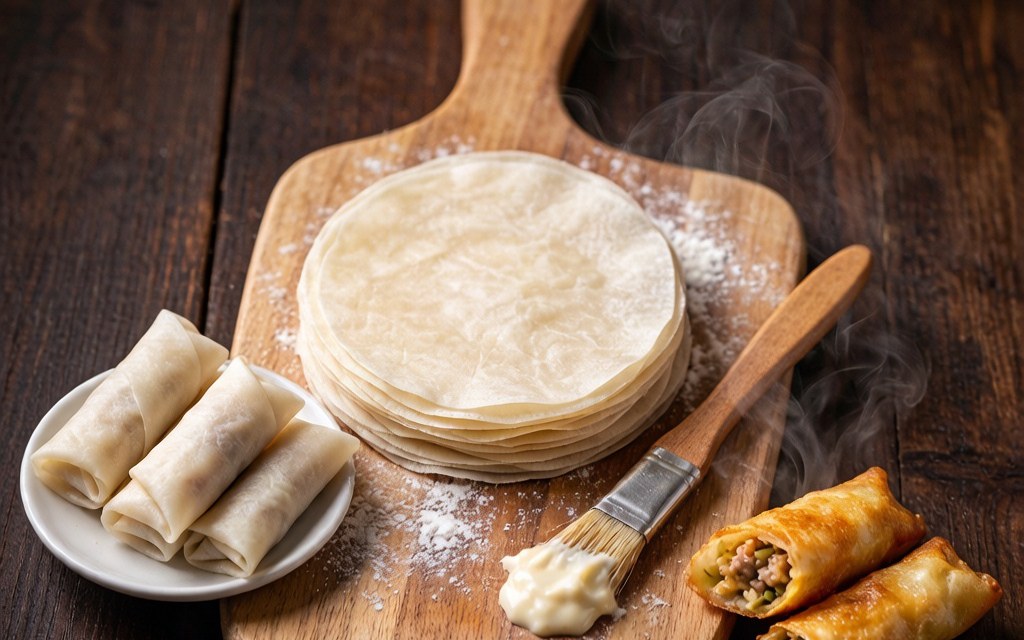
The Beijing family secret for spring pancake wrappers: half hot-water, half cold-water dough cooked in oiled pairs until it puffs, then pulled into two thin skins.
Instructions
-
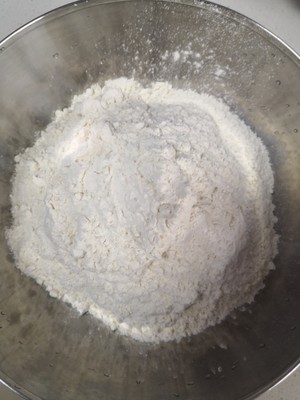 Make the hot-water half: put 200 g (1⅔ cups) of the flour in a bowl and pour in the just-boiled water, stirring with chopsticks as you go, until shaggy flakes form. Let it cool for about 5 minutes.
-
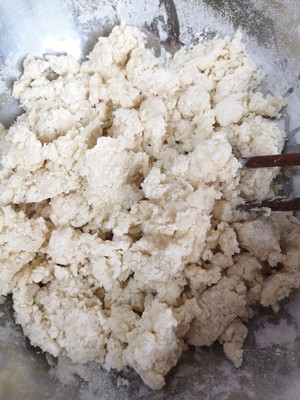 Add the remaining 200 g (1⅔ cups) flour, the cool water, the salt and the 2 tsp oil. Stir until a very soft, sticky dough comes together — noticeably softer than dumpling dough, slack enough to sag if you lift it.
-
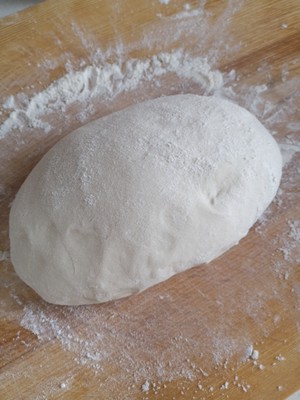 Oil the bowl lightly, drop in the dough, cover, and rest for 15 minutes. Sticky is correct: handle it with a bowl scraper and dusting flour rather than kneading it bare-handed.
-
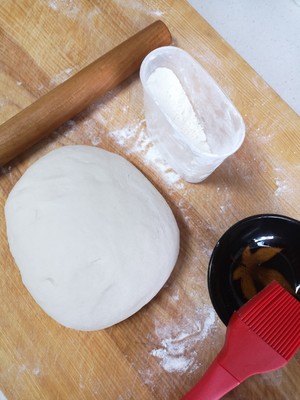 Cut the dough in half, roll each half into a thick rope, and cut into 50 g pieces — about 12 in total. Round each piece between floured palms.
-
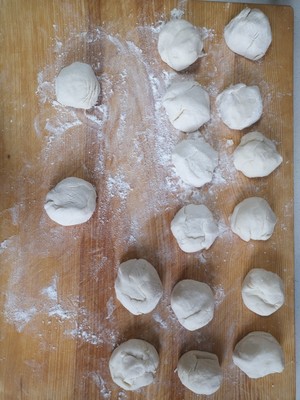 Press two rounds flat, brush the top of one generously and evenly with oil, and stack the second on top. That oil layer is what lets you pull the pair apart after cooking, so do not skimp or spread it unevenly.
-
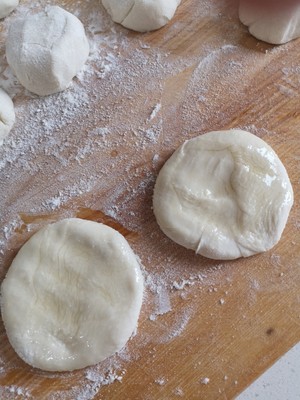 Roll the pair together into a thin round about 20 cm (8 inches) across, flipping and dusting lightly so it never sticks. Roll with light outward pushes — bearing down hard welds the two layers together.
-
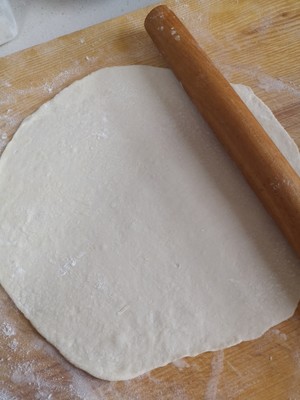 Heat a dry nonstick or cast-iron pan over medium heat with no oil at all. Lay the wrapper in, cover, and wait 10–20 seconds until it balloons into a big puff.
-
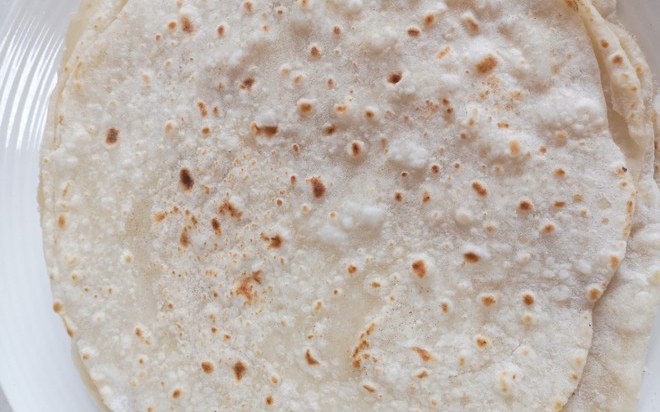
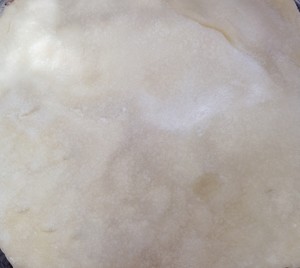 Flip once the underside shows golden-brown freckles and cook 10–15 seconds more until both sides are spotted. Each pair takes under a minute — hotter than that burns them, cooler dries them out.
-
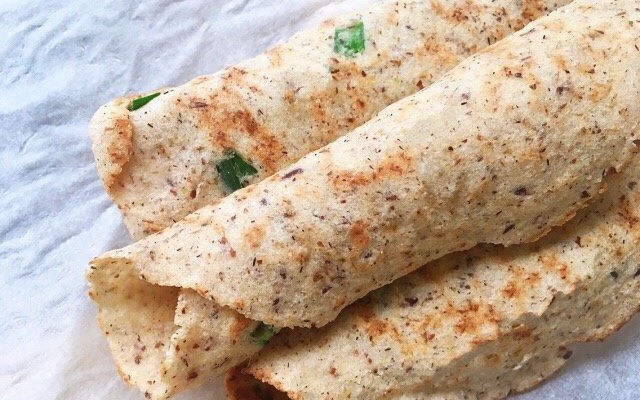
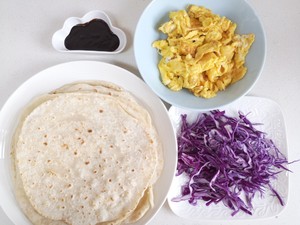 Pull the pair apart into two wrappers while still hot; they separate cleanly along the oil layer. Stack the finished skins on a plate under a damp towel or an upturned bowl so they stay soft.
-
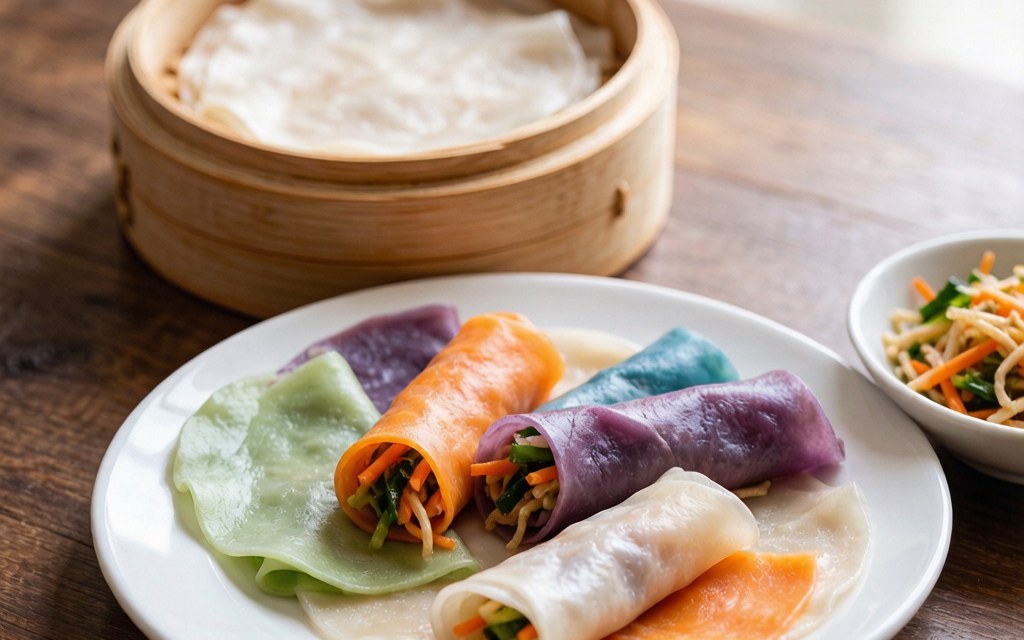
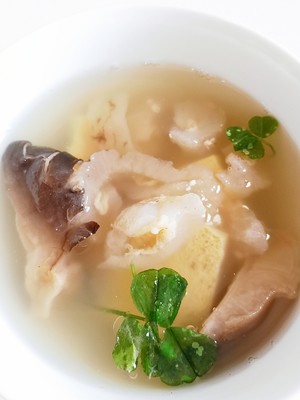 Roll and cook the next pair while the current one browns. To eat, fill warm wrappers with shredded scallions, sweet bean sauce and your stir-fries, roll up, and bite — every wrapper should bend without cracking.
Why this recipe works
Spring pancake wrappers fail for predictable reasons — too thick, too stiff, torn while rolling, stuck together forever. This method answers each one.
1. The half-and-half dough. Boiling water instantly gelatinizes the starch in half the flour, which makes dough tender, easy to roll thin, and quick-cooking. The other half stays a cool-water dough, whose ungelatinized gluten gives the wrapper its stretch and chew. Either dough alone makes a mediocre wrapper; together they produce the Beijing ideal — thin enough to see light through, soft enough to fold, strong enough to hold a loaded roll without splitting.
2. Oiled pairs. Instead of rolling each skin separately (fiddly, uneven, prone to drying), you brush one disc with oil, stack a second on top, and roll them as one. The oil guarantees the skins can be peeled apart later, the double thickness rolls faster and more evenly, and the trapped air is exactly what makes the wrapper balloon dramatically in the pan — the built-in doneness signal.
3. A dry, covered pan. No oil in the pan means no fried crust, just soft cooked dough with toasty freckles. Covering traps steam, which puffs the pair and keeps the surface from drying while the bottom sets. Under a minute per side, then straight under a damp towel: that stack-and-cover habit is why street vendors' wrappers stay pliable for hours.
About the dish
Thin wrappers for rolling are the signature of chunbing (spring pancakes), eaten across northern China at the start of spring — the custom of "biting the spring" wraps the season's fresh vegetables in a soft flour skin as a wish for the year ahead. The same wrappers carry everyday rolling dinners all year: whatever stir-fries the kitchen holds gets spooned into the center, rolled, and eaten by hand. English recipe sites file them under mandarin pancakes or Peking duck pancakes — close cousins, and the same stack serves both.
Every family guards a method, and this one is a Beijing mother's half-and-half rule, weighed out to the gram by her daughter so it would work for everyone: half the flour scalded, half cooled, a dough far softer than instinct says is safe, and pairs rolled with a light hand. The defining trait is texture — wrappers that stay bendable for hours, so a meal at the table never turns into a race against drying pancakes.
What to serve with it
Set the stack of warm wrappers in the middle of the table with two or three quick stir-fries, shredded scallions and a sauce, and let everyone roll their own — that is the whole pleasure of spring pancakes, a meal that builds itself. Classic fillings include shredded potato, bean sprouts and something heartier from the braised page. A light soup on the side — pick any of the soups — rounds out the meal the way a Beijing household would. Leftover wrappers stack well in a covered container in the fridge; re-steam them for two minutes and they are soft again.
Pro tips
- The half-and-half dough is the whole secret: boiling water gelatinizes the starch for tenderness, while cool-water gluten brings the chew that keeps wrappers from tearing when you roll them tight.
- This dough is dramatically softer than dumpling dough — sticky to the point of alarm. Dust generously, use the scraper, and trust it; the extra flour on the surface brushes right off.
- If a pair refuses to separate, the oil layer was too thin or uneven, or you pressed too hard while rolling. Push the rolling pin outward lightly instead of leaning on it.
- The big puff is your success signal: steam between the two layers is cooking the wrappers through. A pair that never balloons was rolled unevenly.
- Never leave cooked wrappers in the open air — ten minutes and they turn to cardboard. The damp-towel cover matters as much as anything you do at the stove.
- Leftover wrappers make superb stir-fried shredded pancakes: stack, roll them up, cut into strips, and toss into a hot wok with cabbage, pork and soy sauce.
Storage & leftovers
- Cool completely, then keep in a sealed bag in the refrigerator for up to 2 days — eat them by the next day at the latest, since they stiffen with time.
- Reheat by steaming 2–3 minutes, or wrap the stack in a damp towel and microwave 20–30 seconds until pliable again.
- Freeze with parchment paper between wrappers for up to 1 month; steam straight from frozen for 3–4 minutes.
- Never store them uncovered — a few dry minutes in open air is enough to crack the edges.
Frequently asked questions
Why half hot water and half cold water?
All hot-water dough is tender but tears easily and turns gummy; all cold-water dough is chewy but can roll out thick and tough. Blending them is the old Beijing trick for wrappers that come out thin, soft and strong all at once.
My wrappers came out thick and hard. What went wrong?
Three usual causes: the dough was not soft enough (let it stay sticky), the pairs were rolled thicker than about 2 mm, or the pan was too cool so the wrappers dried out instead of puffing.
Can I make the wrappers ahead?
Yes. Cool them completely, seal in a bag, and refrigerate up to 2 days, or freeze up to 1 month with parchment between each wrapper. Re-steam 2–3 minutes, or wrap the stack in a damp towel and microwave for 20 seconds — they come back soft.
Do I need a special pan?
No. Any nonstick or well-seasoned cast-iron skillet works; the key is a completely dry pan over medium heat. A crepe pan is convenient but nothing more.
What do I fill them with?
Anything that rolls: shredded potato stir-fry, sauce-simmered shredded pork, scallions with sweet bean sauce, or leftover braised meats. The wrapper is neutral, so pair savory fillings with something crunchy and a sauce.
Are these the same as Peking duck pancakes?
Close cousins. The classic Peking duck wrapper is usually all hot-water dough — thinner and silkier — while chunbing spring pancakes use the half-and-half dough, which adds a little chew for loaded rolling dinners. At home, one stack happily serves both jobs.