Sichuan · Stir-Fry Classics
Boiling Oil Fish (沸腾鱼)
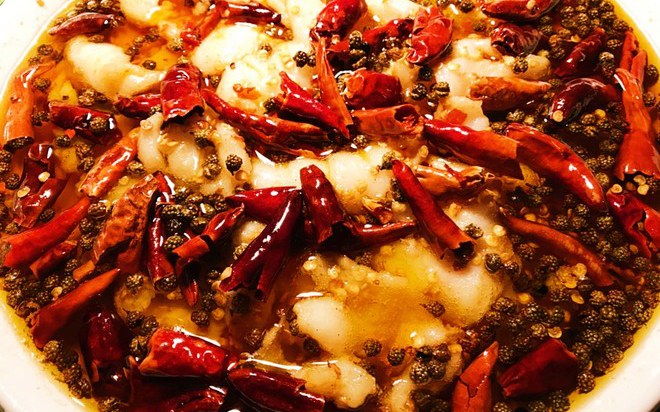
Sichuan boiling oil fish: silk-soft velveted fillets in a clear peppercorn-scented broth, finished with a ladle of smoking oil over green huajiao and chilies.
Instructions
-
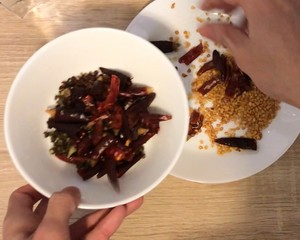
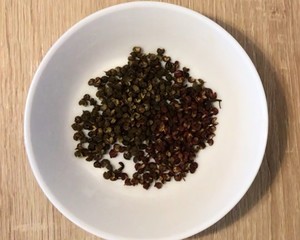 Prep the aromatics first: put the dried chilies and both peppercorns in a bowl, sprinkle with 1 Tbsp water, and toss with your hand until everything is barely damp. Wet aromatics bloom in hot oil instead of scorching black in two seconds.
-
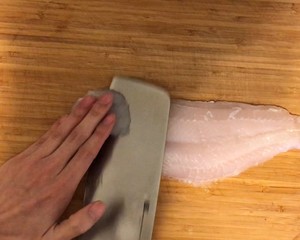
 Slice the fish: cut diagonally across the grain into 3 mm (⅛ inch) slices, skin on, angling the knife so each slice is as wide as possible. Rinse the slices briefly in cold water, then squeeze them firmly in your hands until almost dry — this tightens the flesh and helps the coating cling.
-
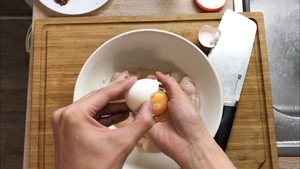
 Marinate: in a bowl, gently work the salt, white pepper and egg whites into the fish with your fingers for 1 minute, until the slices feel slick and cohesive. Add the cornstarch and mix until no dry powder remains. Rest 15 minutes in the fridge.
-
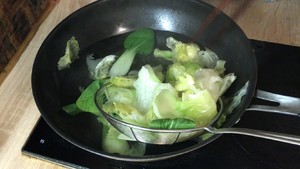
 Blanch the vegetables: bring a pot of water to a rolling boil with 1 Tbsp oil and a big pinch of salt, cook the vegetables 30–60 seconds until just tender-crisp, and drain. Spread them across the bottom of a large, deep serving bowl.
-
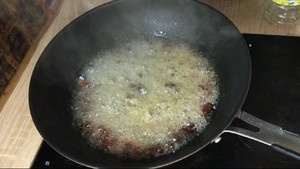
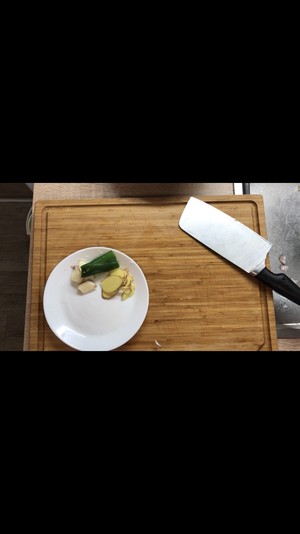 Build the broth: heat 2 Tbsp oil in a wok over medium heat until shimmering. Sizzle the scallion sections, ginger and garlic, stirring, until the edges turn pale gold — about 1 minute.
-
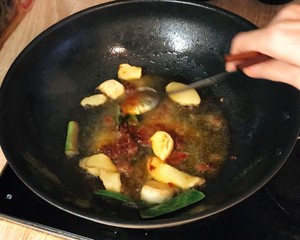
 Add the doubanjiang and turn the heat to medium-low, frying 30 seconds until the oil turns red and the paste smells nutty. Watch it closely; burnt doubanjiang goes bitter.
-
 Pour the Shaoxing wine and light soy sauce down the side of the wok, then add the stock. Raise the heat to high and bring to a rolling boil. Season with the salt, sugar, bouillon (if using) and the dark soy — the broth should taste slightly saltier than you want the finished dish, since the vegetables and fish will dilute it.
-
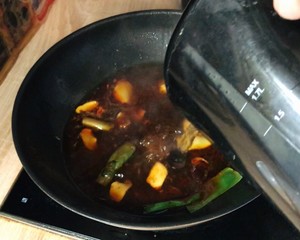 Cook the fish: turn the heat to low, wait for the boil to subside, then slide the fish slices in one at a time, spreading them out. Let them sit 10 seconds so the coating sets, then nudge them apart gently with the back of a ladle.
-
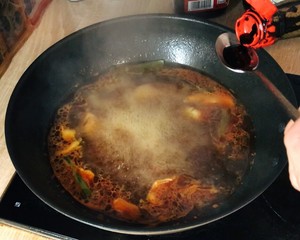 Keep the broth just below a simmer — small lazy bubbles, never a rolling boil — for 60–90 seconds, until the slices turn opaque at the edges but still faintly glossy at the center. They finish in their own heat. Skim out the ginger and scallion sections.
-
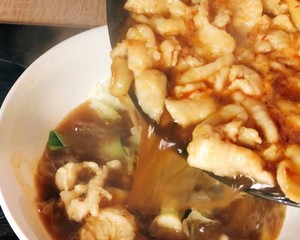
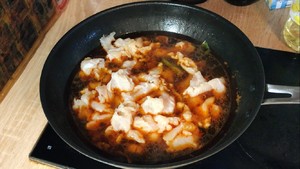 Pour the fish and broth gently over the blanched vegetables in the serving bowl, evening out the fish with your ladle.
-
 The finale: heat ¾ cup (180 ml) oil in a small, deep saucepan over medium-high heat until it shimmers and a wisp of smoke rises, about 230°C/450°F — test with a wooden chopstick: steady rapid bubbles should stream off the tip. Remove from the heat, dump in the dampened chilies and peppercorns, count two seconds, and immediately pour the whole sizzling mixture over the fish in a wide spiral.
-
 Serve at once, while the oil still crackles. Mix the top layer into the broth as you eat; the spice builds as the chilies and huajiao infuse.
Why this recipe works
Feiteng yu is restaurant theater, but every flourish maps to a real technique that home cooks can copy.
1. Velveting with egg white and starch. The two-step marinade — egg whites first to seal in moisture, then cornstarch to armor each slice — lets paper-thin fish poach in broth without seizing or shredding. Squeezing the slices dry first is what makes the coating bond; skip it and the velvet washes off into the soup. This two-step wash is also why almost any firm white fillet — basa, tilapia, cod, or sea bass — ranks among the best fish for sichuan boiled fish style poaching.
2. Sub-simmer poaching. Fish protein tightens fast. Keeping the broth at small, lazy bubbles (well under a boil) cooks 3 mm slices to just-done in about a minute, and the carryover heat in the bowl finishes them. This is why restaurant fish slices feel like silk while home versions often feel chalky.
3. The two-second oil pour. Green Sichuan peppercorns carry a citrusy perfume that blooms instantly in 230°C oil and degrades almost as fast. Damping the chilies first buys a second of safety, and pouring — not steeping — means the aromatics toast in transit and land crackling on the fish, scenting the whole table.
About the dish
Boiling oil fish (féiténgyú, "fish at a rolling boil") is the younger, flashier cousin of classic shuizhu fish. It grew out of Chongqing and Sichuan restaurant kitchens in the 1990s and 2000s, when chefs began leaning on green Sichuan peppercorns — brighter and more citrusy than the red — and serving the dish with a dramatic final pour of smoking oil done at or near the table.
This version is the popular light-broth style: only a whisper of doubanjiang for depth, the oil layer left clear gold, and the numbing-floral huājiāo in charge. In Sichuan the argument about the right fish never ends — grass carp is traditional, sea bass is the modern favorite — but everyone agrees the slices must be thin enough to curl in the bowl.
What to serve with it
Plain steamed rice is the required partner — the peppercorn-scented oil demands something plain and starchy to land on. A cold, crunchy plate from the cold-dishes page cools the burn between bites, and a simple stir-fried green from the stir-fry page keeps the table honest. Hot jasmine tea beats cold beer here, though nobody will stop you. Save the leftover infused oil — spooned over noodles the next day, it is arguably better than the fish itself.
Pro tips
- Squeezing the fish bone-dry in step 2 is not fussing — wet fillets thin out the egg-white marinade and the velvet coating slides off in the broth.
- Two seconds is a real count. Green Sichuan peppercorns and damp chilies dumped into 230°C oil perfume it completely in two seconds and turn acrid in five. Have the serving bowl in position before the oil is hot.
- This is the modern 'feiteng' (boiling) style, not the classic red-oil shuizhu: a small amount of doubanjiang for depth, then an overload of green peppercorns for fragrance, so the broth stays light gold instead of lacquer red.
- No fish-slicing confidence? Partially freeze the fillet 20 minutes — firms it up, and even a nervous knife makes clean 3 mm slices.
- The broth should never boil once the fish is in. Boiling at full tilt knocks the starch coating off and you end up with shreds instead of slices.
- Green and red peppercorns: green is the citrusy, mouth-numbing star; red adds a piney undertone. All green is fine — that is the trendy Chongqing style.
Storage & leftovers
- Refrigerate leftovers in a sealed container up to 2 days; pick the fish out of the chili oil layer before storing if you plan to reheat.
- Reheat gently in a saucepan over low heat just until the fish is warmed through — boiling toughens it. Do not re-pour fresh hot oil on leftovers.
- Freezing is not recommended: the velveted coating goes watery and the fish turns mealy when thawed.
- Leftover infused chili oil is gold — spoon it over noodles or dumplings within 3 days.
Frequently asked questions
How spicy is boiling oil fish?
Genuinely hot, with a strong numbing tingle — this is a Sichuan showpiece. For medium heat, halve the chilies and green peppercorns; the dish still works because much of the aroma comes through the oil, not the raw heat. Do not eat the chilies themselves unless you know what you are doing.
What is the difference between this and shuizhu (water-boiled) fish?
They share a family tree. Shuizhu builds a heavy doubanjiang-red broth and tops the fish with fried aromatics; feiteng yu uses a light, clear-tasting broth and finishes with raw aromatics hit by smoking oil at the table. This recipe is the feiteng version — clearer, greener, more floral.
Can I use frozen fillets?
Yes — thaw fully, pat dry, and squeeze extra hard in step 2, since frozen fish releases more water. Firm-fleshed fillets (bass, cod, pollock) hold their shape; delicate ones like sole flake apart.
My fish fell apart in the broth. Why?
One of three things: the broth was boiling hard, the slices were cut thicker than 5 mm, or the fish skipped its 15-minute rest after marinating. All three protect the coating that holds the slice together.
Can I skip pouring the hot oil at the end?
You can, but that oil shock is the dish's name and half its flavor — it flash-fries the peppercorns and chilies into the top layer of fish. A compromise: heat 3 Tbsp oil until smoking and pour just that, accepting a less dramatic result.
Can anything be made ahead?
Slice and marinate the fish up to 4 hours ahead (refrigerated), blanch the vegetables 1 hour ahead, and measure everything. The final assembly takes 6 minutes and waits for no one.
What is the best fish for boiling oil fish?
Any firm, lean white fillet holds up to thin slicing and gentle poaching — basa, tilapia, cod, flounder, or sea bass all work. Avoid oily or fragile fish like salmon or trout, which turn mushy in the broth.
How hot should the oil be for the final pour?
About 230°C, just at the smoking point. Cooler oil will not bloom the green peppercorns; hotter scorches them. Pour in one smooth pass, away from your face, and serve immediately while it crackles.