Shanghai home style · Dumplings & Dim Sum
Cold Shepherd's Purse and Pork Wontons (荠菜鲜肉冷馄饨)
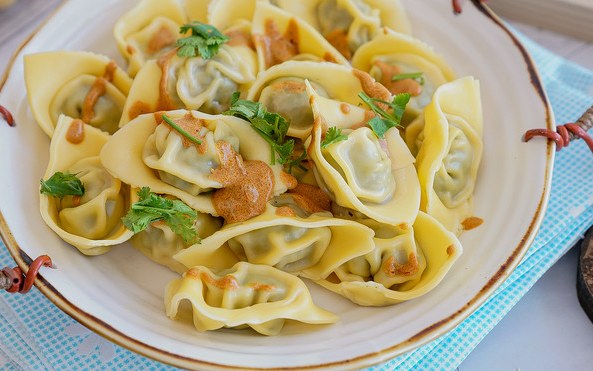
Shanghai-style cold wontons: plump pork and shepherd's purse filling in chewy wrappers, chilled after boiling and tossed in a nutty sesame sauce with chili oil.
Instructions
-
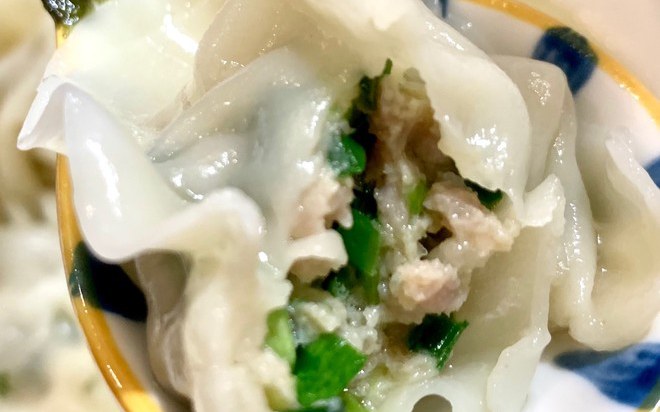
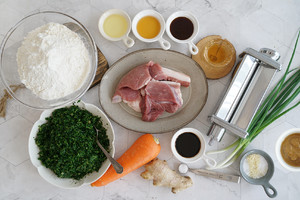 Prep the shepherd's purse: if using frozen, thaw it and squeeze it in a clean towel until it stops dripping — press hard, because wet greens will water down the filling. If using fresh, blanch it for 30 seconds in boiling water, shock in cold water, then squeeze dry. You should end up with a tightly packed ½ cup (75 g).
-
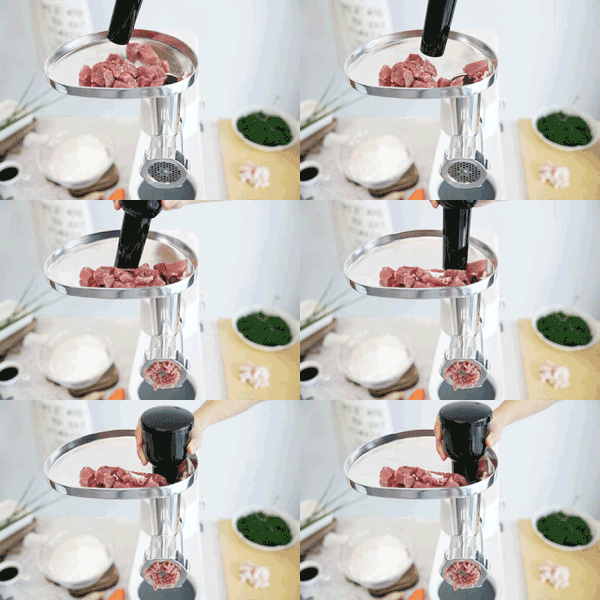 Grate the ginger, slice the scallions, and set the filling seasonings next to the pork so everything is ready to mix.
-
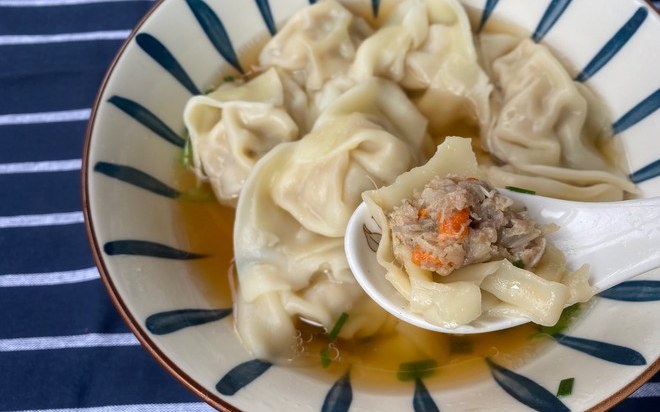
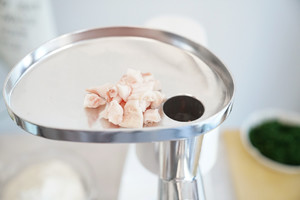 In a large bowl, combine the pork, salt, white pepper, five-spice powder, sugar, chicken bouillon powder, ginger and scallions. Stir vigorously in one direction for 2-3 minutes, until the meat turns sticky, pale and cohesive — this is what makes the filling springy instead of crumbly.
-
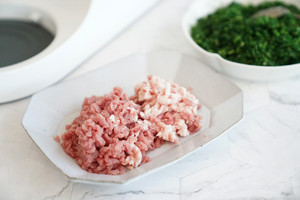 Add the light soy sauce, oyster sauce, Shaoxing wine, sesame oil and neutral oil. Stir again in the same direction until the mixture looks uniform and slightly glossy, about 1 minute.
-
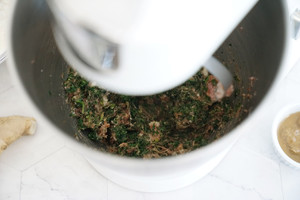
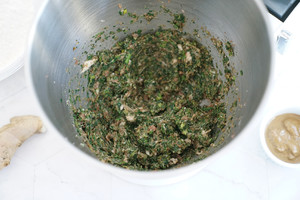
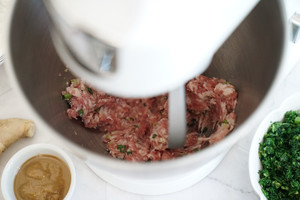 Add the squeezed shepherd's purse and fold it through with a few strokes — just until the green is evenly distributed. Overmixing from here on can bruise the greens.
-
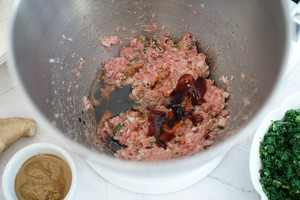 Cover the bowl and refrigerate the filling while you make the dough, at least 30 minutes (up to overnight — it only improves).
-
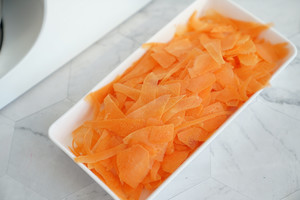
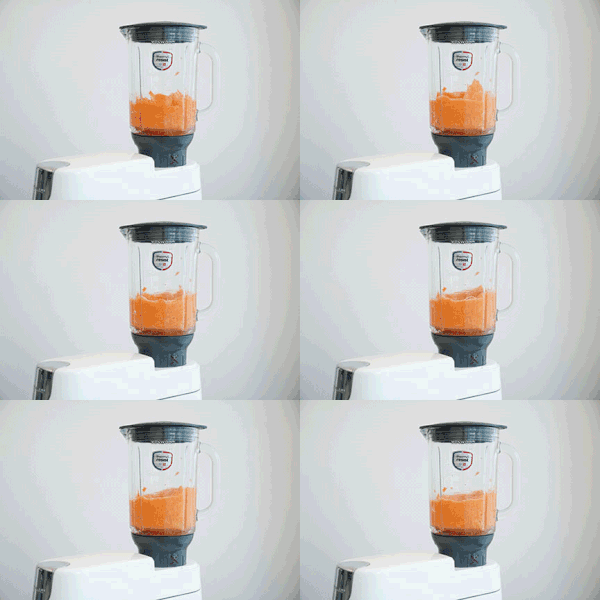
 Make the carrot juice: peel 1 medium carrot (6 oz / 170 g), chop it, and blend with just 3-4 Tbsp of water until smooth. Press through a fine sieve, pressing on the pulp, and measure out ½ cup (130 ml); top up with water if you fall short.
-
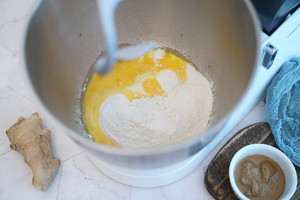
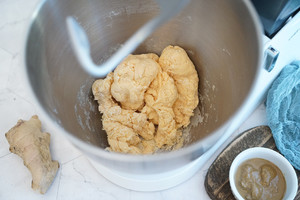
 Make the dough: stir together the flour, salt, beaten egg and carrot juice until no dry flour remains — it will be a stiff, low-hydration dough. Knead for 5 minutes, cover, rest 10 minutes, then knead 2-3 more minutes until smooth. Divide into 3 pieces and keep them covered.
-
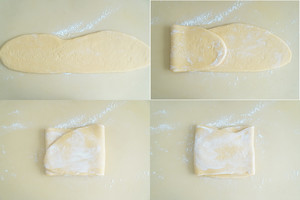
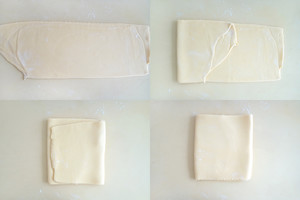
 Roll the wrappers: on a board dusted generously with cornstarch, roll one piece from the center outward, rotating a quarter turn between passes and dusting both sides whenever it threatens to stick, until the sheet is about 1 mm thin and you can see your fingers through it. (A pasta machine is faster: start at the widest setting and work up to setting 5 or 6, folding the sheet in half between the first two passes.)
-
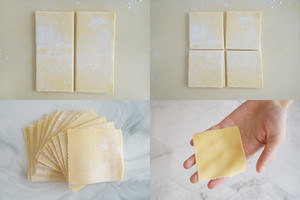
 Dust the finished sheet with cornstarch, trim the ragged edges, and cut it into 3-inch (7.5 cm) squares. Stack the squares with a dusting of cornstarch between layers and keep them covered with plastic wrap.
-
 To wrap, brush water along three edges of a square (leave the edge nearest you dry) and spoon 1 Tbsp (12 g) of filling just below the center of the wrapper.
-
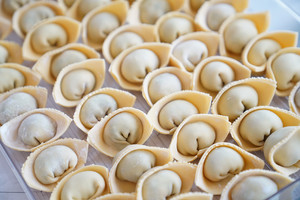
 Fold the far edge over the filling to meet the near edge and press the seam firmly closed, squeezing out any air pockets. Fold the filled packet over once more toward you, then curl the two pointed side corners around until they meet, and pinch them tightly together — a plump, crossed parcel.
-
 Set the finished wontons on a cornstarch-dusted tray without touching, covering each batch with plastic while you wrap the rest.
-
 Boil: bring 4 quarts (4 L) of water to a rolling boil. Drop in the wontons in batches, stirring right away so they don't stick. When they float, add ⅓ cup (80 ml) cold water; when the water returns to a boil, add cold water twice more, once at each return to a boil — three additions in all. They are done when they float, look puffed and glossy, and the filling feels firm through the wrapper.
-
 Lift the wontons out with a slotted spoon, spread them in a single layer on a plate, and refrigerate for 20 minutes until completely cool — this firms the wrappers and is what makes them "cold wontons".
-
 Make the sesame sauce while they chill: whisk the sesame paste with the light soy sauce, vinegar, chili oil and cool boiled water, adding the water gradually until the sauce pours slowly off the spoon like warm honey.
-
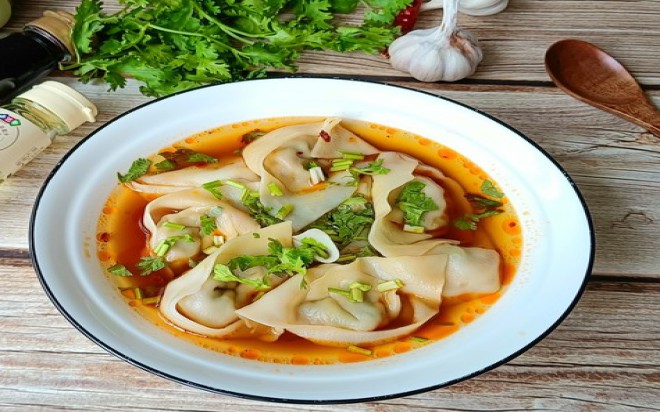
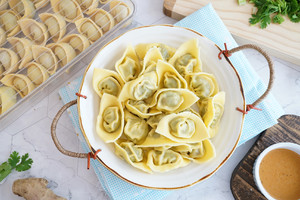 Pile the chilled wontons in serving bowls, spoon the sesame sauce over generously, and finish with chopped cilantro and toasted sesame seeds.
Why this recipe works
Cold wontons stand or fall on two textures: the filling must be springy, and the wrapper must stay chewy after chilling. Both come from technique rather than ingredients. Stirring the pork in one direction — always the same way, never back and forth — aligns the salt-soluble proteins into long strands, exactly the way sausage makers build a springy emulsion. Add the liquid seasonings only after that structure forms, and the filling holds together in one juicy piece instead of scattering.
The wrapper dough is stiff on purpose. With less water than pasta dough, it rolls out strong and thin, and after 20 minutes in the fridge the starches firm up into the dense, bouncy bite that defines cold wontons — closer to fresh udon than to a soft boiled dumpling.
The sauce is the third technique. Sesame paste is thick and slightly bitter straight from the jar; whisking in the soy, vinegar and water gradually — not all at once — keeps it from splitting into greasy clumps, until it pours like warm honey and clings to every fold. That dense, bouncy bite is what makes ji cai wontons a cold-dish classic rather than last night's reheated dumplings.
About the dish
Big wontons stuffed with shepherd's purse and pork are one of the signature flavors of Shanghai and the wider Jiangnan region. Shepherd's purse (ji cai) is a peppery wild green that marks the beginning of spring there; city markets sell it frozen and chopped year-round precisely so this filling never has to wait for the season.
Serving the boiled wontons cold, dressed rather than souped, is a household summer habit: chilled wrappers turn firm and chewy, and a nutty sesame sauce with a whisper of chili replaces the broth. The carrot-tinted dough here is the source recipe's flourish — home cooks all over China color fresh wrapper dough with vegetable juices, and the faint sweetness suits the green, grassy filling.
What to serve with it
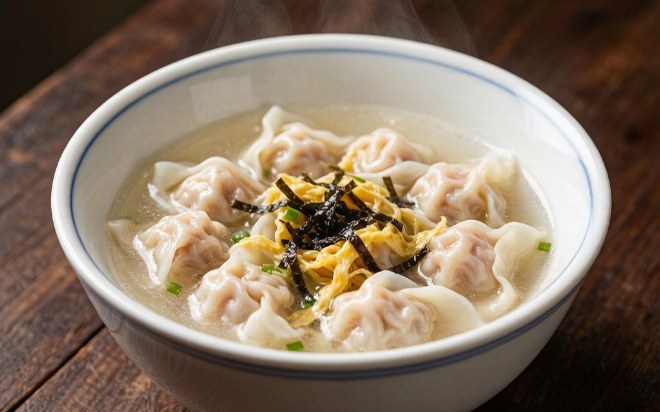
Cold wontons are summer food: pair them with an icy cucumber salad and little else. If you would rather eat them hot, skip the chilling step and float them in light chicken broth instead — the same filling works beautifully as soup wontons. Either way, extra sesame sauce at the table is not optional in our house. Dress only what you will eat — chilled dressed wrappers weep — and keep the undressed leftovers covered in the fridge for tomorrow, re-tossed with fresh sauce. No shepherd's purse at any market? The spinach-and-arugula substitute below keeps the peppery green note — see the first FAQ.
Pro tips
- Squeezing the shepherd's purse bone-dry is the difference between a filling that holds together and a wrapper that slides off — twist it in the towel until your hands ache.
- Carrot juice is the source recipe's signature tint and adds a faint sweetness; plain cold water works identically if you want one less step.
- The dough is stiff by design: low water means chewy wrappers that survive chilling and saucing. If it fights you, rest it 10 minutes and it will surrender.
- The three cold-water additions keep the boil from tearing the wrappers and give the filling time to cook through at a steady temperature.
- Cold wontons tighten as they chill; take them out of the fridge 5 minutes before saucing if you want a softer bite.
- A pasta machine turns the wrapper step from 40 minutes into 10 — it is the one gadget worth pulling out for this recipe.
Storage & leftovers
- Refrigerate leftover sauced wontons in a sealed container for up to 2 days; they lose some chew but are still good eaten cold, straight from the fridge.
- Keep raw wontons by tray-freezing until solid, then bagging, up to 2 months. Do not thaw before boiling — frozen-to-pot keeps the wrappers intact.
- The sesame sauce keeps in a jar in the fridge for 1 week; loosen it with 1-2 tsp of water after chilling.
Frequently asked questions
What is shepherd's purse, and what can I substitute?
It is a peppery wild green (ji cai) sold frozen and chopped in Chinese and Korean markets. Can't find it? Use chopped spinach squeezed dry, plus 1 Tbsp finely chopped arugula or watercress to bring back the peppery note.
Can I use store-bought wrappers?
Yes — buy square "Shanghai style" or "big wonton" wrappers about 3 inches (7.5 cm) wide, roughly 40 of them, and start at the wrapping step. The homemade carrot dough is for when you want the full project.
Why are these served cold?
Chilling firms the wrappers into a chewy, noodle-like bite and lets the sesame sauce cling instead of sliding off — it is a classic Shanghai way to eat big wontons in summer.
How spicy is the sauce?
Barely — 1 Tbsp chili oil is a gentle warmth. Work up to 3 Tbsp, or skip it entirely; the sesame base carries the dish either way.
Can I make these ahead?
The filling keeps 1 day refrigerated, and wrapped raw wontons freeze solid on a tray and then bag for up to 2 months. Boil straight from frozen, adding 1 minute, then chill as directed.
My dough keeps cracking when I roll it. Why?
It is either too dry or under-rested. Knead in water 1 tsp at a time until it just comes together, and always rest it 10 minutes before rolling.
How do I keep cold wontons from sticking together?
Dust the raw squares with cornstarch and chill the cooked wontons in a single layer without touching, then sauce them at the table. Dressed wontons cling and weep as they sit — leftovers stay undressed, covered in the fridge, and get re-tossed with fresh sauce.