Chinese home style · Street Food & Snacks
Longan Tea Eggs (养心茶叶蛋)
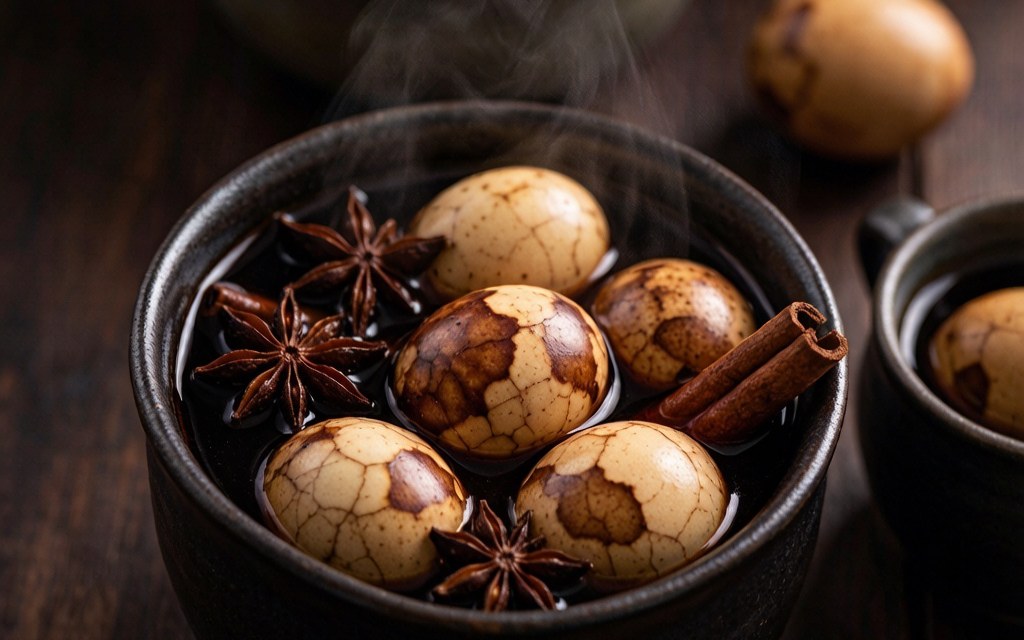
A gentler take on tea eggs: eggs simmered low with green tea, star anise and sweet dried longan, then soaked until the flavor sinks all the way through.
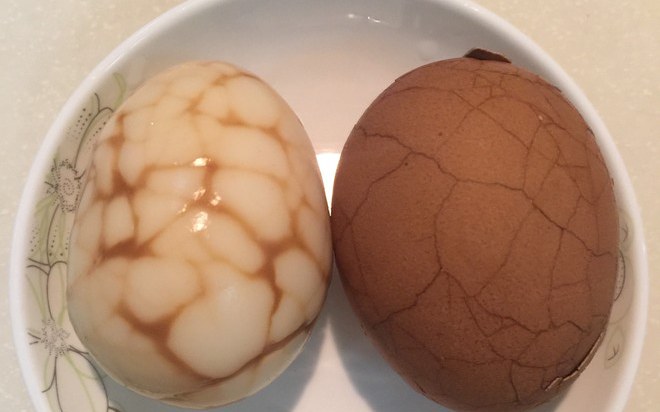
Instructions
-
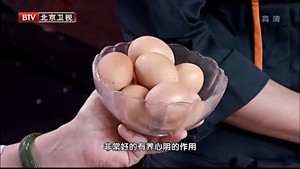
 Part-cook the eggs: place them in a pot, cover with cold water, and bring to a boil. Boil for 5 minutes so the whites are just set while the yolks stay faintly jammy — about seven-tenths cooked. Lift the eggs out and set them aside; keep the pot off for now.
-
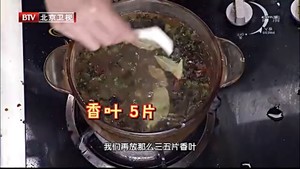
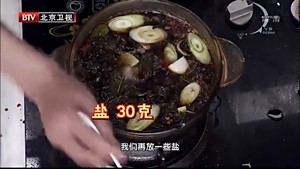
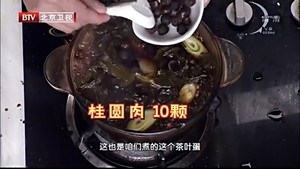
 Build the braise: in a clay pot or saucepan, combine the 6 cups water, star anise, green tea, bay leaves, Sichuan peppercorns, longans, lophatherum leaves (if using), scallions, ginger, dark soy sauce and salt. Bring to a boil over high heat.
-
 Lower the eggs into the boiling brine and let them simmer gently over low heat for 4–5 minutes — a slow, small-bubble simmer, the step Chinese recipes call "nurturing" the eggs rather than boiling them.
-
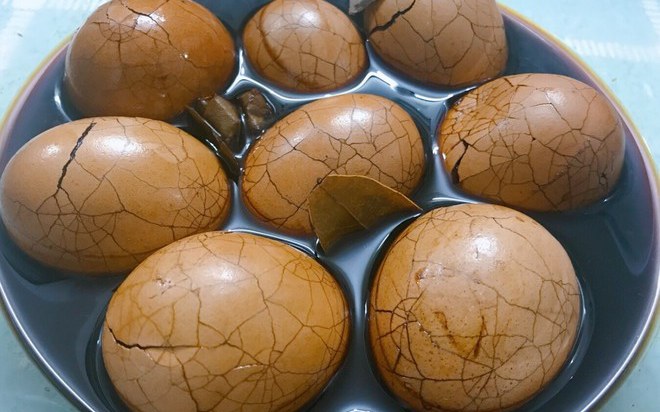
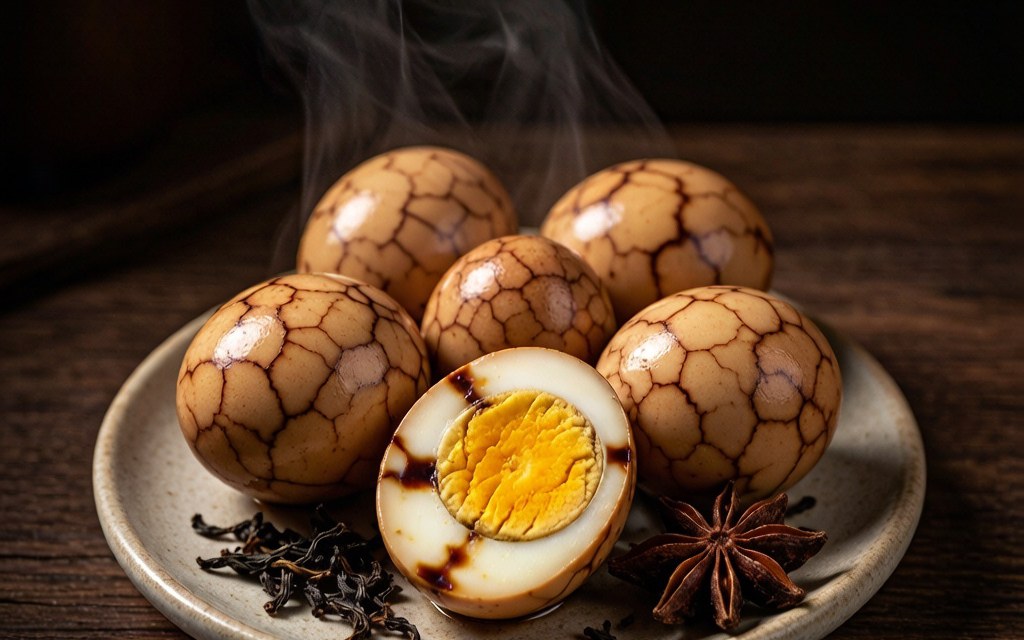
 Lift the eggs out one at a time and crack the shells all over with the back of a spoon — firm, even taps, rotating the egg as you go, until each one is crazed like a spiderweb. The shells crack cleanly at this stage because the whites are already set.
-
 Return the cracked eggs to the pot, keep the heat on low, and let them simmer in the brine for another 15 minutes so the tea-and-longan liquid seeps into every crack.
-
 Turn off the heat and leave the eggs in the liquid to soak for 1–2 hours — 1 hour gives a gently seasoned egg, closer to 2 hours a saltier, darker one. Peel and serve warm or at room temperature.
Why this recipe works
Every tea egg recipe shares the same skeleton — cook, crack, soak — but the details decide whether you get a rubbery, barely seasoned egg or a tender one with flavor all the way through. This version makes three deliberate choices.
1. Crack after cooking, not before. The eggs are simmered first until the whites are set, and only then cracked with the back of a spoon. Set whites support the shell from inside, so it fractures into fine, even crazing instead of smashing patches — and no brine floods into a dented white.
2. Low, long, gentle heat. The Chinese instruction here is 养 — literally to "nurture" — meaning a lazy, small-bubble simmer rather than a rolling boil. Gentle heat keeps the proteins from tightening, and tender whites drink the marinade far faster than tight ones.
3. Sweetness from fruit, not sugar. Ten dried longans simmer in the braise and lend a round, faintly floral sweetness that pairs with the green tea. There is no sugar to measure and no cloying edge — the flavor seeps in gradually during the soak. Because the sweetness comes from fruit, these read as sweet tea eggs rather than salty street ones — the gentle style children prefer.
About the dish
Tea eggs (茶叶蛋) are one of China's oldest street snacks, sold from morning stalls in every region. This variant comes from a home kitchen that treats eggs as comfort food: longan (桂圆) is a staple of traditional Chinese food therapy, where it is considered warming and associated with nourishing the heart — hence the name 养心茶叶蛋, "heart-nurturing tea eggs." The same tradition holds that lophatherum, a mild dried grass, balances the longan's warmth; treat that framing as folklore rather than medicine, but the combination does taste lovely — sweet, savory, and gently spiced with only a whisper of Sichuan pepper.
Method-wise, the family habit of soaking the eggs just 1–2 hours instead of overnight is deliberate: you get a lightly seasoned egg suitable for children and anyone who finds classic tea eggs too salty.
What to serve with it
These are a breakfast and snack egg: eat them warm from the brine with plain congee, tuck one alongside toast, or pack them whole for lunchboxes. For a fuller spread, pair them with other easy street-food classics or a simple steamed rice breakfast.
The brine itself keeps a week refrigerated and can be reused once — boil it hard, add a fresh splash of soy, and simmer a second batch of eggs for a lighter version. That second batch is longan tea eggs at their mildest — ideal for kids' lunchboxes. Chrysanthemum or barley tea suits the gentle sweetness.
Pro tips
- Cracking the shells after the first simmer, not before, is this recipe's quiet advantage: set whites hold the egg together, so the shell fractures in fine lace lines instead of gouging the white.
- Dried longan is the signature — it sweetens the braise from within, so there is no sugar in the recipe at all. Look for it in Asian grocery stores sold as dried longan fruit in shell or as longan pulp.
- Lophatherum (a dried grass used in Chinese herbal teas) balances the warming longan in traditional food therapy. It is genuinely optional: skip it if you cannot find it and the recipe still works.
- Taste the brine before the eggs go in for their long soak: it should taste distinctly too salty on its own, because the shell is a barrier the salt has to cross.
- The eggs hold best in their liquid. If you plan to eat them over several days, store them submerged in the brine and lift them out only when serving.
Storage & leftovers
- Refrigerate the eggs submerged in their brine for up to 4 days; the color and flavor keep deepening.
- To serve warm, reheat the eggs gently in the brine over low heat for 3–4 minutes — do not boil them hard again.
- Freezing is not recommended: the whites go rubbery and weep water when thawed.
Frequently asked questions
How spicy are these tea eggs?
Not spicy at all — there are no chilies. The Sichuan peppercorns contribute a faint citrusy fragrance rather than heat, and you can omit them entirely for a completely neutral spice profile.
I can't find dried longan. What can I use?
Dried jujube dates (5, halved) give a similar mellow sweetness, or add 2 tsp sugar to the braise and skip the fruit. Plain raisins do not hold up to simmering.
Can I use black tea instead of green?
Yes — the braise works with black tea, but the flavor rounds out darker and more classic. Green tea with longan is what makes this version taste lighter and faintly floral.
Why cook the eggs to only seven-tenths first?
Short, staged cooking keeps the whites tender. Whites cooked hard turn rubbery, and a rubbery white absorbs marinade slowly — the two-step simmer plus soak seasons them evenly without that bouncy texture.
Can I make these ahead?
They are a make-ahead food by nature: soak them overnight and they are even better the next day, keeping up to 4 days refrigerated in the brine.
Can I reuse the tea egg brine?
Yes, once. Boil it hard, add a fresh splash of soy sauce, and simmer a second batch of eggs for a lighter, gentler version. The brine itself keeps up to a week refrigerated.
How long should I soak the eggs?
This version soaks just 1-2 hours on purpose, for a lightly seasoned egg that suits children and anyone who finds classic tea eggs salty. Leave them overnight in the brine and they turn darker, saltier and more classic — both are correct, it is a dial rather than a rule.