Japanese street food · Street Food & Snacks
Vegan Yakisoba Pan (日式炒面面包)
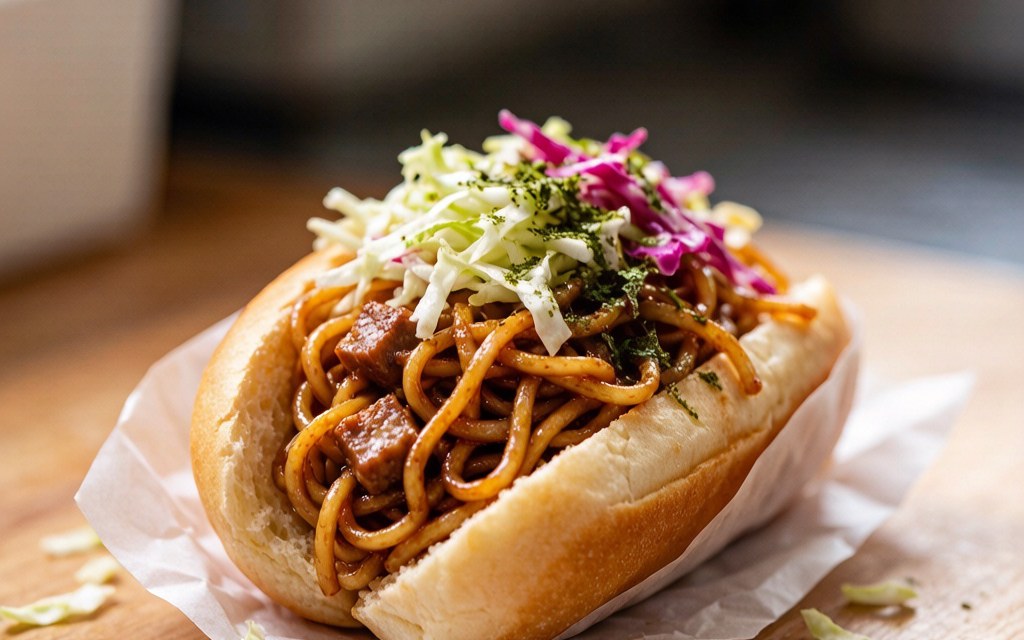
Yakisoba pan (日式炒面面包): Japan's beloved noodle sandwich — saucy stir-fried noodles in a soft bun with pickles and seaweed. Fully vegan, ready in 30 minutes.
Instructions
-
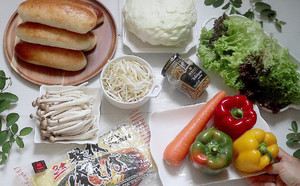 Prep first, because the stir-fry moves fast: shred the cabbage, bell peppers and carrot, trim and separate the mushrooms, and tear the lettuce. If you are using dried yakisoba or chow mein noodles, boil them 1 minute less than the package directs and drain; instant ramen can go straight into the pan later.
-
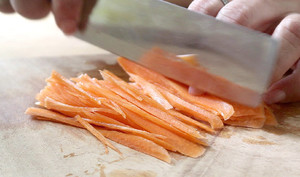 Heat the oil in a large skillet or wok over high heat until it shimmers. Add the bell pepper shreds and stir-fry about 1 minute, until they smell fragrant and glisten but still hold their crunch.
-
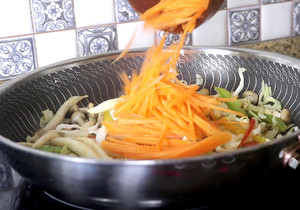 Add the cabbage and the mushrooms and stir-fry 2 minutes, until the cabbage wilts to about half its volume and the mushrooms soften and squeak.
-
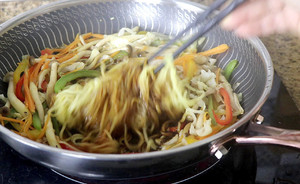 Add the carrot shreds and toss for another minute — it should bend without browning.
-
 Add the noodles, okonomiyaki sauce, mirin and the 3 Tbsp water. For unboiled instant noodles, add an extra 3 Tbsp water. Toss to loosen the noodles, then cover, lower the heat to medium, and steam 3 minutes — this is what makes the noodles springy and deeply flavored instead of dry.
-
 Uncover, toss until every strand is glossy and loose, then add the bean sprouts and stir-fry 1 minute more. If the edges start to catch, drop the heat to low — the sauce is sugary and scorches fast.
-
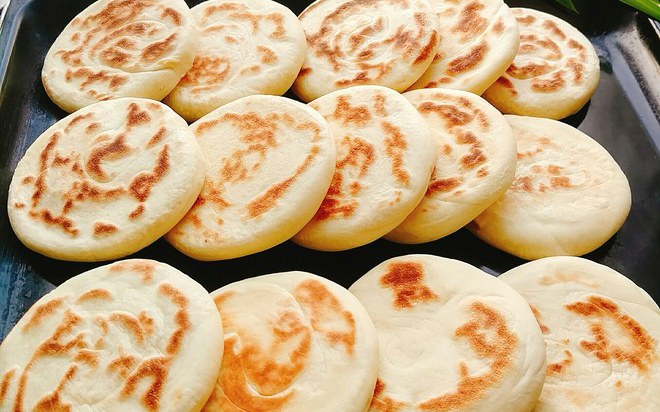
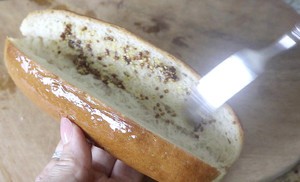
 Split each bun most of the way through with a serrated knife, spread the inside with mustard, and line with torn lettuce.
-
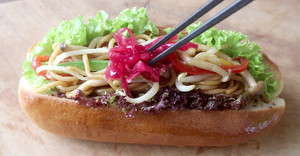
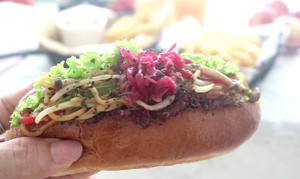
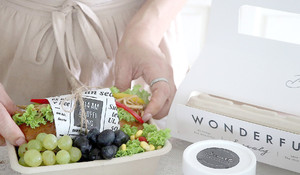 Press a generous forkful of noodles into each bun — about a sixth of the pan — then top with a few strands of pickled red cabbage (or beni shoga) and finish with a dusting of aonori. Eat while the noodles are hot and the bun is still soft.
Why this recipe works
The yakisoba pan is proof that street food classics are engineering solutions in disguise. Three details make it work.
1. Steam after sauce. The unusual move is adding the noodles with the sauce and a splash of water, then covering for 3 minutes. The steam rehydrates the noodles while the sugary sauce reduces and penetrates — the same principle as finishing pasta in its sauce. Uncovered from the start, the sauce burns before the noodles soften.
2. Texture layering. Every element is chosen against the soft bun: snappy peppers, squeaky mushrooms, raw-tender bean sprouts, crisp lettuce, sharp pickles. Without that contrast, noodles-in-bread is just heavy; with it, each bite stays lively.
3. Sweet, salty, sour, aromatic. Okonomiyaki sauce brings the sweet-salty fruitiness, mirin rounds it, the pickles add acid, and aonori supplies the briny seaweed smell that hits you before the first bite. Remove any one and the sandwich tastes unfinished — that is why the garnishes are not optional. Need a yakisoba sauce substitute? The FAQ's ketchup–Worcestershire–soy blend lands close, and tonkatsu sauce is the nearest ready-made swap.
About the dish
Yakisoba pan (焼きそばパン) is a staple of Japanese bakeries, convenience stores and school festivals — the story goes that a small shop invented it in the 1950s as a way to sell more bread and more noodles at once. It belongs to Japan's "okazu-pan" family: buns stuffed with something savory, closer to a sandwich than to pastry.
This vegan version keeps the classic architecture — sauce-glossy noodles, cabbage, pickles, seaweed — while swapping the usual pork for mushrooms and using plant-based sauce and buns. Even committed omnivores tend to ask for seconds; the dish never depended on meat for its charm.
Bakeries each guard their own take — some butter the bun, some add a fried egg or a sheet of cheese — and okonomiyaki sauce versus a Worcestershire-style brown sauce is a genuine regional debate. The noodle itself is chukamen, the Chinese-style wheat noodle Japan adopted and made its own, which is why this "Japanese" sandwich tastes faintly like a Chinese wok dish wearing bread.
What to serve with it
One pan per person is a meal, so sides are optional: fries and a corn salad are the classic convenience-store pairing, and a cold bottle of barley tea finishes the picture. If you are building a street-food table, add something with a crunch — a cucumber salad — and a round of skewers or pan-fried snacks for the grill-minded. Children love assembling their own: set out the pickles, sauce and seaweed and let them build. The sandwich is best within the hour — the noodles soften the bun as it sits, which some call day-two charm and most call sogginess.
Pro tips
- Quick-pickled red cabbage takes 5 minutes: massage 2 cups (100 g) shredded red cabbage with 1 tsp salt, drain after 30 minutes, then stir in ¼ cup (60 ml) apple cider vinegar and ¼ cup (50 g) sugar. It keeps a week and perks up any rich noodle dish.
- Do not skip the 3-minute covered steam. Yakisoba pan noodles should be glossy and chewy, not dry and squeaky — the steam rehydrates them while the sauce soaks in.
- The sauce burns easily because okonomiyaki and teriyaki sauces are sugar-heavy. Keep a splash of water nearby and add it the moment the pan hisses dry.
- Toast the split buns face-down in the empty pan for 1 minute before filling — a warm, slightly crisp crumb stops the noodles from sogging the bread.
- Check labels: standard okonomiyaki sauce, mirin-style seasoning and hot dog buns often contain honey, egg or bonito. Vegan versions of all three are easy to find.
- For a bento version, wrap each finished pan tightly in parchment — they hold together surprisingly well at room temperature for a few hours.
Storage & leftovers
- Store leftover stir-fried noodles separately from the buns, refrigerated up to 2 days.
- Reheat noodles in a skillet over medium heat with 1 Tbsp water for 2 minutes; a few seconds in the toaster freshens a plain bun.
- The quick-pickled cabbage keeps in a jar in the fridge for up to a week and gets better as it sits.
- Do not freeze — the noodles and fresh vegetables turn watery when thawed.
Frequently asked questions
What exactly is a yakisoba pan?
Literally "fried-noodle bread" — a soft bread roll stuffed with seasoned yakisoba noodles. It has been a fixture of Japanese bakeries and convenience stores since the 1950s, when a shop supposedly started selling noodles inside bread as a grab-and-go lunch. Two starches, one snack: gloriously excessive.
Is this actually filling?
Extremely. Noodles plus bread is a double-starch meal — that is the joke and the appeal. One bun with a side of fruit makes a complete lunch.
Can I use spaghetti like they do in Japan?
Yes — Japanese home cooks substitute spaghetti for yakisoba noodles all the time. Boil it to just short of al dente, then follow the recipe; break it into shorter pieces after cooking so it stuffs neatly.
How do I make this gluten-free?
Use rice stir-fry noodles or 100% buckwheat soba, gluten-free buns, and a certified GF tamari-based okonomiyaki sauce. Everything else is naturally gluten-free.
Can I make the noodles ahead?
The stir-fry keeps 2 days refrigerated and reheats well in a skillet with a splash of water — but assemble the buns fresh. A filled pan goes soggy within the hour.
What if I cannot find okonomiyaki sauce?
Stir together 3 Tbsp (45 ml) Worcestershire-style sauce (vegan if needed), 1 Tbsp (15 ml) ketchup, 2 tsp (10 ml) soy sauce and 1 tsp (5 g) sugar. It lands remarkably close; tonkatsu sauce is the nearest ready-made swap.
Is yakisoba pan eaten hot or cold?
Hot, ideally — the noodles are saucy and the bun soft at first bite. Room temperature within a few hours is the bento standard; refrigerated ones are best reheated in a skillet, not the microwave.
How healthy is a yakisoba pan?
It is a fun treat, not a health food — double starch at about 420 kcal per bun in this version. The plant-based stir-fry skips the pork and mayonnaise of the shop standard, and extra cabbage lightens it further.