Sichuan · Stir-Fry Classics
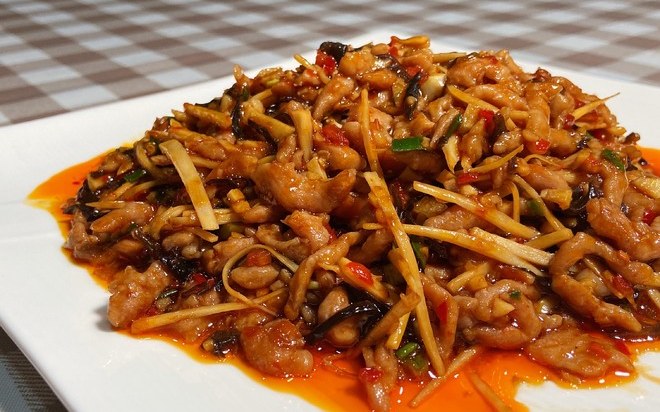
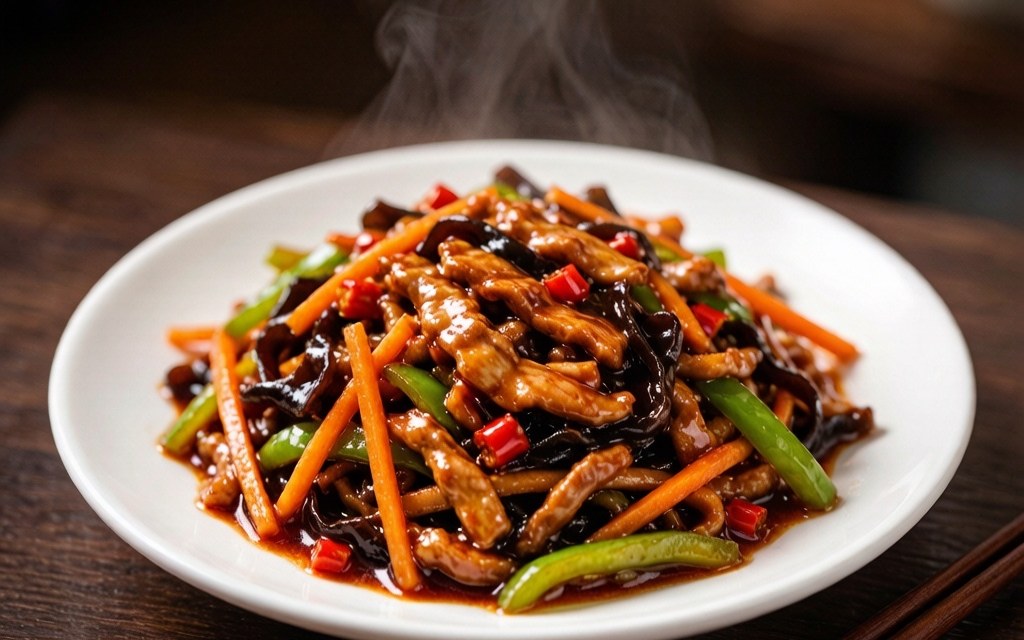
Saucy Yu Xiang Shredded Pork (鱼香肉丝)
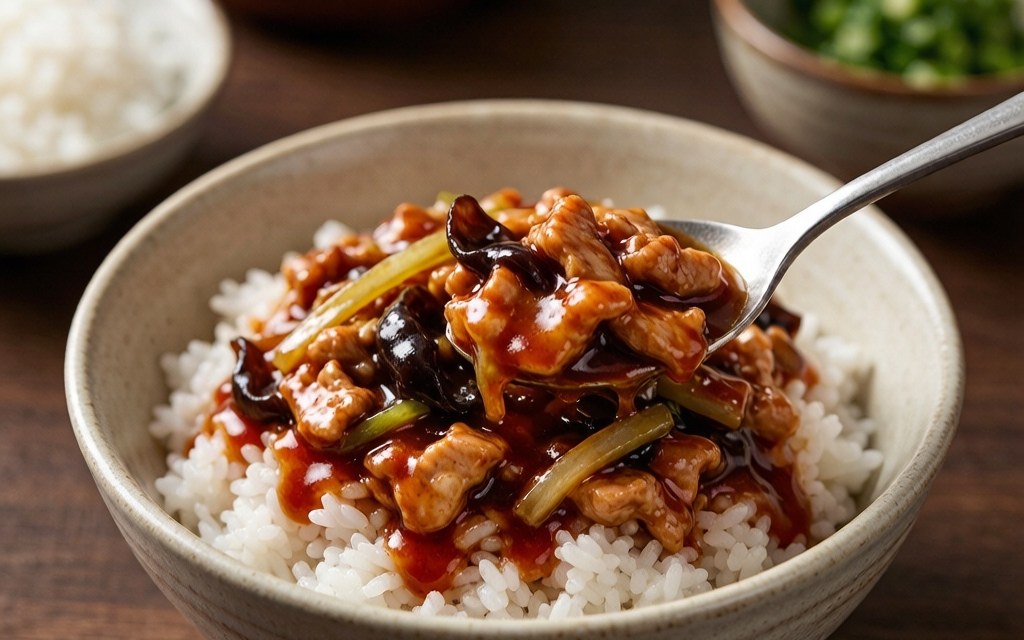
A saucy, no-bean-paste yu xiang shredded pork for rice: tender pork, celtuce, carrot and wood ear in glossy sauce — mild, pantry-friendly, made to spoon over rice.
Instructions
-
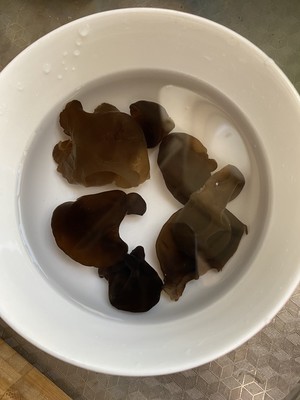 Soak the wood ear in hot water for 30 minutes until springy, then rinse, trim the hard nubs and cut into fine shreds. Shred the carrot and celtuce into matchsticks of a similar size, then blanch the carrot shreds in boiling water for 2 minutes and drain — pre-blanched carrot turns silky in the wok instead of staying hard and squeaky.
-
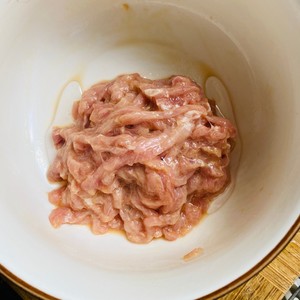
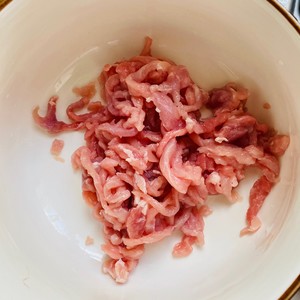 Cut the pork into shreds about 3 mm (⅛ inch) thick. For the marinade, stir the light soy, cornstarch and water together, pour over the pork, and mix with chopsticks in one direction until the liquid is fully absorbed and no water weeps out. Drizzle with 1 Tbsp oil, stir again, and rest for 10 minutes.
-
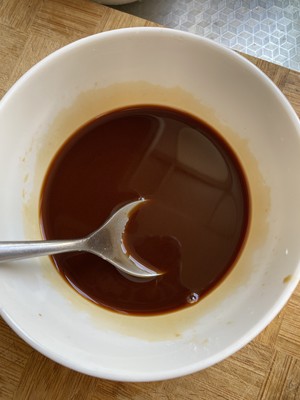
 Make the sauce — this version deliberately makes extra: whisk the light soy, dark soy, vinegar, sugar, cornstarch and ½ cup water until smooth. Set it beside the stove and re-stir right before pouring, because the starch sinks fast.
-
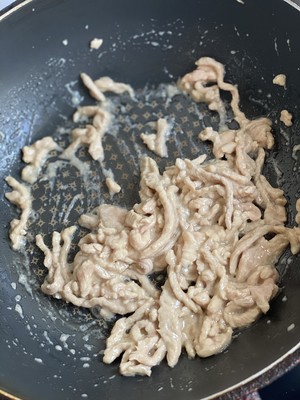
 Heat a wok over medium heat with 2 Tbsp oil until it shimmers (about 175 °C / 350 °F — a wooden chopstick dipped in should sizzle steadily). Add the pork shreds and stir constantly with chopsticks until they all turn pale and lose their pink, 1–2 minutes, then lift them out at once. Tenderloin overcooks in seconds, and it returns to the wok later.
-
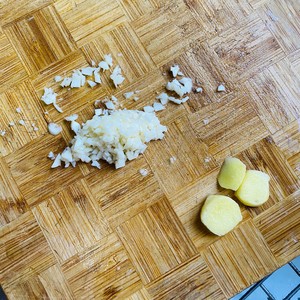
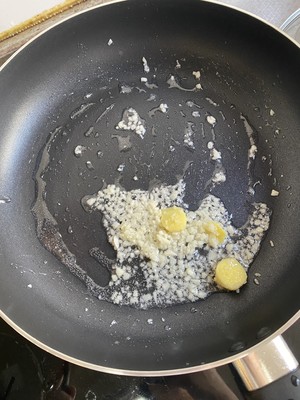
 Add the last 1 Tbsp oil, the garlic and the ginger slices, and stir over medium heat for about 30 seconds, until the raw smell is gone and the garlic smells sweet and nutty. Do not let it brown.
-
 Return the pork to the wok and toss for 1 minute so it picks up the garlic-ginger oil.
-
 Add the carrot, celtuce and wood ear shreds. Keep the heat at medium and stir-fry for about 3 minutes, until the shreds have softened but still have a little bite.
-
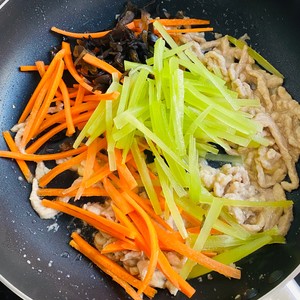 Re-stir the sauce and pour it in. Toss constantly for 1–2 minutes as it bubbles and thickens — and stop while it is still pourable. The glossy sauce is the whole point of this version: you want enough left in the pan to spoon over rice.
-
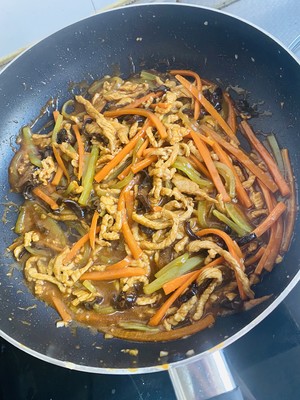 Taste and adjust — it should be salty-sweet with a vinegar lift and no chili burn. Serve hot over steamed rice, making sure everyone gets their share of the sauce.
Why this recipe works
Three choices give this version its identity, and none of them involve chili paste.
1. A water-based marinade. Instead of a dry starch coat, the pork is marinated in a thin slurry of soy, cornstarch and a generous ⅓ cup of water, stirred in one direction until the meat drinks it all. The shreds cook up plump and bouncy even at medium heat — the gentlest method for lean tenderloin, and almost impossible to overcook to dryness on the first pass.
2. The blanch trick for carrot. Raw carrot in a quick stir-fry either stays crunchy-hard or needs minutes of cooking that the pork cannot afford. Two minutes in boiling water before the wok resets its texture, so all the vegetables finish together in 3 minutes.
3. The sauce is scaled for rice, not for coating. The seasoning ratio is familiar — soy for salt, vinegar and sugar in balance, dark soy for color — but the liquid runs a full ½ cup and the cornstarch stays light, so the finished dish carries a glossy, pourable sauce. That is the design brief of this version: the pork is the topping, the sauce is the main event, and the rice underneath is what you actually taste it on. Western menus know this family as shredded pork with garlic sauce — the same dish on its spicier branch.
About the dish
Yu xiang means 'fish-fragrant', a Sichuan seasoning profile that — the story goes — home cooks borrowed from the way they seasoned fish: garlic, ginger, scallion, sugar, vinegar and soy, with pickled chili or bean paste for depth. Shredded pork became its most famous vehicle, and no fish ever enters the pan.
While Sichuan versions lean on doubanjiang or pickled chilies, home kitchens across eastern China cook a doubanjiang-free branch exactly like this one: pantry sauces only, extra liquid, and vegetables cut to match the pork shreds. This recipe follows that branch — celtuce, carrot and wood ear over tenderloin — and the author's promise is in the original title: the sauce gets eaten down to the last drop over rice.
What to serve with it
Serve it over a bowl of hot steamed rice and spoon the sauce generously. If you want a full rice-table, a side of egg fried rice doubles down happily, and a light cucumber salad keeps the meal from feeling heavy. Celery can stand in for celtuce, and kids tolerate this version well since it is mild; adults who want fire add chili oil at the table. Because the sauce is mild and spoonable, this is the yu xiang rou si to hand kids who are still learning chopsticks. Leftovers keep 2 days and reheat gently — the sauce stays loose over fresh rice.
Pro tips
- This is a wet marinade — the soy-starch slurry carries water into the meat instead of just coating it. It is the gentlest way to keep lean tenderloin juicy, and it tolerates medium heat better than a dry cornstarch coat.
- Pull the pork at the first hint of color change. It looks underdone when you remove it, but it cooks twice more — once with the garlic, once in the sauce — and tenderloin has no forgiveness to spare.
- Do not chase a thick glaze. Standard yu xiang reduces the sauce until it clings; this version is finished while the sauce still flows, which is exactly what makes it disappear into rice.
- Peel celtuce deeply — the outer layer is stringy and bitter. If you substitute cucumber, add it in the last minute of stir-frying so it stays crisp instead of dissolving.
- There is no doubanjiang in this recipe on purpose: the flavor stands on soy, vinegar, sugar, garlic and ginger, which makes it a true pantry dish. For a deeper, spicier base, fry 1 tsp doubanjiang with the garlic.
- If your sauce thins out at the end, the starch settled in the bowl or the vegetables released water — re-stir, then simmer 30 seconds longer before serving.
Storage & leftovers
- Refrigerate leftovers in a sealed container for up to 3 days; the sauce thickens as it chills, which is normal.
- Reheat in a skillet over medium heat for 2 minutes with 1–2 Tbsp water to loosen the sauce, or microwave for 90 seconds, stirring halfway.
- Freezing is not recommended — the vegetable shreds turn limp and watery, and the sauce weeps when thawed.
Frequently asked questions
Why is there no doubanjiang in this recipe?
This is the pantry, family-table branch of yu xiang: the fish-fragrant flavor comes from soy, vinegar, sugar, garlic and ginger alone, so nothing needs a trip to an Asian grocery. It is milder and lighter than the bean-paste versions — stir 1 tsp doubanjiang in with the garlic if you want that deeper base.
What is celtuce, and what can I use instead?
Celtuce is the thick stem of stem lettuce, sold in Chinese groceries — crisp, faintly grassy, somewhere between celery and cucumber. Cucumber (seeded), celery, or even zucchini strips all work; add cucumber late so it keeps its snap.
How spicy is it?
Not spicy at all — there is no chili in the ingredient list, which is unusual for yu xiang and a big part of this version's appeal for kids. Drizzle 1 tsp chili oil over each bowl at the table if the adults want heat.
My sauce turned thin and watery. What happened?
Two usual causes: the cornstarch settled to the bottom of the bowl before pouring, or the vegetables released water after you stopped reducing. Re-stir the sauce every time before it goes in, and simmer 30 extra seconds if the pan looks loose.
Can I make it ahead?
Shred the vegetables and mix the sauce up to a day ahead, and the whole dish then takes 15 minutes. The pork marinade is best fresh — beyond 30 minutes the wet slurry starts to soften the surface.
Is this the same as your other yu xiang shredded pork recipes?
Same family, different branch. The sweet-leaning version uses doubanjiang and a thick glaze; the tutorial version is the pickled-chili restaurant method. This one is the no-bean-paste, extra-sauce style meant to pool over rice.
Can I use chicken or beef instead of pork?
Yes. Chicken thigh or breast shreds take the same wet marinade and cook in the same 1-2 minutes; beef shreds should be cut against the grain and benefit from an extra 30 seconds in the marinade. The sauce and vegetables do not change.
Any trick for cutting pork into thin shreds?
Chill the tenderloin in the freezer for 20-30 minutes until firm but not frozen — firm meat takes clean, even 3 mm slices, and slices cut easily into shreds. Cut with the grain for stir-fry shreds so they hold their shape instead of falling apart.