Sichuan · Stir-Fry Classics
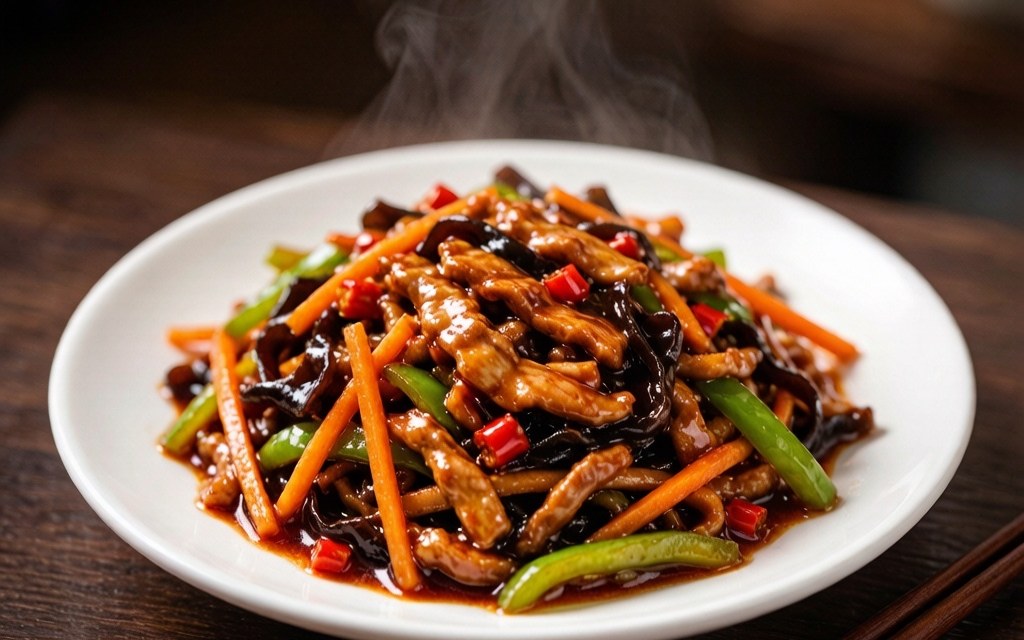
Yu Xiang Pork: The Step-by-Step Tutorial (鱼香肉丝)
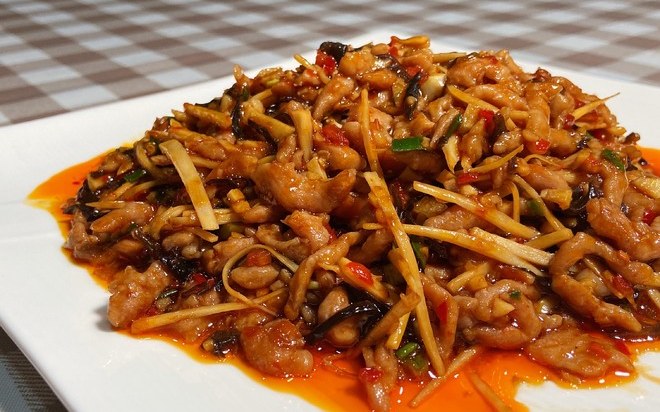
Yu xiang pork taught step by step: with-the-grain knife work, baking-soda velveting, oil-poaching and a pickled-chili sauce — every step timed and measured in grams.
Instructions
-
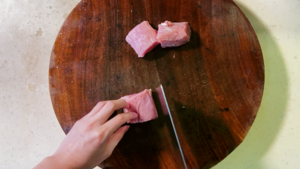
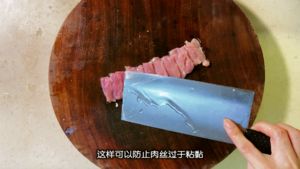
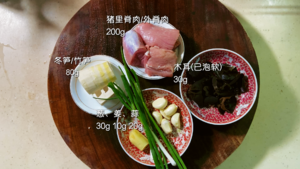 Cut the tenderloin crosswise into 5–7 cm (2–3 inch) sections. Slice each section 3–4 mm thick WITH the grain — yes, with it: unlike a steak, you want the long fiber bundles intact, because they are what keep shreds from snapping in the wok. Stack the slices in a staggered line, wet both blade and meat with a little water to cut sticking, and slice into shreds about as thick as a chopstick tip.
-
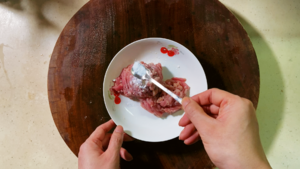
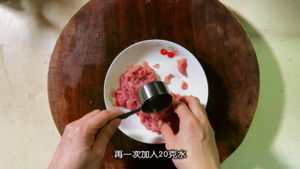
 Put the shreds in a bowl with the optional salt and the baking soda, and knead with your hand for about 20 seconds. Add 2 Tbsp of the water and knead for another 40 seconds, until the meat turns sticky and has absorbed all the liquid — the fibers should feel tacky, like they have grabbed hold of the water.
-
 Add the final 1 Tbsp water and knead once more until it disappears and the pork is sticky again. Cover and marinate in the fridge for at least 20 minutes (up to overnight) — this hydration time is the reason the pork stays juicy.
-
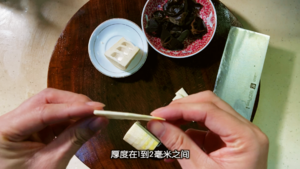
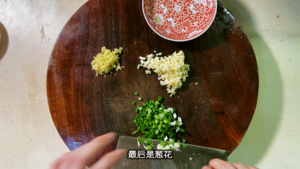
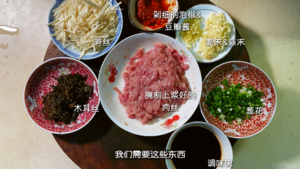
 Slice the bamboo shoots 1–2 mm thick along their grain, line the slices up and cut into fine shreds. Stack the soaked wood ear two pieces at a time, roll and slice into shreds of a similar size. Mince the ginger and garlic and chop the scallions.
-
 Chop the pickled red chilies finely, then chop them together with the doubanjiang into a rough paste. A fine paste releases its color and aroma far better than a spoonful of chunky paste.
-
 For the sauce, whisk the vinegar, light and dark soy, sugar, 2 tsp potato starch and the water or stock until smooth. Set it beside the stove — you will re-stir it right before pouring.
-
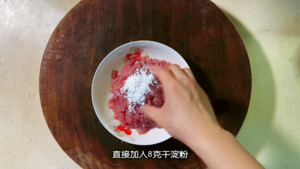
 Add the 2 tsp potato starch to the rested pork and knead until no dry spots remain. Drizzle in 1 Tbsp oil and toss gently so every strand separates — the oil barrier stops the shreds from clumping in the wok.
-
 Bring a pot of water to a rolling boil and blanch the bamboo and wood ear shreds for 1 minute, then drain well. This removes the canned taste from the shoots and keeps both vegetables crisp-tender instead of squeaky.
-
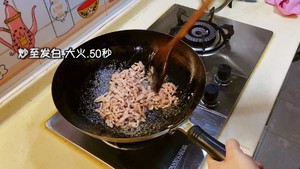
 Set the wok over low heat with the ⅓ cup oil. Add the pork shreds and gently stir to separate them for 15 seconds — low heat is what keeps them from sticking together. Then raise the heat to high and stir-fry about 50 seconds, until every shred turns white with no pink. Lift the pork out with a spider or slotted spoon, leaving the oil behind.
-
 Reduce to medium and add 1 Tbsp of the poaching oil if the pan looks dry. Fry the chili and bean-paste paste for about 20 seconds, until the oil turns red and smells sharp and savory.
-
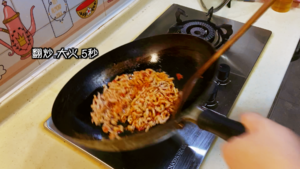 Raise the heat to high. Return the pork and toss for 5 seconds, add the ginger and garlic and toss for 20 seconds until fragrant, then add the bamboo and wood ear and toss for 15 seconds.
-
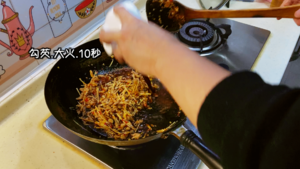 Re-stir the sauce and pour it down the side of the wok. Keep tossing on high for about 10 seconds, until the sauce boils, thickens and glosses every shred. Turn the heat to low, scatter the scallions, toss for 10 seconds, and plate.
Why this recipe works
This is the version to learn if you want to understand yu xiang pork, not just cook it. Three techniques carry the whole dish.
1. Baking-soda velveting with staged water. A pinch of baking soda shifts the meat's pH upward, loosening the muscle fibers so they can trap far more water than usual. The recipe then kneads that water in two doses — 2 Tbsp, wait until sticky, 1 Tbsp, wait again. Each dose must be fully absorbed before the next, which is how 200 g of pork ends up holding 45 ml of added water. That water becomes juiciness on the plate.
2. Oil-poaching instead of searing. Rather than hitting velveted shreds with direct high heat (which clumps them), the recipe slips them into warm oil and only raises the heat once they have separated. Fifty seconds at high heat afterwards is enough to cook them through. It is the standard restaurant move, and it is why restaurant shreds look distinct and glossy while home versions often fuse into lumps.
3. The paste, and the timing around it. Chopping pickled red chilies and doubanjiang into one fine paste multiplies the surface area that hits the oil, so 20 seconds blooms a deep red base. Everything after it — pork 5 seconds, aromatics 20, vegetables 15, sauce 10 — is choreographed so nothing overcooks while the cornstarch sauce catches up. Nail the yu xiang sauce balance here and the whole fish-fragrant family — eggplant, tofu, fish itself — follows.
About the dish
Yu xiang means 'fish-fragrant' — the story goes that Sichuan cooks adapted the seasonings used for fish (pickled chili, garlic, ginger, scallion, sugar, vinegar, soy) to other ingredients, and shredded pork became the most beloved carrier. In Chengdu restaurants the version leans on pickled chilies from the household pickle jar (paocai), bamboo shoots and wood ear, which is exactly the combination this tutorial follows.
Home versions across China vary widely — some drop the pickled chilies for doubanjiang only, some swap the bamboo for carrot or celery. What they share is the architecture: velveted shreds, a bloomed chili base, and a sweet-sour-savory glaze measured by feel. This recipe simply writes the feel down in grams and seconds so you can reach it on the first try.
What to serve with it
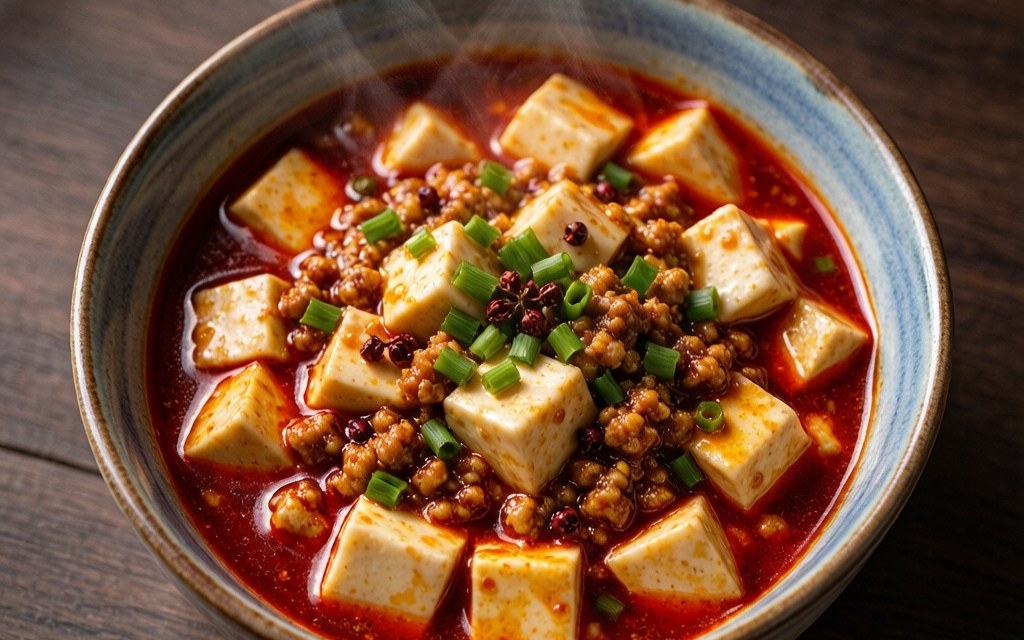
It is built for a bowl of steamed rice and little else — the flavor is complete. If you are cooking a Sichuan night, mapo tofu beside it covers tofu, and a plain cucumber salad resets the palate between the two. The mild-sweet sauce makes it a reliable kids' dish; adults chasing the classic tingle add a spoon of chili crisp. Leftovers keep 2 days and reheat in a covered pan with a splash of water so the velveted pork stays tender. That is the how-to-velvet-pork payoff: shreds that stay silky even reheated the next day.
Pro tips
- Cutting with the grain sounds wrong for tenderness, but it is the professional move for shreds: the long fibers hold each strand together, and all the tenderness comes from the baking-soda velvet instead of from short fibers.
- Baking soda raises the meat's pH, which relaxes the muscle proteins and lets them hold more water. Never exceed ¼ tsp for 200 g of pork — past that, the meat turns soapy and mushy.
- The two-stage water kneading (shàng jìn) is deliberate: the meat absorbs the first addition fully before the second goes in, which is how it drinks up 45 ml of water. Rushing it in one pour leaves the liquid pooling in the bowl.
- Oil-poaching (hua you) at low heat is how restaurant kitchens get shreds to stay separate and evenly cooked — the water content in the velvet would otherwise clump on direct high heat. Save the strained poaching oil; it makes excellent fried rice.
- Pickled red chilies, not fresh ones, are the soul of authentic yu xiang: their gentle fermented sourness plus the doubanjiang's savory heat is the classic pairing. Doubanjiang alone gives you home-style; the pickled chilies give you the restaurant flavor.
- The whole wok phase runs under 2½ minutes from pork to plate. Line up the paste, sauce and scallions within arm's reach before you light the burner.
Storage & leftovers
- Refrigerate leftovers in a sealed container for up to 3 days.
- Reheat in a skillet over medium heat for 1–2 minutes with a splash of water until the sauce reglazes.
- Freezing is not recommended — the bamboo shoots turn limp and the glaze separates when thawed.
- Strain the leftover poaching oil into a clean jar and refrigerate for up to a week; it is now chili-and-pork scented and ideal for fried rice or greens.
Frequently asked questions
Where do I find pickled red chilies, and what can I substitute?
Look for jars labeled pickled red chilies or Sichuan paocai chilies in any Asian grocery, or order them online. The closest substitute is 2 Tbsp chili-garlic sauce plus an extra ½ tsp vinegar in the sauce to replace the fermented tang.
Can I skip the baking soda?
Yes. Add 1 extra Tbsp water at the starch stage and pull the pork off the heat slightly earlier. The texture will be a little less silky but still good — the staged water kneading alone does most of the work.
Why cut with the grain when every steak guide says against it?
Against-the-grain cuts shorten the fibers, which is what you want when chewing a solid piece. For shreds, short fibers snap mid-stir-fry and leave you with meat rubble; long fibers stay whole, and the soda marinade supplies the softness.
What if I cannot find bamboo shoots?
Use celery or celtuce (lettuce stem), cut into similar shreds and blanched the same way, or simply double the wood ear. Canned and vacuum-packed shoots must be blanched to remove the pack taste.
How is this different from the site's other yu xiang pork recipes?
This is the technique-first, restaurant-leaning version: pickled chilies plus doubanjiang, bamboo shoots, baking-soda velveting and oil-poaching, with gram and second counts throughout. The other versions are weeknight styles built only on doubanjiang — one sweet-leaning, one saucy for rice.
What can I make ahead?
Marinate the pork up to a day ahead, keep the mixed sauce in a jar in the fridge for a week, and shred the vegetables a day in advance. The wok work itself stays short and fresh.
Why is it called fish-fragrant if there is no fish?
Yu xiang means 'fish-fragrant' because Sichuan cooks adapted the seasonings they used for fish — pickled chili, garlic, ginger, scallion, sugar, vinegar and soy — to pork and other ingredients. The pork version became the most beloved carrier, and no fish ever touches the wok.