Shandong (Lu) · Stir-Fry Classics
Zaozhuang Spicy Chicken (枣庄辣子鸡)
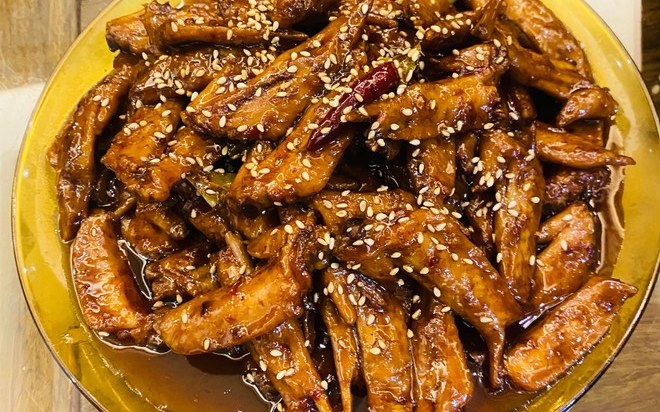
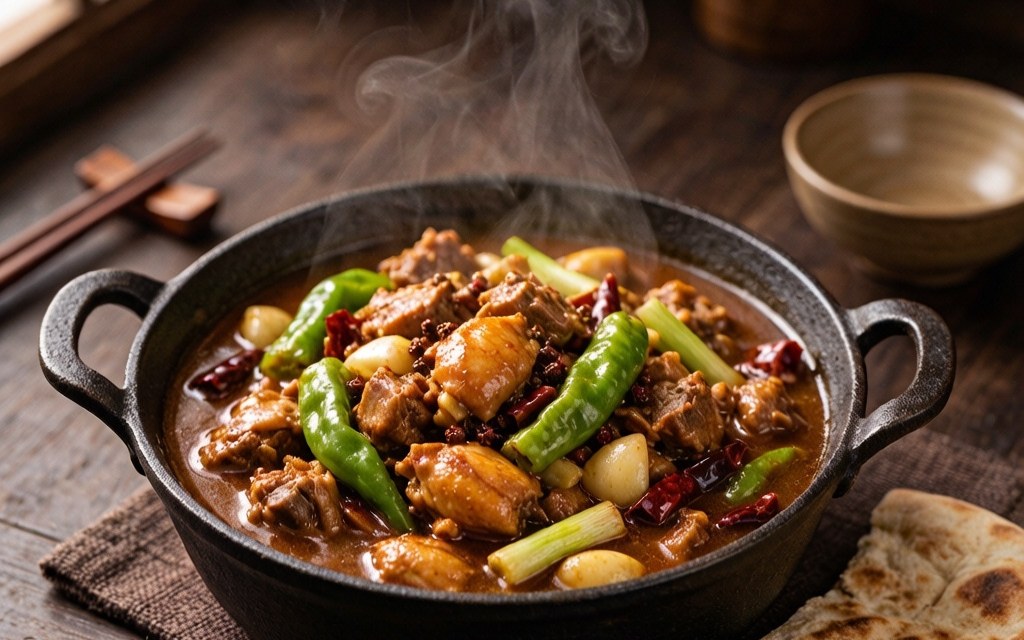
Shandong-style spicy chicken: bone-in chicken braised in a glossy chili-bean sauce with green peppers — saucier and juicier than Sichuan's dry-fry laziji.
Instructions
-
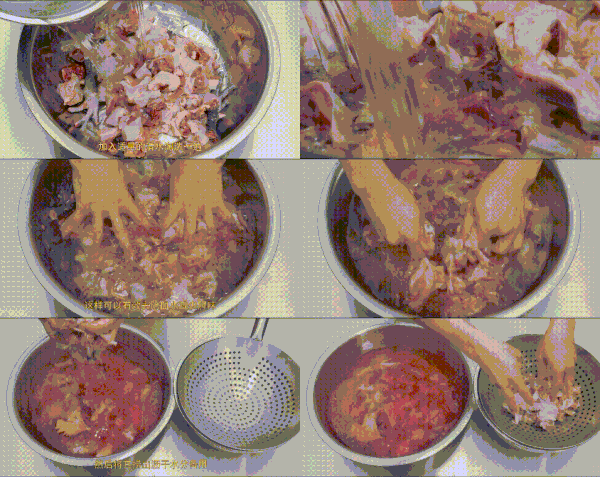
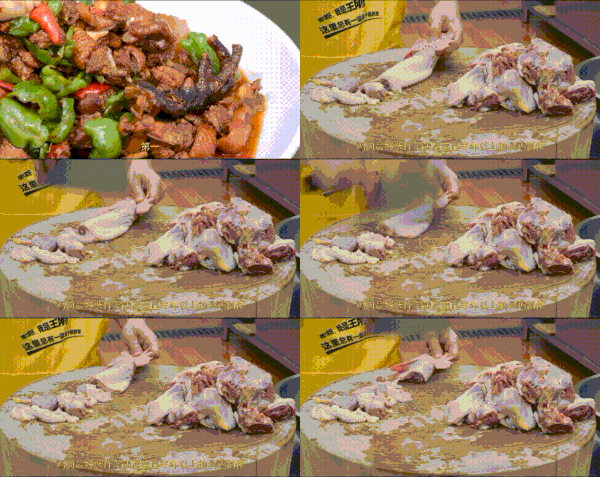
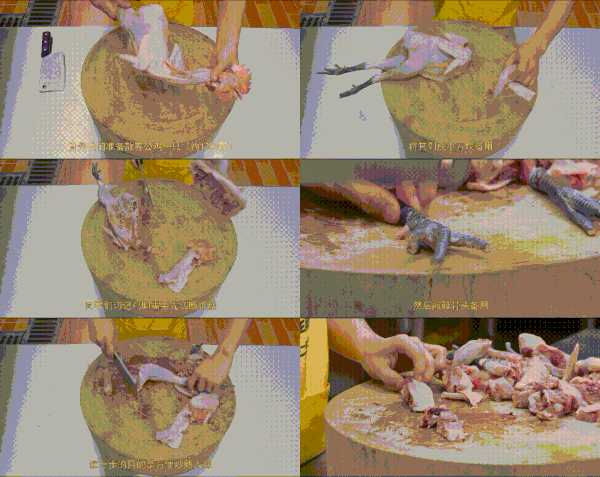 Ask the butcher to chop the chicken into 4 cm (1½ inch) bone-in pieces — the bones release gelatin as they braise and give the sauce its body. Rinse the pieces in cold water to wash off bone dust and blood, then drain well.
-
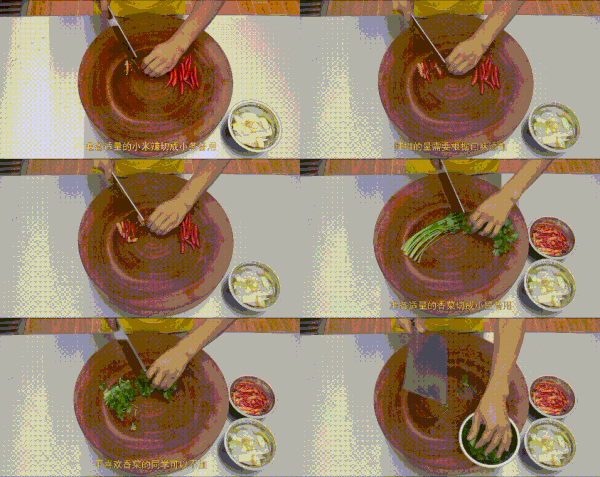
 Prep everything while the chicken drains: cut the scallion into sections, slice the ginger, smash the garlic, and cut the green peppers into bite-size chunks. Slice the bird's eye chilies into slivers and cut the cilantro into 4 cm sections — once the wok is hot there is no time to chop.
-
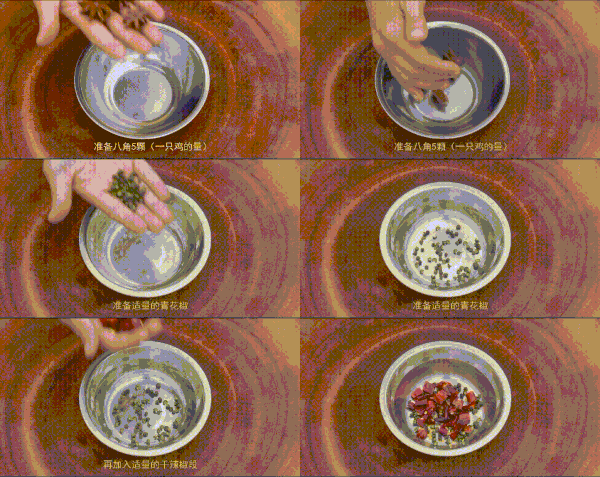
 Heat a wok or 5-quart Dutch oven over high heat until it just starts to smoke, then add the oil. Turn the heat to medium and fry the star anise for about 20 seconds, until the oil turns amber and smells of warm anise.
-
 Add the scallion sections and ginger slices and let them sizzle for about 30 seconds, until their edges just start to brown and the kitchen smells fragrant.
-
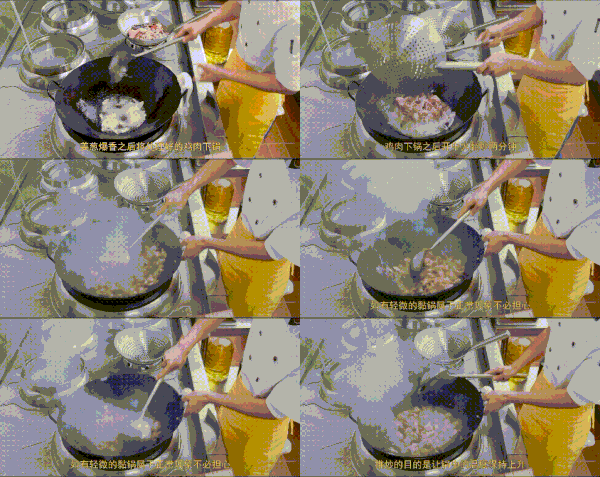 Add the chicken. Stir-fry over medium-high heat for 2 minutes, pushing the pieces around with a sturdy spatula — light sticking at first is normal and scrapes up as the surface sears. Cook until the outside of every piece is no longer pink.
-
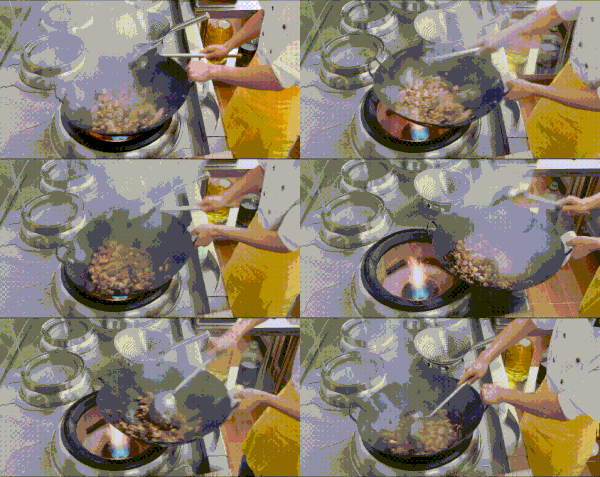 Once the watery juices have mostly evaporated and the pan sizzles dry, add the dried chilies and green Sichuan peppercorns and stir for 30 seconds. Splash the Shaoxing wine down the side of the hot wok and let it boil off its raw alcohol smell.
-
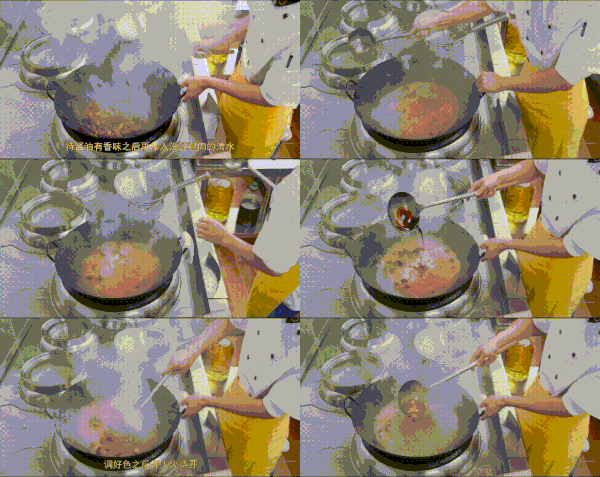 Add the doubanjiang and yellow soybean paste. Stir-fry for about 1 minute, until the pastes melt into the oil and the oil turns a brick red.
-
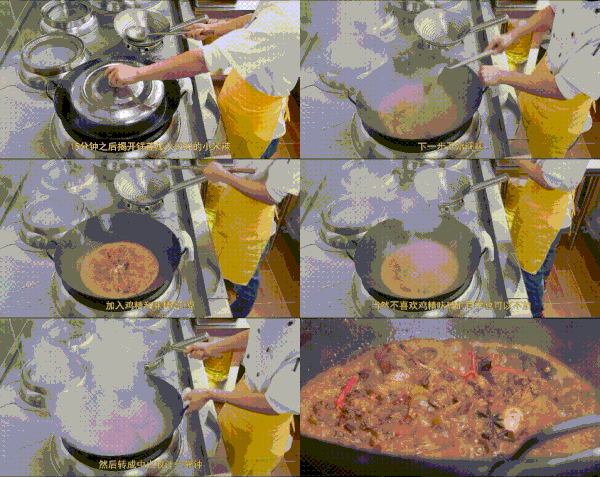 Splash the rice vinegar down the hot side of the wok — the quick acid hit helps the chicken stay tender through the braise — then add the 4 tsp light soy sauce and stir for 20 seconds, until the soy smells toasty rather than raw.
-
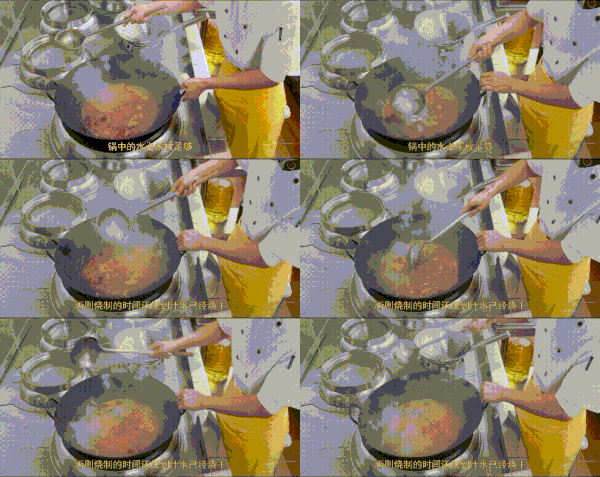
 Pour in enough water to just cover the chicken (about 2 cups / 480 ml) and add the dark soy sauce for color. Raise the heat to high and bring to a rolling boil, then skim off the gray foam and any pools of oil that rise to the surface.
-
 Cover, lower to a medium-low simmer, and cook for 15 minutes (up to 25 for an older, tougher bird), pushing the chicken around once or twice so it heats evenly.
-
 Uncover and raise the heat. Add the bird's eye chili slivers, salt and chicken bouillon powder, and let the sauce bubble for 1-2 minutes to start reducing.
-
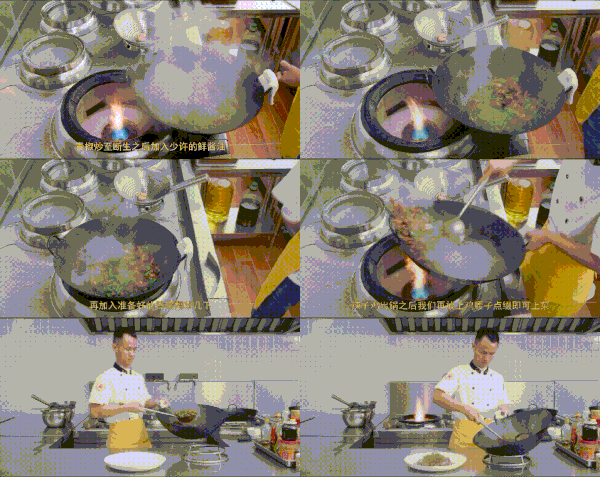
 Add the green pepper chunks and garlic. Toss for 1-2 minutes, until the peppers turn a brighter green and are just cooked through but still snappy — cut one to check: no raw core.
-
 Turn off the heat. Stir in the finishing light soy sauce, sesame oil and cilantro, toss twice, and serve hot with flatbread or steamed rice.
Why this recipe works
Zaozhuang spicy chicken runs on three quiet techniques that matter more than any single ingredient.
1. Sear in oil, then braise in water. Most Chinese chicken dishes pick one heat or the other. This Shandong method does both: a hot-oil sear browns the skin and builds Maillard flavor, then 15 minutes of gentle braising dissolves collagen from the bones into the sauce, thickening it without a speck of starch. That is why the sauce clings like a glaze even though it is mostly water and soy.
2. The base is bloomed, not boiled. Star anise goes into warm oil first and fries until the oil turns amber; doubanjiang follows and is fried until the oil turns red. Each paste releases its aroma into fat, not water — fat carries flavor onto every piece of chicken, which is why the dish tastes seasoned to the bone rather than on the surface. The vinegar and soy are splashed against the hot wok wall, where they char for a second and lose their raw edge.
3. The peppers go in last. Thin-skinned green peppers need only two minutes to turn sweet and glossy-edged. Added earlier, they slump into the sauce and their perfume fades. The same logic puts the bird's eye chilies in at the reduction stage: their fresh, grassy heat stays bright instead of cooking into a flat burn.
About the dish
Zaozhuang is a city in southern Shandong, and its lazi ji is a point of local pride. Ask two neighboring cities whose spicy chicken is the original and you will start an argument — but the Zaozhuang style is unmistakable: a sear-then-braise build that ends saucy, not dry, colored brick-red by doubanjiang and dark soy rather than by a mountain of dried chilies.
The region's thin-skinned green pepper is a specialty crop — fragrant, mildly hot, almost fruity — and the source recipe insists on it, while allowing any spicy green pepper in its place. Just as distinctive is the eating custom: the chicken arrives beside thick griddled flatbread, and you tear the bread, wrap a piece of chicken and dip it into the sauce, eating with one hand on the bread and one on the chopsticks. In this house style, the sauce is not an afterthought; it is half the point.
What to serve with it
Thick flatbread is the traditional partner — naan or charred baguette works — for dragging through the sauce. Otherwise, plain steamed rice is the safe bet, since the sauce is bold enough to season it. This is the saucy laziji school of spicy chicken — sauce pooling at the bottom of the plate is the point, and that pool is the bite the flatbread was made for. If you love this saucy-braised profile, the braised collection has more one-pot dishes in the same spirit, and kung pao chicken shows the other side of the Chinese spicy-chicken family: diced, dry and glossy.
Pro tips
- The generous oil is not a typo — it is the flavor carrier for the whole sauce and what makes the dish glossy. Traditional cooks here start with up to a full cup; if you want it lighter, skim the red oil off the surface before serving instead of cutting it at the start.
- Zaozhuang thin-skin peppers are fragrant and only gently hot — that aroma is the soul of the dish, so use sweet peppers plus one jalapeño rather than all jalapeños, which would turn it harsh.
- Like many braised chicken dishes, this one is better after resting: eaten lukewarm, or reheated the next day, the chili and bean-paste flavors taste rounder and deeper.
- Watch the water level: if the pan runs dry before the chicken is tender, top it up with boiling water, never cold, and give an older bird the full 25 minutes.
- In Zaozhuang this is eaten with thick griddled flatbread — tear, wrap, dip into the sauce. Store-bought naan or a crusty baguette does the same job.
- Bone-in pieces are worth hunting for; if you switch to boneless thighs, cut them into large 4 cm chunks and shorten the braise to 10 minutes.
Storage & leftovers
- Refrigerate in a sealed container for up to 3 days; the flavor is rounder on day two.
- Reheat in a covered skillet over medium heat with 2 Tbsp (30 ml) water for 4-5 minutes, or microwave covered for 2 minutes on high.
- If the chilled sauce has a cap of congealed fat, lift it off before reheating — the dish is rich enough without it.
- Freeze for up to 1 month without the cilantro; the peppers soften after thawing but the flavor holds.
Frequently asked questions
How spicy is it?
Medium as written — a warm glow from the dried chilies, doubanjiang and 4 bird's eye chilies, not a burn. For less heat, halve the bird's eye chilies and shake the seeds out of the dried ones; for more, double both.
How is this different from Sichuan laziji?
They share a name but not a technique. Chongqing laziji is deep-fried chicken tossed with a mountain of chilies and almost no sauce. Zaozhuang chicken is seared, then braised, so it lands saucy and glossy — built to be mopped up with bread or rice.
Can I use boneless chicken?
Yes — boneless thighs are the best stand-in. Cut them into large 4 cm chunks, shorten the braising time to about 10 minutes, and expect a slightly less gelatinous sauce than the bone-in version.
I can't find yellow soybean paste. What now?
Use 1 extra teaspoon of doubanjiang plus ½ tsp of sugar, or 1 tsp of hoisin sauce. The paste adds a mellow savory depth behind the chili paste, and the dish survives without it.
Can I make it ahead?
Yes, and it is arguably better that way. Refrigerate up to 3 days and reheat gently in a covered skillet with a splash of water — the flavor deepens overnight.
Do I really need that much oil?
It carries the spice aromas and becomes the gloss of the sauce. You can drop to ⅓ cup (80 ml) in a nonstick pot, but keep enough to sear the chicken properly and expect a less lacquered result.
Why is my sauce thin, and how do I fix it?
It should never need starch. The body comes from bone collagen and reduction: keep the pot covered for the 15-minute braise, then reduce uncovered on high at the end until the sauce coats a spoon. If you used boneless chicken, simmer a few minutes longer; if it reduced too far, loosen it with a splash of boiling water, never cold.