Cantonese · Buns & Pancakes
Pineapple Buns (菠萝包)
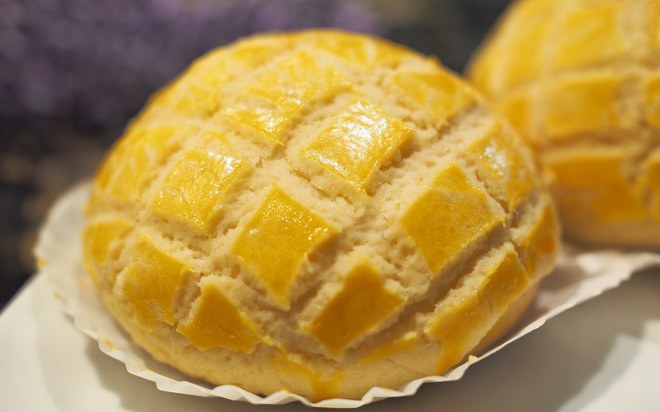
Hong Kong bakery pineapple buns: a shattering cookie crust over milk-soft sponge-dough bread. No pineapple inside — just the crackled golden top, in exact grams.
Instructions
-
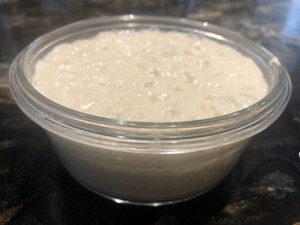 Make the sponge the night before: stir 1⅓ cups (170 g) bread flour, ⅔ cup plus 2 tsp (170 ml) water and ¼ tsp instant yeast in a bowl until no dry flour remains. Cover and refrigerate overnight, 8–12 hours. A ripe sponge looks bubbly and domed and smells lightly sweet and tangy.
-
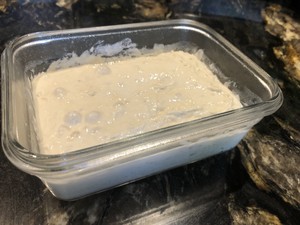 The next day, combine the 2½ cups bread flour, milk powder, milk, yeast, sugar, salt and egg in a stand mixer bowl. Tear the cold sponge into 6–8 pieces and add them in. Mix on medium speed for 4–6 minutes until a smooth dough forms.
-
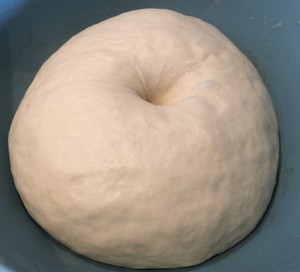 Add the softened butter and keep kneading until the dough is smooth, elastic and pulls away from the sides of the bowl. For pineapple buns you do not need a perfect windowpane — a supple, even dough is enough.
-
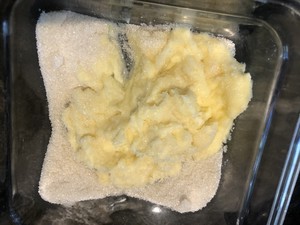 Cover and proof until doubled, 45–60 minutes at room temperature. Poke the dough with a floured finger: if the dent springs back slowly and does not collapse, it is ready. In hot weather, proof it in the refrigerator instead.
-
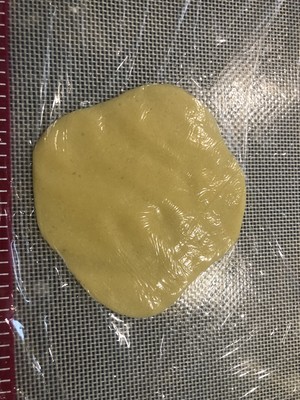 Meanwhile make the cookie crust: beat the 7 Tbsp softened butter with the sugar until pale. Mix in the whole egg, then fold in the cake flour, milk powder and salt with a spatula just until smooth. If the butter has gone greasy and melted, chill the dough for 20 minutes until it firms up.
-
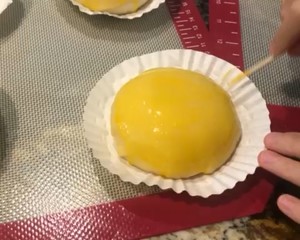 Divide the crust dough into 15 pieces (about 25 g each) and the bun dough into 15 pieces (about 60 g each). Flatten each crust piece between two sheets of plastic wrap into a 3-inch disc. Round each bun piece tight and rest them 15 minutes, covered.
-
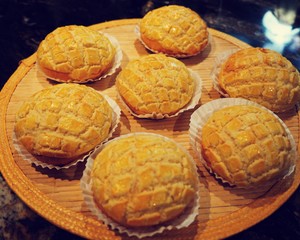 Shape: flatten a bun ball, lay a crust disc on top and press gently so the crust covers the top half of the dough. Place seam-side down on a parchment-lined baking sheet, spacing the buns 2 inches apart.
-
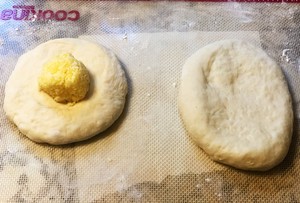 Brush the crusts with beaten egg yolk, then drag a toothpick lightly across each top in a lattice pattern — scratch the crust only, not through to the dough. Let the buns proof a second time until puffy and about 1.5 times their size, 30–45 minutes.
-
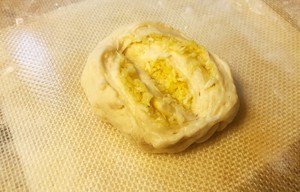 Preheat the oven to 355°F (180°C) for at least 10 minutes. Bake for 18–20 minutes, until the crust is crackled and golden. At the 10-minute mark you can brush on a little more yolk for a deeper lacquer.
-
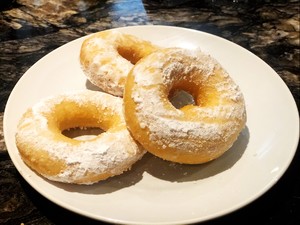 Cool on the pan for 5 minutes. To serve them the Hong Kong way (bo lo yau), split a warm bun and tuck in a thick slab of cold salted butter.
Why this recipe works
Three things separate a great pineapple bun from a plain dinner roll wearing a hat.
1. The overnight sponge (Polonais method). Mixing a wet pre-dough of flour, water and a trace of yeast the night before, then refrigerating it, lets the yeast ferment slowly at low temperature. That long, cold fermentation builds aroma you cannot get from a same-day dough, and the pre-hydrated flour makes the final dough softer and easier to roll into tight, smooth balls.
2. A real cookie crust, pressed on raw. The topping is shortbread — butter, sugar, egg, cake flour — laid over the bun before proofing, not baked separately. Because it bakes pressed against rising dough, it fractures as the bun expands: that is the signature crackle, and it is why the crust must cover only the top half.
3. Egg yolk, scored, brushed twice. Brushing yolk before scoring helps the lattice set in gold; a second light brush partway through baking deepens the color without softening the crust. A toothpick scores cleanly where a knife would drag and tear. That scored lattice is the detail behind the perfect pineapple bun cookie crust.
About the dish
Pineapple buns (菠萝包, bo lo baau in Cantonese) are the signature item of Hong Kong bakeries and the cha chaan teng tea restaurants, where they emerged in the postwar decades. No one is certain who first draped cookie dough over bread dough — the story goes that a Shanghai baker brought the technique south — but the name is straightforward: the crackled golden top looks like pineapple skin, even though the bun contains no pineapple at all.
The canonical way to eat one is bo lo yau (pineapple with butter): the bun is split while hot and a thick slab of cold salted butter is tucked inside, so the heat melts it just enough. This version uses a slow overnight sponge for the dough, which is why the crumb stays milk-soft under a crust that shatters.
What to serve with it
Pineapple buns want something hot to drink: Hong Kong-style milk tea is the classic partner, and strong black coffee or hot soy milk works too. Split a warm bun with cold butter for the full bo lo yau experience. That cha chaan teng pineapple bun habit — hot bun, cold butter — is the classic order for a reason. They are rich enough to be breakfast on their own, but a savory counterpoint — a steamed bun from the buns kitchen, or something simple from the basics — turns them into a proper weekend spread.
Pro tips
- The overnight sponge does two jobs: it builds flavor, and the pre-hydrated flour makes the dough softer and easier to roll into tight, smooth balls.
- For pineapple buns you can skip the windowpane test — the crust does the structural work, so the dough only needs to be smooth. A bread machine kneads it nicely too.
- Crust butter melting while you mix? The dough turns greasy and sticky; 20 minutes in the fridge resets it, exactly like chilling cookie dough.
- Press the crust over only the top half of the bun. As the dough proofs and bakes upward, it pushes against the crust and fractures it into the signature cracks.
- Score with a toothpick, not a knife — deep cuts will collapse the soft crust instead of decorating it.
- In hot weather, move each finished tray of unbaked buns to the refrigerator while you shape the rest, then proof them all together. Over-proofed buns bake up with faded lattice lines.
Storage & leftovers
- Store in an airtight bag at room temperature for up to 2 days — the crust softens by day 2, which some people actually prefer.
- Recrisp in an air fryer at 360°F (180°C) for 2 minutes or a 350°F oven for 5 minutes.
- Freeze baked buns for up to 1 month; thaw at room temperature and re-crisp before serving. The crust loses some of its shatter when frozen.
- The crust dough keeps 3 days refrigerated and the sponge up to 2 days, so you can split the work across days.
Frequently asked questions
Is there pineapple in a pineapple bun?
No. The name comes from the crackled, golden top that looks like pineapple skin. The inside is a soft, lightly sweet milk bread, and the topping is buttery shortbread.
Can I skip the overnight sponge?
Yes — knead all the dough ingredients together with an extra ¼ tsp yeast and proof 1–2 hours. The buns will still be good, but the sponge version keeps them soft longer and tastes noticeably better.
I don't have cake flour for the crust.
Make your own: measure 1 cup all-purpose flour, remove 2 Tbsp, and whisk in 2 Tbsp cornstarch. Sift it once so the crust stays tender.
Why did my crust slide off or crack too much?
Usually the crust was pressed on too loosely or the buns over-proofed. Press the crust to cover at least the top half of the dough, and stop proofing when the buns look puffy — about 1.5 times their size — not doubled.
Can I make them ahead?
The sponge and the crust dough both keep in the refrigerator overnight. You can also shape and tray the buns, refrigerate them, and bake straight from the fridge the next morning, adding 2–3 minutes to the bake.
How do I reheat them?
Air fryer at 360°F (180°C) for 2 minutes, or a 350°F oven for 5 minutes. The microwave turns the crust chewy instead of crisp — avoid it if you can.
Do I have to score the topping?
Scoring is what turns random cracks into the signature pineapple lattice: as the bun expands in the oven, the crust splits along the scored lines. A toothpick scores cleanly where a knife would drag and tear; skip it and the crust still cracks, just chaotically.
What is bo lo yau?
The cha chaan teng order: a pineapple bun split straight from the oven with a thick slab of cold butter inside. The heat melts the butter edge while the center stays cold — that hot-cold contrast is the whole point.