Chinese home style · Soups
Pork Kidney Egg Drop Soup (猪腰蛋花汤)
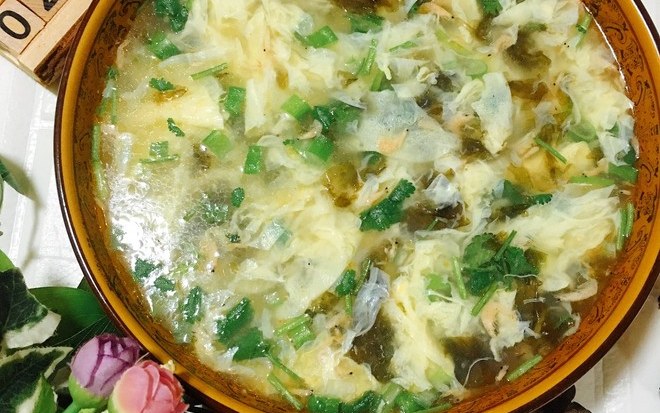
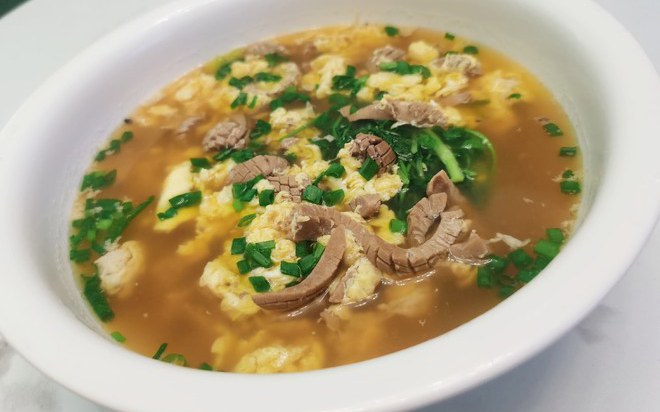
A clear, warming Chinese winter soup: crosshatch-scored pork kidney trimmed the right way, in a ginger-scented broth with golden egg ribbons and cilantro.
Instructions
-
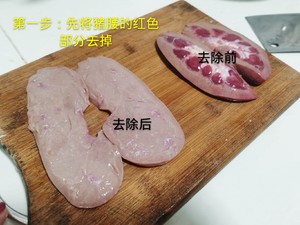 Halve each kidney lengthwise and open it flat like a book. Carve out the white core running through the center, the thin membrane attached to it, and the small pale-brown gland nestled beside it — the white parts are the kidney's urine-collecting machinery and carry the strong odor, so trim generously and leave no white behind. A sharp paring knife and patience do it in about 5 minutes per kidney.
-
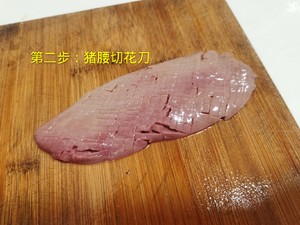 Score the trimmed halves in a shallow crosshatch pattern, cuts about 5 mm (¼ inch) apart, taking care not to cut all the way through. Then slice across into strips. The scoring lets the kidney curl and cook evenly, and it is what makes quick cooking possible.
-
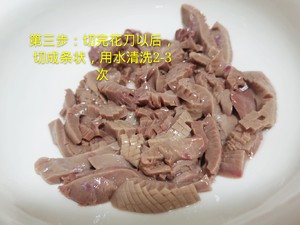 Rinse the strips gently in cold water 2–3 times. Do not scrub or squeeze hard — the scored pieces tear easily.
-
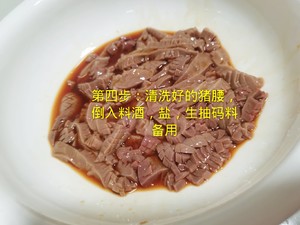 Marinate the strips with 1 Tbsp Shaoxing wine, the light soy sauce, and ¼ tsp of the salt for 15 minutes while you prep the aromatics.
-
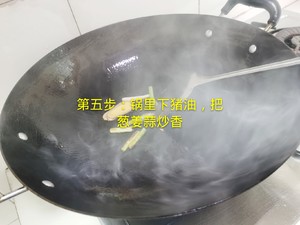 Melt the lard in a pot over low heat, add the ginger, scallion whites, and garlic, and cook 30–60 seconds until fragrant. Keep the heat low — burnt aromatics will turn the whole pot bitter.
-
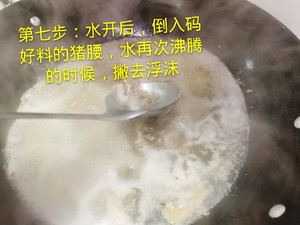 Pour in the water, raise the heat, and bring to a boil.
-
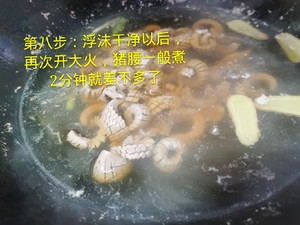 Add the kidney strips together with their marinade. When the broth returns to a boil, gray foam will rise to the surface — drop the heat and skim it off thoroughly with a fine skimmer or spoon. Skimming is what keeps the broth clear and clean-tasting.
-
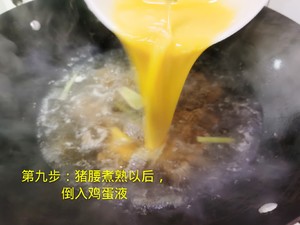 Return the heat to high and cook the kidney for 2 minutes — no longer. The crosshatched strips curl open and turn just tender; past 3–4 minutes they start to bounce like erasers.
-
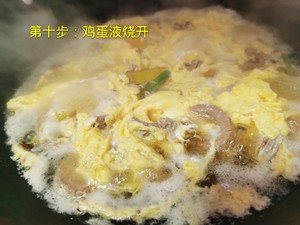 Drizzle the beaten eggs into the simmering broth in a thin stream while stirring gently in one direction. When the broth comes back to a boil, the egg has set into ribbons.
-
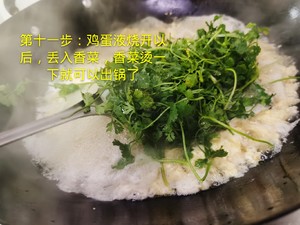 Add the cilantro and cook 30 seconds, then season with the bouillon powder and the remaining ¾ tsp salt. Scatter the scallion greens on top and serve immediately.
Why this recipe works
Organ-meat recipes live or die on preparation, and this one is really a preparation tutorial wrapped around a simple soup.
1. Radical trimming. The white core inside a kidney is the renal pelvis and its surrounding membrane — the plumbing of the organ — and the small pale-brown gland beside it is the adrenal gland. Both carry the strong smell that gives kidney a bad name in Western kitchens, and no amount of wine or ginger can mask them if they remain. Chinese cooks carve them out completely, which is why properly prepared kidney tastes clean, almost sweet. Trim generously; hesitation here is the single most common failure.
2. The crosshatch score. Shallow cuts in a lattice pattern do three jobs at once: they let heat penetrate the dense organ in 2 minutes instead of 10, they make the strips curl into attractive little shapes as they cook, and they open channels for the marinade. Fast cooking is not just convenience — kidney goes from tender to rubbery in a narrow window, and scoring widens that window dramatically. This — not a longer cook — is how to keep pork kidney tender in any soup.
3. Skim, then aromatics-last. Boiling kidney releases gray protein foam; skimming it the moment it rises keeps the broth glassy and clean. Then the finishing touches — egg ribbons, cilantro, a scatter of scallion — go in at the very end, so their freshness defines the bowl.
About the dish
Kidney soup sits in the long Chinese tradition of winter nourishing soups, where organ meats are treated as treasures rather than scraps. In the folk logic of Chinese food culture, organ meats feed the matching organ — kidney for the kidneys — a piece of culinary philosophy that may not survive clinical scrutiny but explains why these soups appear on winter tables when the cold sets in. Strip the tradition down to the pot itself and you get a clean, ginger-warmed broth, springy crosshatched morsels, and soft egg ribbons: a soup built for the coldest week of the year.
The source author seasons the pot with lard on purpose, noting that it makes the soup rounder — a small but honest piece of home-kitchen wisdom. The technique of scoring and flash-cooking kidney is shared across Chinese cuisines; you will meet the same knife-work in stir-fried kidney dishes from Hunan to Canton, where speed is the whole game.
What to serve with it
On a winter table, this soup leads the meal — serve it first with rice and one or two stir-fries for a hearty dinner. A cool, crunchy smashed cucumber salad on the side gives the meal its fresh contrast. For balance, keep the rest of the menu simple: steamed rice and a green vegetable are all it needs. The soup is best the day it is made — kidney turns rubbery on reheating — so cook just what you will eat and keep the plain broth base separate.
Pro tips
- Trimming is 90 percent of the success. Every white or pale-brown piece inside the kidney must go — that is where the smell lives. Many Asian butchers will split and clean kidneys for you if you ask when buying.
- The scoring knife-work is not decoration: it lets the strips cook through in 2 minutes, which is exactly the window between tender and rubbery.
- Skim the foam like you mean it. The gray scum is coagulated protein and blood; leave any in the pot and the broth turns murky and faintly gamey.
- Lard is the source author's deliberate choice — it rounds out the broth in a way neutral oil does not. If you keep bacon grease, a teaspoon of that works beautifully too.
- Serve the moment it is done. Kidney is at its best for about 5 minutes after cooking; it is a soup that waits for no one, so have the bowls already on the table.
Storage & leftovers
- This soup does not keep well — kidney turns tough and the egg goes mealy within hours. Cook only what you will eat.
- If you must, refrigerate the broth base separately for up to 1 day and cook fresh kidney strips and egg when reheating.
- Freezing is not recommended: cooked kidney freezes rubbery and the texture is never recovered.
Frequently asked questions
Where do I buy pork kidneys?
Asian butchers and many supermarket meat counters carry them — they may be behind the counter, so ask. They usually come in vacuum packs of two, and you want kidneys that look plump and glossy, not slimy or gray. Calling a day ahead is wise.
Can the butcher do the trimming for me?
Often yes — ask for the kidneys to be split and cleaned. Even then, check at home for any white core the butcher missed; a 2-minute once-over with a paring knife guarantees a clean-tasting soup.
How do I make sure it does not smell gamey?
Four safeguards stacked together: carve out all the white core and the small gland, rinse gently but thoroughly, marinate in Shaoxing wine, and cook fast. Skip any one and the soup suffers; do all four and the kidney tastes clean and faintly sweet.
Can I substitute another meat?
You can build the same soup with thin-sliced pork tenderloin — marinate the same way and cook 2 minutes. It will be a good soup, but a different dish: kidney's tender-springy bite is the whole identity here.
Why is there so much foam when the kidney goes in?
The foam is blood and coagulated protein drawn out by the heat — completely normal and the reason the rinse and marinade steps exist. Skim it all off and the broth stays clear as glass.
How do I keep the kidney tender and not rubbery?
Timing is everything: scored strips cook through in about 2 minutes in the simmering broth, and past that point the texture tightens fast. Keep the crosshatch cuts shallow, the simmer gentle, and eat the soup the moment it is done — kidney does not survive reheating.
Is this really a winter health soup?
It is traditionally eaten in winter in many parts of China as a warming, nourishing soup — Chinese food culture has long prized organ meats in cold months. We make no medical claims; we can say it is warming, quick, and genuinely delicious when trimmed well.