Chinese home style · Soups
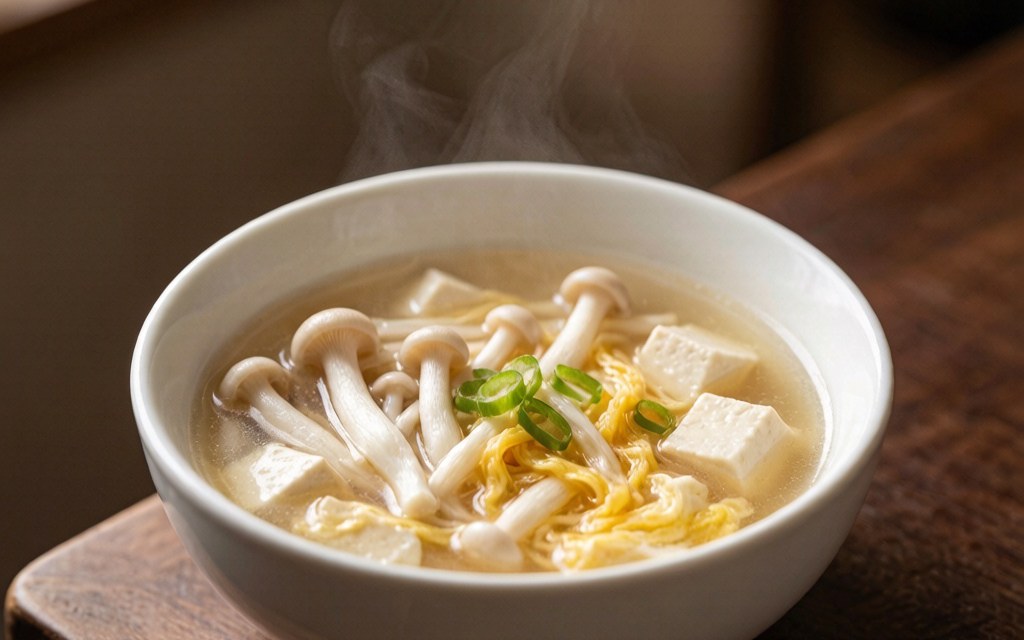
Mushroom & Tofu Egg Drop Soup (菌菇豆腐蛋花汤)
A 15-minute Chinese home soup: white beech mushrooms fried until fragrant, tender tofu and golden egg ribbons in a clear, quietly satisfying broth.
Instructions
-
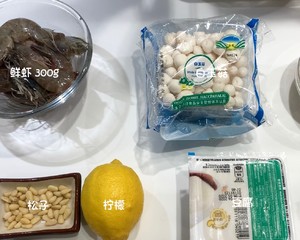 Trim the root clump off the mushrooms and separate them into individual stems — white beech mushrooms grow in tight clusters and hold grit at the base. No need to rinse shimeji heavily; a quick shake and a 5-second rinse is enough. Cube the tofu and beat the egg.
-
 Heat the oil in a saucepan over medium heat. Add the garlic slices and cook about 20–30 seconds, until fragrant but still pale — garlic that browns will make the broth bitter.
-
 Add the mushrooms and stir-fry for about 2 minutes, until their edges turn golden and they squeak slightly and release a little moisture. This frying step is where the soup's savoriness comes from, so do not shortcut it.
-
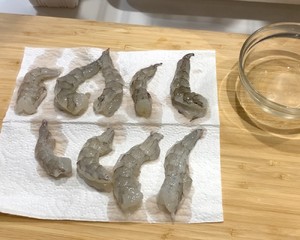 Pour in the boiling water — starting hot keeps the broth clear and shaves minutes off the cook — and raise the heat to bring everything to a boil.
-
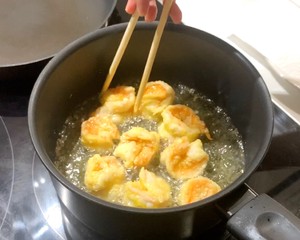 Slide in the tofu cubes and lower to a gentle simmer for 3 minutes. Stir by nudging the pan or pushing broth at the tofu from the side; soft tofu cubes break if stirred directly.
-
 Season with the salt, white pepper, and light soy sauce if using. Taste the broth now: it should taste pleasantly savory, a touch under-salted, since the egg will absorb a little seasoning.
-
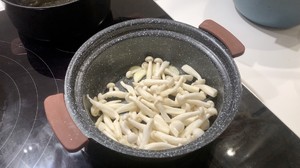 Turn the heat to its lowest setting. Stir the broth in one direction so it swirls, then drizzle the beaten egg in a thin stream — ribbons form within seconds. Let it sit for 20 seconds before stirring once, gently.
-
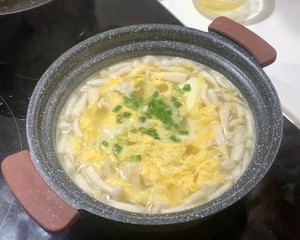 Scatter the scallions over the top, add the sesame oil, and serve straight from the pot while the tofu is hot and silky.
Why this recipe works
This is the quiet workhorse soup of Chinese home dinners — the one simmering on a back burner while the real dishes get all the attention. It earns its place with three small techniques.
1. Fry the mushrooms, don't just boil them. Browning the shimeji in hot oil for two minutes creates the savory foundation the whole soup stands on. Mushrooms are full of glutamates, and a brief sauté in oil both frees them and toasts the mushroom surfaces — whereas mushrooms dropped straight into water taste polite to the point of invisible.
2. Boiling water for a clear, fast broth. The original author pours in water that is already at a boil. That saves minutes, and it keeps the broth clean-tasting and clear: a violent re-boil after cold water is what turns mushroom soups cloudy.
3. Gentle tofu handling. Soft tofu is the texture benchmark here — cubes that yield like custard. The trick is mechanical: slide the cubes in after the water is hot, simmer barely, and move them by tilting the pan or pushing broth from the side. Direct stirring shatters soft tofu into pulp. Get the egg drizzle right and the broth rewards you with long, silky egg ribbons — the signature of a proper egg drop soup.
About the dish
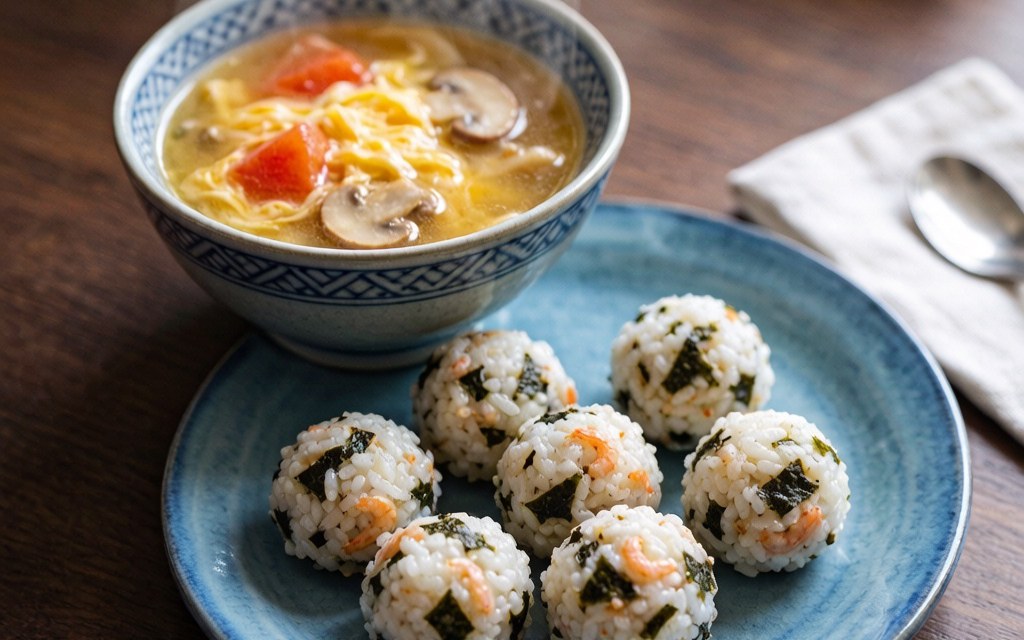
Mushroom-and-tofu soups are everyday fare across China — the kind of soup a family rotates through weeknights because it costs little, cooks in minutes, and satisfies vegetarians and meat-eaters at the same table. The original version of this recipe appeared as one part of a three-dish home dinner, alongside crispy shrimp and purple-sweet-potato rice, playing exactly the role this soup always plays: the calm, light counterweight to rich fried food and hearty rice.
White beech mushrooms (white shimeji) are a farmed mushroom that became common in Chinese supermarkets in the 2000s; before that, home cooks used whatever mushrooms were in season — shiitake in the south, oyster mushrooms in the north. The technique matters more than the species: fry for savoriness, simmer gently for tenderness, egg ribbons last for color and richness.
What to serve with it
On its own terms this is a starter or a light lunch with rice. As part of a Chinese-style dinner, put it beside a stir-fry like kung pao chicken or a comforting mapo tofu and plain steamed rice — the mild broth resets your palate between spicy bites. Because it is quick, light, and quietly filling, this has become a default low calorie chinese soup for busy weeknights — one pot, fifteen minutes, about 130 kcal a bowl. Browse more everyday soups or light cold dishes to build out the menu.
Pro tips
- Use boiling water, not cold — the source author does this on purpose. Cold-tapped water can make mushroom broth look cloudy, and boiling water gets you to the table 5 minutes faster.
- Fry the mushrooms properly. Two minutes in hot oil until golden concentrates their umami; mushrooms simply boiled in water taste like nothing much.
- Soft tofu gives the classic custardy bite; if your tofu keeps breaking, cube it larger (3 cm) or switch to firm tofu — you lose tenderness but gain structure.
- For a slightly thicker, restaurant-style broth, stir 1 Tbsp cornstarch into 2 Tbsp cold water and add it at step 6, before the egg.
- The egg sets best off the heat. If your broth is at a rolling boil when the egg goes in, you get ragged curds instead of ribbons.
Storage & leftovers
- Refrigerate in a sealed container up to 2 days; reheat gently on the stove until steaming, without boiling.
- If you expect leftovers, store the soup before adding the egg and drop fresh ribbons in when reheating.
- Freezing is not recommended: tofu turns spongy and porrous, and the broth separates slightly when thawed.
Frequently asked questions
What are white beech mushrooms?
White shimeji, sold in the US as "white beech mushrooms" — small-capped mushrooms with a mild, nutty flavor and a pleasant snap, usually sold in cling-wrapped clusters. Cremini, oyster, or even sliced white button mushrooms all work in their place.
Which tofu should I use?
Soft or silken tofu is the classic choice — it turns silky in the broth. Firm tofu also works and never crumbles, but the texture is noticeably chewier. Whichever you buy, handle soft tofu with gentle nudges, not stirring.
Why add boiling water instead of cold?
Two reasons: boiling water keeps the soup crystal clear (a hard re-boil after cold water can cloud it), and it saves several minutes. Boil the water in a kettle while you fry the mushrooms and nothing waits.
Can I make this fully vegan?
Yes — skip the egg and you have a clean mushroom-tofu broth. Add a ½ tsp extra sesame oil and a pinch more salt for body, or stir in the cornstarch slurry from the tips section for a silkier finish.
My egg clumped into big lumps. What happened?
The broth was boiling hard, you poured all at once, or you stirred immediately. Low heat, a thin drizzle, and 20 seconds of patience before the first stir will fix all three.
Can I make it ahead?
The mushroom-tofu base holds a day in the fridge and reheats well, but add the egg at serving time — reheated egg ribbons toughen. Total re-do is still under 10 minutes.
My egg scattered into tiny cloudy bits instead of ribbons. Why?
Usually the stream was too fast, or the broth too thin for the egg to rest on. Drizzle more slowly, in a thinner stream, and let it sit 20 seconds before the first stir. For restaurant-style silky egg ribbons, add the cornstarch slurry from the tips section before the egg — slightly thickened broth is what makes the threads set in long strands.
Is this soup healthy?
At about 130 kcal a serving, it is a genuinely light choice: lean protein from tofu and egg, savory depth from mushrooms, and no cream or starch unless you opt for the slurry. Keep the salt modest and it fits comfortably into a light, low-calorie dinner.