Chinese home style · Soups
Tomato & Zha Cai Egg Drop Soup (番茄榨菜蛋花汤)
Tomato egg drop soup sharpened with zha cai, the crunchy pickled mustard stem — no stock, no added salt, plus the trick for slipping tomato skins out whole.
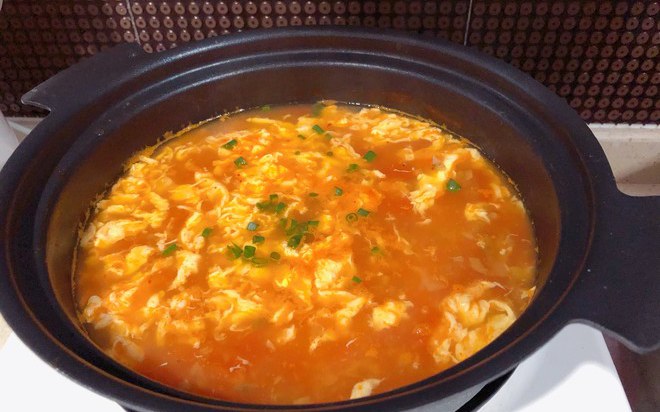
Instructions
-
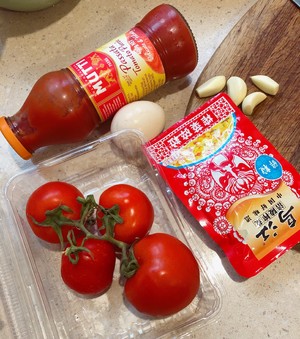 Beat the eggs in a cup and slice the garlic. Chunk the tomatoes, and as you cut, slice off the pale core around the stem end — with the core gone, the skins separate from the flesh easily once the soup boils.
-
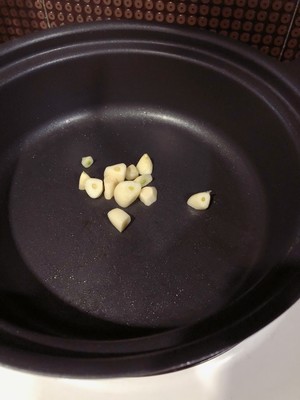 Heat the oil in a pot over medium heat, lay in the garlic slices, and fry for 30–60 seconds, until they smell fragrant and the edges just turn golden. Do not let them brown or they will taste bitter.
-
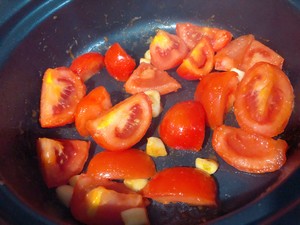 Add the tomato chunks and stir-fry for 3–4 minutes, pressing them with the spatula, until they collapse into a thick, pulpy mush with no firm pieces left. This step builds the whole flavor base.
-
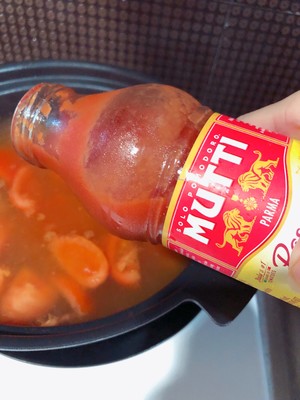 Pour in the water, raise the heat, and bring to a rolling boil. If your tomatoes were underripe, whisk in the tomato paste now for color and depth.
-
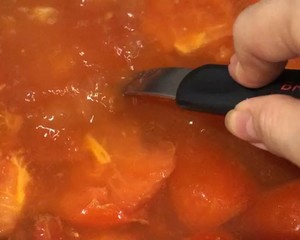 Boil gently for 5 minutes, then press each tomato chunk against the side of the pot with your spatula — the skin will slip right off the flesh. Fish the skins out with chopsticks or the tip of a spoon and discard them.
-
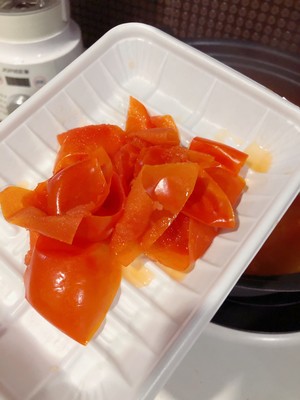 Add the sliced zha cai and simmer 2 minutes. Do not add any salt — the zha cai is salty enough to season the whole pot on its own.
-
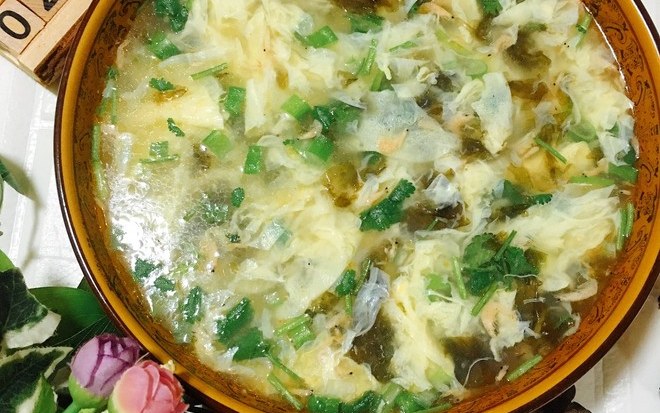
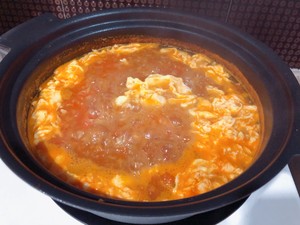 Turn the heat to its lowest setting. Stir the broth in one direction so it swirls, then drizzle the beaten egg in a thin stream — ribbons form within seconds. Let it sit 30 seconds, then give one gentle stir.
- Taste. If the soup is sharper than sweet, stir in the sugar. Scatter the scallion over the top and serve hot.
Why this recipe works
Three small decisions turn the humblest of Chinese soups into something you would happily order at a restaurant.
1. The zha cai does the seasoning. Zha cai is salted, fermented mustard stem — a concentrated package of salt, umami, and crunch. Instead of dosing the soup with salt and chicken bouillon, this recipe lets one pack of zha cai season three cups of broth while adding a vegetable crunch that canned broth can never supply. It is the difference between seasoning a soup and building it.
2. Frying the tomatoes first. Simmering raw tomatoes in water gives you a thin, sharp liquid. Frying them in a little oil until they collapse concentrates their glutamates and dissolves their lycopene into the oil, producing a body and roundness that tastes like the soup simmered for an hour when it took three minutes.
3. The stem-end skin trick. Tomato skins curl into unpleasant rags in soup. Cutting out the stem-end core weakens the connection between skin and flesh, so when the soup boils, a nudge of the spatula frees each skin whole — no blanching, no ice bath, no peeling ritual. The payoff is a tomato egg drop soup without stock — the broth builds itself from tomatoes and zha cai alone.
About the dish
The author of the original recipe learned this soup as a schoolchild in Guangzhou, from the Sichuan-born coworker of her aunt — a reminder that Chinese home cooking travels by office kitchens as much as by restaurants. Tomato egg drop soup itself is a relative newcomer to the Chinese canon; tomatoes only became a common home ingredient in the 20th century, but their sweet-sharp acidity proved a natural fit for the egg-ribbon technique China had refined over centuries.
Adding zha cai is the Sichuan contribution: the pickled stem supplies the salt and the addictive crunch, and — in the author's telling — the reason children and adults alike keep coming back to this soup is exactly that sweet-sour-salty-crunchy collision. It is the soup Cantonese families make when nobody can decide what soup to make.
What to serve with it
This is a light opener, not a meal: pair it with something substantial like egg fried rice or a plate of kung pao chicken, and let the soup's tang cut through the richness. On heavy dinner tables it does the job that a green salad does in the West — a bright, low-calorie reset between bites. More home-style soups live one click away. It is also the soup regulars reach for when appetite runs low — warm, sour-salty, and light enough to wake a tired palate before the main dishes land.
Pro tips
- Do not rinse the zha cai. Its salt and brine are the recipe's only seasoning, and rinsing washes away the glutamate crunch that makes this soup taste like more than tomato water.
- The stem-end cut matters: removing the pale core before cooking is why the skins slip off in one piece at step 5. The author's aunt instead scores the skins, pours boiling water over, and peels — pick whichever ritual you prefer.
- Egg ribbons turn tough when the broth is at a hard boil. Drop the heat to low before the egg goes in and the ribbons stay silky.
- Ripe, deep-red tomatoes carry this soup; pale winter tomatoes need the tomato paste. Judge by color, not the calendar.
- Taste before you salt anything — zha cai brands vary a lot in saltiness, and most people who salt first end up with soup that tastes like the sea.
Storage & leftovers
- Refrigerate leftovers in a sealed container for up to 2 days; reheat gently on the stove until steaming.
- The egg ribbons soften overnight — acceptable, but if you plan for leftovers, store the soup without the egg and drizzle fresh egg in when reheating.
- Freezing is not recommended: tomatoes turn watery and the egg turns spongy when thawed.
Frequently asked questions
What exactly is zha cai?
Zha cai is a mustard plant tuber grown around Fuling in Chongqing, salted and fermented with chili and spices until it turns crunchy, salty, and deeply savory. Look for it in the Asian grocery aisle as "Sichuan preserved vegetable" or "pickled mustard tuber" — usually in vacuum packs or tins.
I can't find zha cai. What can I substitute?
There is no perfect stand-in, but 1 Tbsp light soy sauce plus ½ tsp salt gets the soup seasoned, and 2 Tbsp finely chopped dill pickle adds a similar salty-crunchy note. The flavor shifts, but the soup still works.
Is this soup spicy?
Only mildly, and only if your zha cai pack is the chili-seasoned kind. Plain zha cai is not spicy at all — check the label, and for small children buy the plain version or give the slices a quick rinse.
Why did my egg turn into tough curds instead of ribbons?
The broth was boiling too hard or you poured too fast. Cut the heat to low, stir so the broth moves in one direction, and drizzle the egg in a thin, steady stream from a low height.
Can I peel the tomatoes the normal way instead?
Yes: score an X in each skin, blanch in boiling water for 30–60 seconds, shock in cold water, and the peels slide off. Do it before you start cooking. The press-and-fish-out trick in the recipe is simply the lazy version.
Can I make it ahead?
The tomato-zha cai base can be made in the morning and reheated, but add the egg fresh — 60 seconds at serving time — because reheated egg ribbons turn rubbery.
Do I need cornstarch to thicken it?
No — that is one of the quiet advantages here. Frying the tomatoes until they collapse gives the water real body, and the zha cai adds its own weight, so the broth never needs a slurry. If you like it silkier, a small cornstarch slurry at the end works, but taste before you add anything else: the zha cai is already seasoning the pot.
Is this a good soup when you have no appetite?
It is built for that. Warm, sour-salty, and light, with enough umami from the zha cai and fried tomatoes to interest a tired palate without any heaviness — which is why it often opens a Chinese dinner the way a salad opens a Western one.